
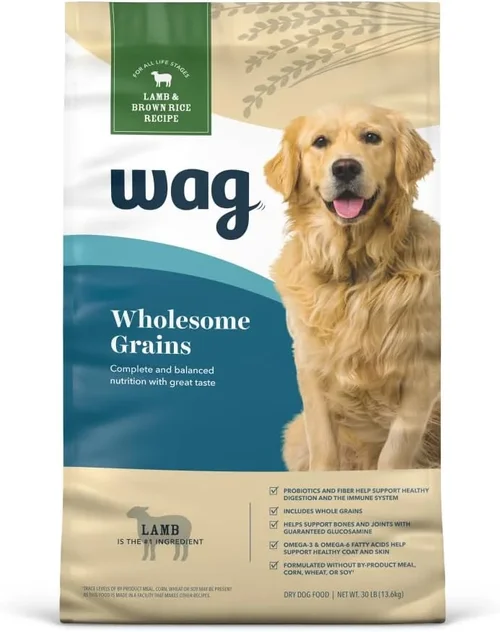
When it comes to raising a healthy, happy Australian Shepherd, few decisions are as important as choosing the right dog food. These intelligent, energetic herding dogs are known for their boundless stamina, sharp minds, and deep loyalty—but they also have unique nutritional needs that must be met to support their active lifestyles and genetic predispositions. Whether you’re a first-time Aussie owner or a seasoned dog enthusiast, navigating the crowded pet food market can feel overwhelming. With hundreds of brands, formulations, and marketing claims vying for your attention, it’s easy to get lost in a sea of buzzwords like “grain-free,” “high-protein,” or “holistic.”
This comprehensive buying guide is designed to cut through the noise and help you make an informed, confident decision about what to feed your Australian Shepherd in 2026. You’ll learn how to evaluate dog food based on your dog’s age, activity level, health status, and dietary sensitivities—not just what’s trending on social media. We’ll break down the key factors that truly matter, from ingredient quality and protein sources to digestibility and brand transparency. By the end of this guide, you’ll have a clear roadmap to selecting a diet that supports your Aussie’s long-term health, energy, and vitality.
The dog food industry has evolved significantly in recent years, with more emphasis on science-backed nutrition, sustainable sourcing, and personalized feeding solutions. Premium brands now offer breed-specific formulas, while direct-to-consumer models make high-quality food more accessible than ever. However, not all “premium” labels are created equal. Some brands prioritize marketing over nutrition, while others may use fillers or by-products that don’t align with your dog’s needs. This guide will empower you to distinguish between marketing hype and genuine nutritional value, ensuring your Australian Shepherd gets the fuel they need to thrive.

What to Look for When Buying Dog Food for Australian Shepherds
1. High-Quality Animal Protein as the First Ingredient
Australian Shepherds are active, muscular dogs that require a diet rich in animal-based protein to maintain lean muscle mass, support recovery after exercise, and sustain their high energy levels. Look for dog foods where a named animal protein—such as chicken, lamb, turkey, or salmon—is listed as the very first ingredient. Avoid vague terms like “meat meal” or “animal by-product meal,” which can include low-quality or inconsistent protein sources.
The Association of American Feed Control Officials (AAFCO) recommends that adult dog foods contain at least 18% protein, but for active breeds like Australian Shepherds, a range of 25–30% is ideal. Puppies and pregnant or nursing females may need even higher levels—up to 30% or more. High-quality proteins also provide essential amino acids like taurine and L-carnitine, which support heart health and metabolism.
2. Healthy Fats for Skin, Coat, and Cognitive Function
Fats are a concentrated source of energy and play a vital role in maintaining your Australian Shepherd’s glossy coat, healthy skin, and brain function. Look for foods that include omega-3 and omega-6 fatty acids, particularly from sources like fish oil, flaxseed, and chicken fat. These fatty acids help reduce inflammation, support joint health, and promote cognitive development—especially important for a breed known for its intelligence and trainability.
The ideal fat content for an active Australian Shepherd ranges from 12% to 18%. Avoid foods with excessive fat, which can lead to weight gain, or those that rely on low-quality fats like lard or vegetable oils with no specified source. Cold-water fish like salmon and sardines are excellent sources of EPA and DHA, which have been shown to improve focus and reduce anxiety in high-energy dogs.
3. Digestible Carbohydrates and Fiber
While Australian Shepherds don’t require large amounts of carbohydrates, they do benefit from digestible sources that provide sustained energy and support gut health. Look for whole grains like brown rice, oats, or quinoa, or easily digestible starches like sweet potatoes and peas. These ingredients offer fiber, vitamins, and minerals without spiking blood sugar.
Avoid foods with excessive fillers like corn, soy, or wheat—especially if your dog shows signs of food sensitivities such as itching, gas, or loose stools. Some Aussies are prone to food allergies, so monitoring your dog’s reaction to new ingredients is crucial. A moderate fiber content (3–5%) helps regulate digestion and supports a healthy microbiome.
4. Breed-Specific Nutritional Needs
Australian Shepherds are predisposed to certain health conditions, including hip dysplasia, epilepsy, and autoimmune disorders like autoimmune hemolytic anemia (AIHA). While diet alone can’t prevent these conditions, it can play a supportive role in managing symptoms and promoting overall wellness.
For example, diets rich in antioxidants (from ingredients like blueberries, spinach, and cranberries) can help combat oxidative stress linked to chronic inflammation. Glucosamine and chondroitin, often included in joint-support formulas, may benefit dogs prone to joint issues. Additionally, some Aussies are sensitive to certain proteins or grains, so hypoallergenic or limited-ingredient diets may be worth considering if your dog exhibits chronic ear infections, skin rashes, or digestive upset.
5. Life Stage and Activity Level Appropriateness
Not all dog food is created equal across life stages. Puppies, adults, and seniors have vastly different nutritional requirements. Australian Shepherd puppies, for instance, grow rapidly and need higher levels of protein, fat, and calories to support development—but overfeeding can lead to joint problems later in life. Choose a puppy formula specifically designed for medium to large breeds to ensure controlled growth.
Adult Aussies with high activity levels (such as those involved in agility, herding, or daily long runs) benefit from performance diets with higher protein and fat. Conversely, less active or senior dogs may require lower-calorie formulas to prevent obesity, which can exacerbate joint issues and reduce lifespan. Always match the food to your dog’s current life stage and energy output.
6. Ingredient Transparency and Brand Reputation
A trustworthy dog food brand should be transparent about where its ingredients come from and how its food is manufactured. Look for companies that provide detailed sourcing information, conduct regular third-party testing, and have a clear recall history (or lack thereof). Brands that manufacture their own food in-house or partner with reputable facilities tend to have better quality control.
Avoid brands that use artificial preservatives like BHA, BHT, or ethoxyquin, which have been linked to health concerns. Instead, opt for natural preservatives like mixed tocopherols (vitamin E) or rosemary extract. Reading customer reviews and checking independent testing sites like the Dog Food Advisor or the Whole Dog Journal can also provide insight into a brand’s reliability.
7. Price vs. Value: Understanding Cost Per Day
While it’s tempting to choose the cheapest option, dog food is an investment in your Australian Shepherd’s long-term health. Lower-priced foods often use fillers, by-products, and synthetic additives that can lead to digestive issues, allergies, and higher vet bills down the line. Instead of focusing solely on bag price, calculate the cost per day based on your dog’s feeding requirements.
For example, a $50 bag of premium food that lasts six weeks may actually be more economical than a $30 bag that lasts only three weeks due to higher calorie density and better digestibility. Additionally, high-quality food often means smaller portion sizes, reducing waste and saving money over time. Consider your budget, but prioritize nutritional value over upfront cost.
8. Palatability and Digestibility
Even the most nutritious dog food is useless if your Australian Shepherd won’t eat it. Palatability—how appealing the food smells and tastes—is crucial, especially for picky eaters. Many premium brands use real meat, broth, or natural flavor enhancers to make their food more enticing.
Equally important is digestibility. A food that’s easily digested means more nutrients are absorbed and less waste is produced. Look for brands that highlight digestibility studies or use probiotics and prebiotics to support gut health. If your dog has a sensitive stomach, consider formulas with added digestive enzymes or novel proteins like duck or venison.
Different Types of Dog Food for Australian Shepherds

Common Buying Mistakes to Avoid
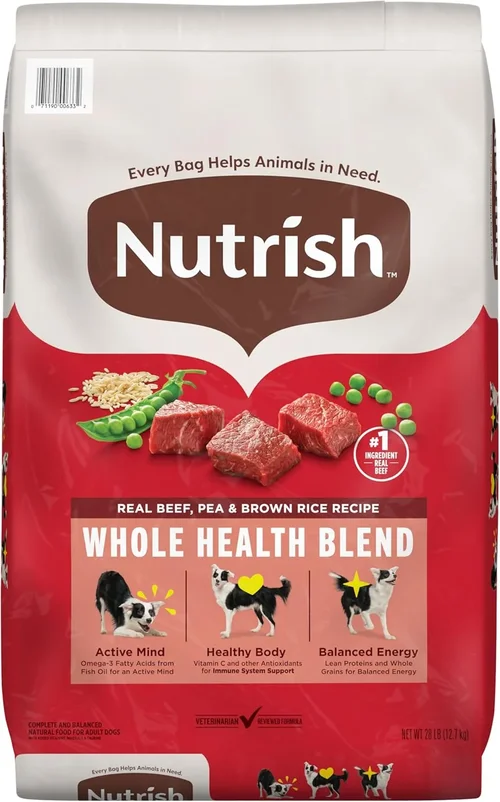
❌ Mistake: Choosing Food Based Solely on Marketing Claims
Why it’s bad: Phrases like “natural,” “premium,” or “grain-free” are not regulated by the FDA or AAFCO and can be used misleadingly. A food labeled “grain-free” may still contain high levels of legumes or potatoes, which can contribute to dilated cardiomyopathy (DCM) in some dogs.
What to do instead: Focus on the ingredient list and guaranteed analysis. Look for real meat as the first ingredient, avoid artificial additives, and verify that the food meets AAFCO nutritional standards for your dog’s life stage.
❌ Mistake: Overfeeding or Underfeeding
Why it’s bad: Australian Shepherds are prone to obesity if overfed, which can lead to joint stress, diabetes, and reduced lifespan. Conversely, underfeeding an active Aussie can result in lethargy, muscle loss, and poor coat condition.
What to do instead: Follow the feeding guidelines on the package as a starting point, then adjust based on your dog’s body condition score. Use a measuring cup—not a scoop—and monitor weight monthly. Consult your vet if you’re unsure.
❌ Mistake: Switching Foods Too Quickly
Why it’s bad: Sudden diet changes can cause gastrointestinal upset, including diarrhea, vomiting, or refusal to eat. This is especially true for sensitive Aussies.
What to do instead: Transition to a new food over 7–10 days by gradually increasing the proportion of new food while decreasing the old. Start with 25% new food and 75% old, then move to 50/50, then 75/25, before fully switching.
❌ Mistake: Ignoring Food Allergies or Sensitivities
Why it’s bad: Australian Shepherds are prone to food sensitivities, which can manifest as chronic itching, ear infections, or digestive issues. Ignoring these signs can lead to long-term discomfort and costly vet visits.
What to do instead: If you suspect a food allergy, work with your vet to conduct an elimination diet. Remove common allergens like chicken, beef, wheat, or soy for 8–12 weeks, then reintroduce one at a time to identify triggers.
❌ Mistake: Feeding Puppy Food to Adult Dogs Long-Term
Why it’s bad: Puppy food is higher in calories, protein, and fat, which can lead to rapid growth and joint problems in adult Aussies. It’s also more expensive per serving.
What to do instead: Transition your Australian Shepherd to an adult formula around 12–18 months of age, depending on their size and growth rate. Choose a large-breed adult formula if your Aussie is on the larger side.
❌ Mistake: Not Considering Supplements
Why it’s bad: Even high-quality dog food may not provide optimal levels of certain nutrients, especially for active or aging Aussies. Deficiencies in omega-3s, glucosamine, or probiotics can impact health over time.
What to do instead: Discuss supplementation with your vet. Common additions include fish oil for coat health, glucosamine for joints, and probiotics for digestion. Avoid over-supplementing, as this can cause imbalances.
❌ Mistake: Buying in Bulk Without Testing
Why it’s bad: Purchasing a large bag of food before knowing if your dog likes it or tolerates it can lead to waste and frustration. Some dogs refuse new foods outright.
What to do instead: Start with a small bag or sample pack. Many premium brands offer trial sizes or money-back guarantees. This allows you to test palatability and digestibility before committing.
Budget Guidelines: How Much Should You Spend?
Choosing the right dog food doesn’t have to break the bank—but it’s important to understand what you’re getting at different price points. Here’s a breakdown of what to expect across budget tiers:
– Entry-Level ($20–$40 per 30-lb bag): These foods often use by-product meals, corn, soy, and artificial preservatives. While they meet basic AAFCO standards, they may lack high-quality protein and digestibility. Best for dogs with no sensitivities and low activity levels—but not ideal for Australian Shepherds long-term.
– Mid-Range ($40–$60 per 30-lb bag): This is the sweet spot for most Aussie owners. These foods typically feature named meat meals, whole grains, and natural preservatives. Brands like Wellness, Taste of the Wild, and Blue Buffalo fall into this category. They offer good nutrition without premium pricing.
– Premium ($60–$90 per 30-lb bag): Designed for active, sensitive, or performance dogs, these foods use human-grade ingredients, novel proteins, and advanced formulations. Look for brands like Orijen, Acana, or Fromm. They often include probiotics, joint support, and antioxidant blends.
– Luxury ($90+ per bag or $3+/day for fresh food): These options include fresh, raw, or customized diets delivered to your door. Brands like The Farmer’s Dog, Nom Nom, or Stella & Chewy’s offer minimally processed, high-meat-content meals. Ideal for owners willing to invest in top-tier nutrition and convenience.

Expert Tips for Getting the Best Deal
– Buy in bulk during sales: Major retailers like Chewy, Amazon, and Petco often run seasonal promotions (e.g., Black Friday, end-of-year clearance). Stock up when prices drop, but only if you have proper storage.
– Subscribe and save: Many online retailers offer 5–15% off for auto-shipping. This ensures you never run out and locks in a lower price.
– Check local pet food co-ops: Some communities have buying groups that purchase directly from manufacturers at wholesale prices.
– Read return policies: If your dog doesn’t like the food, can you return it? Brands with satisfaction guarantees reduce risk.
– Compare cost per kcal: Some foods are more calorie-dense, meaning you feed less. Check the kcal/cup on the label to compare value accurately.
– Ask your vet for samples: Many vets receive free samples from reputable brands and may share them with clients.
– Monitor your dog’s response: Keep a journal of energy levels, coat condition, stool quality, and appetite. This helps you assess whether the food is truly working.
– Don’t chase trends: Grain-free, raw, or exotic protein diets aren’t inherently better. Choose based on your dog’s individual needs, not social media hype.
Frequently Asked Questions
Q: Can Australian Shepherds eat grain-free food?
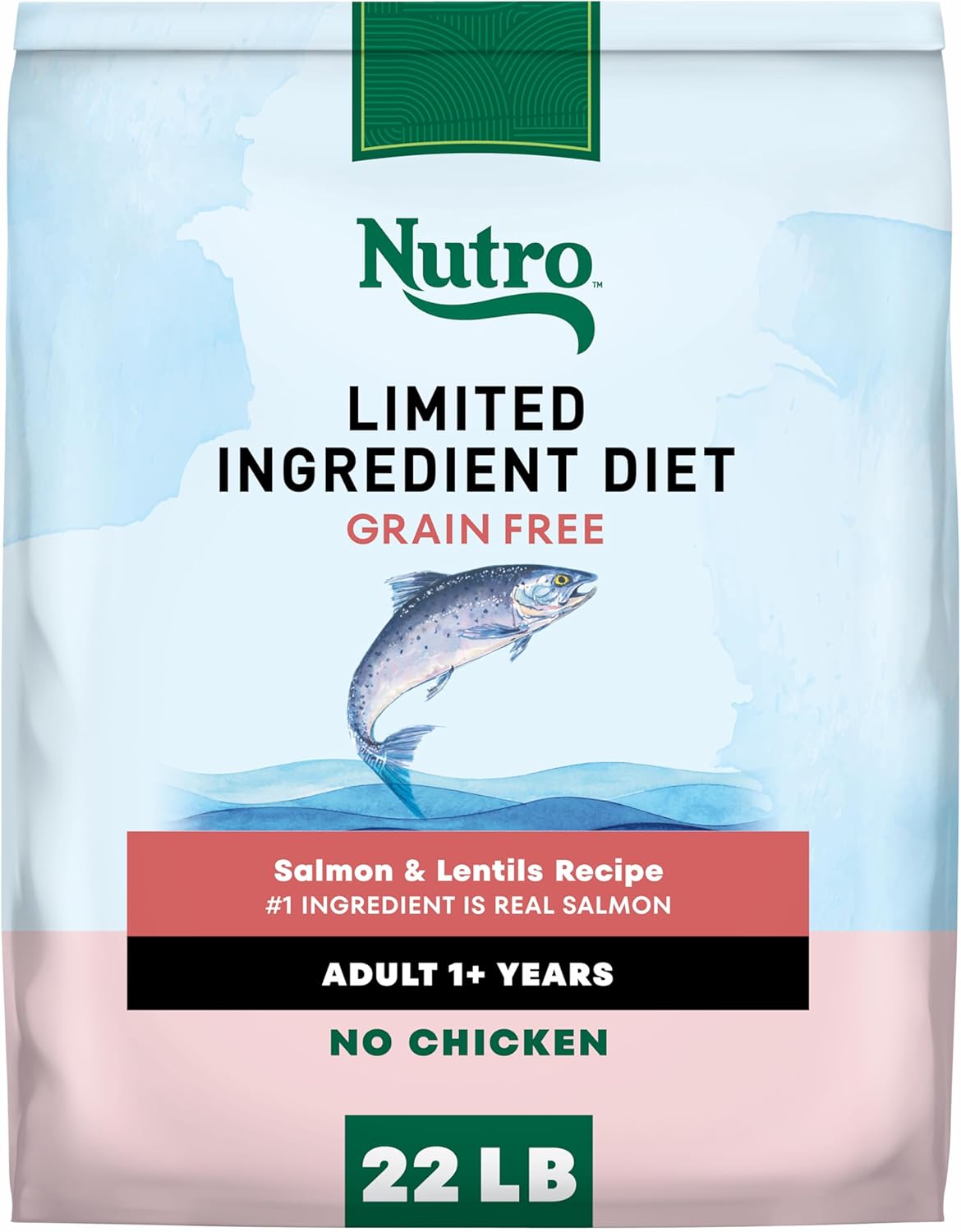
A: Yes, but with caution. While some Aussies thrive on grain-free diets, the FDA has linked certain grain-free formulas high in legumes (like peas and lentils) to an increased risk of dilated cardiomyopathy (DCM). If you choose grain-free, ensure the primary carbohydrate is a digestible starch like sweet potato, and monitor your dog’s heart health with regular vet checkups.
Q: How often should I feed my Australian Shepherd?
A: Most adult Aussies do well with two meals per day—morning and evening. Puppies under six months may need three to four smaller meals. Consistent feeding times help regulate digestion and prevent bloat, a serious condition in deep-chested dogs.
Q: Is raw food safe for Australian Shepherds?
A: Raw diets can be nutritious but carry risks of bacterial contamination (like Salmonella or E. coli) and nutritional imbalances if not properly formulated. If you choose raw, use commercially prepared, balanced recipes from reputable brands, and practice strict hygiene. Consult your vet first.
Q: Should I add supplements to my Aussie’s food?
A: It depends. High-quality commercial foods are formulated to meet all nutritional needs, so supplementation isn’t always necessary. However, active or aging Aussies may benefit from omega-3s, glucosamine, or probiotics. Always consult your vet before adding supplements to avoid overdosing.
Q: How do I know if my dog has a food allergy?
A: Symptoms include chronic itching, ear infections, hot spots, vomiting, or diarrhea. Unlike environmental allergies, food allergies don’t respond to antihistamines. An elimination diet under veterinary supervision is the gold standard for diagnosis.
Q: Can I mix wet and dry food?
A: Absolutely! Many owners mix wet food into kibble to increase palatability and moisture intake. Just adjust portion sizes to avoid overfeeding. Wet food is especially helpful for dogs who don’t drink enough water.
Q: How long can I keep an opened bag of dog food?
A: Once opened, dry kibble should be used within 6 weeks to maintain freshness and prevent rancidity. Store in an airtight container in a cool, dry place. Avoid the original bag if it doesn’t reseal well.
Q: What’s the best food for an Australian Shepherd puppy?
A: Choose a large-breed puppy formula with 26–30% protein and 12–16% fat. Avoid excessive calcium, which can cause skeletal issues. Brands like Royal Canin Large Puppy, Hill’s Science Diet Large Breed Puppy, or Orijen Puppy are excellent choices.
Q: Do Australian Shepherds need special diets as they age?
A: Yes. Senior Aussies (7+ years) benefit from lower-calorie, high-fiber diets with joint support and antioxidants. Look for formulas with glucosamine, chondroitin, and reduced phosphorus to support kidney health.
Q: Can I make homemade dog food for my Aussie?
A: Homemade diets can work but require careful balancing to avoid deficiencies. Consult a veterinary nutritionist to formulate a complete recipe. Never feed onions, garlic, grapes, or chocolate, which are toxic to dogs.
Our Final Recommendations
After extensive research and consultation with veterinarians, breeders, and nutritionists, here are our top picks for Australian Shepherds in 2026:
– Best for Budget-Conscious Buyers: Taste of the Wild Pacific Stream Grain-Free – Offers high-quality salmon protein, probiotics, and omega fatty acids at a mid-range price. Great for active Aussies on a budget.
– Best Overall Value: Wellness CORE Grain-Free Original – Packed with deboned turkey, chicken meal, and turkey meal, this formula supports muscle maintenance and digestion. Includes glucosamine and taurine for heart and joint health.
– Best Premium Option: Orijen Original Grain-Free – With 85% animal ingredients and regionally sourced meats, this biologically appropriate diet mirrors a dog’s natural diet. Ideal for performance Aussies and those with sensitivities.
– Best for Beginners: Blue Buffalo Life Protection Formula Chicken & Brown Rice – A balanced, widely available option with real chicken, whole grains, and LifeSource Bits for antioxidants. Easy to find and vet-recommended.
– Best for Advanced Users: The Farmer’s Dog Fresh Turkey Recipe – A customized, human-grade fresh food delivered to your door. Perfect for owners who want maximum control over ingredients and are willing to pay a premium for convenience and quality.
Conclusion: Making the Right Choice
Choosing the right dog food for your Australian Shepherd is one of the most impactful decisions you’ll make as a pet parent. It affects everything from their energy levels and coat shine to their long-term health and lifespan. While the market offers endless options, the best food is one that aligns with your dog’s unique needs—not just what’s trending or convenient.
Remember to prioritize high-quality animal protein, healthy fats, and digestible carbohydrates. Consider your dog’s life stage, activity level, and any health concerns. Don’t be swayed by flashy packaging or buzzwords—read labels, research brands, and consult your veterinarian when in doubt. And always monitor your dog’s response to their diet, adjusting as needed.
Investing in premium nutrition now can save you money on vet bills later and give your Australian Shepherd the vibrant, active life they deserve. Whether you choose kibble, fresh food, or a hybrid approach, the key is consistency, quality, and love. Your Aussie will thank you with wagging tails, bright eyes, and years of joyful companionship.