
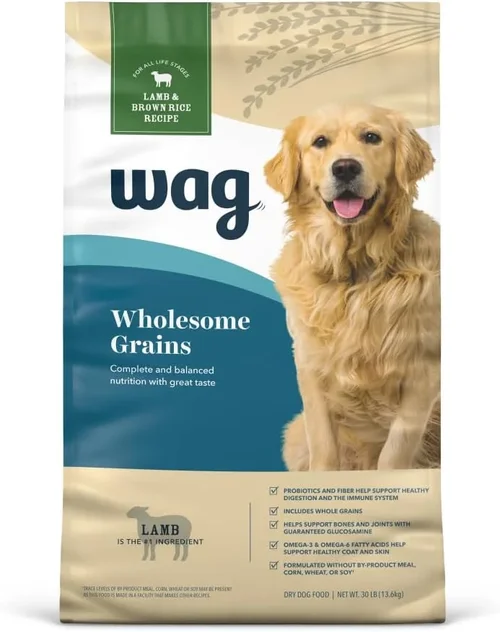
Choosing the right dog food for your beagle isn’t just about picking the most expensive bag on the shelf or the one with the cutest packaging. It’s a decision that directly impacts your dog’s energy levels, coat health, digestion, weight management, and even lifespan. Beagles are beloved for their friendly personalities, keen sense of smell, and boundless enthusiasm—but they’re also prone to specific health challenges like obesity, food sensitivities, and ear infections. That’s why selecting a high-quality, nutritionally balanced diet tailored to their unique needs is one of the most important responsibilities of beagle ownership.
In this comprehensive buying guide, you’ll learn exactly what to look for when choosing dog food for your beagle in 2026. We’ll break down the essential nutritional requirements, decode ingredient labels, compare different food types (kibble, wet, raw, and fresh), and highlight common pitfalls to avoid. Whether you’re a first-time beagle parent or a seasoned owner looking to upgrade your pup’s diet, this guide will equip you with expert-level knowledge to make an informed, confident choice. The pet food market has evolved rapidly in recent years, with more options than ever—from grain-free formulas to limited-ingredient diets and human-grade fresh meals. With so many choices, it’s easy to feel overwhelmed. But by focusing on science-backed nutrition and your beagle’s individual needs, you can cut through the noise and find a food that truly supports their well-being.

What to Look for When Buying Dog Food for Beagles
1. High-Quality Animal Protein as the First Ingredient
Protein is the cornerstone of any healthy canine diet, and beagles are no exception. As active, medium-sized dogs with strong hunting instincts, beagles require a diet rich in animal-based protein to maintain muscle mass, support energy levels, and promote overall vitality. When evaluating dog food labels, always check the ingredient list: the first ingredient should be a named animal protein source such as chicken, beef, lamb, salmon, or turkey—not a by-product, meal, or plant-based substitute.
Look for foods that list a whole meat source (e.g., “deboned chicken”) rather than vague terms like “poultry by-product meal” or “meat meal.” These latter ingredients can come from unspecified sources and may include parts not fit for human consumption. The Association of American Feed Control Officials (AAFCO) recommends that adult dog foods contain a minimum of 18% protein, but for beagles—especially active or working dogs—aim for formulas with 22–30% protein content. High-protein diets help prevent obesity by increasing satiety and supporting lean muscle, which is crucial since beagles have a genetic predisposition to weight gain.
2. Healthy Fats for Coat, Skin, and Cognitive Health
Fats are often misunderstood in pet nutrition, but they’re essential for beagles. Dietary fats provide concentrated energy, support brain function, and are vital for maintaining a shiny coat and healthy skin. Beagles, with their short, dense coats, benefit greatly from omega-3 and omega-6 fatty acids, which reduce inflammation and help prevent dry, itchy skin.
Look for dog foods that include sources like chicken fat, fish oil, flaxseed, or canola oil. Fish oil, in particular, is rich in EPA and DHA—omega-3 fatty acids proven to support cognitive development in puppies and joint health in older dogs. Avoid foods that list “animal fat” without specifying the source, as this can indicate low-quality or inconsistent ingredients.
The ideal fat content for adult beagles ranges from 10% to 15%. Puppies and highly active beagles may benefit from slightly higher levels (up to 18%), while overweight or sedentary dogs should stay on the lower end. Too much fat can contribute to weight gain, but too little can lead to dull coats, dry skin, and reduced energy. Balance is key.
3. Digestible Carbohydrates and Fiber
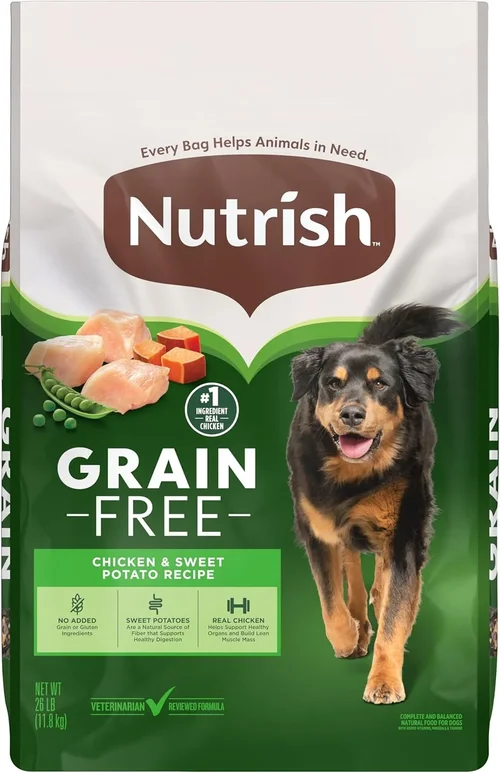
While beagles don’t require large amounts of carbohydrates, they do benefit from easily digestible sources that provide sustained energy and support gut health. Whole grains like brown rice, oatmeal, and barley are excellent choices, as they’re rich in fiber, B vitamins, and minerals. For beagles with grain sensitivities, grain-free options using sweet potatoes, peas, or lentils can be effective alternatives—though recent studies have raised concerns about legume-heavy diets potentially linking to dilated cardiomyopathy (DCM) in some dogs. Always consult your veterinarian before switching to a grain-free diet.
Fiber is particularly important for beagles, who are notorious for overeating and scavenging. A diet with moderate fiber (3–5%) helps regulate digestion, promotes satiety, and supports healthy bowel movements. Look for ingredients like beet pulp, pumpkin, chia seeds, or psyllium husk, which are gentle on the stomach and support microbiome balance.
Avoid foods with excessive fillers like corn, wheat, or soy—these are often used as cheap bulking agents and can cause allergies or digestive upset in sensitive beagles. Also, steer clear of artificial sweeteners like xylitol, which is toxic to dogs.
4. Appropriate Caloric Density and Portion Control
Beagles are prone to obesity, with studies showing that up to 50% of beagles in the U.S. are overweight or obese. This makes caloric density a critical factor when choosing dog food. A high-calorie diet may seem efficient, but it can lead to overfeeding and rapid weight gain if not carefully managed. Conversely, low-calorie foods may leave your beagle feeling hungry and unsatisfied.
Check the caloric content per cup or can on the packaging. Most adult beagles require between 900 and 1,200 calories per day, depending on age, size, and activity level. Puppies and active adults may need more, while senior or less active beagles need fewer. Choose a food that allows you to feed appropriate portions without overloading on calories.
Many premium brands now offer “weight management” or “light” formulas specifically designed for breeds prone to weight gain. These typically have reduced fat and calories, increased fiber, and added L-carnitine—a compound that helps convert fat into energy. If your beagle is already overweight, consult your vet before making dietary changes.
5. Added Supplements and Functional Ingredients
Beyond the basics, many high-quality dog foods include functional ingredients that support specific health needs. For beagles, look for formulas enriched with:
– Glucosamine and chondroitin: Support joint health, especially important as beagles age and become prone to arthritis.
– Probiotics: Promote healthy gut flora and improve digestion. Look for strains like Lactobacillus or Bifidobacterium listed on the label.
– Antioxidants: Vitamins C and E, along with compounds like lutein and beta-carotene, help boost immunity and combat oxidative stress.
– Prebiotics: Ingredients like fructooligosaccharides (FOS) and mannanoligosaccharides (MOS) feed beneficial gut bacteria.
These additions can make a significant difference in your beagle’s long-term health. For example, a study published in the Journal of Animal Physiology and Animal Nutrition found that dogs fed probiotic-enriched diets had improved stool quality and reduced incidence of gastrointestinal upset.
Avoid foods with excessive synthetic additives, artificial colors, or preservatives like BHA, BHT, or ethoxyquin. Natural preservatives like mixed tocopherols (vitamin E) and rosemary extract are safer and equally effective.
6. Life Stage and Activity Level Appropriateness
Not all dog food is created equal—your beagle’s nutritional needs change throughout their life. Puppies require higher levels of protein, fat, and calories to support rapid growth, while senior beagles need fewer calories and more joint support. Active beagles benefit from energy-dense formulas, whereas sedentary dogs do better with lower-fat, high-fiber options.
Always choose a food labeled for your beagle’s life stage: “puppy,” “adult,” or “senior.” Some brands offer “all life stages” formulas, which meet AAFCO standards for growth, maintenance, and reproduction. While convenient, these may not be ideal for every dog—especially overweight adults or large-breed puppies, who have different nutritional requirements.
If your beagle participates in agility, tracking, or hunting activities, consider performance or active formulas with higher protein and fat levels. Conversely, if your dog spends most of the day lounging, opt for a maintenance or weight-control diet.
7. Brand Transparency and Manufacturing Standards
Not all pet food companies are transparent about where and how their food is made. Reputable brands provide detailed information about sourcing, manufacturing facilities, and quality control processes. Look for companies that:
– Manufacture their own food (not outsourced to third parties)
– Conduct regular safety testing for pathogens like Salmonella and E. coli
– Publish ingredient sourcing information (e.g., “chicken from U.S.-raised farms”)
– Are members of the Pet Food Institute or adhere to AAFCO guidelines
Avoid brands that use vague language like “meat derivatives” or “animal digest.” Transparency builds trust—and ensures your beagle is eating safe, high-quality food.
8. Palatability and Your Beagle’s Preferences
Even the most nutritious food won’t help if your beagle refuses to eat it. Beagles are known for their strong appetites and food motivation, but they can also be picky. Some prefer wet food over kibble, others enjoy crunchy textures, and some are drawn to strong-smelling proteins like salmon or lamb.
When trying a new food, introduce it gradually over 7–10 days by mixing it with the old food to avoid digestive upset. Observe your beagle’s reaction: Do they eat it eagerly? Is their coat improving? Are their stools firm and regular? These are all indicators of a good match.
If your beagle has a sensitive stomach, consider limited-ingredient diets or novel proteins. For picky eaters, try adding a small amount of warm water, bone broth (low-sodium, no onion/garlic), or a topper like freeze-dried liver to enhance flavor.
Different Types of Dog Food for Beagles

Common Buying Mistakes to Avoid
❌ Mistake: Choosing Food Based Solely on Price
Why it’s bad: Opting for the cheapest dog food often means compromising on ingredient quality. Low-cost brands frequently use fillers, by-products, and artificial additives that offer little nutritional value and may harm your beagle over time. Chronic consumption of poor-quality food can lead to obesity, allergies, dental issues, and even organ damage.
What to do instead: View dog food as an investment in your beagle’s health. While premium brands cost more upfront, they can reduce long-term veterinary expenses by preventing diet-related illnesses. Look for value—not just low price—by comparing cost per pound and nutritional density.
❌ Mistake: Ignoring the Ingredient List
Why it’s bad: The front of the bag may boast “real chicken” or “grain-free,” but the ingredient list tells the real story. Many brands use marketing tricks to hide low-quality ingredients. For example, “chicken by-product meal” is not the same as “deboned chicken.”
What to do instead: Always read the ingredient list, not just the marketing claims. Ingredients are listed by weight, so the first few items should be high-quality proteins. Avoid foods with long lists of unpronounceable chemicals or unnamed meat sources.
❌ Mistake: Feeding Adult Food to Puppies (or Vice Versa)
Why it’s bad: Puppy food is formulated with higher protein, fat, and calories to support rapid growth. Feeding it to an adult beagle can lead to obesity. Conversely, adult food lacks the nutrients needed for a growing puppy, potentially causing developmental issues.
What to do instead: Match the food to your beagle’s life stage. Use puppy formulas until around 12–15 months of age, then transition to adult food. Senior beagles (7+ years) benefit from formulas with joint support and lower calories.
❌ Mistake: Overlooking Food Allergies and Sensitivities
Why it’s bad: Beagles are prone to food allergies, with common triggers including chicken, beef, dairy, wheat, and soy. Symptoms include itchy skin, ear infections, vomiting, and diarrhea. Continuing to feed allergenic ingredients can worsen symptoms and lead to chronic health problems.
What to do instead: If you suspect an allergy, work with your vet to conduct an elimination diet. Switch to a limited-ingredient diet with a novel protein and carbohydrate source. Monitor your beagle’s response over 8–12 weeks.
❌ Mistake: Not Transitioning Foods Gradually
Why it’s bad: Switching dog food abruptly can cause digestive upset, including diarrhea, vomiting, and gas. Beagles have sensitive stomachs, and sudden changes disrupt their gut microbiome.
What to do instead: Transition over 7–10 days. Start with 25% new food and 75% old food, gradually increasing the proportion each day until you’re feeding 100% new food. This allows your beagle’s system to adjust.
❌ Mistake: Free-Feeding or Overfeeding
Why it’s bad: Beagles are food-motivated and will eat until they’re sick if given the chance. Free-feeding (leaving food out all day) increases the risk of obesity, bloat, and behavioral issues like food guarding.
What to do instead: Feed measured portions twice daily. Use a kitchen scale or measuring cup for accuracy. Adjust portions based on your beagle’s weight, activity level, and body condition score.
❌ Mistake: Believing All “Natural” or “Organic” Labels
Why it’s bad: Terms like “natural” and “organic” are not strictly regulated in pet food. A product labeled “natural” may still contain low-quality ingredients, and “organic” doesn’t guarantee nutritional completeness.
What to do instead: Look for third-party certifications like USDA Organic or AAFCO statements that confirm the food meets nutritional standards. Don’t rely solely on marketing buzzwords.
Budget Guidelines: How Much Should You Spend?
– Entry-Level ($1.00–$1.75/lb): Budget-friendly options like Purina Dog Chow or Pedigree. These often contain fillers, by-products, and artificial additives. Suitable for temporary use or multi-dog households, but not ideal for long-term health.
– Mid-Range ($1.75–$3.00/lb): The sweet spot for most beagle owners. Brands like Hill’s Science Diet, Royal Canin, and Iams offer balanced nutrition, quality ingredients, and life-stage-specific formulas. These provide excellent value and are widely available.
– Premium ($3.00–$5.00/lb): High-quality brands such as Wellness, Blue Buffalo, and Nutro. These use real meat, whole grains, and added supplements. Ideal for beagles with sensitivities or owners prioritizing ingredient quality.
– Luxury ($5.00+/lb): Top-tier options like The Honest Kitchen, Ollie, and Open Farm. These offer human-grade, fresh, or raw ingredients with minimal processing. Best for health-conscious owners willing to invest in optimal nutrition.

Expert Tips for Getting the Best Deal
– Buy in bulk during sales: Stock up on kibble during Black Friday, Amazon Prime Day, or end-of-season sales. Many retailers offer 20–30% off large bags.
– Subscribe and save: Most online pet retailers (Chewy, Petco, Amazon) offer 5–15% off with auto-ship programs. You’ll never run out, and you save money.
– Check for rebates and coupons: Brands like Hill’s and Royal Canin frequently offer mail-in rebates or digital coupons through their websites.
– Compare cost per pound, not per bag: A 30-pound bag may seem expensive, but if it’s $2.00/lb, it’s cheaper than a 10-pound bag at $2.50/lb.
– Read return policies: Ensure the retailer allows returns if your beagle doesn’t like the food. Some brands offer money-back guarantees.
– Test small bags first: Before committing to a large purchase, buy a small bag or sample to see if your beagle tolerates it well.
– Ask your vet for samples: Many vets receive free samples from manufacturers and are happy to share them with clients.

Frequently Asked Questions
Q: Can beagles eat grain-free food?
A: Yes, but with caution. Grain-free diets can be beneficial for beagles with grain allergies, but recent FDA investigations have linked certain grain-free formulas—especially those high in legumes like peas and lentils—to an increased risk of dilated cardiomyopathy (DCM) in dogs. If you choose grain-free, opt for brands that use alternative carbohydrates like sweet potato and avoid excessive legumes. Always consult your veterinarian.
Q: How often should I feed my beagle?
A: Most adult beagles do best with two measured meals per day. Puppies under six months may need three to four smaller meals. Avoid free-feeding, as beagles are prone to overeating.
Q: Is wet food better than dry food?
A: Not necessarily. Wet food has higher moisture content, which can benefit hydration and is great for picky eaters or senior dogs with dental issues. Dry kibble is more convenient, cost-effective, and helps reduce tartar buildup. Many owners use a combination—kibble for meals and wet food as a topper.
Q: How do I know if my beagle is overweight?
A: You should be able to feel your beagle’s ribs without seeing them. From above, they should have a visible waistline. If you can’t feel the ribs or the waist is absent, your beagle may be overweight. Consult your vet for a body condition score assessment.
Q: Can I make homemade dog food for my beagle?
A: Yes, but it’s challenging to balance nutrients properly. Homemade diets require careful planning to ensure adequate protein, fat, calcium, and vitamins. Work with a veterinary nutritionist to create a balanced recipe. Never feed onions, garlic, grapes, or chocolate—these are toxic to dogs.
Q: How long can I keep opened dog food?
A: Dry kibble should be used within 6 weeks of opening to maintain freshness and prevent rancidity. Store in an airtight container in a cool, dry place. Wet food should be refrigerated and used within 3–5 days.
Q: Should I add supplements to my beagle’s food?
A: Only if recommended by your vet. Most high-quality dog foods are complete and balanced. Over-supplementing can cause imbalances. For example, too much calcium can harm growing puppies.
Q: What if my beagle has a sensitive stomach?
A: Choose a limited-ingredient diet with a single protein and carbohydrate source. Look for easily digestible ingredients like turkey, duck, or salmon with sweet potato or oatmeal. Probiotics can also help. Avoid artificial additives and common allergens.
Our Final Recommendations
– Best for Budget-Conscious Buyers: Hill’s Science Diet Adult Perfect Weight – Affordable, vet-recommended, and formulated to support healthy weight management in beagles.
– Best Overall Value: Wellness Complete Health Adult Deboned Chicken & Oatmeal – High-quality ingredients, balanced nutrition, and excellent palatability at a reasonable price.
– Best Premium Option: Ollie Fresh Beef Recipe – Human-grade, fresh ingredients delivered to your door. Perfect for owners who want the best for their beagle.
– Best for Beginners: Royal Canin Beagle Adult – Specifically formulated for beagles, with kibble shape designed to encourage chewing and reduce eating speed.
– Best for Advanced Users: Open Farm RawMix Kibble with Cold-Pressed Raw Coating – Combines the convenience of kibble with the benefits of raw nutrition, using ethically sourced ingredients.
Conclusion: Making the Right Choice
Choosing the best dog food for your beagle is a deeply personal decision that depends on your dog’s age, health, activity level, and your budget. While no single brand is perfect for every beagle, focusing on high-quality animal protein, healthy fats, digestible carbohydrates, and appropriate caloric density will set you on the right path. Avoid common pitfalls like overfeeding, ignoring ingredient lists, or falling for marketing gimmicks.
Remember, your beagle’s diet is one of the most powerful tools you have to support their long-term health and happiness. Whether you choose a mid-range kibble, a fresh subscription service, or a raw diet, the key is consistency, quality, and attention to your dog’s individual needs. Consult your veterinarian regularly, monitor your beagle’s weight and coat condition, and don’t be afraid to adjust their diet as they age.
By using this guide as your roadmap, you’re not just buying dog food—you’re investing in a lifetime of tail wags, playful barks, and loyal companionship. Your beagle deserves nothing less.