
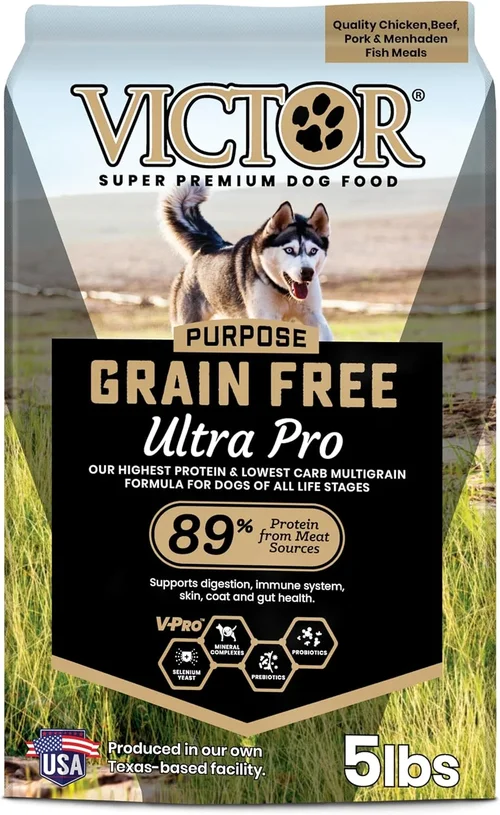
When it comes to raising a Cane Corso—one of Italy’s most majestic and powerful mastiff breeds—nutrition isn’t just a detail; it’s foundational to their health, temperament, and longevity. These large, muscular dogs are known for their intelligence, loyalty, and protective instincts, but they’re also prone to specific health challenges like hip dysplasia, bloat, heart conditions, and sensitive digestion. That’s why choosing the right dog food isn’t just about filling a bowl—it’s about investing in your dog’s long-term well-being.
This comprehensive buying guide is designed specifically for Cane Corso owners and prospective owners who want to make informed, science-backed decisions about their dog’s diet. Whether you’re feeding a growing puppy, an active adult, or a senior Cane Corso, this guide will walk you through every critical factor—from ingredient quality and protein sources to kibble size and life-stage formulations. You’ll learn how to read labels like a pro, avoid common pitfalls, and select a brand that supports your dog’s unique needs. With so many options flooding the market—from budget kibbles to premium raw diets—it’s easy to feel overwhelmed. But armed with the right knowledge, you can cut through the noise and choose a food that truly nourishes your gentle giant.
The dog food market has exploded in recent years, with hundreds of brands claiming to offer “premium,” “natural,” or “vet-recommended” formulas. Yet, not all of these claims hold up under scrutiny. Many mass-market brands rely on fillers, artificial preservatives, and vague ingredient lists that can do more harm than good—especially for large-breed dogs like the Cane Corso, whose growth rates and metabolic needs differ significantly from smaller breeds. This guide cuts through the marketing hype and focuses on what really matters: nutritional science, ingredient transparency, and real-world results. By the end, you’ll know exactly what to look for, what to avoid, and which brands consistently deliver on their promises.

What to Look for When Buying Cane Corso Dog Food
1. High-Quality Animal Protein as the First Ingredient
For a Cane Corso, protein isn’t optional—it’s essential. These dogs are built for strength and endurance, with dense muscle mass that requires a steady supply of high-quality amino acids to maintain and repair. Look for dog foods where a named animal protein (like chicken, lamb, beef, or fish) is listed as the very first ingredient. Avoid vague terms like “meat meal” or “animal by-product meal,” which can include low-quality or inconsistent sources.
Whole meats (e.g., “deboned chicken”) are ideal, but meat meals (e.g., “chicken meal”) can also be excellent—provided they’re from a reputable source. Meat meals are simply rendered, dehydrated proteins that are more concentrated than fresh meat, offering higher protein content per volume. The key is ensuring the protein source is clearly identified and not mixed with unnamed “poultry” or “meat” derivatives.
For adult Cane Corsos, aim for a minimum of 25–30% crude protein on a dry matter basis. Puppies may need slightly more (up to 32%), but avoid excessive protein levels, as they can contribute to rapid growth in large breeds—a known risk factor for joint disorders like hip dysplasia.
2. Balanced Fat Content for Energy and Coat Health
Fat is a concentrated energy source and plays a vital role in hormone production, skin health, and coat shine. Cane Corsos benefit from moderate fat levels—typically between 12% and 16% for adults—to support their active lifestyle without promoting obesity. Look for named fat sources like chicken fat, salmon oil, or flaxseed oil, which provide essential fatty acids such as omega-3 and omega-6.
Omega-3 fatty acids, particularly EPA and DHA from fish oil, are especially beneficial for reducing inflammation, supporting brain function, and maintaining joint health—critical for a breed prone to arthritis. Avoid foods with generic “animal fat” or excessive plant-based oils like corn oil, which offer less bioavailable nutrition.
Be cautious with high-fat diets, especially for less active or older Corsos. Obesity is a serious concern in large breeds and can exacerbate joint problems and shorten lifespan. A balanced fat-to-protein ratio ensures your dog gets sustained energy without unnecessary weight gain.
3. Joint Support Ingredients (Glucosamine, Chondroitin, MSM)
Cane Corsos are genetically predisposed to orthopedic issues, particularly hip and elbow dysplasia. Feeding a diet fortified with joint-supportive nutrients can help slow degeneration and improve mobility as your dog ages. Look for foods that include glucosamine, chondroitin sulfate, and methylsulfonylmethane (MSM)—compounds that support cartilage health and reduce inflammation.
Some premium brands go further by adding green-lipped mussel extract, turmeric, or hyaluronic acid, all of which have anti-inflammatory properties. While these ingredients won’t cure existing conditions, they can be part of a proactive wellness strategy when combined with proper exercise and weight management.
It’s also worth noting that large-breed puppy formulas often include controlled calcium and phosphorus levels to support slower, steadier bone growth—another key factor in preventing joint disorders. Always choose a “large breed” or “giant breed” formula for puppies under 12 months.
4. Digestive Health and Probiotics
Cane Corsos can be sensitive eaters, with some individuals prone to gas, loose stools, or food intolerances. A diet that supports gut health is crucial. Look for foods that include probiotics—live beneficial bacteria that aid digestion and strengthen the immune system. Common strains like Lactobacillus acidophilus and Bifidobacterium animalis are often listed on the packaging.
Prebiotic fibers such as chicory root, beet pulp, or dried fermentation products also promote a healthy gut microbiome. These ingredients help feed the good bacteria in your dog’s digestive tract, improving nutrient absorption and reducing gastrointestinal upset.
Avoid foods with excessive fillers like corn, wheat, or soy, which are common allergens and can disrupt digestion. Instead, opt for easily digestible carbohydrates like sweet potatoes, peas, or oats. If your Cane Corso has a history of sensitive stomach, consider limited-ingredient diets or novel protein sources (e.g., duck, venison, or salmon).
5. Kibble Size and Shape for Large Jaws
One often-overlooked factor is kibble size. Cane Corsos have large, powerful jaws and broad muzzles, so they need kibble that’s appropriately sized to encourage chewing and slow eating. Small, round kibbles designed for toy breeds can be swallowed whole, increasing the risk of choking or bloat—a life-threatening condition common in deep-chested dogs.
Look for “large breed” or “jumbo” kibble formulas, which are typically larger, denser, and sometimes textured to promote mechanical digestion. Some brands even design kibble with ridges or grooves to help scrape plaque from teeth, supporting dental health.
Slow-feed bowls can also be a helpful addition, especially if your Cane Corso tends to gulp food. These bowls have raised centers or maze-like patterns that force the dog to eat more slowly, reducing the risk of gastric dilatation-volvulus (GDV), or bloat.
6. Life Stage Appropriateness
Not all dog food is created equal—especially when it comes to life stages. Cane Corsos go through distinct nutritional phases: puppy, adult, and senior, each with unique requirements.
Puppies (under 12–18 months) need higher protein and fat levels to support rapid growth, but with controlled calcium to prevent skeletal abnormalities. Always choose a “large breed puppy” formula, which is specifically balanced for slower growth rates.
Adults (18 months to 7 years) require a maintenance diet that supports muscle mass, energy, and overall health without excess calories. Senior Corsos (7+ years) benefit from lower-calorie formulas with added joint support, fiber for digestion, and antioxidants for cognitive health.
Switching between life stages should be done gradually over 7–10 days to avoid digestive upset. Never feed adult food to a puppy or vice versa—doing so can lead to nutritional deficiencies or developmental issues.
7. Ingredient Transparency and Sourcing
In an industry rife with vague labeling and hidden ingredients, transparency is non-negotiable. Reputable brands clearly list every ingredient, including the source of proteins, fats, and supplements. They should also disclose where ingredients are sourced and manufactured.
Avoid brands that use terms like “flavor” instead of “chicken” or “meat by-products” without specification. These are red flags for low-quality or inconsistent sourcing. Look for brands that are members of the Association of American Feed Control Officials (AAFCO) and meet their nutritional standards.
Even better are brands that undergo third-party testing or publish ingredient sourcing reports. Some premium companies even offer batch-specific nutritional analysis upon request. This level of accountability ensures your Cane Corso is getting exactly what’s promised on the label.
8. Brand Reputation and Veterinary Endorsements
Not all dog food brands are created equal—and reputation matters. Look for companies with a long history of producing high-quality, science-based formulas. Brands that collaborate with veterinary nutritionists or have their diets formulated by board-certified specialists are generally more trustworthy.
Check for recalls. A brand with a clean safety record over the past 5–10 years is a good sign. You can find recall information on the FDA’s website or through pet food safety databases. Frequent recalls may indicate poor quality control or sourcing issues.
While vet recommendations can be helpful, be aware that some clinics receive incentives from certain brands. Instead, look for independent reviews, customer testimonials, and long-term feeding trials. Brands like Royal Canin, Hill’s Science Diet, and Purina Pro Plan are widely used by veterinarians, but newer premium brands like The Honest Kitchen, Open Farm, and Wellness Core are gaining strong reputations for transparency and quality.
Different Types of Cane Corso Dog Food
Common Buying Mistakes to Avoid
❌ Mistake: Choosing Based on Price Alone
Why it’s bad: Cheap dog food often contains fillers, by-products, and artificial additives that can lead to obesity, allergies, and long-term health problems. Saving a few dollars per bag may cost you hundreds in vet bills down the line.
What to do instead: Focus on value, not just cost. Calculate the price per pound and compare ingredient quality. A mid-range premium kibble may actually be more economical when you factor in better digestion, less waste, and fewer health issues.
❌ Mistake: Ignoring Life Stage Needs
Why it’s bad: Feeding adult food to a puppy can stunt growth or cause skeletal deformities. Conversely, feeding puppy food to an adult can lead to obesity and joint stress due to excess calories and calcium.
What to do instead: Always match the food to your dog’s life stage. Use “large breed puppy” formulas for dogs under 18 months, and transition to adult food gradually. Consult your vet if you’re unsure.
❌ Mistake: Overlooking Kibble Size
Why it’s bad: Small kibble can be swallowed whole by large breeds, increasing the risk of choking, bloat, and poor nutrient absorption. It also doesn’t promote chewing, which is important for dental health.
What to do instead: Choose kibble specifically designed for large or giant breeds. Look for larger, denser pieces that encourage chewing and slow eating.
❌ Mistake: Falling for Marketing Buzzwords
Why it’s bad: Terms like “natural,” “holistic,” or “premium” are not regulated and can be used by any brand. A food labeled “grain-free” might still be loaded with potatoes or peas as fillers.
What to do instead: Read the ingredient list and guaranteed analysis. Focus on what’s actually in the food, not the packaging claims. Look for AAFCO statements and named protein sources.
❌ Mistake: Not Transitioning Foods Gradually
Why it’s bad: Sudden diet changes can cause vomiting, diarrhea, or refusal to eat. Cane Corsos with sensitive stomachs are especially prone to digestive upset.
What to do instead: Transition over 7–10 days, mixing increasing amounts of the new food with the old. Start with 25% new food, then 50%, then 75%, before going 100%.
❌ Mistake: Ignoring Your Dog’s Individual Needs
Why it’s bad: Every Cane Corso is different. One dog may thrive on chicken-based kibble, while another develops skin rashes. A food that works for your neighbor’s dog may not suit yours.
What to do instead: Observe your dog’s coat, energy levels, stool quality, and overall health. If you notice issues, consider a limited-ingredient diet or consult a veterinary nutritionist.
❌ Mistake: Feeding Too Much or Too Little
Why it’s bad: Overfeeding leads to obesity, which strains joints and shortens lifespan. Underfeeding can cause muscle loss, fatigue, and weakened immunity.
What to do instead: Follow the feeding guidelines on the bag, but adjust based on your dog’s activity level, age, and body condition. Use a body condition score chart to assess if your dog is at a healthy weight.
Budget Guidelines: How Much Should You Spend?
- Entry-Level ($1.50–$2.50/lb): These foods often contain by-products, fillers like corn and soy, and minimal animal protein. While they meet basic AAFCO standards, they may not support optimal health in a large, active breed like the Cane Corso. Best for temporary use or supplemental feeding only.
- Mid-Range ($2.50–$4.00/lb): This is the sweet spot for most Cane Corso owners. These foods typically feature named meat proteins, moderate fat, and some joint-supportive ingredients. Brands like Iams Large Breed, Nutro Ultra, and Blue Buffalo Life Protection offer good value without sacrificing quality.
- Premium ($4.00–$6.00/lb): Ideal for owners who prioritize ingredient quality and health outcomes. These diets often include human-grade ingredients, probiotics, omega fatty acids, and glucosamine. Brands like Wellness Core, Taste of the Wild, and Canidae Pure are excellent choices.
- Luxury ($6.00+/lb): Reserved for raw, freeze-dried, or custom-formulated diets. These offer the highest level of nutrition and transparency but come at a steep price. Best for dogs with specific health needs or owners willing to invest in top-tier care.
Expert Tips for Getting the Best Deal
- Buy in Bulk: Larger bags (30–40 lbs) often cost less per pound. Just ensure you can store the food properly to maintain freshness.
- Subscribe & Save: Many online retailers (Chewy, Amazon) offer discounts for recurring deliveries. This also ensures you never run out.
- Watch for Sales: Major holidays (Black Friday, Memorial Day) and pet industry events often feature deep discounts on premium brands.
- Use Loyalty Programs: Sign up for rewards programs at pet stores or online. Points can add up to free bags or discounts.
- Check for Rebates: Some brands offer mail-in rebates or digital coupons through their websites or apps.
- Compare Retailers: Prices can vary significantly between local stores, big-box retailers, and online platforms. Use price comparison tools.
- Read Return Policies: If your Cane Corso doesn’t like the food or has a reaction, you’ll want the option to return it. Most reputable brands offer satisfaction guarantees.
- Rotate Proteins: To prevent food sensitivities, rotate between different protein sources (e.g., chicken, lamb, fish) every few months—but always transition gradually.

Frequently Asked Questions
Q: Can I feed my Cane Corso a raw diet?
A: Yes, but it requires careful planning. Raw diets can offer excellent nutrition and improved coat and energy levels, but they must be balanced to avoid deficiencies. Consult a veterinary nutritionist to formulate a complete diet, and practice strict hygiene to prevent bacterial contamination.
Q: Is grain-free food better for Cane Corsos?
A: Not necessarily. Grain-free diets are only beneficial if your dog has a confirmed grain allergy. Recent FDA investigations have linked some grain-free diets to dilated cardiomyopathy (DCM) in dogs, especially those high in legumes like peas and lentils. Unless your vet recommends it, whole grains like oats or barley can be healthy carbohydrate sources.
Q: How much should I feed my Cane Corso?
A: This depends on age, weight, and activity level. Adult Corsos typically need 4–6 cups of high-quality kibble per day, split into two meals. Puppies may require more frequent feeding (3–4 times daily). Always refer to the feeding guide on the bag and adjust based on your dog’s body condition.
Q: Can I mix wet and dry food?
A: Absolutely! Many owners mix wet food into kibble to increase palatability, especially for picky eaters or seniors with dental issues. Just adjust the total volume to avoid overfeeding.
Q: How often should I change my dog’s food?
A: There’s no need to change food unless your dog has health issues, food sensitivities, or you’re rotating proteins for variety. Frequent changes can upset digestion. When you do switch, do it gradually over 7–10 days.
Q: What should I do if my Cane Corso has food allergies?
A: Symptoms include itching, ear infections, diarrhea, or chronic gas. Work with your vet to identify the allergen through an elimination diet. Common culprits include chicken, beef, wheat, and soy. Limited-ingredient diets with novel proteins (e.g., duck, venison) can help.
Q: Is it safe to feed human food as treats?
A: Some human foods are safe in moderation—like cooked chicken, carrots, or plain pumpkin. Avoid chocolate, grapes, onions, garlic, and xylitol, which are toxic. Always check with your vet before introducing new foods.
Q: How can I tell if my dog’s food is high quality?
A: Look for a named animal protein first, minimal fillers, no artificial preservatives (BHA, BHT, ethoxyquin), and an AAFCO statement confirming nutritional adequacy. Third-party testing and transparent sourcing are also strong indicators.
Q: Should I add supplements to my dog’s food?
A: Only if recommended by your vet. A balanced commercial diet should provide all necessary nutrients. Over-supplementing can cause imbalances. For joint support, look for foods that already include glucosamine and chondroitin.
Q: What’s the best way to store dog food?
A: Keep kibble in its original bag inside an airtight container in a cool, dry place. Avoid direct sunlight or humidity. Use within 6 weeks of opening to prevent rancidity. Never store food in the garage if temperatures fluctuate.
Our Final Recommendations
- Best for Budget-Conscious Buyers: Blue Buffalo Life Protection Formula Large Breed – Offers real meat as the first ingredient, includes glucosamine, and is widely available at a reasonable price. A solid choice for owners who want quality without breaking the bank.
- Best Overall Value: Wellness Core Large Breed Recipe – High protein (34%), grain-free, with probiotics, omega fatty acids, and joint support. Excellent ingredient quality and palatability make this a top pick for most Cane Corsos.
- Best Premium Option: Open Farm Homestead Turkey & Chicken Recipe – Humanely raised meats, non-GMO vegetables, and transparent sourcing. Includes coconut oil for skin health and is free from artificial additives. Ideal for owners who prioritize ethics and nutrition.
- Best for Beginners: Hill’s Science Diet Large Breed Adult – Veterinarian-recommended, easy to find, and formulated with controlled calcium for joint health. A reliable, science-backed choice for new Cane Corso owners.
- Best for Advanced Users: The Honest Kitchen Human Grade Dehydrated Dog Food – Made with human-grade ingredients, gently dehydrated to retain nutrients. Requires rehydration but offers unparalleled freshness and transparency. Perfect for owners willing to invest time and money in optimal nutrition.
Conclusion: Making the Right Choice
Choosing the best dog food for your Cane Corso is one of the most important decisions you’ll make as a pet owner. It’s not just about satisfying hunger—it’s about supporting a long, healthy, and active life for your loyal companion. From high-quality proteins and joint-supportive ingredients to proper kibble size and life-stage appropriateness, every detail matters. Avoid the common pitfalls of price-driven choices, marketing hype, and sudden diet changes. Instead, focus on transparency, science, and your dog’s individual needs.
Remember, there’s no one-size-fits-all solution. What works for one Cane Corso may not work for another. Observe your dog’s response to different foods—watch for changes in energy, coat condition, stool quality, and overall demeanor. When in doubt, consult your veterinarian or a board-certified veterinary nutritionist. They can help you tailor a diet that supports your dog’s unique physiology and lifestyle.
Ultimately, the best dog food is the one that keeps your Cane Corso thriving—not just surviving. By investing in quality nutrition today, you’re laying the foundation for years of joy, strength, and companionship. So take the time to read labels, compare brands, and make an informed choice. Your gentle giant deserves nothing less.