

When it comes to caring for a Chihuahua, few decisions are as critical—or as confusing—as choosing the right dog food. These tiny dogs may weigh less than five pounds, but their nutritional needs are anything but small. Despite their size, Chihuahuas are energetic, long-lived companions with unique dietary requirements that demand careful attention. A poor diet can lead to dental problems, obesity, hypoglycemia, and a host of other health issues that compromise their quality of life. That’s why selecting the best dog food for your Chihuahua isn’t just about convenience—it’s a vital part of responsible pet ownership.
In this comprehensive guide, we’ll walk you through everything you need to know to make an informed decision about your Chihuahua’s nutrition in 2026. Whether you’re a first-time Chihuahua owner or a seasoned caregiver looking to upgrade your pup’s diet, this article will equip you with expert-level insights, practical tips, and real-world recommendations. You’ll learn how to evaluate ingredients, understand life-stage needs, avoid common pitfalls, and find the perfect balance between quality and budget. We’ll also break down the latest trends in canine nutrition, from grain-free formulas to limited-ingredient diets, so you can confidently navigate the crowded pet food market.
The dog food industry has exploded in recent years, with hundreds of brands vying for your attention—each claiming to be the healthiest, most natural, or most scientifically advanced option on the shelf. From boutique organic lines to mass-market kibble, the choices can feel overwhelming. But not all dog foods are created equal, especially when it comes to small breeds like Chihuahuas. Their fast metabolisms, sensitive digestive systems, and dental vulnerabilities require specialized formulations that many generic brands simply don’t deliver. This guide cuts through the noise, offering a clear, evidence-based roadmap to help you choose a food that supports your Chihuahua’s health, energy, and longevity.

What to Look for When Buying Dog Food for Chihuahuas
1. High-Quality Protein Sources
Protein is the cornerstone of any healthy dog diet, but it’s especially important for small, active breeds like Chihuahuas. These dogs have high metabolic rates and need a steady supply of amino acids to maintain muscle mass, support organ function, and fuel their playful energy. When evaluating dog food, always check the ingredient list: the first ingredient should be a named animal protein such as chicken, turkey, lamb, or fish—not a by-product or vague term like “meat meal.” Look for whole meats (e.g., “deboned chicken”) or meals (e.g., “chicken meal”), which are concentrated sources of protein after moisture is removed.
Avoid foods that list “meat by-products” or “animal digest” as primary ingredients, as these are often low-quality fillers with inconsistent nutritional value. Also, be cautious of plant-based proteins like corn gluten meal or soy protein isolate, which may appear high on the ingredient list but are less bioavailable to dogs. For Chihuahuas, aim for a food with at least 25–30% crude protein on a dry matter basis. This ensures they’re getting enough fuel without overloading their small bodies with excess calories.
2. Appropriate Kibble Size and Texture
One of the most overlooked aspects of feeding Chihuahuas is kibble size. These dogs have tiny mouths and short snouts, making it difficult for them to chew large or hard pieces. Kibble that’s too big can lead to choking, dental strain, or even gastrointestinal blockages if swallowed whole. Look for small-breed formulas specifically designed with bite-sized pieces—typically under 10mm in diameter. These are easier to pick up, chew, and digest.
Texture also matters. Some Chihuahuas prefer softer kibble, especially as they age and begin to lose teeth. In such cases, consider foods with a slightly softer texture or those that can be soaked in warm water or broth to make them more palatable. Avoid extremely hard kibble, which can damage delicate teeth or discourage eating altogether. If your Chihuahua is prone to dental issues—common in the breed—opt for kibble with a shape or coating that helps reduce plaque buildup.
3. Balanced Fat Content for Energy and Coat Health
Fat is a concentrated source of energy, and Chihuahuas need it to sustain their high activity levels. However, because they’re so small, even a slight excess in fat can lead to rapid weight gain. The ideal fat content for a Chihuahua’s diet ranges from 12% to 18% on a dry matter basis. Look for healthy fat sources like chicken fat, salmon oil, flaxseed, or coconut oil—these provide essential fatty acids like omega-3 and omega-6, which support skin health, reduce inflammation, and give your dog a shiny coat.
Avoid foods with excessive plant-based oils like corn oil or soybean oil, which are high in omega-6 and can promote inflammation when not balanced with omega-3s. Also, be wary of “low-fat” diets unless recommended by a vet for a specific medical condition. Chihuahuas need fat for energy, and overly restrictive diets can lead to lethargy and nutrient deficiencies.
4. Life Stage and Activity Level Considerations
Chihuahuas have different nutritional needs at various stages of life. Puppies require higher levels of protein, fat, and calories to support rapid growth, while senior dogs need fewer calories but more joint-supporting nutrients like glucosamine and chondroitin. Adult Chihuahuas in good health should be fed a maintenance formula that balances energy with weight management.
Activity level also plays a role. A Chihuahua that runs laps around the house all day will need more calories than one that prefers napping on the couch. If your dog is highly active, look for a performance or active formula with slightly higher fat and protein. Conversely, less active dogs benefit from weight management formulas with added fiber to promote satiety without excess calories. Always adjust portion sizes based on your dog’s individual needs and monitor their body condition score regularly.
5. Limited and Digestible Ingredients
Chihuahuas are prone to food sensitivities and digestive upset, so simplicity is key. Foods with long ingredient lists full of artificial additives, fillers, and unnamed proteins are more likely to cause allergies or stomach issues. Instead, opt for formulas with limited, recognizable ingredients—ideally under 15 total. This reduces the risk of triggering food intolerances and makes it easier to identify the cause if a reaction occurs.
Common allergens in dog food include corn, wheat, soy, and artificial preservatives like BHA, BHT, and ethoxyquin. Look for natural preservatives such as mixed tocopherols (vitamin E) or rosemary extract. Also, avoid foods with excessive carbohydrates, which can contribute to obesity and blood sugar spikes—especially risky for Chihuahuas, who are prone to hypoglycemia.
6. Added Nutrients for Small Breed Health
Small breeds like Chihuahuas benefit from targeted nutritional support that addresses their unique health challenges. Look for foods fortified with:
– Taurine: Supports heart health, which is especially important as Chihuahuas are predisposed to mitral valve disease.
– Glucosamine and Chondroitin: Promote joint health and may help prevent arthritis, common in older small dogs.
– L-Carnitine: Aids in fat metabolism and helps maintain a healthy weight.
– Probiotics: Support digestive health and immune function, particularly useful for sensitive stomachs.
– Dental Support Ingredients: Such as sodium hexametaphosphate or specially shaped kibble to reduce tartar.
These additions can make a significant difference in your Chihuahua’s long-term well-being, especially when combined with regular veterinary care.
7. Brand Transparency and Safety Standards
Not all pet food brands are equally committed to quality and safety. When choosing a brand, prioritize those that are transparent about their sourcing, manufacturing, and testing practices. Look for companies that:
– Conduct AAFCO (Association of American Feed Control Officials) feeding trials or formulate to meet AAFCO nutrient profiles.
– Provide clear information about where ingredients are sourced and how food is produced.
– Have a history of recalls or safety issues (check the FDA’s pet food recall database).
– Offer customer support and detailed nutritional information on their websites.
Reputable brands often publish ingredient definitions, feeding guidelines, and even third-party lab test results. Avoid brands that use vague language like “natural flavors” or “animal fat” without specifying the source.
8. Palatability and Your Dog’s Preference
Even the most nutritionally complete food is useless if your Chihuahua won’t eat it. Palatability is a crucial factor, especially for picky eaters. Chihuahuas can be notoriously finicky, so it’s important to find a food they genuinely enjoy. This often comes down to flavor, aroma, and texture.
Many high-quality brands offer multiple protein options (chicken, beef, fish, duck) to cater to different tastes. You may need to try a few varieties before finding the one your dog loves. Consider purchasing small bags or sample packs before committing to a large purchase. Also, avoid frequently switching foods, as this can upset your dog’s stomach. When transitioning to a new food, do so gradually over 7–10 days by mixing increasing amounts of the new food with the old.
Different Types of Dog Food for Chihuahuas

Common Buying Mistakes to Avoid
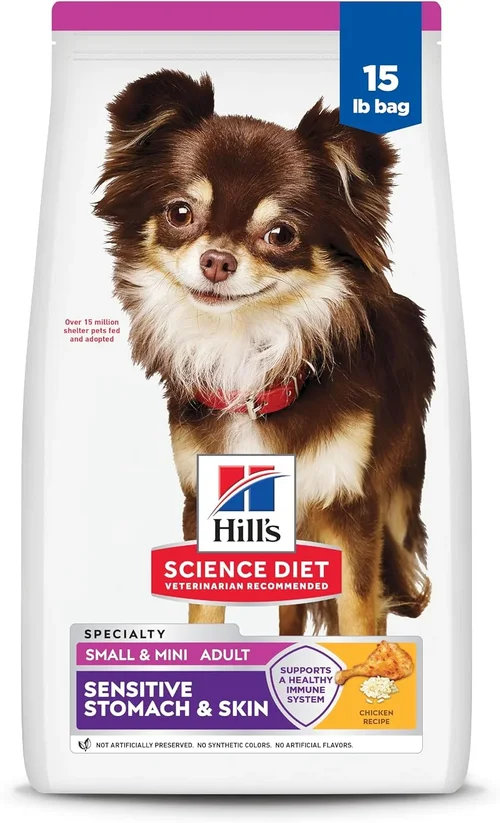
❌ Mistake: Choosing Food Based Solely on Price
Why it’s bad: While budget is important, the cheapest dog food often contains fillers, by-products, and artificial additives that can harm your Chihuahua’s health over time. Low-cost kibble may also lack essential nutrients, leading to deficiencies or increased vet bills down the line.
What to do instead: Focus on value, not just cost. A mid-range food with high-quality ingredients may cost more upfront but can prevent health issues and reduce long-term expenses. Calculate cost per meal rather than per bag to get a clearer picture.
❌ Mistake: Ignoring Life Stage Requirements
Why it’s bad: Feeding a puppy formula to an adult Chihuahua can lead to obesity, while adult food may not meet a growing puppy’s needs. Similarly, senior dogs require different nutrient balances than active adults.
What to do instead: Always select a food labeled for your dog’s life stage: puppy, adult, or senior. If your dog has special needs (e.g., weight management, sensitive stomach), look for formulas that address those specifically.
❌ Mistake: Overfeeding Due to Misleading Portion Guidelines
Why it’s bad: Chihuahuas are prone to obesity, and even small excesses in calories can lead to serious health problems like diabetes, joint stress, and heart disease. Many owners overfeed because they misinterpret package guidelines or don’t adjust for treats.
What to do instead: Use a kitchen scale to measure portions accurately. Adjust based on your dog’s body condition— ribs should be felt but not seen. Limit treats to no more than 10% of daily caloric intake.
❌ Mistake: Switching Foods Too Frequently
Why it’s bad: Frequent diet changes can disrupt your Chihuahua’s digestive system, leading to diarrhea, vomiting, or food aversions. It also makes it hard to identify the cause of allergies or sensitivities.
What to do instead: Stick to one food unless there’s a compelling reason to switch (e.g., allergy, vet recommendation). When transitioning, do so gradually over 7–10 days by mixing increasing amounts of the new food with the old.
❌ Mistake: Falling for Marketing Buzzwords
Why it’s bad: Terms like “natural,” “holistic,” or “premium” are not regulated and can be used misleadingly. A food labeled “grain-free” may still be high in carbohydrates from potatoes or peas, which can contribute to weight gain.
What to do instead: Read the ingredient list and guaranteed analysis, not just the front label. Look for AAFCO statements and avoid foods that rely on buzzwords without substance.
❌ Mistake: Not Considering Dental Health
Why it’s bad: Chihuahuas are highly susceptible to dental disease due to their small mouths and crowded teeth. Soft or sticky foods can accelerate plaque buildup, leading to gum disease and tooth loss.
What to do instead: Choose kibble designed for dental health, or supplement with dental chews and regular brushing. Avoid feeding only wet food unless paired with dental care.
❌ Mistake: Neglecting Hydration
Why it’s bad: Dry kibble contains only 10% moisture, which may not be enough for some Chihuahuas, especially in hot climates or if they’re prone to urinary issues.
What to do instead: Always provide fresh water and consider adding wet food or broth to increase moisture intake. Monitor your dog’s water consumption and urination habits.
Budget Guidelines: How Much Should You Spend?
– Entry-Level ($10–$20 per 4–6 lb bag): These foods often contain fillers like corn, wheat, and soy, with lower-quality protein sources. While they meet basic nutritional standards, they may not support optimal health in the long term. Best for temporary use or dogs with no sensitivities.
– Mid-Range ($20–$35 per 4–6 lb bag): This is the sweet spot for most Chihuahua owners. These foods use named meat proteins, limited fillers, and added nutrients for small breeds. Brands like Wellness, Blue Buffalo, and Nutro offer excellent options in this range.
– Premium ($35–$55 per 4–6 lb bag): These formulas feature high-quality, often human-grade ingredients, novel proteins, and advanced nutrition. They’re ideal for dogs with allergies, picky eaters, or owners who prioritize ingredient sourcing and transparency.
– Luxury ($55+ per bag or $3+ per meal): Includes fresh, raw, or custom diets from brands like The Farmer’s Dog, Ollie, or Nom Nom. These offer maximum nutrient retention and customization but require more time, storage, and budget.

Expert Tips for Getting the Best Deal
– Buy in Bulk During Sales: Many online retailers (Chewy, Amazon, Petco) offer discounts on larger bags or subscription plans. Stock up during Black Friday, Prime Day, or seasonal promotions.
– Use Subscription Services: Brands like The Farmer’s Dog and Ollie offer 20–30% off first orders and free shipping. Even traditional brands often provide discounts for auto-ship.
– Check for Rebates and Coupons: Sign up for brand newsletters, loyalty programs, or apps like Rakuten for cashback on pet food purchases.
– Compare Unit Prices: Don’t assume a larger bag is cheaper per ounce. Always check the price per pound or per meal.
– Read Return Policies: If your Chihuahua doesn’t like a food, you want the option to return it. Chewy and Petco often allow returns on unopened bags.
– Ask Your Vet for Samples: Many vets carry samples of prescription or therapeutic diets. This is a great way to test a food before buying.
– Rotate Proteins Occasionally: This can prevent food sensitivities and keep your dog interested. Just do it gradually.
– Store Food Properly: Keep kibble in an airtight container in a cool, dry place to preserve freshness and prevent rancidity.

Frequently Asked Questions
Q: Can Chihuahuas eat grain-free food?
A: Yes, but only if they have a diagnosed grain allergy or sensitivity. Most Chihuahuas tolerate grains like rice or oats well. Grain-free diets have been linked to dilated cardiomyopathy (DCM) in some dogs, so consult your vet before switching.
Q: How often should I feed my Chihuahua?
A: Puppies under 6 months should be fed 3–4 times daily. Adults do well with 2 meals per day. Senior dogs may benefit from smaller, more frequent meals to aid digestion.
Q: Is raw food safe for Chihuahuas?
A: Raw diets can be safe if properly balanced and handled hygienically. However, they require careful planning to avoid nutritional deficiencies or bacterial contamination. Consult a veterinary nutritionist before starting.
Q: My Chihuahua is overweight. What should I do?
A: Switch to a weight management formula with high protein and fiber. Reduce portion sizes, limit treats, and increase exercise. Avoid “light” foods that are just lower in fat but high in carbs.
Q: Can I mix wet and dry food?
A: Absolutely! Many owners mix wet food into kibble to increase palatability and moisture. Just adjust portions to avoid overfeeding.
Q: How do I know if my Chihuahua has a food allergy?
A: Symptoms include itching, ear infections, diarrhea, or vomiting. Work with your vet to conduct an elimination diet, removing potential allergens one by one.
Q: Should I feed my Chihuahua human food?
A: Occasional small amounts of dog-safe foods (e.g., cooked chicken, carrots) are fine, but avoid chocolate, grapes, onions, and xylitol, which are toxic.
Q: How long can I keep an opened bag of kibble?
A: Up to 6 weeks if stored in an airtight container. After that, fats may oxidize and reduce palatability and nutrition.
Q: Is it okay to feed my Chihuahua once a day?
A: While some dogs tolerate it, most Chihuahuas do better with two meals to maintain stable blood sugar and prevent hypoglycemia.
Q: What’s the best way to transition to a new food?
A: Mix 25% new food with 75% old food for days 1–3, then 50/50 for days 4–6, then 75% new for days 7–9, and 100% new by day 10.
Our Final Recommendations
– Best for Budget-Conscious Buyers: Wellness Complete Health Small Breed – Offers high-quality ingredients, small kibble, and added probiotics at a reasonable price.
– Best Overall Value: Blue Buffalo Life Protection Formula Small Breed – Balanced nutrition, real meat first, and affordable with frequent discounts.
– Best Premium Option: The Farmer’s Dog – Fresh, human-grade meals tailored to your dog’s needs, with excellent customer support.
– Best for Beginners: Nutro Wholesome Essentials Small Breed – Easy to find, consistent quality, and gentle on sensitive stomachs.
– Best for Advanced Users: Ollie Fresh Dog Food – Customized fresh meals with vet-approved recipes and transparent sourcing.
Conclusion: Making the Right Choice
Choosing the best dog food for your Chihuahua is one of the most impactful decisions you’ll make as a pet parent. It’s not just about filling their bowl—it’s about supporting their energy, health, and happiness for years to come. By focusing on high-quality protein, appropriate kibble size, life-stage needs, and ingredient transparency, you can ensure your tiny companion thrives.
Remember, every Chihuahua is unique. What works for one may not suit another. Pay attention to your dog’s coat, energy levels, digestion, and overall demeanor as you evaluate different foods. Don’t be afraid to consult your veterinarian, especially if your dog has health concerns or dietary restrictions.
Ultimately, the best dog food is one that your Chihuahua enjoys, digests well, and keeps them healthy and vibrant. With the knowledge from this guide, you’re now equipped to make a confident, informed choice. Your Chihuahua deserves nothing less than the best—start their journey to optimal nutrition today.