
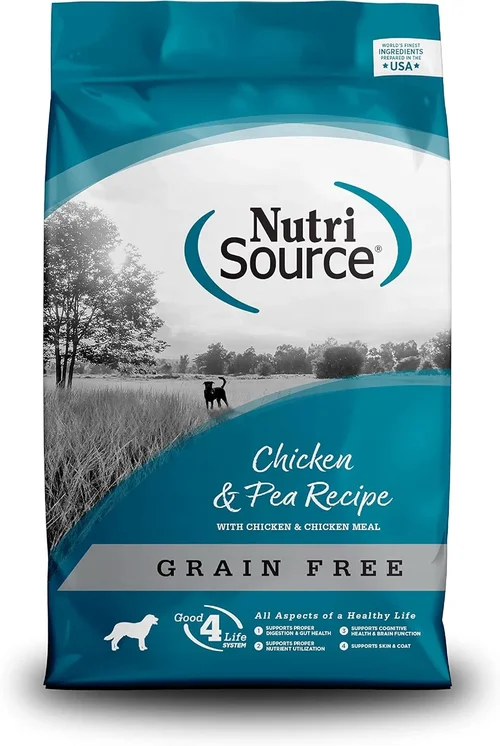
Cocker Spaniels are beloved companions known for their cheerful personalities, expressive eyes, and silky coats. But behind that adorable exterior lies a breed with specific nutritional needs that, if overlooked, can lead to health complications down the line. As a responsible Cocker Spaniel owner, choosing the right dog food isn’t just about picking the most expensive bag on the shelf—it’s about understanding your dog’s unique physiology, energy levels, and potential sensitivities. With hundreds of brands flooding the market, each claiming to be “the best,” it’s easy to feel overwhelmed. That’s where this comprehensive buying guide comes in.
In this expert-level guide, we’ll cut through the noise and give you everything you need to make an informed decision. You’ll learn how to evaluate ingredients, understand life-stage nutrition, identify red flags in labeling, and match your Cocker Spaniel’s dietary needs to the right formula—whether they’re a playful puppy, an active adult, or a senior with joint concerns. We’ll also break down budget considerations, compare different types of dog food (kibble, wet, raw, etc.), and highlight common mistakes even experienced owners make. By the end, you’ll have a clear roadmap to selecting a high-quality, breed-appropriate diet that supports your Cocker Spaniel’s long-term health, vitality, and happiness.
The dog food market has exploded in recent years, with options ranging from ultra-premium organic blends to budget-friendly store brands. While variety is great, it also means more room for confusion—and misinformation. Some brands use clever marketing to disguise low-quality ingredients, while others overemphasize trendy buzzwords like “grain-free” or “ancestral diet” without scientific backing. For Cocker Spaniels, whose predisposition to obesity, ear infections, skin allergies, and dental issues requires thoughtful nutrition, getting it right matters more than ever. This guide is designed to empower you with knowledge, not push a particular brand. Our goal is to help you become a savvy consumer who can confidently navigate labels, compare options, and choose food that truly nourishes your furry friend.

What to Look for When Buying Dog Food for Cocker Spaniels
1. High-Quality Animal Protein as the First Ingredient
Protein is the cornerstone of any healthy canine diet, and for Cocker Spaniels—moderately active dogs with lean muscle mass—it’s especially important. Look for named animal proteins like “chicken,” “salmon,” or “turkey” listed as the first ingredient. Avoid vague terms like “meat meal” or “animal by-product meal,” which can include low-quality or inconsistent sources. The Association of American Feed Control Officials (AAFCO) recommends a minimum of 18% protein for adult dogs and 22% for puppies, but many premium brands go well above these levels. For Cocker Spaniels, aim for formulas with 25–30% crude protein from whole meats or high-quality meals (like chicken meal or lamb meal), which are concentrated sources of amino acids essential for muscle maintenance, coat health, and immune function.
2. Healthy Fats for Coat and Skin Health
Cocker Spaniels are prone to dry skin, hot spots, and ear infections—all of which can be exacerbated by poor fat quality in their diet. Omega-3 and omega-6 fatty acids are crucial for maintaining a shiny coat, reducing inflammation, and supporting skin barrier function. Look for foods that include sources like salmon oil, flaxseed, chia seeds, or canola oil. The ideal ratio of omega-6 to omega-3 should be between 5:1 and 10:1; anything higher may promote inflammation. Avoid foods listing generic “vegetable oil” or “animal fat” without specification, as these are often low-grade and lack beneficial fatty acids. Additionally, avoid excessive fat content—Cocker Spaniels are prone to weight gain, so aim for moderate fat levels (12–15% for adults) to support energy without contributing to obesity.
3. Digestible Carbohydrates and Fiber
While dogs don’t require carbohydrates, they do benefit from digestible sources that provide energy and support gut health. For Cocker Spaniels, who can be sensitive to certain grains or fillers, choosing the right carbs is key. Whole grains like brown rice, oatmeal, or barley are excellent choices—they’re easily digestible and provide sustained energy. If your dog has grain sensitivities (common in the breed), consider grain-free options with sweet potatoes, peas, or lentils as carbohydrate sources. However, be cautious: recent FDA investigations have linked some grain-free diets high in legumes to dilated cardiomyopathy (DCM) in dogs. Always consult your vet before switching to grain-free. Fiber is also important—look for beet pulp, pumpkin, or chicory root, which aid digestion and help maintain healthy stool consistency. Aim for 3–5% crude fiber in adult formulas.
4. Life Stage and Activity Level Appropriateness
Not all dog food is created equal—your Cocker Spaniel’s nutritional needs change dramatically from puppyhood to senior years. Puppies require higher protein, fat, and calorie density to support rapid growth, while seniors need fewer calories but more joint support and easier digestion. Active adult Cocker Spaniels benefit from balanced energy levels, whereas less active or overweight dogs need lower-calorie formulas with added L-carnitine to support fat metabolism. Always choose a food labeled for your dog’s specific life stage: “puppy,” “adult maintenance,” or “senior.” Some brands offer “all life stages” formulas, but these are often formulated for growth and may be too rich for adult or senior dogs. Matching the food to your dog’s age, weight, and activity level prevents overfeeding and nutrient imbalances.
5. Limited, Recognizable Ingredients
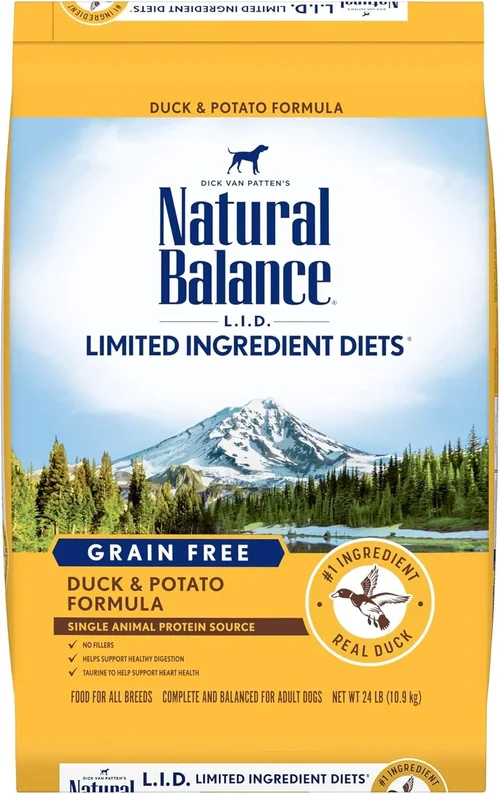
Simplicity is strength when it comes to dog food. Cocker Spaniels are prone to food allergies and sensitivities, often reacting to artificial additives, fillers, or common allergens like corn, wheat, soy, or chicken by-products. A short, clean ingredient list with recognizable whole foods is ideal. Avoid artificial colors (like Red 40 or Yellow 5), preservatives (BHA, BHT, ethoxyquin), and sweeteners (corn syrup, sugar). Instead, look for natural preservatives like mixed tocopherols (vitamin E) or rosemary extract. If your dog has known allergies, consider limited-ingredient diets (LID) that feature a single protein and carbohydrate source, such as duck and potato or salmon and pea. These reduce the risk of triggering adverse reactions and make it easier to identify problem ingredients.
6. Joint and Dental Support Additives
Cocker Spaniels are predisposed to orthopedic issues like hip dysplasia and patellar luxation, as well as dental disease due to their small mouths and crowded teeth. High-quality dog foods often include supplements to address these concerns. Glucosamine and chondroitin support joint health and cartilage repair—especially important as your dog ages. Look for these in senior or large-breed formulas, even if your Cocker isn’t technically “large.” For dental health, some kibbles are designed with larger kibble sizes or special textures to promote chewing and reduce plaque buildup. While not a substitute for regular brushing, these can help. Additionally, antioxidants like vitamin E, vitamin C, and selenium support overall immune function and may reduce inflammation associated with chronic conditions.
7. Brand Transparency and Quality Control
Not all dog food companies are equally committed to quality. Reputable brands conduct feeding trials, publish nutritional adequacy statements, and are transparent about sourcing and manufacturing. Look for companies that manufacture their own food (not private-label brands made by third parties) and those that follow AAFCO guidelines. Check if the brand has a veterinary nutritionist on staff or partners with independent labs for testing. Avoid brands that are vague about ingredient sourcing or make exaggerated claims like “miracle cure” or “100% natural” without certification. Reading customer reviews and checking for recalls (via the FDA website) can also provide insight into a brand’s reliability. Trustworthy brands stand behind their products with money-back guarantees and responsive customer service.
8. Palatability and Digestibility
Even the most nutritious food is useless if your Cocker Spaniel won’t eat it or can’t digest it properly. Palatability matters—especially for picky eaters common in the breed. High-quality fats and real meat enhance flavor, while poor-quality ingredients can make food taste bland or rancid. Digestibility refers to how well your dog absorbs nutrients; highly digestible foods result in smaller, firmer stools and less gas. Look for brands that publish digestibility studies or use highly bioavailable ingredients. If your dog has a sensitive stomach, consider formulas with probiotics (like Bacillus coagulans) or prebiotic fibers (like FOS and MOS) to support gut flora. Transitioning to a new food should be done gradually over 7–10 days to avoid digestive upset.
Different Types of Dog Food for Cocker Spaniels

Common Buying Mistakes to Avoid
❌ Mistake: Choosing Food Based Solely on Price
Why it’s bad: Cheap dog food often relies on fillers like corn, wheat, and soy, which offer little nutritional value and can trigger allergies or weight gain in Cocker Spaniels. Low-cost brands may also use unnamed meat meals or artificial preservatives linked to long-term health issues.
What to do instead: View dog food as an investment in your dog’s health. A slightly higher upfront cost can prevent expensive vet bills down the line. Focus on value—not just price—by comparing cost per pound and ingredient quality.
❌ Mistake: Ignoring Life Stage Requirements
Why it’s bad: Feeding a puppy formula to an adult Cocker Spaniel can lead to obesity and nutrient imbalances, while senior dogs on high-calorie adult food may struggle with weight and joint stress.
What to do instead: Always match the food to your dog’s age, weight, and activity level. If unsure, consult your veterinarian for personalized recommendations.
❌ Mistake: Falling for “Grain-Free” Hype
Why it’s bad: Grain-free diets aren’t inherently healthier and have been linked to DCM in dogs when they rely heavily on legumes like peas and lentils. Most Cocker Spaniels don’t have grain allergies.
What to do instead: Only choose grain-free if your dog has a diagnosed grain sensitivity. Otherwise, opt for whole grains like oats or brown rice, which provide fiber and energy.
❌ Mistake: Overlooking Ingredient Sourcing and Manufacturing
Why it’s bad: Brands that outsource production or don’t disclose ingredient origins may use lower-quality or contaminated ingredients. Lack of transparency increases the risk of recalls and inconsistent quality.
What to do instead: Research brands that own their manufacturing facilities, publish sourcing details, and conduct third-party testing. Look for AAFCO statements on the packaging.
❌ Mistake: Not Transitioning Foods Gradually
Why it’s bad: Sudden diet changes can cause diarrhea, vomiting, or refusal to eat—especially in sensitive Cocker Spaniels.
What to do instead: Mix the new food with the old over 7–10 days, gradually increasing the proportion of new food while monitoring your dog’s digestion and appetite.
❌ Mistake: Ignoring Your Dog’s Individual Needs
Why it’s bad: Every Cocker Spaniel is different—some have food allergies, others are prone to obesity or dental issues. A one-size-fits-all approach can worsen underlying conditions.
What to do instead: Observe your dog’s coat, energy, stool, and weight. Adjust the diet based on their response, and consult your vet if you notice persistent issues.
Budget Guidelines: How Much Should You Spend?
- Entry-Level ($1.00–$2.00/lb): These foods often contain by-products, fillers, and artificial additives. While they meet basic AAFCO standards, they may not support optimal health in Cocker Spaniels. Best for short-term use or supplemental feeding only.
- Mid-Range ($2.00–$3.50/lb): This is the sweet spot for most owners. Brands in this range use named meats, whole grains, and natural preservatives. They offer good nutritional balance without breaking the bank—ideal for healthy adult Cocker Spaniels.
- Premium ($3.50–$5.50/lb): These formulas feature high-quality proteins, limited ingredients, and added supplements like glucosamine, probiotics, and omega fatty acids. Excellent for dogs with sensitivities, allergies, or joint concerns.
- Luxury ($5.50+/lb): Top-tier raw, freeze-dried, or human-grade options. These are best for owners prioritizing biologically appropriate nutrition or managing complex health conditions. Requires careful handling and storage.
Expert Tips for Getting the Best Deal
- Buy during seasonal sales: Major retailers often discount dog food in January (post-holiday) and September (back-to-school). Subscribe to newsletters for early access.
- Use subscription services: Brands like Chewy, Amazon Subscribe & Save, or brand websites offer 5–15% off recurring orders and free shipping.
- Compare cost per pound, not bag price: A $50 bag may seem expensive, but if it’s 30 lbs, it’s only $1.67/lb—cheaper than a $30 15-lb bag.
- Check return policies: Some stores allow returns if your dog doesn’t like the food. This lets you test new brands risk-free.
- Ask your vet for samples: Many veterinary clinics receive free samples from reputable brands. Try before you buy.
- Look for rebates and loyalty programs: Pet stores like Petco and Petsmart offer points and discounts for frequent shoppers.
- Avoid impulse buys on trendy ingredients: Just because a food has “kangaroo” or “quinoa” doesn’t mean it’s better. Focus on overall nutritional profile.
- Store food properly: Keep kibble in an airtight container in a cool, dry place to prevent rancidity and extend shelf life.

Frequently Asked Questions
Q: Can Cocker Spaniels eat chicken?
A: Yes, most Cocker Spaniels tolerate chicken well and benefit from its high protein content. However, if your dog shows signs of allergy (itching, ear infections, digestive upset), consider a novel protein like duck or salmon.
Q: How often should I feed my Cocker Spaniel?
A: Adult Cocker Spaniels do best with two meals per day to prevent bloating and maintain stable energy. Puppies may need three to four smaller meals.
Q: Is grain-free food better for Cocker Spaniels?
A: Not necessarily. Unless your dog has a diagnosed grain allergy, whole grains like oats or rice are safe and beneficial. Grain-free diets high in legumes may pose heart risks.
Q: Should I add supplements to my dog’s food?
A: Only if recommended by your vet. High-quality commercial foods are already balanced. Over-supplementing can cause toxicity.
Q: How do I know if my dog is allergic to their food?
A: Symptoms include chronic ear infections, paw licking, skin rashes, vomiting, or diarrhea. An elimination diet under veterinary supervision can identify triggers.
Q: Can I mix wet and dry food?
A: Yes! Many owners combine both for added moisture, flavor, and texture. Just adjust portions to avoid overfeeding.
Q: How long can I keep opened dog food?
A: Dry kibble stays fresh for 6–8 weeks in an airtight container. Wet food should be refrigerated and used within 3–5 days.
Q: What’s the best food for a senior Cocker Spaniel?
A: Look for lower-calorie formulas with glucosamine, chondroitin, antioxidants, and easily digestible proteins. Senior-specific brands like Hill’s Science Diet Senior or Royal Canin Aging are excellent options.
Q: Is raw food safe for Cocker Spaniels?
A: Raw diets can be safe if handled properly and balanced with supplements. However, they carry risks of bacterial contamination and nutritional imbalances. Consult a veterinary nutritionist before starting.
Q: How much should my Cocker Spaniel eat per day?
A: On average, an adult Cocker Spaniel needs 1 to 1.5 cups of high-quality kibble daily, divided into two meals. Adjust based on weight, activity, and metabolism.
Our Final Recommendations
- Best for Budget-Conscious Buyers: Purina Pro Plan Savor Adult Shredded Blend Chicken & Rice – Offers real chicken, digestible rice, and added vitamins at an affordable price. Great for healthy adults.
- Best Overall Value: Wellness Complete Health Small Breed Adult Deboned Chicken & Oatmeal – Packed with high-quality protein, omega fatty acids, and probiotics. Ideal for Cocker Spaniels’ size and needs.
- Best Premium Option: Orijen Original Grain-Free Dry Dog Food – Biologically appropriate with 85% animal ingredients. Excellent for active or allergy-prone dogs.
- Best for Beginners: Blue Buffalo Life Protection Formula Small Breed Adult Chicken & Brown Rice – Easy to find, well-balanced, and includes LifeSource Bits for immune support.
- Best for Advanced Users: Stella & Chewy’s Freeze-Dried Raw Dinner Patties – Duck Duck Goose – Raw nutrition in convenient form. Perfect for owners seeking minimal processing and maximum bioavailability.
Conclusion: Making the Right Choice
Choosing the best dog food for your Cocker Spaniel isn’t about finding the most expensive or trendiest option—it’s about understanding your dog’s unique needs and matching them to a nutritionally complete, high-quality diet. From prioritizing named animal proteins and healthy fats to avoiding common pitfalls like grain-free overkill or sudden diet changes, every decision you make impacts your dog’s long-term health. Remember, the right food supports not just their body, but their energy, coat, digestion, and even their mood.
As you navigate the crowded pet food aisle, keep this guide as your compass. Focus on transparency, ingredient quality, and life-stage appropriateness. Don’t hesitate to consult your veterinarian, especially if your Cocker Spaniel has health concerns. And most importantly, observe your dog—how they look, feel, and behave is the ultimate indicator of whether their diet is working. With the right knowledge and a little patience, you can give your Cocker Spaniel the gift of vibrant health, one meal at a time. Start today—your loyal companion deserves nothing less.