
Choosing the right dog food isn’t just about picking a bag off the shelf—it’s one of the most important decisions you’ll make for your dog’s long-term health, energy, and overall well-being. With thousands of brands, formulas, and marketing claims flooding the market, it’s easy to feel overwhelmed. From grain-free kibble to raw diets, limited-ingredient recipes to vet-recommended formulas, the options can seem endless. But the truth is, not all dog food is created equal. What works for a high-energy Border Collie may not suit a senior Bulldog with sensitive digestion. That’s why this comprehensive buying guide exists: to cut through the noise, debunk myths, and help you make an informed, confident decision based on your dog’s unique needs.
In this guide, you’ll learn how to evaluate dog food like a pro—understanding ingredient labels, recognizing quality protein sources, navigating nutritional standards, and avoiding common pitfalls that could compromise your dog’s health. We’ll break down the key factors every pet owner should consider, compare different types of dog food (kibble, wet, raw, freeze-dried), and provide expert-backed recommendations across various budgets and lifestyles. Whether you’re a first-time dog parent or a seasoned pet owner looking to upgrade your pup’s diet, this guide will equip you with the knowledge to choose the best possible nutrition for your furry companion. By the end, you’ll know exactly what to look for, what to avoid, and how to get the most value without overspending.
The dog food market has exploded in recent years, driven by rising pet ownership, increased awareness of pet health, and a surge in premium and specialty diets. According to industry reports, global pet food sales are projected to exceed $150 billion by 2026, with dog food accounting for the largest share. This growth has brought innovation—but also confusion. Brands now tout everything from “human-grade” ingredients to “ancestral diets” and “probiotic-enhanced” formulas, often without clear definitions or regulatory oversight. Meanwhile, concerns about recalls, ingredient sourcing, and the long-term effects of certain diets (like grain-free kibble and its potential link to dilated cardiomyopathy) have made pet owners more cautious than ever. This guide cuts through the hype and focuses on science, transparency, and real-world results to help you find the best dog food brand for your dog in 2026.

What to Look for When Buying Dog Food
1. Protein Source and Quality
Protein is the cornerstone of any healthy dog diet. Dogs are omnivores with a strong need for high-quality animal-based protein to support muscle development, immune function, and energy levels. When evaluating dog food, always check the ingredient list: the first ingredient should be a named animal protein such as chicken, beef, salmon, or lamb—not a by-product, meal, or vague term like “meat.” Look for whole meats (e.g., “deboned chicken”) over rendered meals, which can vary in quality. The Association of American Feed Control Officials (AAFCO) recommends a minimum of 18% protein for adult dogs and 22% for puppies, but many premium brands exceed these levels. High-protein diets are especially beneficial for active breeds, working dogs, and growing puppies. However, dogs with kidney issues may need lower protein levels, so always consult your vet if your dog has health concerns.
2. Ingredient Transparency and Sourcing
Transparency is a hallmark of reputable dog food brands. You should be able to easily identify every ingredient in the food and understand its purpose. Avoid brands that use vague terms like “flavor,” “by-product meal,” or “animal fat” without specifying the source. High-quality brands will proudly disclose where their ingredients come from—whether it’s free-range chicken from the U.S., wild-caught salmon from Alaska, or organic vegetables from certified farms. Look for brands that publish sourcing information on their websites or provide third-party certifications such as USDA Organic, Non-GMO Project Verified, or Global Animal Partnership (GAP) rated. Ingredient sourcing also ties into sustainability and ethical practices—many pet owners now prioritize brands that use humanely raised animals and environmentally responsible packaging.
3. Nutritional Adequacy and AAFCO Compliance
Not all dog foods meet the nutritional standards required for a complete and balanced diet. The AAFCO sets guidelines for pet food nutrition, and any reputable brand should state on the packaging whether the food meets these standards. Look for statements like “formulated to meet the nutritional levels established by the AAFCO Dog Food Nutrient Profiles” or “animal feeding tests substantiate this product provides complete and balanced nutrition.” These labels ensure the food has been tested or formulated to support your dog’s life stage—whether it’s growth, maintenance, or senior care. Be cautious of boutique brands or homemade-style diets that lack AAFCO certification, as they may be deficient in essential vitamins and minerals like calcium, phosphorus, or taurine.
4. Life Stage and Breed-Specific Needs
Dogs have different nutritional requirements depending on their age, size, and breed. Puppies need higher levels of protein, fat, and calories to support rapid growth, while senior dogs benefit from joint-supporting supplements like glucosamine and lower-calorie formulas to prevent obesity. Large breeds (like Great Danes or Mastiffs) are prone to joint issues and may require food with controlled calcium levels to avoid developmental orthopedic disease. Small breeds (like Chihuahuas or Dachshunds) often have faster metabolisms and may need smaller kibble sizes and higher fat content. Some brands offer breed-specific formulas tailored to these needs, but it’s not always necessary—focus on life stage and individual health first. If your dog has allergies, sensitivities, or medical conditions (e.g., diabetes, kidney disease), consult your veterinarian for a prescription or therapeutic diet.
5. Additives, Preservatives, and Fillers
Many commercial dog foods contain artificial additives, preservatives, and fillers that offer little to no nutritional value. Common culprits include BHA, BHT, ethoxyquin (synthetic preservatives linked to health concerns), corn syrup, soy, and wheat gluten. These ingredients may extend shelf life or reduce costs, but they can trigger allergies, digestive issues, or long-term health problems. Instead, look for natural preservatives like mixed tocopherols (vitamin E) or rosemary extract. Fillers like corn, wheat, and soy are often used to bulk up kibble but can be difficult for some dogs to digest and may contribute to food sensitivities. Opt for foods with digestible carbohydrates like sweet potatoes, peas, or oats, and avoid those with excessive grains or unnamed “cereal by-products.”
6. Digestibility and Palatability
Even the most nutritious dog food is useless if your dog won’t eat it or can’t digest it properly. Digestibility refers to how well your dog’s body can break down and absorb nutrients from the food. High-quality proteins and easily digestible carbs (like rice or potatoes) improve nutrient absorption and reduce stool volume. Palatability—how much your dog enjoys the taste—is equally important. Some dogs are picky eaters, so you may need to try a few brands before finding one they love. Wet food often scores higher in palatability due to its strong aroma and moisture content, while kibble can be enhanced with freeze-dried coatings or broth. If your dog has a sensitive stomach, look for limited-ingredient diets or formulas with probiotics to support gut health.
7. Brand Reputation and Recall History
Not all dog food brands are created equal when it comes to safety and reliability. A brand’s reputation is built on transparency, quality control, and how it handles issues like recalls. Research the brand’s history: have they had multiple recalls? Were they due to contamination, mislabeling, or nutritional deficiencies? Reputable brands like Royal Canin, Hill’s Science Diet, and Wellness have rigorous quality assurance processes and rarely face recalls. In contrast, some boutique or online-only brands may lack the same level of oversight. Check the FDA’s pet food recall database and read independent reviews from trusted sources like Consumer Reports or the Dog Food Advisor. A brand that openly communicates during a recall and offers refunds or replacements demonstrates accountability and care for pet health.
8. Price vs. Value
Price is often a deciding factor, but it shouldn’t be the only one. Cheap dog food may save you money upfront but could cost more in vet bills down the line due to poor nutrition or health issues. Conversely, the most expensive brand isn’t always the best. Focus on value—what you’re getting for your money. A mid-range brand with high-quality ingredients, AAFCO compliance, and positive reviews may offer better long-term value than a luxury brand with flashy packaging but questionable sourcing. Calculate the cost per pound or per serving to compare brands fairly. Also consider feeding guidelines: some premium foods are more nutrient-dense, meaning you feed less per day, which can offset the higher price. Always balance your budget with your dog’s health needs.
Different Types of Dog Food

Common Buying Mistakes to Avoid

❌ Mistake: Choosing Based on Marketing Claims Alone
Why it’s bad: Phrases like “natural,” “premium,” or “holistic” are not regulated by the FDA or AAFCO, meaning any brand can use them—even if the food contains fillers or low-quality ingredients. Relying on packaging instead of ingredient lists can lead to feeding your dog subpar nutrition.
What to do instead: Always read the ingredient list and guaranteed analysis. Look for specific animal proteins, whole grains or vegetables, and avoid vague terms. Use third-party review sites to verify claims.
❌ Mistake: Ignoring Your Dog’s Life Stage
Why it’s bad: Feeding a puppy food to an adult dog can lead to obesity and nutrient imbalances, while senior dogs may not get enough joint support from regular adult formulas. Life stage matters more than breed or size in many cases.
What to do instead: Match the food to your dog’s age: puppy, adult, or senior. If your dog has special needs (e.g., pregnancy, obesity), choose a formula designed for that condition.
❌ Mistake: Switching Foods Too Quickly
Why it’s bad: Sudden changes in diet can cause digestive upset, including diarrhea, vomiting, or gas. Dogs have sensitive digestive systems that need time to adapt.
What to do instead: Transition gradually over 7–10 days, mixing increasing amounts of the new food with the old. Start with 25% new food and 75% old, then adjust daily until fully switched.
❌ Mistake: Overlooking Feeding Guidelines
Why it’s bad: Overfeeding is a leading cause of obesity in dogs, which can lead to diabetes, joint problems, and reduced lifespan. Underfeeding can result in malnutrition and low energy.
What to do instead: Follow the feeding chart on the package as a starting point, then adjust based on your dog’s weight, activity level, and body condition. Use a measuring cup—never free-feed unless advised by a vet.
❌ Mistake: Buying the Cheapest Option
Why it’s bad: Low-cost dog foods often use cheap fillers, by-products, and artificial additives that provide little nutritional value and may harm your dog’s health over time.
What to do instead: Invest in quality nutrition. A slightly higher upfront cost can prevent expensive vet bills and improve your dog’s quality of life. Look for mid-range brands with strong ingredient profiles.
❌ Mistake: Not Consulting a Veterinarian
Why it’s bad: Only a vet can diagnose food allergies, recommend therapeutic diets, or advise on special needs like kidney disease or pancreatitis. Self-diagnosing can worsen health issues.
What to do instead: Schedule a wellness check before making major diet changes. Ask your vet for brand recommendations based on your dog’s health history.
❌ Mistake: Sticking to One Brand Indefinitely
Why it’s bad: Dogs can develop sensitivities to ingredients over time, even in high-quality foods. Lack of variety may also limit nutrient diversity.
What to do instead: Rotate proteins (e.g., chicken, beef, fish) every few months to reduce allergy risk and keep meals interesting. Always transition slowly between brands.
Budget Guidelines: How Much Should You Spend?
Dog food pricing varies widely, but understanding what you’re paying for can help you make smarter choices. Here’s a breakdown of what to expect at different price points:
- Entry-Level ($1.00–$2.00 per lb): These foods often contain lower-quality proteins (by-products, meat meals), fillers like corn and soy, and artificial preservatives. They meet AAFCO standards but may not support optimal health long-term. Best for temporary use or multi-dog households on a tight budget.
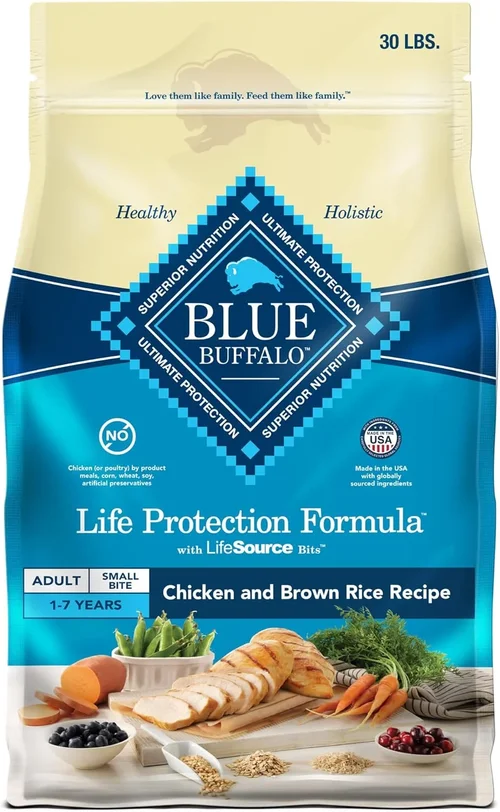
- Mid-Range ($2.00–$4.00 per lb): This is the sweet spot for most pet owners. Brands in this range use named animal proteins, digestible carbs, and natural preservatives. Many are AAFCO-compliant and offer life-stage-specific formulas. Examples include Purina Pro Plan, Blue Buffalo Life Protection, and Iams.
- Premium ($4.00–$7.00 per lb): These foods feature high-quality, often human-grade ingredients, limited fillers, and added supplements like probiotics, omega-3s, and joint support. Brands like Wellness, Taste of the Wild, and Orijen fall here. Ideal for active dogs or those with mild sensitivities.
- Luxury ($7.00+ per lb): Top-tier brands like The Honest Kitchen, Open Farm, and Nom Nom offer fresh, raw, or gently cooked meals with traceable sourcing and minimal processing. These are best for dogs with severe allergies, owners seeking the highest quality, or those willing to pay for convenience and transparency.

Expert Tips for Getting the Best Deal
- Buy in Bulk During Sales: Major retailers like Chewy, Petco, and Amazon offer discounts during holidays (Black Friday, Prime Day) or seasonal promotions. Stock up on 3–6 months’ worth when prices drop.
- Subscribe and Save: Many online retailers offer 5–15% off for auto-delivery subscriptions. This also ensures you never run out.
- Check for Rebates and Coupons: Brands often run promotions through their websites or apps. Sign up for newsletters to get exclusive discounts.
- Compare Unit Prices: Look at cost per pound or per ounce, not just total price. A larger bag may seem expensive but offer better value.
- Read Return Policies: If your dog doesn’t like the food, can you return it? Reputable brands and retailers often accept unopened returns.
- Test Small Bags First: Before committing to a large purchase, buy a small bag or sample pack to see if your dog likes it and tolerates it well.
- Consider Store Brands: Some pet stores (like PetSmart’s Authority or Petco’s WholeHearted) offer high-quality, affordable alternatives to name brands.
- Ask Your Vet for Samples: Many vets keep samples of prescription or therapeutic diets. This lets you try before you buy.

Frequently Asked Questions
Q: Is grain-free dog food better?
A: Not necessarily. While grain-free diets can help dogs with grain allergies, most dogs don’t need them. In fact, the FDA has investigated a potential link between grain-free diets and dilated cardiomyopathy (DCM) in dogs, possibly due to legume-heavy formulations. Unless your vet recommends it, a balanced diet with whole grains (like oats or rice) is perfectly healthy.
Q: Can I mix wet and dry food?
A: Yes! Many owners combine wet and dry food to enhance palatability, increase moisture intake, and add variety. Just adjust portions to avoid overfeeding—wet food is more calorie-dense per volume.
Q: How often should I change my dog’s food?
A: There’s no set rule, but rotating proteins every 3–6 months can reduce allergy risk and provide nutritional diversity. Avoid frequent brand changes unless necessary, as this can upset digestion.
Q: Is raw food safe for dogs?
A: Raw diets can offer benefits like shinier coats and better digestion, but they carry risks of bacterial contamination (Salmonella, E. coli) and nutritional imbalances if not properly formulated. If considering raw, consult a vet or use commercially prepared, balanced raw foods.
Q: How do I know if my dog has a food allergy?
A: Symptoms include itchy skin, ear infections, chronic diarrhea, or vomiting. Food allergies are different from intolerances and often involve proteins like chicken or beef. An elimination diet under vet supervision is the best way to identify triggers.
Q: Can puppies eat adult dog food?
A: No. Puppies need higher levels of protein, fat, calcium, and calories for growth. Adult food lacks these nutrients and can stunt development. Always feed a puppy-specific formula until 12–18 months (longer for large breeds).
Q: What’s the difference between “chicken meal” and “chicken by-product meal”?
A: Chicken meal is rendered, dried chicken tissue (no feathers, beaks, or intestines) and is a concentrated protein source. Chicken by-product meal may include parts like necks, feet, and organs—still usable but less consistent in quality. Both are acceptable, but whole chicken or named meals are preferable.
Q: How much should I feed my dog?
A: Follow the feeding guidelines on the package based on weight and life stage, then adjust based on your dog’s body condition. Use the “hand test”: you should be able to feel ribs without seeing them. If unsure, consult your vet.
Q: Are homemade diets better than commercial food?
A: Homemade diets can be healthy if properly balanced, but they require careful planning to avoid deficiencies. Most owners benefit from using commercial foods as a base and supplementing with fresh ingredients. Always work with a veterinary nutritionist if preparing homemade meals.
Q: What should I do if my dog refuses to eat?
A: First, rule out health issues with a vet visit. If healthy, try warming the food, adding low-sodium broth, or mixing in a small amount of wet food. Avoid frequent treats or table scraps, which can spoil appetite.
Our Final Recommendations
- Best for Budget-Conscious Buyers: Iams ProActive Health – Offers solid nutrition at an affordable price, with real chicken as the first ingredient and AAFCO compliance. Great for healthy adult dogs.
- Best Overall Value: Blue Buffalo Life Protection Formula – Balances quality and cost with high protein, whole grains, and no artificial additives. Available in multiple life stages and flavors.
- Best Premium Option: Wellness CORE Grain-Free – High-protein, limited-ingredient recipe with probiotics and omega fatty acids. Ideal for active dogs or those with sensitivities.
- Best for Beginners: Purina Pro Plan – Trusted brand with clear labeling, vet recommendations, and a wide range of formulas. Easy to find in stores and online.
- Best for Advanced Users: The Honest Kitchen Human-Grade Dehydrated – Made with human-grade ingredients, gently dehydrated to retain nutrients. Requires rehydration but offers unmatched transparency and quality.
Conclusion: Making the Right Choice
Choosing the best dog food brand isn’t about finding the most expensive or trendiest option—it’s about matching your dog’s unique needs with a food that delivers real nutrition, safety, and value. From understanding ingredient labels to recognizing the importance of life stage and digestibility, every decision you make impacts your dog’s health and happiness. Avoid common pitfalls like relying on marketing claims or ignoring feeding guidelines, and always prioritize transparency and AAFCO compliance. Remember, the best diet is one your dog enjoys, digests well, and thrives on for years to come.
Take the time to research, consult your veterinarian, and observe how your dog responds to different foods. Whether you’re feeding a rambunctious puppy, a senior with joint issues, or a picky eater with allergies, there’s a perfect match out there. Use this guide as your roadmap, and don’t be afraid to experiment—within reason—to find what works best. Your dog depends on you for more than love and walks; they rely on you for the fuel that keeps them healthy, energetic, and by your side for as long as possible. Make every meal count.