
When it comes to raising a healthy, happy German Shepherd, few decisions are as critical as choosing the right dog food. As one of the most intelligent, active, and loyal breeds in the canine world, German Shepherds have unique nutritional needs that go far beyond what’s listed on a generic kibble bag. Their rapid growth during puppyhood, high energy levels in adulthood, and susceptibility to joint issues like hip and elbow dysplasia mean that their diet must be carefully tailored to support long-term health, mobility, and vitality.
This comprehensive buying guide is designed to cut through the noise and confusion that often surrounds pet nutrition. With hundreds of brands flooding the market—each claiming to be “the best”—it’s easy for even the most well-intentioned dog owner to feel overwhelmed. Whether you’re a first-time German Shepherd owner or a seasoned handler looking to optimize your dog’s diet, this guide will equip you with expert-level knowledge to make an informed, confident decision. You’ll learn how to evaluate ingredients, understand nutritional labels, avoid common pitfalls, and select a food that aligns with your dog’s life stage, activity level, and health profile.
The dog food industry has evolved dramatically over the past decade, with increasing emphasis on transparency, science-backed formulations, and breed-specific nutrition. Premium brands now offer formulas specifically designed for large breeds, active working dogs, and even senior German Shepherds with sensitive digestion. At the same time, budget-friendly options have improved significantly, making quality nutrition more accessible than ever. This guide will walk you through every step of the decision-making process, from understanding macronutrient ratios to comparing ingredient sourcing and manufacturing standards. By the end, you’ll not only know which brands stand out—but why they matter for your German Shepherd’s health and longevity.

What to Look for When Buying Buying Guide
1. High-Quality Protein Sources
Protein is the cornerstone of any German Shepherd’s diet, especially during their rapid growth phase as puppies and throughout their active adult years. Look for dog foods that list a named animal protein—such as chicken, lamb, beef, or fish—as the first ingredient. Avoid vague terms like “meat meal” or “animal by-product meal,” which can include low-quality or inconsistent sources. Ideally, the protein should be real muscle meat, not just organ meat or connective tissue.
German Shepherds require a protein content of at least 22–26% for adults and up to 28% for puppies and highly active dogs. This supports lean muscle development, immune function, and overall energy. However, it’s important to note that more protein isn’t always better—excessive amounts can strain the kidneys in dogs with pre-existing conditions. Always consult your veterinarian if your dog has health concerns. Additionally, consider the bioavailability of the protein source. For example, chicken and turkey are highly digestible, while some plant-based proteins like soy or corn gluten meal are less efficiently utilized by dogs.
2. Balanced Fat Content for Energy and Coat Health
Fats are a concentrated source of energy and play a vital role in maintaining a shiny coat, healthy skin, and proper brain function. German Shepherds benefit from a fat content of 10–15% in their diet, with higher levels (up to 18%) suitable for working or performance dogs. Look for named fat sources such as chicken fat, salmon oil, or flaxseed oil—these provide essential fatty acids like omega-3 and omega-6.
Omega-3 fatty acids, particularly EPA and DHA found in fish oils, are especially beneficial for reducing inflammation, supporting joint health, and improving cognitive function. German Shepherds are prone to skin allergies and hot spots, so a diet rich in these fatty acids can help minimize irritation and promote healing. Avoid foods with generic “animal fat” or excessive vegetable oils, which may not offer the same nutritional benefits and can contribute to inflammation if unbalanced.
3. Joint Support Ingredients
One of the most significant health concerns for German Shepherds is joint and bone health. Due to their large size and genetic predisposition, they are at high risk for hip and elbow dysplasia, arthritis, and other musculoskeletal issues. Therefore, a high-quality dog food should include ingredients that support joint integrity and reduce inflammation.
Look for formulas that contain glucosamine and chondroitin, which are naturally occurring compounds that help maintain cartilage health. Many premium brands add these as supplements, but they can also be found in whole food sources like chicken feet or green-lipped mussel. Additionally, antioxidants like vitamin E and vitamin C help combat oxidative stress that contributes to joint degeneration. Some diets also include MSM (methylsulfonylmethane) or hyaluronic acid for added joint support.
4. Digestive Health and Fiber Balance
German Shepherds can be prone to sensitive stomachs, gas, and irregular bowel movements, especially during dietary transitions. A food that supports digestive health will include moderate levels of fiber—typically between 3–5%—from both soluble and insoluble sources. Soluble fibers like beet pulp and pumpkin help regulate digestion and feed beneficial gut bacteria, while insoluble fibers like cellulose promote regular bowel movements.
Probiotics are another key ingredient to look for, especially in dogs with a history of gastrointestinal upset. These live microorganisms help maintain a healthy gut microbiome, improve nutrient absorption, and boost immune function. Prebiotics, such as fructooligosaccharides (FOS) and mannan-oligosaccharides (MOS), act as food for probiotics and are often included in high-end formulas. Avoid foods with excessive fillers like corn, wheat, or soy, which can cause digestive irritation and are common allergens in large breeds.
5. Life Stage and Activity Level Appropriateness
Not all dog foods are created equal—what works for a sedentary senior German Shepherd may not meet the needs of a high-drive working dog or a growing puppy. It’s essential to choose a formula that matches your dog’s life stage: puppy, adult, or senior. Puppies require higher levels of protein, fat, and calories to support rapid growth, while seniors benefit from lower-calorie diets with added joint support and joint-friendly nutrients.
Activity level also plays a crucial role. Working German Shepherds—such as police, military, or search-and-rescue dogs—burn significantly more calories and need diets with higher fat and protein content. Conversely, less active or overweight dogs should be fed a formula with controlled calories and added L-carnitine to support fat metabolism. Some brands offer “performance” or “light” versions of their foods, allowing you to fine-tune nutrition based on your dog’s lifestyle.
6. Ingredient Transparency and Sourcing
The quality of ingredients in your dog’s food directly impacts their health, energy, and longevity. Unfortunately, not all brands are transparent about where their ingredients come from or how they’re processed. Look for companies that disclose their sourcing practices, such as using human-grade meats, sustainable fisheries, or certified organic produce.
Avoid brands that use artificial preservatives like BHA, BHT, or ethoxyquin, which have been linked to health concerns in dogs. Instead, opt for natural preservatives like mixed tocopherols (vitamin E) or rosemary extract. Also, be wary of “by-product” meals unless they are clearly defined (e.g., “chicken by-product meal” is acceptable, but “meat by-product meal” is not). The best brands will proudly share information about their manufacturing facilities, quality control processes, and third-party testing.
7. Brand Reputation and Scientific Backing
With so many options on the shelf, brand reputation can be a strong indicator of reliability. Look for companies with a long history of producing high-quality pet food, positive customer reviews, and a commitment to research and development. Brands that employ veterinary nutritionists or partner with universities for clinical trials often have more scientifically sound formulations.
Check whether the food meets the standards set by the Association of American Feed Control Officials (AAFCO). While AAFCO doesn’t “approve” foods, their nutrient profiles ensure that the food provides complete and balanced nutrition for a specific life stage. Some brands go beyond AAFCO by conducting feeding trials, which provide real-world evidence of digestibility and nutritional adequacy. Avoid obscure or boutique brands that lack transparency or scientific validation.
8. Price vs. Value
While it’s tempting to go for the cheapest option, dog food is an investment in your German Shepherd’s health. Lower-priced foods often use fillers, by-products, and synthetic additives to cut costs, which can lead to long-term health issues and higher veterinary bills. That said, you don’t need to buy the most expensive brand to get quality nutrition.
Consider the cost per pound or per feeding, rather than the total price of the bag. Some premium brands may seem costly upfront but require smaller portions due to higher nutrient density, making them more economical over time. Look for value in terms of ingredient quality, digestibility, and health outcomes—not just the sticker price. Many mid-range brands offer excellent nutrition at a reasonable cost, especially when purchased in bulk or during sales.
Different Types of Buying Guide

Common Buying Mistakes to Avoid
❌ Mistake: Choosing Based Solely on Price
Why it’s bad: Opting for the cheapest dog food often means sacrificing ingredient quality, which can lead to poor digestion, dull coat, low energy, and increased vet visits. Low-cost brands frequently use fillers like corn, wheat, and soy, which offer little nutritional value and can trigger allergies in sensitive breeds like German Shepherds.
What to do instead: Focus on value, not just cost. Calculate the price per pound and consider how much you’ll feed per day. A slightly more expensive food with higher digestibility may actually cost less in the long run due to smaller portion sizes and better health outcomes.
❌ Mistake: Ignoring Life Stage Requirements
Why it’s bad: Feeding an adult formula to a growing puppy can stunt development, while giving puppy food to a senior dog may lead to obesity and joint stress. German Shepherd puppies grow rapidly and need higher protein and fat, while seniors require fewer calories and more joint support.
What to do instead: Always match the food to your dog’s life stage. Look for labels that specify “for puppies,” “for adults,” or “for seniors.” Some brands even offer “all life stages” formulas, but these may not be ideal for large breeds due to calcium and phosphorus imbalances.
❌ Mistake: Overlooking Ingredient Order and Quality
Why it’s bad: Ingredients are listed by weight, so the first few items make up the majority of the food. If the first ingredient is a grain or by-product, the food is likely low in quality protein. Vague terms like “meat meal” or “animal fat” can hide poor sourcing.
What to do instead: Read the ingredient list carefully. Prioritize foods where a named meat (e.g., “deboned chicken”) is the first ingredient. Avoid artificial colors, flavors, and preservatives. Use resources like DogFoodAdvisor.com to compare brands and read unbiased reviews.
❌ Mistake: Switching Foods Too Quickly
Why it’s bad: Sudden dietary changes can cause diarrhea, vomiting, and gastrointestinal upset in German Shepherds, who are known for sensitive stomachs. This can lead to dehydration and nutrient loss, especially in puppies or seniors.
What to do instead: Transition gradually over 7–10 days. Start by mixing 25% new food with 75% old food, then increase the ratio every few days until fully switched. Monitor your dog’s stool and energy levels during the transition.
❌ Mistake: Feeding Too Much or Too Little
Why it’s bad: Overfeeding leads to obesity, which exacerbates joint problems and shortens lifespan. Underfeeding can result in malnutrition, low energy, and weakened immunity. German Shepherds are prone to bloat (gastric dilatation-volvulus), so portion control and feeding frequency are critical.
What to do instead: Follow the feeding guidelines on the package, but adjust based on your dog’s weight, activity level, and body condition. Use a measuring cup—never guess. Feed twice daily to reduce bloat risk, and avoid vigorous exercise right before or after meals.
❌ Mistake: Believing Marketing Claims Without Evidence
Why it’s bad: Terms like “natural,” “holistic,” or “premium” are not regulated and can be used misleadingly. A food labeled “grain-free” may still be high in carbohydrates from potatoes or peas, which can contribute to heart issues in some dogs.
What to do instead: Look beyond the front of the bag. Check the ingredient list, guaranteed analysis, and AAFCO statement. Research the brand’s reputation and whether they conduct feeding trials. When in doubt, consult your veterinarian.
❌ Mistake: Neglecting Hydration
Why it’s bad: Dry kibble contains only 10% moisture, which is insufficient for optimal hydration, especially in active or senior dogs. Dehydration can lead to kidney strain, urinary issues, and reduced energy.
What to do instead: Always provide fresh, clean water. Consider adding wet food, bone broth (unsalted), or water to kibble to increase moisture intake. For dogs reluctant to drink, try a pet water fountain or flavored broths.
Budget Guidelines: How Much Should You Spend?
– Entry-Level ($1.00–$2.00/lb): These foods are typically found in grocery stores and big-box retailers. While convenient, they often contain lower-quality proteins, fillers, and artificial additives. Suitable for short-term use or dogs with no health issues, but not recommended for long-term feeding of German Shepherds due to potential digestive and joint concerns.
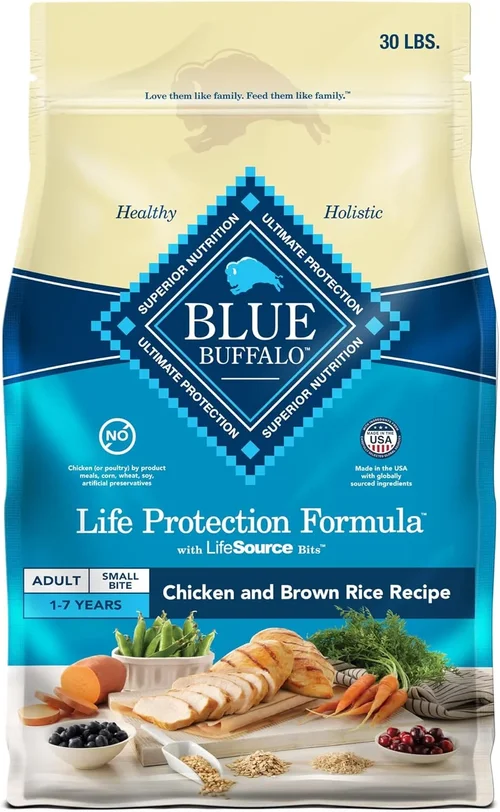
– Mid-Range ($2.00–$3.50/lb): This is the sweet spot for most German Shepherd owners. Brands in this tier offer high-quality ingredients, balanced nutrition, and often include joint support and probiotics. Examples include Wellness CORE, Blue Buffalo Life Protection, and Nutro Ultra. These foods provide excellent value and are widely available online and in pet stores.
– Premium ($3.50–$5.00/lb): Designed for performance, health optimization, and breed-specific needs. These foods use human-grade ingredients, novel proteins (like duck or venison), and advanced supplements. Brands like Orijen, Acana, and Taste of the Wild fall into this category. Ideal for working dogs, show dogs, or those with allergies or sensitivities.
– Luxury ($5.00+/lb): Includes raw, freeze-dried, and custom-formulated diets. These are often sold through specialty retailers or veterinarians and may require refrigeration or special handling. While nutritionally superior, they come with a high price tag and may not be practical for all owners. Best for those willing to invest in cutting-edge nutrition.

Expert Tips for Getting the Best Deal
– Buy During Seasonal Sales: Look for discounts around holidays like Black Friday, Memorial Day, or Amazon Prime Day. Pet food brands often run promotions during these periods, especially on larger bags.
– Compare Online vs. In-Store Prices: Online retailers like Chewy, Petco, and Amazon frequently offer lower prices and free shipping. Use price comparison tools to find the best deal.
– Subscribe and Save: Most online pet stores offer subscription services with discounts of 5–15%. You’ll never run out, and your dog gets consistent nutrition.
– Check for Manufacturer Rebates: Some brands offer mail-in rebates or digital coupons through their websites. Sign up for newsletters to stay informed.
– Read Return Policies: Ensure the retailer allows returns if your dog doesn’t tolerate the food. This is especially important when trying a new brand.
– Ask Your Vet for Samples: Many veterinary clinics receive samples from premium brands. Ask if they have any to try before committing to a full bag.
– Monitor Your Dog’s Response: Keep a journal of your dog’s energy, coat condition, stool quality, and appetite for the first few weeks on a new food. This helps you assess whether the food is truly beneficial.
– Consider Multi-Pack Deals: Buying multiple bags at once often reduces the per-unit cost. Store extra bags in a cool, dry place to maintain freshness.

Frequently Asked Questions
Q: Can German Shepherds eat grain-free food?
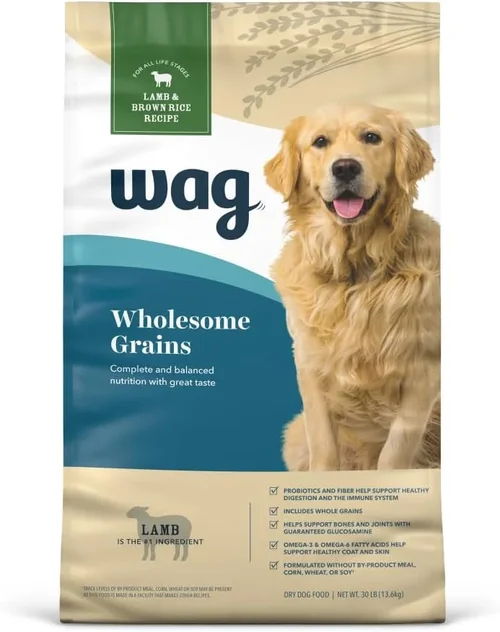
A: Yes, but only if they have a confirmed grain sensitivity. Most German Shepherds do not have grain allergies, and recent studies have linked grain-free diets to an increased risk of dilated cardiomyopathy (DCM) in some dogs due to high legume content. Unless your vet recommends it, a balanced diet with whole grains like brown rice or oats is perfectly safe and often more economical.
Q: How often should I feed my German Shepherd?
A: Puppies under 6 months should be fed 3–4 times daily. Adults do best with two meals per day to reduce the risk of bloat. Always measure portions and avoid free-feeding.
Q: Is raw food safe for German Shepherds?
A: Raw diets can be nutritious but come with risks like bacterial contamination (Salmonella, E. coli) and nutritional imbalances if not properly formulated. If you choose raw, consult a veterinary nutritionist and practice strict hygiene.
Q: How do I know if my German Shepherd is overweight?
A: You should be able to feel your dog’s ribs without seeing them. From above, there should be a visible waist. If your dog looks rounded or you can’t feel the ribs, consult your vet for a weight management plan.
Q: Can I mix different dog foods?
A: Yes, but do so gradually and in moderation. Mixing can help transition foods or add variety, but avoid combining more than two brands to prevent digestive upset.
Q: What should I do if my German Shepherd has food allergies?
A: Symptoms include itching, ear infections, and gastrointestinal issues. Work with your vet to identify triggers through an elimination diet. Common allergens include chicken, beef, dairy, and wheat.
Q: How long does it take to see results from a new diet?
A: Most dogs show improvements in coat, energy, and digestion within 2–4 weeks. Full benefits, especially for joint health, may take 2–3 months.
Q: Is it okay to feed human food as treats?
A: Some human foods are safe in moderation—like plain cooked chicken, carrots, or green beans. Avoid chocolate, grapes, onions, and anything with garlic or xylitol.
Q: Should I add supplements to my dog’s food?
A: Only if recommended by your vet. A high-quality diet should provide all necessary nutrients. Over-supplementing can cause imbalances.
Q: How do I store dog food properly?
A: Keep kibble in its original bag inside an airtight container in a cool, dry place. Use within 6 weeks of opening to prevent rancidity. Freeze raw or wet food if not used immediately.
Our Final Recommendations
– Best for Budget-Conscious Buyers: Blue Buffalo Life Protection Formula Large Breed Adult – Offers real chicken, brown rice, and joint-supporting ingredients at an affordable price. Widely available and trusted by many owners.
– Best Overall Value: Wellness CORE Grain-Free Large Breed – High protein, no fillers, includes glucosamine and probiotics. Excellent digestibility and energy support for active German Shepherds.
– Best Premium Option: Orijen Original – Biologically appropriate with 85% animal ingredients, including fresh and raw meats. Ideal for owners seeking top-tier nutrition and willing to invest in their dog’s long-term health.
– Best for Beginners: Purina Pro Plan Large Breed Adult – Veterinarian-recommended, scientifically backed, and easy to find. Great for first-time owners who want reliability without complexity.
– Best for Advanced Users: Stella & Chewy’s Freeze-Dried Raw Patties – Minimal processing, high in natural enzymes and nutrients. Perfect for owners experienced with raw feeding and looking to maximize bioavailability.
Conclusion: Making the Right Choice
Choosing the best dog food for your German Shepherd is one of the most impactful decisions you’ll make as a pet owner. It’s not just about filling their bowl—it’s about supporting their growth, energy, mobility, and overall well-being for years to come. Throughout this guide, we’ve explored the critical factors that define quality nutrition: from high-protein, digestible ingredients to joint support, life stage appropriateness, and brand transparency.
Remember, there’s no one-size-fits-all solution. Your German Shepherd’s ideal diet depends on their age, activity level, health status, and individual preferences. What works for one dog may not suit another. The key is to stay informed, read labels carefully, and observe how your dog responds to their food. A shiny coat, firm stools, sustained energy, and a happy demeanor are all signs you’re on the right track.
Don’t be swayed by flashy packaging or celebrity endorsements. Instead, rely on science, transparency, and real-world results. Whether you choose a mid-range kibble or a premium raw diet, the best food is one that keeps your German Shepherd thriving—not just surviving. And when in doubt, consult your veterinarian. They can provide personalized advice based on your dog’s unique needs.
Ultimately, feeding your German Shepherd isn’t just a chore—it’s an act of love. By investing time and care into selecting the right nutrition, you’re giving them the foundation for a long, healthy, and joyful life. So take the insights from this guide, weigh your options, and make a choice that honors the loyalty, intelligence, and spirit of one of the world’s most remarkable breeds. Your German Shepherd deserves nothing less.