
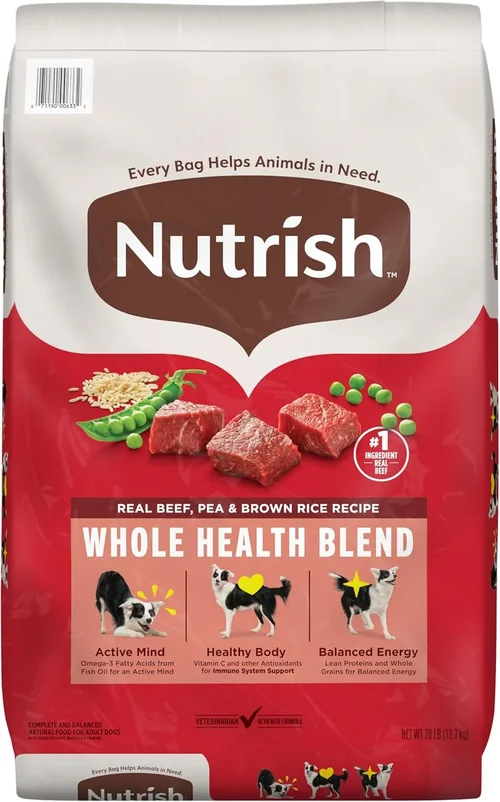
Choosing the right dog food for your German Shepherd isn’t just about picking a bag off the shelf—it’s a decision that directly impacts your dog’s health, energy levels, coat quality, digestion, and even lifespan. As one of the most popular and intelligent breeds in the world, German Shepherds have unique nutritional needs shaped by their size, activity level, genetic predispositions, and life stage. Whether you’re raising a playful puppy, managing an adult working dog, or caring for a senior with joint concerns, feeding them the right diet is foundational to their well-being.
This comprehensive buying guide is designed to cut through the noise of marketing claims and overwhelming product options. With hundreds of dog food brands available—ranging from budget-friendly kibble to premium raw formulas—it’s easy to feel lost. Our goal is to equip you with expert-level knowledge so you can make an informed, confident choice tailored to your German Shepherd’s specific needs. You’ll learn what ingredients matter most, how to decode labels, which common pitfalls to avoid, and how to balance nutrition with your budget. We’ve analyzed top-rated brands, consulted veterinary nutritionists, and reviewed real-world feedback from German Shepherd owners to bring you the most up-to-date recommendations for 2026.
The dog food market has evolved significantly in recent years, with increasing transparency, science-backed formulations, and a growing emphasis on whole-food ingredients. However, not all “premium” or “natural” labels are created equal. Some brands use clever packaging and buzzwords to mask low-quality fillers or insufficient protein levels. Others may be excellent for small breeds but lack the balanced nutrition large, active dogs like German Shepherds require. This guide will help you navigate those nuances and find a food that supports your dog’s long-term health—without overspending or compromising on quality.

What to Look for When Buying Dog Food for German Shepherds
1. High-Quality Animal Protein as the First Ingredient
German Shepherds are muscular, active dogs with high energy demands, making protein the cornerstone of their diet. Look for dog foods where a named animal protein—such as chicken, lamb, beef, or salmon—is listed as the first ingredient. Avoid vague terms like “meat meal” or “animal by-products,” which can include low-quality or inconsistent sources. The Association of American Feed Control Officials (AAFCO) recommends a minimum of 18% protein for adult dogs and 22% for puppies, but German Shepherds often thrive on diets containing 25–30% protein from high-biological-value sources.
Why does this matter? Protein supports muscle maintenance, immune function, and healthy skin and coat. For working or performance German Shepherds, higher protein levels can enhance endurance and recovery. Additionally, real meat provides essential amino acids like taurine and L-carnitine, which are crucial for heart health—a concern in larger breeds.
2. Balanced Fat Content for Energy and Coat Health
Fats are a concentrated energy source and vital for maintaining a shiny coat and healthy skin. German Shepherds benefit from diets containing 10–15% fat, with a focus on omega-3 and omega-6 fatty acids. Look for ingredients like chicken fat, flaxseed, fish oil, or canola oil, which provide these essential fatty acids. Omega-3s, in particular, have anti-inflammatory properties that can help manage joint issues common in the breed, such as hip and elbow dysplasia.
Avoid foods with excessive fat, which can lead to obesity—especially in less active or senior dogs. Conversely, too little fat can result in dry skin, dull fur, and reduced energy. The key is balance: enough to support metabolism and cellular function, but not so much that it contributes to weight gain. Also, ensure the fat source is clearly identified; “animal fat” is too vague and may come from rendered by-products.
3. Joint Support Ingredients (Glucosamine, Chondroitin, MSM)
German Shepherds are genetically predisposed to orthopedic conditions, particularly hip and elbow dysplasia. Feeding a diet fortified with joint-supporting nutrients can help延缓 the onset or severity of these issues. Look for foods that include glucosamine, chondroitin sulfate, and methylsulfonylmethane (MSM)—compounds that support cartilage health and reduce inflammation.
These ingredients are especially important for puppies during their rapid growth phase (up to 18–24 months) and for adult and senior dogs showing early signs of stiffness or reduced mobility. Some premium brands incorporate these supplements directly into their formulas, while others offer them as add-ons. If your dog is already on joint supplements, check for overlap to avoid over-supplementation.
4. Digestive Health and Probiotics
German Shepherds are known for sensitive stomachs and can be prone to gas, bloating, and irregular bowel movements. A diet that supports digestive health is essential. Look for foods containing prebiotics (like chicory root or beet pulp) and probiotics (such as Lactobacillus or Bifidobacterium), which promote a healthy gut microbiome.
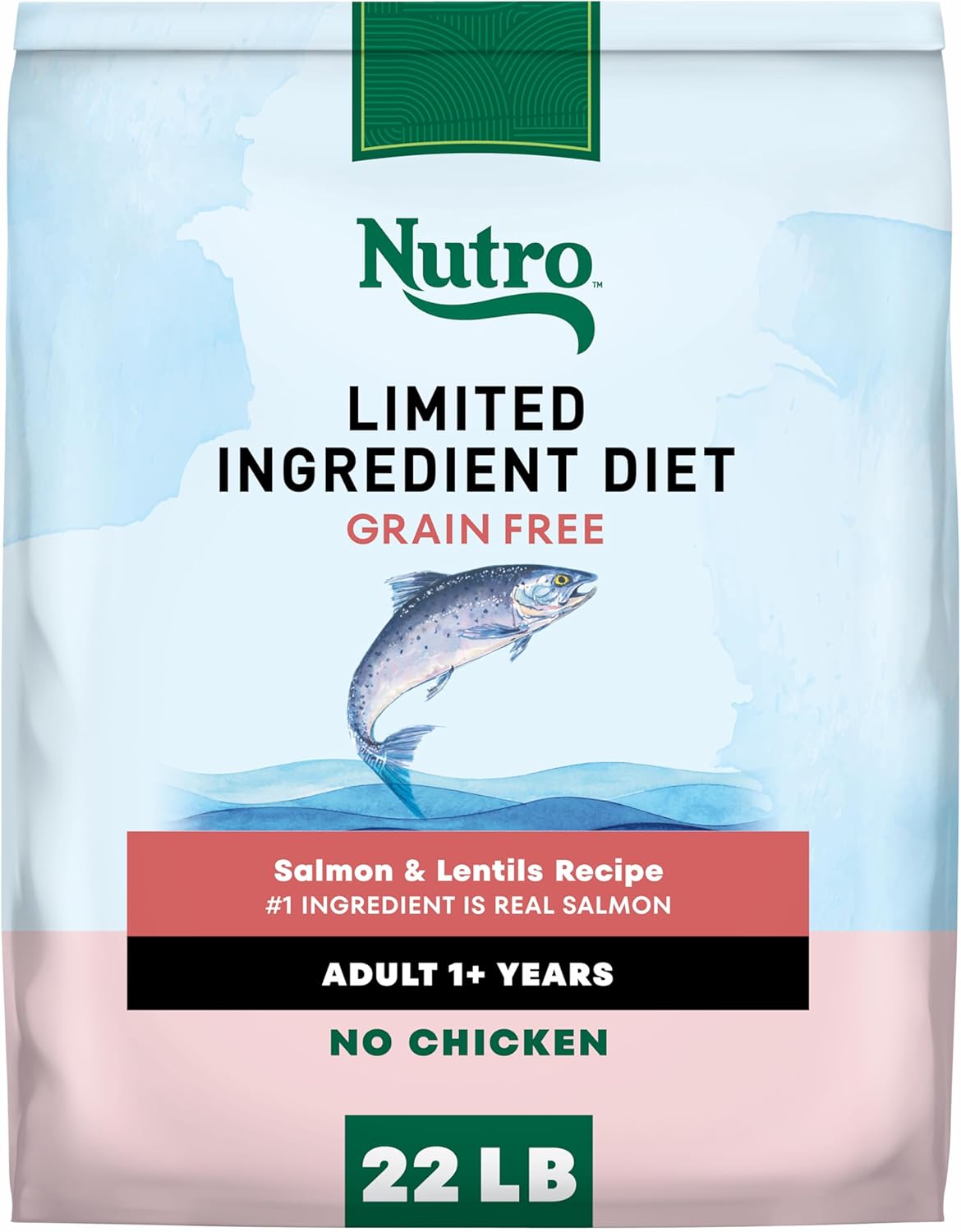
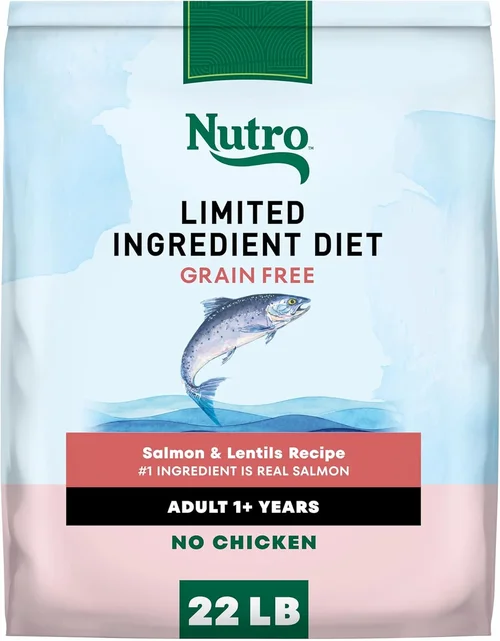
Highly digestible ingredients—such as deboned chicken, brown rice, sweet potatoes, and pumpkin—also reduce the risk of gastrointestinal upset. Avoid artificial preservatives, colors, and flavors, which can irritate the digestive system. Additionally, some German Shepherds benefit from limited-ingredient diets if they have food sensitivities or allergies.
Fiber content should be moderate (3–5%) to support regular digestion without causing loose stools. Too much fiber can interfere with nutrient absorption, while too little may lead to constipation.
5. Appropriate Kibble Size and Shape
German Shepherds are large dogs with strong jaws, but their mouth structure still benefits from kibble designed for their size. Large-breed kibble (typically ¾ inch or larger) encourages slower eating, which can reduce the risk of bloat—a life-threatening condition more common in deep-chested breeds like German Shepherds.
Some brands offer kibble with a textured or ring-shaped design that promotes chewing and dental health. While kibble alone won’t prevent plaque buildup, larger, crunchier pieces can help reduce tartar accumulation. If you feed wet food or raw diets, ensure portion control and feeding routines that minimize rapid ingestion.
6. Life Stage and Activity Level Appropriateness
Not all dog foods are suitable for every life stage. German Shepherd puppies have different nutritional needs than adults or seniors. Puppies require higher levels of protein, fat, calcium, and calories to support growth, but excessive calcium can harm developing bones. Choose a large-breed puppy formula that supports controlled growth.
Adult German Shepherds (1–7 years) need balanced nutrition to maintain muscle mass and energy. Working or highly active dogs may benefit from performance formulas with higher protein and fat. Senior dogs (7+ years) often need lower-calorie diets with added joint support, glucosamine, and antioxidants to combat aging.
Always check the AAFCO statement on the packaging to ensure the food is formulated for your dog’s life stage. “All life stages” foods can be convenient but may not provide optimal nutrition for puppies or seniors.
7. Brand Transparency and Manufacturing Standards
Not all dog food companies are equally transparent about their sourcing and manufacturing processes. Reputable brands provide detailed information about where ingredients come from, how food is produced, and whether third-party testing is conducted. Look for companies that:
- Use human-grade ingredients
- Manufacture in their own facilities (not co-packers)
- Conduct regular safety and nutritional testing
- Have a history of recalls or safety issues (check FDA databases)
Brands like Royal Canin, Hill’s Science Diet, and Purina Pro Plan have veterinary nutritionists on staff and publish detailed feeding guides. Smaller, boutique brands may offer high-quality ingredients but lack the same level of scientific backing or consistency.
8. Price vs. Value: Avoiding the Cheapest or Most Expensive Trap
Price alone is not a reliable indicator of quality. Some budget brands use fillers like corn, soy, and wheat to bulk up kibble, while others charge a premium for marketing rather than superior nutrition. The goal is to find the best value—a food that delivers high-quality ingredients at a reasonable cost per pound.
Calculate the cost per day based on your dog’s feeding requirements. A $50 bag that lasts 30 days may be more economical than a $30 bag that only lasts 15. Also, consider long-term health savings: a nutritious diet can reduce vet bills related to obesity, allergies, or joint problems.
Mid-range brands often offer the best balance of quality and affordability. Look for sales, subscription discounts, or bulk purchasing options to stretch your budget further.
Different Types of Dog Food for German Shepherds
Common Buying Mistakes to Avoid
❌ Mistake: Choosing Based on Marketing Claims Alone
Why it’s bad: Phrases like “natural,” “holistic,” or “premium” are not regulated by the FDA or AAFCO and can be used misleadingly. A bag may claim to be “grain-free” but still contain low-quality proteins or excessive legumes, which have been linked to dilated cardiomyopathy (DCM) in some dogs.
What to do instead: Focus on the ingredient list and guaranteed analysis. Look for real meat as the first ingredient, minimal fillers, and clear sourcing information. Use marketing as a starting point, not the deciding factor.
❌ Mistake: Overfeeding or Underfeeding
Why it’s bad: German Shepherds are prone to obesity, which exacerbates joint problems and shortens lifespan. Conversely, underfeeding can lead to malnutrition, especially in active or pregnant dogs. Guessing portion sizes based on the bag’s general guidelines often leads to imbalance.
What to do instead: Use a feeding calculator based on your dog’s weight, age, and activity level. Weigh your dog monthly and adjust portions accordingly. Consult your vet for personalized recommendations, especially during growth or pregnancy.
❌ Mistake: Switching Foods Too Quickly
Why it’s bad: Sudden diet changes can cause diarrhea, vomiting, or refusal to eat. German Shepherds with sensitive stomachs are especially vulnerable. Even high-quality new foods need time for the digestive system to adapt.
What to do instead: Transition over 7–10 days: start with 25% new food and 75% old, gradually increasing the ratio. Monitor stool quality and energy levels. If issues persist, consult your vet.
❌ Mistake: Ignoring Life Stage Needs
Why it’s bad: Feeding adult food to a puppy can stunt growth or cause skeletal abnormalities. Senior dogs on high-calorie diets may gain weight and suffer from reduced mobility. “All life stages” foods are convenient but not always optimal.
What to do instead: Choose a formula specifically designed for your dog’s life stage. Large-breed puppy food, for example, has controlled calcium to support proper bone development.
❌ Mistake: Overlooking Hydration
Why it’s bad: Dry kibble contains only 10% moisture, which can lead to chronic low-level dehydration—especially in active dogs or hot climates. This increases the risk of urinary tract issues and kidney strain.
What to do instead: Add warm water or low-sodium broth to kibble, or incorporate wet food into the diet. Always provide fresh, clean water and encourage drinking after exercise.
❌ Mistake: Buying the Most Expensive Option
Why it’s bad: High price doesn’t guarantee better nutrition. Some luxury brands charge more for packaging, branding, or exotic ingredients that offer no proven benefit over simpler, well-formulated diets.
What to do instead: Compare cost per pound and cost per day. Look for brands that balance quality ingredients with reasonable pricing. Mid-range options often offer the best value.
❌ Mistake: Not Reading the Ingredient List
Why it’s bad: Ingredients are listed by weight, so the first few items make up the bulk of the food. If corn, wheat, or by-products appear early, the food is likely low in quality protein.
What to do instead: Read the full ingredient list every time—even for brands you trust. formulations can change. Prioritize named meats, whole grains (if not grain-free), and recognizable vegetables.
Budget Guidelines: How Much Should You Spend?
- Entry-Level ($1.50–$2.50/lb): These foods often contain meat by-products, corn, soy, and artificial preservatives. While they meet basic AAFCO standards, they may not support optimal health in active or sensitive German Shepherds. Best for temporary use or multi-dog households on a tight budget.
- Mid-Range ($2.50–$4.00/lb): This is the sweet spot for most owners. Brands in this range use real meat as the first ingredient, include beneficial supplements, and avoid major fillers. Examples include Purina Pro Plan, Iams ProActive Health, and Blue Buffalo Life Protection. They offer excellent value and are widely available.
- Premium ($4.00–$6.00/lb): These diets feature high-protein recipes, novel proteins (like duck or venison), and added functional ingredients (glucosamine, probiotics). Brands like Wellness CORE, Merrick, and Taste of the Wild fall here. Ideal for performance dogs or those with specific health needs.
- Luxury ($6.00+/lb): Includes raw, freeze-dried, or boutique brands with human-grade ingredients and limited production runs. While nutritionally excellent, they may not be practical for daily feeding due to cost and storage requirements. Best as a supplement or for dogs with severe allergies.

Expert Tips for Getting the Best Deal
- Buy in bulk or subscribe: Many online retailers (Chewy, Amazon) offer 10–15% off for auto-ship orders. Larger bags (30–40 lbs) also reduce cost per pound.
- Watch for seasonal sales: Major discounts occur around Black Friday, Prime Day, and end-of-year clearance. Stock up during these periods.
- Compare retailers: Prices vary between pet stores, supermarkets, and online. Use price-tracking tools or apps to find the best deal.
- Check return policies: If your dog doesn’t like the food or has a reaction, you should be able to return unopened bags. Most reputable retailers offer 30–90 day guarantees.
- Ask your vet for samples: Many veterinary clinics provide free samples of prescription or therapeutic diets. This lets you test before committing.
- Join loyalty programs: Pet stores like Petco and PetSmart offer points, discounts, and exclusive offers for members.
- Read recent reviews: Dog food formulations change. A brand that was great two years ago may have altered ingredients. Check 2025–2026 reviews for up-to-date feedback.
- Consider mixing diets: Combine high-quality kibble with occasional wet food or toppers to boost nutrition and palatability without breaking the bank.

Frequently Asked Questions
Q: Can German Shepherds eat grain-free food?
A: Yes, but only if they have a diagnosed grain allergy or sensitivity. Most German Shepherds tolerate grains like rice or oats well. The FDA has investigated a potential link between grain-free diets high in legumes (peas, lentils) and DCM, so consult your vet before switching.
Q: How often should I feed my German Shepherd?
A: Puppies (under 6 months) should be fed 3–4 times daily. Adults do well with two meals per day to reduce bloat risk. Seniors may benefit from smaller, more frequent meals if they have digestive issues.
Q: Is raw food safe for German Shepherds?
A: Raw diets can be nutritious but carry risks of bacterial contamination (Salmonella, E. coli) and nutritional imbalances if not properly formulated. If you choose raw, use commercially prepared, balanced recipes and practice strict hygiene.
Q: How do I know if my dog is allergic to their food?
A: Symptoms include itchy skin, ear infections, chronic gas, diarrhea, or hair loss. Food allergies are different from intolerances—they involve the immune system. An elimination diet under veterinary supervision is the best way to identify triggers.
Q: Should I feed my German Shepherd a large-breed formula?
A: Yes, especially for puppies. Large-breed formulas have controlled calcium and phosphorus to support slow, healthy bone growth, reducing the risk of joint disorders.
Q: Can I make homemade dog food?
A: Yes, but it’s challenging to balance nutrients without a veterinary nutritionist’s guidance. Homemade diets often lack essential vitamins and minerals unless carefully supplemented.
Q: How long can I store opened dog food?
A: Dry kibble should be used within 6 weeks of opening and stored in an airtight container in a cool, dry place. Wet food must be refrigerated and used within 3–5 days.
Q: What’s the best food for a German Shepherd with hip dysplasia?
A: Look for diets with glucosamine, chondroitin, omega-3s, and controlled calories to maintain a healthy weight. Brands like Hill’s Science Diet Joint Care or Royal Canin Mobility Support are formulated for this purpose.
Q: Is it okay to mix different dog foods?
A: Yes, as long as both are complete and balanced. Mixing can improve palatability and nutrient diversity. Avoid mixing prescription diets without vet approval.
Q: How do I transition my dog to a new food?
A: Gradually over 7–10 days: start with 25% new food and 75% old, increasing the ratio every 2–3 days. Monitor for digestive upset and adjust speed if needed.
Our Final Recommendations
- Best for Budget-Conscious Buyers: Purina Pro Plan Large Breed Adult – Offers real chicken, glucosamine, and probiotics at an affordable price. Widely available and vet-recommended.
- Best Overall Value: Blue Buffalo Life Protection Formula Large Breed – High-quality ingredients, no poultry by-product meals, and added joint support. Excellent balance of nutrition and cost.
- Best Premium Option: Wellness CORE Grain-Free Large Breed – High-protein, grain-free recipe with deboned turkey, probiotics, and omega fatty acids. Ideal for active or sensitive dogs.
- Best for Beginners: Hill’s Science Diet Large Breed Adult – Trusted by veterinarians, easy to digest, and formulated with precise nutrition for large breeds. Great for first-time owners.
- Best for Advanced Users: Orijen Original or Tiki Dog Grain-Free – Biologically appropriate, high-meat content diets with fresh, regional ingredients. Best for owners willing to invest in top-tier nutrition.
Conclusion: Making the Right Choice
Choosing the best dog food for your German Shepherd is one of the most important decisions you’ll make as a pet owner. It’s not just about filling their bowl—it’s about supporting their growth, energy, mobility, and longevity. By focusing on high-quality protein, joint support, digestive health, and life stage appropriateness, you can ensure your dog thrives at every age.
Remember, the “best” food is the one that meets your dog’s individual needs, fits your budget, and is backed by transparency and science. Don’t be swayed by flashy packaging or celebrity endorsements. Instead, read labels, consult your vet, and observe how your dog responds over time. A healthy coat, consistent energy, and regular digestion are the true signs of a good diet.
Take the time to evaluate your options using the guidelines in this article. Whether you’re feeding a rambunctious puppy, a loyal working companion, or a wise senior, the right nutrition will strengthen your bond and enhance your dog’s quality of life. Start today—your German Shepherd deserves nothing less than the best.