
Huskies are more than just strikingly beautiful dogs with icy blue eyes and wolf-like features—they’re high-energy, intelligent, and hardy working breeds originally bred for endurance in harsh Arctic conditions. Whether you’re raising a playful Siberian Husky puppy or caring for an active adult or senior, one of the most critical decisions you’ll make as a pet parent is choosing the right dog food. With hundreds of brands flooding the market, each claiming to be “the best,” it’s easy to feel overwhelmed. But the truth is, not all dog foods are created equal—especially when it comes to meeting the unique nutritional needs of a Husky.
This comprehensive guide is designed to cut through the noise and help you make an informed, confident decision about your Husky’s diet in 2026. We’ll explore the essential factors that influence food quality, compare different types of dog food formulations, highlight common pitfalls to avoid, and provide expert-backed recommendations tailored to various budgets and lifestyles. Whether you’re feeding a growing puppy, a performance-driven sled dog, or a laid-back family pet, this guide will equip you with the knowledge to choose a diet that supports your Husky’s health, energy, coat, digestion, and longevity.
The dog food industry has evolved dramatically over the past decade, with increasing transparency, scientific research, and consumer demand for high-quality ingredients. Premium brands now emphasize biologically appropriate nutrition, minimally processed proteins, and functional additives like probiotics and omega fatty acids. At the same time, budget-friendly options have improved significantly, offering better value than ever before. However, marketing claims can be misleading—terms like “natural,” “grain-free,” or “premium” aren’t always regulated or meaningful. That’s why understanding what truly matters in a dog food formula is crucial. By the end of this guide, you’ll know exactly what to look for, how to read labels like a pro, and which brands consistently deliver on quality and results for Huskies.

What to Look for When Buying Buying Guide
1. High-Quality Animal Protein as the First Ingredient
Huskies are active, muscular dogs with high metabolic demands, especially if they’re used for sledding, hiking, or agility training. Their bodies thrive on animal-based protein, which provides essential amino acids necessary for muscle maintenance, immune function, and energy production. When evaluating dog food, always check the ingredient list: the first ingredient should be a named animal protein such as chicken, turkey, lamb, salmon, or beef—not a by-product, meal without a species name (e.g., “poultry meal”), or plant-based filler like corn or soy.
Look for foods where real meat constitutes a significant portion of the formula. For example, “deboned chicken” or “fresh salmon” indicates higher moisture content and better digestibility than rendered meals. While meat meals (like “chicken meal”) are concentrated sources of protein and acceptable, they should still be species-specific and not listed before the primary meat source. A good rule of thumb: if the first three ingredients are all animal proteins, you’re on the right track.
2. Balanced Fat Content for Energy and Coat Health
Fats are a concentrated energy source, especially important for high-energy breeds like Huskies. They also play a vital role in maintaining a shiny, healthy coat and supporting skin integrity. The ideal dog food for Huskies should contain moderate to high levels of fat, typically between 15% and 20% on a dry matter basis. Look for named fat sources such as chicken fat, salmon oil, or flaxseed oil, which provide essential fatty acids like omega-3 and omega-6.
Omega-3 fatty acids, particularly EPA and DHA from fish oil, help reduce inflammation, support brain health, and improve coat condition. Huskies are prone to dry skin and dull fur, especially in cold or dry climates, so a diet rich in these nutrients can make a noticeable difference. Avoid foods that rely heavily on plant-based oils like corn or soybean oil, as they offer less bioavailable omega-3s and may contribute to inflammation over time.
3. Digestible Carbohydrates and Fiber
While Huskies don’t require large amounts of carbohydrates, they do benefit from moderate levels of digestible carbs for sustained energy and gut health. The key is choosing the right kind of carbohydrates—those that are easily broken down and provide fiber without spiking blood sugar. Ideal sources include sweet potatoes, peas, lentils, brown rice, and oats. These ingredients offer complex carbs, fiber, and additional nutrients like vitamin A and potassium.
Avoid foods with excessive fillers like corn, wheat, or soy, which are harder to digest and may trigger allergies or sensitivities in some Huskies. Grain-free diets have gained popularity, but they’re not necessarily better—unless your dog has a diagnosed grain allergy. In fact, some grain-free formulas use legumes (like peas and lentils) as primary ingredients, which have been linked to potential heart issues (DCM) in certain dogs. Always prioritize digestibility and balance over trendy labels.
4. Life Stage and Activity Level Appropriateness
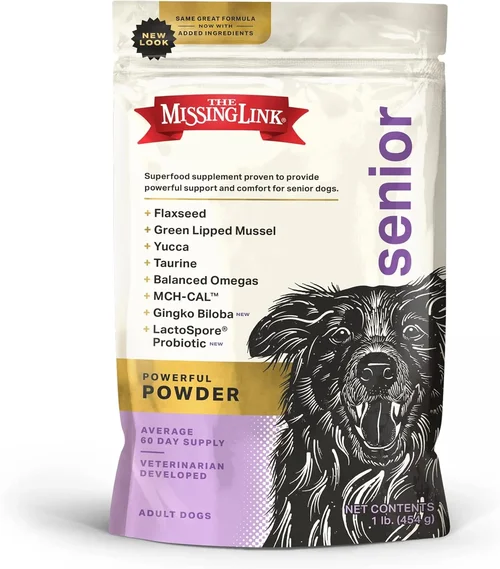
Not all dog foods are suitable for every life stage or activity level. Huskies have different nutritional needs depending on whether they’re puppies, adults, seniors, or working dogs. Puppies require higher protein and fat levels to support rapid growth, while adults need maintenance formulas that prevent weight gain without sacrificing energy. Senior Huskies benefit from lower-calorie diets with joint-supporting supplements like glucosamine and chondroitin.
Working or highly active Huskies—such as those used in sledding or competitive sports—need calorie-dense foods with increased protein and fat to fuel their endurance. Conversely, less active or indoor Huskies may require lighter formulas to avoid obesity. Always choose a food labeled for your dog’s specific life stage (e.g., “puppy,” “adult,” “senior”) and consider activity level when selecting calorie content. Overfeeding high-calorie food to a sedentary dog can lead to weight gain and related health issues.
5. Ingredient Transparency and Sourcing
One of the most telling signs of a high-quality dog food brand is transparency. Reputable companies clearly list all ingredients, avoid vague terms like “meat by-products” or “animal digest,” and provide information about where their ingredients are sourced. Look for brands that use human-grade or restaurant-grade meats, and those that avoid artificial preservatives, colors, and flavors.
Check whether the brand conducts feeding trials or follows AAFCO (Association of American Feed Control Officials) guidelines. While AAFCO doesn’t approve individual products, it sets nutritional standards that reputable brands adhere to. Also, consider whether the food is manufactured in facilities that follow strict safety protocols. Brands that publish third-party testing results or have certifications (like USDA organic or Non-GMO Project) often demonstrate higher accountability.
6. Probiotics and Digestive Support
Digestive health is crucial for nutrient absorption and overall well-being. Huskies, like many breeds, can be prone to sensitive stomachs or food intolerances. Diets that include live probiotics (such as Lactobacillus or Bifidobacterium strains) help maintain a healthy gut microbiome, improve stool quality, and reduce gas or diarrhea.
Prebiotics like fructooligosaccharides (FOS) and mannan-oligosaccharides (MOS) feed beneficial gut bacteria and enhance immune function. Some premium formulas also include digestive enzymes to aid in breaking down proteins, fats, and carbs. If your Husky has a history of digestive issues, look for foods that explicitly list these functional ingredients on the label.
7. No Artificial Additives or Fillers
Artificial preservatives like BHA, BHT, and ethoxyquin have been linked to health concerns in dogs, including liver damage and cancer. Similarly, synthetic colors and flavors offer no nutritional benefit and may trigger allergic reactions. Avoid foods that contain these additives—opt instead for natural preservatives like mixed tocopherols (vitamin E), rosemary extract, or vitamin C.
Fillers such as corn gluten meal, brewers rice, or cellulose provide little nutritional value and are often used to bulk up kibble. While small amounts of fiber are beneficial, excessive fillers can dilute the food’s overall quality. A high-quality Husky food should prioritize nutrient density over volume.
8. Brand Reputation and Customer Feedback
Not all brands are created equal, even if their labels look similar. Research the company’s history, manufacturing practices, and recall record. Brands with a long-standing reputation for quality—such as those that have never had a major recall—are generally safer bets. Read customer reviews on trusted platforms like Chewy, Amazon, or independent pet forums, but be cautious of fake or incentivized reviews.
Look for consistent feedback about coat improvement, energy levels, digestion, and palatability. If multiple owners report that their Huskies have shiny coats, firm stools, and high energy on a particular food, that’s a strong indicator of effectiveness. Also, consider whether the brand offers customer support, feeding guides, and satisfaction guarantees.
Different Types of Buying Guide

Common Buying Mistakes to Avoid

❌ Mistake: Choosing Based Solely on Price
Why it’s bad: While budget is important, the cheapest dog food often contains low-quality proteins, fillers, and artificial additives that can lead to poor coat condition, digestive issues, and long-term health problems. Huskies fed inferior diets may require more veterinary care over time, offsetting any initial savings.
What to do instead: Focus on value, not just cost. Calculate the cost per pound or per feeding, and compare ingredient quality. A mid-range food with high-quality ingredients often provides better nutrition and fewer health issues than a budget brand.
❌ Mistake: Falling for “Grain-Free” Hype
Why it’s bad: Grain-free diets are not inherently healthier. In fact, the FDA has investigated a potential link between grain-free diets high in legumes and dilated cardiomyopathy (DCM) in dogs. Most Huskies don’t have grain allergies, and whole grains like oats and brown rice can be beneficial sources of fiber and energy.
What to do instead: Choose a diet with digestible carbohydrates, whether or not it contains grains. If your Husky has a diagnosed grain allergy, work with your vet to find a safe alternative.
❌ Mistake: Ignoring Feeding Guidelines
Why it’s bad: Overfeeding is a common cause of obesity in Huskies, which can lead to joint problems, diabetes, and reduced lifespan. Underfeeding, especially in active dogs, can result in low energy and muscle loss.
What to do instead: Follow the feeding chart on the bag as a starting point, then adjust based on your dog’s weight, activity level, and body condition. Use a measuring cup—never free-feed unless advised by a vet.
❌ Mistake: Switching Foods Too Quickly
Why it’s bad: Sudden diet changes can cause diarrhea, vomiting, or refusal to eat. Huskies with sensitive stomachs are especially prone to digestive upset.
What to do instead: Transition over 7–10 days by gradually increasing the new food and decreasing the old. Start with 25% new food and 75% old, then move to 50/50, then 75/25, before fully switching.
❌ Mistake: Not Reading the Ingredient List
Why it’s bad: Marketing claims like “natural” or “premium” don’t guarantee quality. Some foods list meat first but follow it with multiple fillers or by-products, diluting the nutritional value.
What to do instead: Always read the full ingredient list. Look for named meats, minimal fillers, and natural preservatives. Use resources like DogFoodAdvisor.com to compare brands.
❌ Mistake: Overlooking Hydration Needs
Why it’s bad: Dry kibble contains only 10% moisture, which may not be enough for active or senior Huskies, especially in dry climates. Dehydration can lead to kidney issues and urinary problems.
What to do instead: Add warm water or low-sodium broth to kibble, or incorporate wet food into the diet. Always provide fresh, clean water.
❌ Mistake: Sticking to One Brand Forever
Why it’s bad: Dogs can develop sensitivities to ingredients over time. Rotating proteins (e.g., chicken, lamb, fish) can reduce the risk of allergies and provide nutritional variety.
What to do instead: Rotate between 2–3 high-quality brands or protein sources every few months, ensuring each meets AAFCO standards.
Budget Guidelines: How Much Should You Spend?
- Entry-Level ($25–$40 per 30 lb bag): These foods often use by-product meals, corn, and soy as primary ingredients. While they meet basic AAFCO standards, they may lack optimal nutrition for active Huskies. Best for low-activity dogs or temporary use.
- Mid-Range ($45–$65 per 30 lb bag): This is the sweet spot for most Husky owners. These foods feature named meats, digestible carbs, and added supplements like omega fatty acids and probiotics. Brands like Wellness, Taste of the Wild, and Nutro fall into this category.
- Premium ($70–$90 per 30 lb bag): Designed for performance and health, these foods use human-grade ingredients, novel proteins, and advanced formulations. Ideal for working dogs, puppies, or those with sensitivities. Examples include Orijen, Acana, and Fromm.
- Luxury ($90+ per 30 lb bag or $100+/month for raw): Top-tier options like raw diets, freeze-dried, or custom-formulated meals. These offer the highest ingredient quality and minimal processing but require more time, storage, and budget.

Expert Tips for Getting the Best Deal
- Buy During Seasonal Sales: Major retailers like Chewy, Petco, and Amazon offer discounts during holidays, back-to-school, and end-of-season promotions. Sign up for newsletters to get early alerts.
- Use AutoShip Programs: Chewy’s Autoship and Amazon Subscribe & Save offer discounts (up to 15%) and free shipping. You can pause or cancel anytime.
- Compare Unit Prices: Don’t just look at the total price—check the cost per pound or per feeding. A larger bag may seem expensive but offer better value.
- Check for Rebates and Coupons: Brands like Purina and Hill’s often run mail-in rebates. Use apps like Ibotta or Fetch Rewards for cash back on pet food purchases.
- Read Return Policies: Ensure the retailer allows returns if your dog doesn’t like the food. Chewy, for example, offers a 100% satisfaction guarantee.
- Ask Your Vet for Samples: Many vets keep samples of prescription or therapeutic diets. This lets you test a food before committing.
- Join Breed-Specific Forums: Husky owners often share deals, brand recommendations, and feeding tips on platforms like Reddit’s r/huskies or Facebook groups.
- Consider Subscription Boxes: Services like The Farmer’s Dog or Nom Nom deliver fresh, customized meals with discounts for first-time customers.

Frequently Asked Questions
Q: Can Huskies eat grain-free food?
A: Yes, but it’s not necessary unless your dog has a diagnosed grain allergy. Most Huskies tolerate grains well, and whole grains provide beneficial fiber and energy. Focus on overall ingredient quality rather than grain-free labels.
Q: How much should I feed my Husky?
A: Adult Huskies typically need 1.5 to 2.5 cups of high-quality dry food per day, split into two meals. Puppies and active dogs may require more. Always follow the feeding guide and adjust based on weight and activity.
Q: Is raw food safe for Huskies?
A: Raw diets can be safe if properly balanced and handled hygienically. However, they require careful planning to avoid nutritional deficiencies or bacterial contamination. Consult your vet before switching.
Q: How often should I change my Husky’s food?
A: You don’t need to change food regularly unless your dog shows signs of intolerance or you’re rotating proteins. Sudden changes can upset digestion, so transition slowly.
Q: What are signs of a good dog food?
A: Look for firm stools, shiny coat, high energy, healthy weight, and good appetite. If your Husky has frequent gas, diarrhea, or dull fur, the food may not be suitable.
Q: Can I mix wet and dry food?
A: Absolutely! Mixing wet and dry food can improve palatability, increase moisture intake, and provide variety. Just adjust portions to avoid overfeeding.
Q: Are supplements necessary?
A: If you’re feeding a complete, balanced diet, most supplements aren’t needed. However, omega-3 supplements (like fish oil) can benefit coat and joint health, especially in older Huskies.
Q: What about puppy food for adult Huskies?
A: Puppy food is higher in calories and fat, which can lead to obesity in adult dogs. Use it only if recommended by your vet for underweight or highly active Huskies.
Q: How do I know if my Husky has a food allergy?
A: Symptoms include itching, ear infections, diarrhea, or chronic gas. Work with your vet to conduct an elimination diet using a novel protein (like duck or venison) to identify triggers.
Q: Is it okay to feed table scraps?
A: Avoid feeding human food, especially fatty, salty, or spicy items. Some safe options include plain cooked chicken, carrots, or green beans—but keep treats under 10% of daily calories.
Our Final Recommendations
- Best for Budget-Conscious Buyers: Taste of the Wild Pacific Stream – Offers high protein (salmon-based), digestible grains, and added probiotics at an affordable price. Great for active Huskies on a budget.
- Best Overall Value: Wellness CORE Grain-Free Original – Balanced nutrition with deboned turkey, chicken meal, and omega fatty acids. No fillers or artificial additives. Consistently praised for coat and energy improvements.
- Best Premium Option: Orijen Original – Biologically appropriate with 85% animal ingredients, including fresh meats and organs. Ideal for performance dogs and those with sensitivities.
- Best for Beginners: Blue Buffalo Life Protection Formula – Easy to find, widely available, and formulated with real chicken, brown rice, and LifeSource Bits for antioxidants. A reliable choice for first-time Husky owners.
- Best for Advanced Users: The Farmer’s Dog – Fresh, human-grade meals customized to your dog’s needs. Delivered weekly with feeding guidelines. Perfect for owners who want full control and transparency.
Conclusion: Making the Right Choice
Choosing the right dog food for your Husky is one of the most impactful decisions you’ll make as a pet parent. It affects everything from their energy levels and coat shine to their digestion, immunity, and lifespan. While the market offers endless options, the key is to focus on quality, balance, and suitability for your dog’s unique needs. Prioritize high-quality animal protein, healthy fats, digestible carbs, and functional additives—while avoiding misleading marketing claims and harmful fillers.
Remember, the best food is one that your Husky thrives on, not just one that looks good on the shelf. Pay attention to how your dog responds: Are they energetic? Is their coat glossy? Are their stools firm? These are real-world indicators of nutritional success. Don’t be afraid to experiment within safe boundaries, and always consult your veterinarian when making significant dietary changes—especially for puppies, seniors, or dogs with health conditions.
Ultimately, feeding your Husky isn’t just about sustenance—it’s an act of love and responsibility. By investing time in understanding their nutritional needs and choosing a food that supports their active lifestyle, you’re setting them up for a long, healthy, and happy life by your side. Use this guide as your roadmap, trust your instincts, and enjoy the journey of raising a vibrant, well-nourished Husky in 2026 and beyond.