
Choosing the right dog food for your furry companion is one of the most important decisions you’ll make as a pet parent. It directly impacts your dog’s energy levels, coat health, digestion, immune function, and even lifespan. With thousands of brands, formulas, and marketing claims flooding the market, it’s easy to feel overwhelmed. One brand promises “grain-free superfood blends,” another touts “vet-recommended nutrition,” and a third claims to use “human-grade ingredients.” But how do you separate fact from fiction? How do you know what’s truly best for your dog’s unique needs?
This comprehensive buying guide is designed to cut through the noise and give you the expert-level knowledge you need to make a confident, informed decision. Whether you’re feeding a tiny Chihuahua puppy, a senior Golden Retriever with joint issues, or an active Border Collie who spends hours herding sheep, this guide will walk you through every critical factor—from ingredient quality and life stage appropriateness to budget considerations and brand transparency. By the end, you’ll not only understand what makes a high-quality dog food but also how to match that food to your dog’s specific health profile, lifestyle, and dietary requirements.
The dog food industry has exploded in recent years, driven by rising pet ownership, increased awareness of pet nutrition, and a growing demand for premium, natural, and specialized diets. According to the American Pet Products Association (APPA), U.S. pet owners spent over $58 billion on pet food and treats in 2023, with premium and specialized diets accounting for a significant portion of that growth. This surge has led to innovation—but also confusion. New brands emerge weekly, each claiming to be the “cleanest,” “most natural,” or “scientifically proven” option. Meanwhile, regulatory oversight remains limited; the Association of American Feed Control Officials (AAFCO) sets nutritional guidelines, but compliance is voluntary, and labeling can be misleading. That’s why it’s more important than ever to arm yourself with knowledge. This guide will help you navigate the crowded marketplace, avoid common pitfalls, and choose a dog food that supports your dog’s long-term health and happiness.

What to Look for When Buying Dog Food
1. Ingredient Quality & Sourcing
The first rule of choosing dog food is to read the ingredient list—not the marketing on the front of the bag. High-quality dog food should list a named animal protein as the first ingredient, such as “chicken,” “salmon,” or “lamb,” not vague terms like “meat meal” or “poultry by-product.” Whole meats are ideal, but meat meals (rendered, dehydrated animal tissue) can also be nutritious if properly sourced. Avoid foods that rely heavily on fillers like corn, wheat, soy, or artificial preservatives (BHA, BHT, ethoxyquin). Instead, look for recognizable, whole-food ingredients: sweet potatoes, peas, carrots, blueberries, and healthy fats like chicken fat or flaxseed.
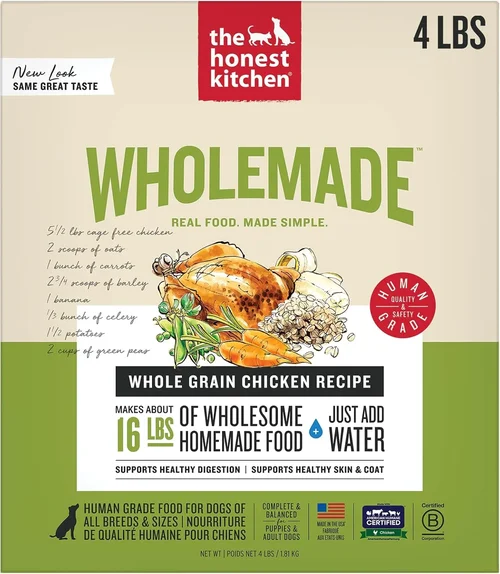
Equally important is where those ingredients come from. Reputable brands disclose their sourcing practices and often use human-grade or USDA-certified ingredients. For example, brands like The Honest Kitchen and Open Farm source ingredients from trusted farms and fisheries, and many publish traceability reports online. If a brand is vague about sourcing or uses terms like “animal digest” or “meat by-products” without clarification, proceed with caution. Transparency is a hallmark of quality.
2. Nutritional Adequacy & AAFCO Compliance
All dog foods should meet AAFCO nutritional standards, but not all do so equally. Look for a statement on the packaging that says the food is “formulated to meet the nutritional levels established by the AAFCO Dog Food Nutrient Profiles” or that it has undergone “animal feeding tests” to substantiate nutritional adequacy. This ensures the food provides complete and balanced nutrition for your dog’s life stage—whether that’s growth, maintenance, or senior.
Be aware that AAFCO guidelines are minimum standards, not optimal ones. Some dogs thrive on diets that exceed these baselines, especially active or working dogs. Additionally, life-stage appropriateness matters: puppies need higher protein and fat for growth, while seniors benefit from joint-supporting nutrients like glucosamine and lower calories to prevent weight gain. Always match the food to your dog’s age, size, and activity level.
3. Life Stage & Breed-Specific Needs
Dogs have different nutritional needs at different stages of life. Puppies require more calories, protein, and DHA for brain development. Adult dogs need balanced nutrition to maintain muscle mass and energy. Senior dogs often benefit from reduced calories, added fiber for digestion, and supplements like omega-3s for cognitive health. Large-breed puppies, in particular, need controlled calcium and phosphorus levels to prevent rapid bone growth and joint disorders like hip dysplasia.
Breed size also plays a role. Small breeds may prefer smaller kibble sizes and higher-calorie diets, while giant breeds like Great Danes or Mastiffs need food formulated to support joint health and prevent bloat. Some brands, such as Royal Canin and Hill’s Science Diet, offer breed-specific formulas tailored to these needs. However, avoid over-reliance on marketing gimmicks—many “breed-specific” foods offer minimal real benefit. Focus instead on whether the food meets your dog’s actual physiological needs.
4. Protein Source & Digestibility
Protein is the cornerstone of a dog’s diet, supporting muscle maintenance, immune function, and skin health. Dogs are omnivores with a carnivorous bias, meaning they thrive on animal-based proteins but can also utilize plant-based nutrients. The best dog foods feature high-quality, highly digestible protein sources. Chicken, turkey, lamb, beef, and fish are excellent options. Novel proteins like duck, venison, or rabbit can be beneficial for dogs with food sensitivities.
Digestibility is just as important as protein content. A food may list 30% protein, but if your dog can’t absorb it, it’s wasted. Look for brands that conduct digestibility studies or use highly bioavailable ingredients. Fresh meats and gently cooked proteins are generally more digestible than heavily processed meals. If your dog has frequent gas, loose stools, or low energy, it could be a sign of poor protein digestibility—even if the food appears high-quality on paper.
5. Grain Inclusion vs. Grain-Free Diets
The grain-free trend has dominated the pet food market for over a decade, but recent research from the FDA has raised concerns about a potential link between grain-free diets and dilated cardiomyopathy (DCM) in dogs. While the exact cause remains under investigation, many grain-free foods rely on legumes (like peas, lentils, and chickpeas) as primary carbohydrate sources, which may interfere with taurine absorption—a key nutrient for heart health.
That doesn’t mean all grain-free diets are bad, but it does mean you should evaluate them critically. Dogs don’t require grains, but they can benefit from them as a source of fiber, vitamins, and energy. Whole grains like brown rice, oats, and barley are easily digestible and provide sustained energy. If your dog has a diagnosed grain allergy (rare—most “grain allergies” are actually reactions to protein), a grain-free diet may be necessary. Otherwise, a balanced diet with whole grains is often a safer, more sustainable choice.
6. Additives, Preservatives & Artificial Ingredients
Artificial colors, flavors, and preservatives have no place in a healthy dog diet. Ingredients like BHA, BHT, and ethoxyquin are synthetic preservatives linked to health concerns in both humans and animals. While they prevent fat from spoiling, natural alternatives like mixed tocopherols (vitamin E) and rosemary extract are safer and equally effective.
Be wary of “natural” claims—they’re not regulated strictly in pet food. A product can be labeled “natural” even if it contains rendered meals or by-products, as long as no artificial additives are present. Instead, look for brands that are transparent about their ingredient list and avoid vague terms like “flavor” or “digest.” If you see ingredients you can’t pronounce or don’t recognize, it’s a red flag.
7. Brand Reputation & Transparency
Not all dog food brands are created equal. Some have a long history of scientific research, veterinary partnerships, and rigorous quality control. Others are newer, trend-driven brands that prioritize marketing over nutrition. Research the brand’s history: Do they conduct feeding trials? Are they transparent about sourcing and manufacturing? Have they had recalls, and how did they respond?
Brands like Hill’s Science Diet, Royal Canin, and Purina Pro Plan have decades of research backing their formulas and often work with veterinarians to develop specialized diets. Emerging brands like Ollie, The Farmer’s Dog, and Nom Nom offer fresh, human-grade meals with full ingredient transparency. Avoid brands with a history of recalls, vague labeling, or aggressive marketing tactics. A reputable brand will welcome questions and provide detailed information about their products.
8. Price vs. Value
Dog food pricing varies widely—from $10 for a 15-pound bag of generic kibble to $100 for a 10-pound box of fresh, human-grade meals. While price isn’t always an indicator of quality, extremely cheap foods often cut corners with low-grade ingredients, fillers, and minimal nutritional testing. Conversely, the most expensive food isn’t always the best fit for your dog.
Instead of focusing solely on cost per pound, consider cost per feeding and nutritional value. A premium food with higher digestibility may require smaller portions, offsetting the higher price. Calculate your dog’s daily feeding cost and compare it across brands. Also factor in long-term health benefits: a high-quality diet may reduce vet bills by preventing obesity, allergies, and digestive issues. Think of dog food as an investment in your dog’s health, not just a monthly expense.
Different Types of Dog Food

Common Buying Mistakes to Avoid
❌ Mistake: Choosing Based on Marketing Claims
Why it’s bad: Phrases like “premium,” “natural,” “holistic,” or “superfood” are not regulated and can be used by any brand. A food labeled “grain-free” may still contain low-quality proteins and fillers. Relying on flashy packaging or celebrity endorsements can lead you to overpay for subpar nutrition.
What to do instead: Always read the ingredient list and nutritional analysis. Look for AAFCO statements and research the brand’s reputation. If a claim sounds too good to be true, it probably is.
❌ Mistake: Ignoring Your Dog’s Individual Needs
Why it’s bad: Feeding a high-protein diet to a sedentary senior dog or a low-calorie food to a growing puppy can lead to health problems. Every dog is unique—age, breed, size, activity level, and health conditions all matter.
What to do instead: Consult your veterinarian to determine your dog’s specific nutritional requirements. Use life-stage and activity-level guidelines when selecting food, and monitor your dog’s weight, coat, energy, and digestion as indicators of suitability.
❌ Mistake: Switching Foods Too Quickly
Why it’s bad: Sudden diet changes can cause gastrointestinal upset, including vomiting, diarrhea, and loss of appetite. Dogs have sensitive digestive systems that need time to adapt.
What to do instead: Transition gradually over 7–10 days. Start by mixing 25% new food with 75% old food, increasing the ratio every few days until fully switched. This minimizes digestive stress and helps your dog adjust.
❌ Mistake: Overlooking Portion Sizes
Why it’s bad: Overfeeding is a leading cause of obesity in dogs, which contributes to diabetes, joint problems, and reduced lifespan. Feeding guidelines on bags are estimates and may not match your dog’s needs.
What to do instead: Use a calorie calculator based on your dog’s weight, age, and activity level. Weigh your dog regularly and adjust portions accordingly. Consider using a measuring cup or kitchen scale for accuracy.
❌ Mistake: Buying the Cheapest Option
Why it’s bad: Budget foods often use low-quality proteins, fillers, and artificial preservatives. While they may meet minimum nutritional standards, they can lead to long-term health issues like obesity, allergies, and poor coat condition.
What to do instead: Focus on value, not just price. A mid-range food with high-quality ingredients may cost more upfront but can reduce vet bills and improve your dog’s quality of life. Look for sales, bulk discounts, or subscription services to save money.
❌ Mistake: Not Reading Labels Carefully
Why it’s bad: Ingredients are listed by weight, so the first few items make up the bulk of the food. A brand may list “chicken” first but follow it with multiple grains or by-products, diluting the protein content.
What to do instead: Read the entire ingredient list, not just the first item. Look for whole proteins, limited fillers, and recognizable ingredients. Use online tools like the Dog Food Advisor or Pet Nutrition Alliance to compare brands.
❌ Mistake: Assuming All “Human-Grade” Foods Are Better
Why it’s bad: “Human-grade” means the food is made in a facility that also produces human food and meets FDA standards, but it doesn’t guarantee nutritional superiority. Some human-grade foods are still highly processed or unbalanced.
What to do instead: Evaluate human-grade foods the same way you would any other—check ingredients, AAFCO compliance, and brand transparency. Fresh, minimally processed human-grade foods can be excellent, but they’re not automatically the best choice for every dog.
Budget Guidelines: How Much Should You Spend?
Dog food costs can vary dramatically, but understanding price tiers helps you make a smart investment in your dog’s health. Here’s a breakdown of what to expect at different budget levels:
Entry-Level ($15–$30 per 15–30 lb bag): These foods are widely available at grocery stores and big-box retailers. They often contain lower-quality proteins (like meat by-products), fillers (corn, wheat, soy), and artificial preservatives. While they meet AAFCO standards, they may not support optimal health long-term. Best for temporary use or multi-dog households on a tight budget—but not recommended as a long-term solution.
Mid-Range ($35–$60 per 15–30 lb bag): This is the sweet spot for most dog owners. Brands like Purina Pro Plan, Iams, and Blue Buffalo offer balanced nutrition with higher-quality ingredients, real meat as the first ingredient, and fewer fillers. Many include added vitamins, minerals, and probiotics. These foods are often recommended by veterinarians and provide excellent value for the price.
Premium ($60–$100 per 15–30 lb bag): Premium foods feature high-protein formulas, novel proteins (like duck or bison), limited ingredients, and natural preservatives. Brands like Wellness, Taste of the Wild, and Orijen focus on biologically appropriate nutrition and often use grain-free or ancestral diet approaches. These are ideal for dogs with sensitivities, high energy needs, or owners seeking top-tier nutrition.
Luxury ($100+ per week or per order): This tier includes fresh, raw, and human-grade meals from services like The Farmer’s Dog, Ollie, and Nom Nom. These foods are minimally processed, made with whole ingredients, and often customized to your dog’s needs. They offer the highest bioavailability and palatability but come at a significant cost. Best for owners willing to invest in their dog’s long-term health and convenience.
Expert Tips for Getting the Best Deal
Buying dog food doesn’t have to break the bank. With smart strategies, you can feed your dog high-quality nutrition without overspending. Here are expert-backed tips to help you save:
- Buy in bulk: Larger bags often cost less per pound. If you have storage space, purchasing a 30-pound bag instead of two 15-pound bags can save 10–20%.
- Subscribe and save: Many online retailers (Chewy, Amazon, brand websites) offer subscription discounts of 5–15% when you set up recurring deliveries. This also ensures you never run out.
- Watch for seasonal sales: Major holidays (Black Friday, Memorial Day, Christmas) often bring deep discounts on pet food. Stock up during these periods.
- Use loyalty programs: Stores like Petco, PetSmart, and Chewy offer rewards programs that give you points, free shipping, or exclusive deals.
- Compare prices online: Use price comparison tools or browser extensions to find the best deal across retailers. Sometimes the same food is cheaper on a brand’s website than on Amazon.
- Check return policies: If your dog doesn’t like a new food, you want to be able to return it. Look for retailers with generous return windows (30+ days).
- Ask your vet for samples: Many veterinary clinics offer free samples of prescription or therapeutic diets. This lets you test a food before committing.
- Consider mixing foods: Some owners mix a premium food with a mid-range kibble to stretch their budget while still providing quality nutrition. Just ensure both foods are compatible and meet AAFCO standards.

Frequently Asked Questions
Q: How often should I change my dog’s food?
A: There’s no need to change your dog’s food unless there’s a health reason, dietary intolerance, or your vet recommends it. Frequent changes can upset your dog’s digestion. However, rotating proteins (e.g., chicken, beef, fish) every few months can provide nutritional variety and reduce the risk of developing food sensitivities.
Q: Can I feed my dog a raw diet at home?
A: Yes, but it requires careful planning. Homemade raw diets must be balanced with the right ratios of meat, organs, bones, and supplements to avoid deficiencies. Consult a veterinary nutritionist to create a safe, complete recipe. Improperly balanced raw diets can lead to nutritional imbalances and bacterial contamination.
Q: Is grain-free food bad for dogs?
A: Not inherently, but recent FDA investigations suggest a potential link between grain-free diets high in legumes and DCM in some dogs. If your dog is on a grain-free diet, monitor for symptoms like lethargy, coughing, or difficulty breathing, and consult your vet. For most dogs, a balanced diet with whole grains is safe and beneficial.
Q: How do I know if my dog is allergic to their food?
A: Food allergies in dogs often manifest as chronic itching, ear infections, gastrointestinal issues (vomiting, diarrhea), or skin rashes. Unlike humans, dogs rarely have respiratory symptoms. If you suspect an allergy, work with your vet to conduct an elimination diet—removing potential allergens for 8–12 weeks and reintroducing them one by one.
Q: Should I feed my dog once or twice a day?
A: Most adult dogs do well with two meals per day, which helps regulate digestion and prevent bloat, especially in large breeds. Puppies may need three to four meals, while some senior dogs prefer smaller, more frequent meals. Consistency is key—feed at the same times each day.
Q: Can I mix wet and dry food?
A: Absolutely! Many owners mix wet and dry food to increase palatability, add moisture, or help with weight management. Just adjust portion sizes to avoid overfeeding. For example, if your dog’s daily requirement is 2 cups of dry food, you might feed 1.5 cups dry and half a can of wet food.
Q: How long can I keep an opened bag of dog food?
A: Once opened, dry dog food should be used within 6 weeks to maintain freshness and prevent rancidity. Store it in an airtight container in a cool, dry place. Wet food should be refrigerated and used within 3–5 days after opening.
Q: Is it safe to feed my dog human food?
A: Some human foods are safe in moderation (e.g., cooked chicken, carrots, plain rice), but many are toxic (chocolate, grapes, onions, xylitol). Avoid feeding table scraps regularly, as they can lead to obesity and nutritional imbalances. If you want to add human food, stick to dog-safe options and keep it under 10% of their daily caloric intake.
Q: What should I do if my dog refuses to eat their new food?
A: First, ensure the transition was gradual. If your dog still refuses, try warming the food slightly, adding a small amount of low-sodium broth, or mixing in a topper like plain yogurt or cooked egg. If the refusal persists for more than 24–48 hours, consult your vet to rule out medical issues.
Q: How do I choose between kibble, wet, and fresh food?
A: Consider your lifestyle, budget, and your dog’s preferences. Kibble is convenient and cost-effective. Wet food is great for hydration and picky eaters. Fresh food offers high palatability and minimal processing but is more expensive. Many owners use a combination—kibble for daily meals and wet or fresh food as a topper or occasional treat.
Our Final Recommendations
After evaluating hundreds of brands and consulting veterinary nutritionists, here are our top picks across different categories:
Best for Budget-Conscious Buyers: Purina ONE SmartBlend – Offers high-quality protein, real meat as the first ingredient, and added vitamins at an affordable price. AAFCO-compliant and widely available.
Best Overall Value: Blue Buffalo Life Protection Formula – Features deboned chicken, whole grains, and LifeSource Bits with antioxidants. Balanced nutrition, good digestibility, and mid-range pricing make it a standout.
Best Premium Option: Orijen Original – Biologically appropriate, high-protein (38%), with 85% animal ingredients. Made with fresh, regional ingredients and no fillers. Ideal for active or performance dogs.
Best for Beginners: Hill’s Science Diet Adult – Veterinarian-recommended, easy to digest, and formulated for long-term health. Great for first-time dog owners who want a trusted, science-backed option.
Best for Advanced Users: The Farmer’s Dog – Fresh, human-grade meals customized to your dog’s profile. Delivered to your door, minimally processed, and backed by veterinary nutritionists. Perfect for owners who want maximum control and transparency.
Conclusion: Making the Right Choice
Choosing the best dog food isn’t about finding the most expensive or trendiest brand—it’s about matching your dog’s unique needs with a food that supports their health, energy, and longevity. From ingredient quality and life stage appropriateness to budget and brand transparency, every factor matters. By avoiding common pitfalls, understanding nutritional requirements, and using smart shopping strategies, you can make a confident decision that benefits your dog for years to come.
Remember, your dog relies on you for their nutrition. Take the time to read labels, consult your vet, and observe how your dog responds to their food. A shiny coat, healthy weight, and vibrant energy are the best indicators that you’ve made the right choice. Whether you choose kibble, wet food, or fresh meals, prioritize quality, balance, and consistency. Your dog deserves nothing less.
Now that you’re armed with expert knowledge, it’s time to take action. Review your current dog food, assess your dog’s needs, and make a switch if necessary. Your furry friend will thank you with wagging tails, playful zoomies, and years of joyful companionship.