

Finding the best dog food for digestive health can transform your pup’s energy, coat, and overall well-being. With the right blend of fiber, probiotics, and high-quality proteins, you can ease upset stomachs, reduce gas, and promote regular digestion—without sacrificing taste.
Key Takeaways
- High-quality protein sources like chicken, turkey, or salmon support muscle health and are easier on sensitive stomachs.
- Prebiotics and probiotics help balance gut bacteria, improving digestion and nutrient absorption.
- Fiber-rich ingredients such as pumpkin, sweet potato, and beet pulp regulate bowel movements and soothe the digestive tract.
- <>Limited ingredient diets reduce the risk of food sensitivities and make it easier to identify allergens.
- Moisture content matters—wet or fresh food can aid hydration and digestion, especially for senior dogs or those with kidney concerns.
- Avoid fillers and artificial additives like corn syrup, BHA, and artificial colors, which can trigger digestive upset.
- Gradual transitions between foods prevent stomach upset—mix old and new food over 7–10 days.
📑 Table of Contents
- Why Digestive Health Matters for Your Dog
- What Makes Dog Food Easy to Digest?
- Top Ingredients to Look For in Digestive Dog Food
- Best Types of Dog Food for Sensitive Stomachs
- How to Transition Your Dog to a New Digestive Food
- Signs Your Dog’s Digestive Health Is Improving
- Our Top Picks for the Best Dog Food for Digestive Health
- Final Thoughts: A Happy Gut Means a Happy Pup
Why Digestive Health Matters for Your Dog
Just like humans, dogs rely on a healthy digestive system to absorb nutrients, fight off illness, and maintain energy. When your pup’s gut is out of balance, it can show in more ways than just an upset stomach. You might notice loose stools, excessive gas, vomiting, or even changes in behavior like lethargy or irritability. Over time, poor digestion can lead to nutrient deficiencies, weakened immunity, and chronic conditions like inflammatory bowel disease (IBD).
The good news? A well-chosen diet can make a world of difference. The best dog food for digestive health isn’t just about avoiding problems—it’s about actively supporting your dog’s internal ecosystem. From the moment food enters their mouth to the final digestion process, every ingredient plays a role. That’s why choosing a formula designed with gut health in mind is one of the kindest things you can do for your furry friend.
What Makes Dog Food Easy to Digest?
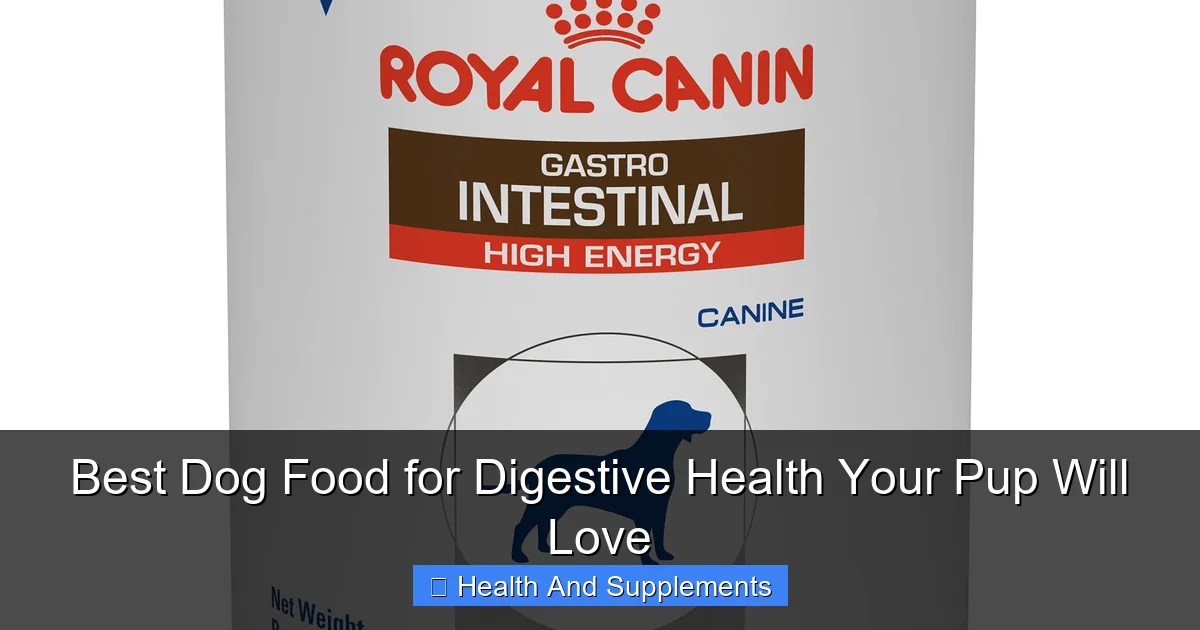
Visual guide about Best Dog Food for Digestive Health Your Pup Will Love
Image source: s7d1.scene7.com
Not all dog foods are created equal—especially when it comes to digestion. The best dog food for digestive health includes ingredients that are not only nutritious but also gentle on your dog’s stomach. Let’s break down what to look for.
High-Quality, Digestible Proteins
Protein is essential for muscle repair, coat health, and overall vitality. But not all proteins are easy to digest. Look for named animal proteins like chicken meal, turkey, or salmon listed as the first ingredient. These are highly bioavailable, meaning your dog’s body can break them down and use them efficiently. Avoid vague terms like “meat meal” or “animal by-products,” which can be harder to digest and may contain lower-quality sources.
For dogs with sensitive stomachs, novel proteins like duck, venison, or rabbit can be excellent alternatives. These are less common in commercial diets, so they’re less likely to trigger food sensitivities.
Prebiotics and Probiotics for Gut Balance
Your dog’s gut is home to trillions of bacteria—both good and bad. Probiotics are live beneficial bacteria that help maintain this balance, while prebiotics are the food that feeds them. Together, they support a healthy microbiome, which is crucial for digestion, immunity, and even mood.
Look for dog foods that include strains like Lactobacillus and Bifidobacterium, or ingredients like chicory root and fOS (fructooligosaccharides), which act as prebiotics. Some premium brands even add probiotics directly into the kibble, ensuring they survive the manufacturing process.
Fiber: The Unsung Hero of Digestion
Fiber plays a dual role—it helps firm up loose stools and prevents constipation by adding bulk and regulating movement through the intestines. But not all fiber is the same. Soluble fiber (like that in pumpkin and oats) absorbs water and forms a gel-like substance, soothing the gut. Insoluble fiber (found in beet pulp and brown rice) adds bulk and keeps things moving.
Pumpkin is a superstar ingredient for digestive health. It’s low in calories, rich in fiber, and naturally gentle on the stomach. Many dog owners even add a spoonful of plain canned pumpkin (not pie filling!) to their dog’s meal during digestive upsets.
Top Ingredients to Look For in Digestive Dog Food
When shopping for the best dog food for digestive health, keep an eye out for these powerhouse ingredients:
- Sweet Potato: A easily digestible carbohydrate that’s rich in fiber and beta-carotene.
- Oats: Gentle on the stomach and packed with soluble fiber.
- Yogurt or Kefir (in limited amounts): Natural sources of probiotics—great as occasional toppings.
- Bone Broth: Adds moisture and flavor while supporting gut lining health.
- Flaxseed: Provides omega-3 fatty acids and fiber, reducing inflammation.
Avoid common irritants like artificial preservatives (BHA, BHT), corn, soy, and excessive fillers. These can trigger allergies or worsen digestive issues in sensitive dogs.
Best Types of Dog Food for Sensitive Stomachs
Every dog is different, so the “best” food depends on your pup’s age, size, breed, and specific needs. Here are the top formats to consider:
Dry Kibble with Digestive Support
Many high-quality kibbles now include digestive enzymes, probiotics, and fiber blends. Brands like Hill’s Science Diet Sensitive Stomach & Skin and Purina Pro Plan Sensitive Skin & Stomach are vet-recommended and formulated with easily digestible ingredients. Look for kibble that’s small in size if your dog has trouble chewing or swallowing.
Wet Food for Hydration and Palatability
Wet food has a higher moisture content, which helps keep your dog hydrated—especially important for older dogs or those prone to urinary issues. The soft texture is also easier to chew and digest. Brands like Wellness Simple Limited Ingredient Diet and Blue Buffalo Basics offer grain-free, limited-ingredient wet foods perfect for sensitive systems.
Fresh or Frozen Raw Diets
Fresh, gently cooked, or raw diets are gaining popularity for their natural ingredients and minimal processing. These diets often include muscle meat, organs, bones, and vegetables—mimicking what dogs would eat in the wild. While not suitable for every dog (especially those with compromised immune systems), many pet owners report improved digestion, shinier coats, and higher energy levels.
If you’re considering a raw or fresh diet, consult your vet first. These diets require careful balancing to ensure your dog gets all essential nutrients.
Prescription or Veterinary Diets
For dogs with chronic digestive issues like IBD, pancreatitis, or food allergies, your vet may recommend a prescription diet. These are scientifically formulated to manage specific conditions and often include hydrolyzed proteins (broken down so the immune system doesn’t react to them) or highly digestible fibers.
How to Transition Your Dog to a New Digestive Food
Switching your dog’s food too quickly can cause stomach upset—even if the new food is better. To avoid diarrhea or vomiting, follow a gradual transition plan:
- Days 1–2: Mix 25% new food with 75% old food.
- Days 3–4: Use 50% new and 50% old.
- Days 5–6: Increase to 75% new food.
- Day 7+: Serve 100% new food.
Monitor your dog closely during this time. If you notice vomiting, diarrhea, or loss of appetite, slow down the transition or consult your vet. Some dogs with very sensitive stomachs may need up to two weeks to adjust.
Signs Your Dog’s Digestive Health Is Improving
After switching to a high-quality digestive diet, you should start to see positive changes within a few weeks. Look for these signs:
- Firmer, more consistent stools
- Reduced gas and bloating
- Increased energy and playfulness
- Shinier coat and healthier skin
- Less scratching or licking (indicating fewer allergies)
- Improved appetite and eating habits
If your dog continues to have digestive issues despite dietary changes, it’s important to rule out underlying medical conditions. Chronic diarrhea, weight loss, or blood in the stool should always be evaluated by a veterinarian.
Our Top Picks for the Best Dog Food for Digestive Health
While every dog is unique, these brands consistently receive high marks from pet owners and veterinarians for supporting digestive wellness:
- Hill’s Science Diet Sensitive Stomach & Skin: Contains prebiotic fiber and easy-to-digest ingredients. Great for adult dogs with mild sensitivities.
- Purina Pro Plan Sensitive Skin & Stomach (Salmon & Rice): Features real salmon as the first ingredient and includes probiotics for gut health.
- Wellness Simple Limited Ingredient Diet: Grain-free with a single protein source and minimal ingredients—ideal for dogs with food allergies.
- Blue Buffalo Basics Limited Ingredient Diet: Made with turkey, potato, and pumpkin. Free from common allergens like dairy, eggs, and corn.
- The Honest Kitchen Human-Grade Dehydrated Food: Made with whole, human-grade ingredients. Just add water for a fresh, digestible meal.
Always read labels carefully and choose a formula appropriate for your dog’s life stage (puppy, adult, senior).
Final Thoughts: A Happy Gut Means a Happy Pup
Your dog’s digestive health is the foundation of their overall well-being. By choosing the best dog food for digestive health—one rich in quality proteins, fiber, and beneficial bacteria—you’re not just feeding your pup, you’re nurturing their long-term health. Whether your dog has a sensitive stomach, food allergies, or just needs a little digestive support, the right diet can make all the difference.
Remember, every dog is different. What works for one may not work for another. Be patient, observe your dog’s reactions, and don’t hesitate to consult your veterinarian if you’re unsure. With the right food and a little love, your pup will be running, playing, and digesting like a champion in no time.
Frequently Asked Questions
What are the signs of poor digestive health in dogs?
Common signs include diarrhea, constipation, vomiting, excessive gas, bloating, and changes in appetite. You might also notice your dog licking their paws or scratching more, which can indicate food sensitivities.
Can I give my dog probiotics separately from their food?
Yes, probiotic supplements designed for dogs can be helpful, especially during digestive upsets or after antibiotic use. Look for products with guaranteed live cultures and strains like Lactobacillus and Bifidobacterium.
Is grain-free food better for digestive health?
Not necessarily. While some dogs benefit from grain-free diets due to allergies, grains like oats and brown rice can actually support digestion with their fiber content. Focus on whole, digestible ingredients rather than just avoiding grains.
How often should I feed my dog to support digestion?
Most adult dogs do well with two meals per day. This helps regulate digestion and prevents overeating. Puppies and senior dogs may need more frequent, smaller meals.
Can I make homemade dog food for digestive health?
Yes, but it requires careful planning to ensure balanced nutrition. Consult a veterinary nutritionist to create a recipe that includes the right mix of protein, fiber, and essential vitamins and minerals.
Should I switch my dog’s food if they have occasional diarrhea?
Occasional diarrhea may not require a diet change—try fasting for 12–24 hours, then reintroduce a bland diet (boiled chicken and rice). If it persists beyond 2–3 days, consult your vet to rule out infections or other issues.