
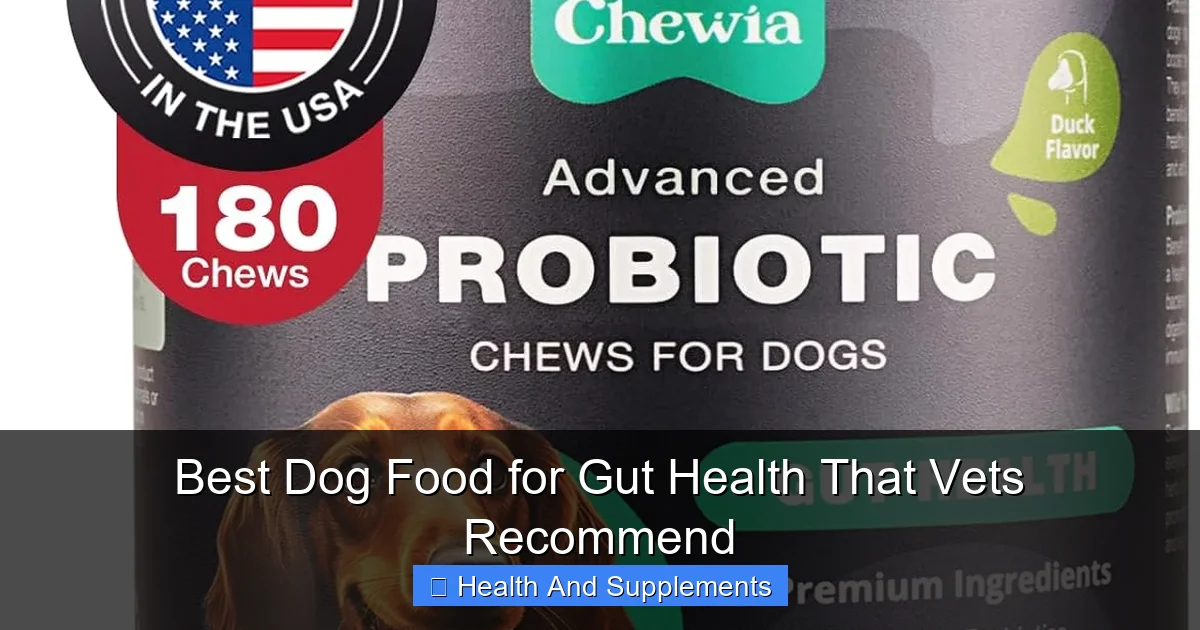
Choosing the right dog food for gut health can transform your pet’s digestion, energy, and overall well-being. Vet-recommended formulas with probiotics, prebiotics, and easily digestible ingredients help maintain a balanced microbiome and reduce digestive issues.
Key Takeaways
- Probiotics support a healthy gut: Live beneficial bacteria improve digestion and boost immunity in dogs.
- Prebiotics feed good bacteria: Ingredients like chicory root and beet pulp nourish probiotics for better gut balance.
- High-quality protein aids digestion: Easily digestible proteins like chicken, turkey, or fish reduce digestive strain.
- Fiber regulates bowel movements: Soluble and insoluble fiber help maintain regularity and prevent diarrhea or constipation.
- Avoid fillers and artificial additives: Corn, soy, and artificial preservatives can disrupt gut health and cause sensitivities.
- Vet-recommended brands prioritize gut health: Look for brands that include digestive enzymes and science-backed formulations.
- Transition food gradually: Sudden diet changes can upset your dog’s stomach—switch over 7–10 days.
📑 Table of Contents
Why Gut Health Matters for Your Dog
Just like humans, dogs rely on a healthy digestive system to absorb nutrients, fight off illness, and maintain energy. The gut is home to trillions of bacteria—both good and bad—that play a crucial role in your dog’s overall health. When this balance is disrupted, it can lead to symptoms like gas, diarrhea, vomiting, or even chronic conditions such as inflammatory bowel disease (IBD).
A strong gut microbiome doesn’t just affect digestion. It influences your dog’s immune system, skin health, mood, and even behavior. In fact, about 70% of your dog’s immune system resides in the gut. That’s why feeding the right dog food for gut health isn’t just about preventing tummy troubles—it’s about supporting long-term wellness. Fortunately, many veterinarians now recommend specific diets designed to nurture a healthy gut from the inside out.
What Makes Dog Food Good for Gut Health?
Not all dog foods are created equal when it comes to digestive support. The best dog food for gut health includes ingredients that actively promote a balanced microbiome and easy digestion. Let’s break down the key components to look for.

Visual guide about Best Dog Food for Gut Health That Vets Recommend
Image source: nypost.com
Probiotics: The Good Bacteria Your Dog Needs
Probiotics are live beneficial bacteria that help maintain a healthy balance in your dog’s gut. They support digestion, enhance nutrient absorption, and can even reduce the risk of infections. Look for dog foods that list specific strains like Lactobacillus acidophilus or Bifidobacterium animalis on the ingredient label. These strains are well-researched and proven effective in canine digestive health.
For example, brands like Purina Pro Plan and Hill’s Science Diet often include probiotics in their formulas. These aren’t just marketing buzzwords—they’re backed by veterinary research. Probiotics can be especially helpful after antibiotic use, which can wipe out both harmful and helpful bacteria in the gut.
Prebiotics: Fuel for Healthy Gut Bacteria
While probiotics are the “good guys,” prebiotics are the food that keeps them thriving. Prebiotics are non-digestible fibers that serve as fuel for beneficial gut bacteria. Ingredients like chicory root, beet pulp, and fructooligosaccharides (FOS) are common prebiotics found in high-quality dog foods.
Think of prebiotics as the fertilizer for your dog’s internal garden. Without them, even the best probiotics may struggle to survive. A diet rich in both probiotics and prebiotics creates a synergistic effect, often referred to as a “synbiotic” approach, which maximizes gut health benefits.
High-Quality, Digestible Proteins
Protein is essential for muscle maintenance and energy, but not all proteins are easy on your dog’s digestive system. The best dog food for gut health uses high-quality, highly digestible proteins like deboned chicken, turkey, lamb, or fish. These proteins are broken down more efficiently, reducing the workload on the digestive tract.
Avoid meals with vague labels like “meat meal” or “by-product meal,” which can be harder to digest and may contain low-quality ingredients. Instead, look for named protein sources listed first on the ingredient list. For dogs with sensitive stomachs, novel proteins like duck or venison can also be gentler options.
Fiber for Digestive Regularity
Fiber plays a dual role in gut health: it helps regulate bowel movements and feeds beneficial gut bacteria. Soluble fiber, found in ingredients like pumpkin and oats, absorbs water and helps firm up loose stools. Insoluble fiber, such as that from sweet potatoes or brown rice, adds bulk and supports regular bowel movements.
A balanced fiber content—typically between 3% and 5%—can prevent both diarrhea and constipation. Too little fiber can lead to sluggish digestion, while too much may cause gas or loose stools. The key is moderation and the right type of fiber for your dog’s needs.
Top Vet-Recommended Dog Foods for Gut Health
With so many options on the market, it can be overwhelming to choose the right food. To make things easier, we’ve compiled a list of dog foods that veterinarians frequently recommend for supporting gut health. These brands prioritize digestive wellness through science-backed formulations.
1. Hill’s Science Diet Sensitive Stomach & Skin
This formula is a favorite among vets for dogs with digestive sensitivities. It includes easily digestible ingredients like chicken meal and barley, along with prebiotic fiber to support a balanced gut microbiome. The added omega-6 fatty acids also promote healthy skin, which is often linked to gut health.
Many pet owners report improvements in stool quality and reduced gas within a few weeks of switching to this food. It’s available in both dry and wet versions, making it a versatile choice for picky eaters.
2. Purina Pro Plan Sensitive Skin & Stomach
Purina Pro Plan is another vet-trusted brand that offers a specialized formula for gut health. This recipe features salmon as the primary protein, which is gentle on the stomach and rich in omega-3 fatty acids. It also contains live probiotics to support digestive and immune health.
The inclusion of rice and oatmeal provides easily digestible carbohydrates, while the absence of common allergens like corn, wheat, and soy reduces the risk of food sensitivities. This makes it a great option for dogs with food intolerances.
3. Royal Canin Veterinary Diet Gastrointestinal
Designed specifically for dogs with digestive disorders, this prescription-grade food is often recommended by veterinarians for dogs with chronic diarrhea, vomiting, or IBD. It features highly digestible proteins, prebiotic fiber, and a blend of antioxidants to support gut healing.
While it requires a vet’s authorization, many pet owners see significant improvements in their dog’s symptoms after switching. It’s available in both high-energy and low-fat versions, depending on your dog’s needs.
4. Wellness Simple Limited Ingredient Diet
For dogs with severe food sensitivities, limited ingredient diets can be a game-changer. Wellness Simple uses a single protein source—like turkey or salmon—and a single carbohydrate, such as potatoes. This reduces the chance of triggering an adverse reaction.
The formula also includes prebiotic fiber and probiotics to support digestive health. With no artificial colors, flavors, or preservatives, it’s a clean, straightforward option for maintaining gut balance.
How to Transition Your Dog to a Gut-Healthy Diet
Switching your dog’s food too quickly can lead to digestive upset, even if the new food is healthier. To avoid stomach issues, follow a gradual transition plan over 7 to 10 days.
Step-by-Step Transition Guide
- Days 1–2: Mix 25% new food with 75% current food.
- Days 3–4: Use 50% new food and 50% old food.
- Days 5–6: Increase to 75% new food and 25% old food.
- Day 7 and beyond: Feed 100% new food.
Monitor your dog’s stool, energy levels, and appetite during the transition. If you notice vomiting, diarrhea, or lethargy, slow down the process or consult your vet. Some dogs with very sensitive stomachs may need up to two weeks to adjust.
Additional Tips for Success
- Stick to consistent feeding times to regulate digestion.
- Avoid giving too many treats or table scraps, which can disrupt gut balance.
- Provide fresh water at all times to aid digestion and hydration.
- Consider adding a vet-approved probiotic supplement if your dog has ongoing digestive issues.
Signs Your Dog’s Gut Health Is Improving
Once you’ve made the switch to a gut-healthy diet, you should start noticing positive changes within a few weeks. Here are some signs that your dog’s digestive system is on the mend:
- Firmer, well-formed stools: This indicates better nutrient absorption and balanced gut bacteria.
- Reduced gas and bloating: Less flatulence and a flatter belly are good indicators of improved digestion.
- Increased energy and playfulness: A healthy gut means better nutrient uptake, leading to more vitality.
- Healthier coat and skin: Gut health is closely linked to skin condition—less itching and shinier fur are common improvements.
- Fewer digestive upsets: Less vomiting, diarrhea, or constipation means the gut is functioning more smoothly.
If you don’t see improvements after 3–4 weeks, or if symptoms worsen, consult your veterinarian. There may be an underlying condition that requires medical attention.
Conclusion: Invest in Your Dog’s Gut Health Today
Your dog’s gut health is a cornerstone of their overall well-being. By choosing the best dog food for gut health—one that includes probiotics, prebiotics, high-quality proteins, and balanced fiber—you’re giving them the foundation for a happier, healthier life. Vet-recommended brands offer scientifically formulated options that address digestive needs with care and precision.
Remember, every dog is unique. What works for one may not work for another. Pay attention to your dog’s individual needs, transition foods gradually, and consult your vet if you’re unsure. With the right nutrition, you can support your dog’s digestive system, boost their immunity, and enjoy more tail wags and zoomies for years to come.
Frequently Asked Questions
What are the best ingredients for dog gut health?
The best ingredients include probiotics like Lactobacillus, prebiotics such as chicory root, easily digestible proteins like chicken or salmon, and fiber sources like pumpkin and oats. These support a balanced microbiome and smooth digestion.
Can I give my dog human probiotics?
It’s not recommended. Human probiotics aren’t formulated for dogs and may not contain the right strains or dosages. Always choose a vet-approved canine probiotic or dog food with added probiotics.
How long does it take to see improvements in gut health?
Most dogs show improvements in stool quality and digestion within 1–2 weeks of switching to a gut-healthy diet. Full benefits, like increased energy and better coat condition, may take 3–4 weeks.
Is grain-free food better for gut health?
Not necessarily. While some dogs benefit from grain-free diets, grains like oats and brown rice can actually support digestion with fiber. The key is choosing high-quality, digestible ingredients—not avoiding grains altogether.
Can puppies eat dog food for gut health?
Yes, but choose a formula specifically designed for puppies. Look for puppy versions of vet-recommended brands that include probiotics and balanced nutrition to support growing digestive systems.
What should I do if my dog has chronic digestive issues?
Consult your veterinarian. Chronic diarrhea, vomiting, or weight loss could signal conditions like IBD, parasites, or food allergies that require medical diagnosis and treatment beyond diet changes.