

Choosing the best food for dog gut health can dramatically improve your pet’s digestion, energy, and overall well-being. With the right balance of fiber, probiotics, and high-quality ingredients, you can support a thriving microbiome and reduce digestive issues naturally.
Key Takeaways
- Probiotics are essential: Live beneficial bacteria help balance your dog’s gut flora and improve digestion.
- Prebiotic fiber feeds good bacteria: Ingredients like chicory root and pumpkin support a healthy gut environment.
- High-quality protein matters: Easily digestible proteins like chicken, turkey, or fish reduce strain on the digestive system.
- Avoid fillers and artificial additives: Corn, soy, and artificial preservatives can disrupt gut balance and cause sensitivities.
- Hydration supports digestion: Wet food or adding water to kibble helps maintain healthy bowel movements.
- Gradual transitions prevent upset: Slowly introduce new foods over 7–10 days to avoid digestive shock.
- Rotate proteins occasionally: Variety can reduce food intolerances and support microbial diversity.
📑 Table of Contents
- Why Gut Health Matters for Your Dog
- Top Ingredients That Support Dog Gut Health
- Wet vs. Dry Food: Which Is Better for Gut Health?
- Foods to Avoid for a Healthy Dog Gut
- How to Transition Your Dog to Gut-Healthy Food
- Supplements That Enhance Gut Health
- Conclusion: Nurture Your Dog’s Gut for Lifelong Health
Why Gut Health Matters for Your Dog
Just like humans, dogs rely on a balanced gut microbiome to stay healthy. The gut isn’t just for digestion—it plays a vital role in immunity, nutrient absorption, and even mood regulation. When your dog’s digestive system is out of balance, you might notice symptoms like gas, diarrhea, constipation, or a dull coat. Over time, poor gut health can lead to chronic conditions such as inflammatory bowel disease (IBD) or food sensitivities.
The good news? You have more control than you think. What you feed your dog directly impacts the health of their gut. By choosing the best food for dog gut health, you’re not just filling their bowl—you’re supporting their long-term wellness. A healthy gut means better digestion, stronger immunity, and a happier, more energetic pup.
Top Ingredients That Support Dog Gut Health
Not all dog foods are created equal. The best food for dog gut health includes ingredients that actively promote a balanced microbiome. Let’s break down the top components to look for on the label.
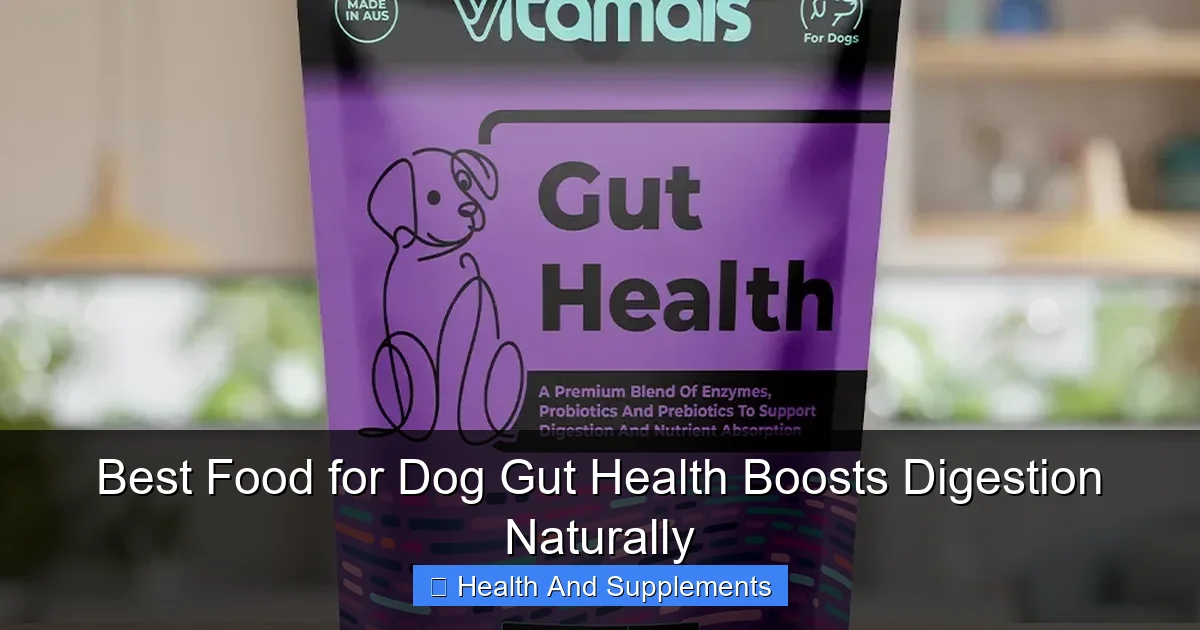
Visual guide about Best Food for Dog Gut Health Boosts Digestion Naturally
Image source: vitamals.au
Probiotics: The Good Bacteria Your Dog Needs
Probiotics are live microorganisms that support digestive health by maintaining a healthy balance of gut bacteria. Look for dog foods that include strains like Lactobacillus and Bifidobacterium. These beneficial bacteria help break down food, absorb nutrients, and fight off harmful pathogens.
Some high-quality dog foods include probiotics right in the formula. Alternatively, you can add a vet-approved probiotic supplement to your dog’s meals. Yogurt with live cultures (unsweetened and xylitol-free) can also be a tasty, natural source—just serve in moderation.
Prebiotic Fiber: Food for Friendly Bacteria
While probiotics are the “good guys,” prebiotics are their favorite meal. Prebiotic fibers—like inulin from chicory root or beet pulp—aren’t digested by your dog. Instead, they travel to the colon, where they feed the beneficial bacteria, helping them grow and thrive.
Pumpkin is another excellent prebiotic-rich ingredient. It’s gentle on the stomach and helps regulate bowel movements. A spoonful of pureed pumpkin (not pie filling) can soothe an upset tummy or ease constipation.
Digestible Proteins and Limited Ingredients
High-quality, easily digestible proteins reduce the workload on your dog’s digestive system. Look for named meats like “deboned chicken” or “turkey meal” as the first ingredient. Avoid vague terms like “meat by-products” or “animal digest.”
For dogs with sensitive stomachs, limited-ingredient diets can be a game-changer. These formulas use fewer components, making it easier to identify and avoid potential allergens. Common protein sources include lamb, duck, or salmon—great options for dogs with chicken or beef sensitivities.
Wet vs. Dry Food: Which Is Better for Gut Health?
This is a common debate among pet parents. The truth? Both wet and dry food can support gut health—it depends on your dog’s needs and preferences.
Benefits of Wet Food
Wet food has a high moisture content, which helps keep your dog hydrated. Proper hydration is crucial for healthy digestion and preventing constipation. Wet food is also often more palatable, making it a great choice for picky eaters or senior dogs with reduced appetites.
Many wet foods use fewer preservatives and include natural ingredients like bone broth or fermented vegetables, which support gut health. Just be sure to check the label for added sugars or artificial flavors.
Advantages of Dry Kibble
Dry food is convenient, cost-effective, and has a longer shelf life. Some kibbles are specially formulated with probiotics and prebiotics baked right in. The crunchy texture can also help reduce plaque buildup, supporting oral health—which indirectly affects digestion.
To boost gut benefits, consider soaking kibble in warm water or low-sodium broth. This softens the food, increases moisture intake, and makes it easier to digest—especially helpful for older dogs or those with dental issues.
Foods to Avoid for a Healthy Dog Gut
Just as important as what you feed your dog is what you avoid. Certain ingredients can disrupt the gut microbiome and lead to digestive upset.
Fillers and Low-Quality Grains
Corn, wheat, and soy are common fillers in cheap dog foods. They offer little nutritional value and can be hard to digest. Some dogs are also sensitive or allergic to these ingredients, leading to gas, bloating, or skin issues.
While not all grains are bad (oats and brown rice can be gentle and nutritious), it’s best to choose foods where grains are secondary to high-quality protein.
Artificial Additives and Preservatives
Ingredients like BHA, BHT, and ethoxyquin are synthetic preservatives linked to health concerns. Artificial colors and flavors offer no benefit and may trigger sensitivities. Always opt for natural preservatives like mixed tocopherols (vitamin E) or rosemary extract.
Excessive Fat or Spicy Ingredients
While healthy fats like fish oil are beneficial, too much fat can overwhelm the digestive system and lead to pancreatitis—a serious condition. Avoid table scraps, especially greasy or spicy human foods, which can cause severe stomach upset.
How to Transition Your Dog to Gut-Healthy Food
Switching your dog’s food too quickly can cause diarrhea, vomiting, or refusal to eat. A gradual transition allows their gut microbiome to adapt.
Step-by-Step Transition Plan
Start by mixing 25% new food with 75% old food for 2–3 days. If your dog tolerates it well, increase to 50% new food for another 2–3 days. Then move to 75% new food, and finally, switch entirely to the new diet. This 7–10 day process minimizes digestive stress.
Monitor your dog closely during the transition. Signs of intolerance include loose stools, excessive gas, or lethargy. If symptoms persist, consult your vet—they may recommend a hydrolyzed protein diet or further testing.
When to Consult a Veterinarian
If your dog has chronic digestive issues, sudden weight loss, or persistent vomiting, it’s time to see a professional. Conditions like IBD, parasites, or food allergies require medical diagnosis and treatment. Your vet can also recommend prescription diets or supplements tailored to your dog’s specific needs.
Supplements That Enhance Gut Health
Even with the best food for dog gut health, some dogs benefit from extra support. Supplements can fill nutritional gaps and target specific digestive concerns.
Probiotic Supplements
Look for canine-specific probiotics with multiple strains and a high CFU (colony-forming units) count—aim for at least 1 billion CFUs per dose. Products like FortiFlora or Proviable are vet-recommended and come in easy-to-administer powder or chew forms.
Digestive Enzymes
These supplements help break down proteins, fats, and carbohydrates, making digestion more efficient. They’re especially helpful for older dogs or those with pancreatic issues. Choose a broad-spectrum enzyme blend that includes amylase, protease, and lipase.
Bone Broth and Fermented Foods
Homemade or store-bought bone broth is rich in collagen, amino acids, and minerals that support gut lining repair. Fermented vegetables (like sauerkraut, without onions or garlic) can also introduce beneficial bacteria—just offer in tiny amounts.
Conclusion: Nurture Your Dog’s Gut for Lifelong Health
Your dog’s gut health is the foundation of their overall well-being. By choosing the best food for dog gut health—rich in probiotics, prebiotics, and high-quality ingredients—you’re setting them up for a life of strong digestion, vibrant energy, and fewer health problems.
Remember, every dog is unique. What works for one pup might not suit another. Pay attention to your dog’s reactions, stay consistent with feeding routines, and don’t hesitate to seek professional guidance when needed. With the right nutrition and care, you can help your furry friend thrive from the inside out.
Frequently Asked Questions
What are the signs of poor gut health in dogs?
Common signs include chronic diarrhea, constipation, excessive gas, vomiting, bloating, and a dull coat. Some dogs may also show behavioral changes like lethargy or irritability due to discomfort.
Can I give my dog human probiotics?
It’s not recommended. Human probiotics aren’t formulated for dogs and may contain strains or dosages that aren’t safe. Always choose a probiotic specifically designed for canine digestive health.
How often should I feed my dog for optimal digestion?
Most adult dogs do well with two meals per day. This routine supports steady digestion and helps prevent bloating, especially in large breeds. Puppies may need three to four smaller meals.
Is raw food better for dog gut health?
Raw diets can offer benefits like improved coat and energy, but they also carry risks of bacterial contamination and nutritional imbalances. If you choose raw, consult your vet and ensure proper handling and supplementation.
Can stress affect my dog’s gut health?
Absolutely. Stress triggers the release of hormones that can disrupt gut bacteria and slow digestion. Changes in routine, travel, or loud environments may lead to temporary digestive upset.
How long does it take to see improvements in gut health?
Many dogs show improvement within a week of switching to gut-friendly food. However, chronic conditions may take several weeks or months to fully resolve, especially if supplements or medical treatment are involved.