

A healthy gut is the foundation of your dog’s overall well-being. The right foods can improve digestion, strengthen immunity, and even enhance mood. This guide reveals the top best foods for dog gut health, backed by science and vet recommendations.
Key Takeaways
- Probiotics are essential: Live beneficial bacteria in foods like yogurt and kefir support a balanced gut microbiome and aid digestion.
- Prebiotic fibers feed good bacteria: Ingredients like pumpkin, sweet potatoes, and chicory root help probiotics thrive in your dog’s digestive system.
- High-quality protein matters: Easily digestible proteins from sources like chicken, turkey, and fish reduce gut stress and support tissue repair.
- Bone broth soothes the gut lining: Rich in collagen and amino acids, it helps heal inflammation and improve nutrient absorption.
- Fermented foods offer natural enzymes: Small amounts of fermented vegetables or goat’s milk can boost enzyme production and gut diversity.
- Avoid fillers and artificial additives: Grains like corn and soy, along with artificial colors and preservatives, can disrupt gut balance and cause sensitivities.
- Hydration supports digestion: Wet food or adding water to kibble helps maintain healthy gut motility and prevents constipation.
📑 Table of Contents
- Why Gut Health Matters for Your Dog
- Probiotic-Rich Foods: The Gut’s Best Friends
- Prebiotic Foods That Feed the Good Bacteria
- High-Quality Proteins for Digestive Ease
- Bone Broth: Nature’s Gut-Healing Elixir
- Fermented Foods for Natural Enzyme Support
- Foods to Avoid for a Healthy Gut
- Conclusion: Building a Gut-Healthy Diet for Your Dog
Why Gut Health Matters for Your Dog
You’ve probably heard the saying, “You are what you eat.” Well, the same goes for your dog—especially when it comes to gut health. The digestive system isn’t just about processing food; it’s a complex ecosystem that influences everything from immunity to mood. In fact, up to 70% of your dog’s immune system lives in the gut. When the gut is out of balance, you might notice symptoms like diarrhea, gas, vomiting, or even behavioral changes like lethargy or irritability.
A healthy gut microbiome—made up of trillions of beneficial bacteria—helps your dog digest food, absorb nutrients, and fight off harmful pathogens. But just like humans, dogs can suffer from gut imbalances due to poor diet, stress, antibiotics, or processed foods. The good news? You can support your dog’s gut health naturally through the right nutrition. By choosing the best foods for dog gut health, you’re not just feeding your pup—you’re building a stronger, happier, and more resilient companion.
Probiotic-Rich Foods: The Gut’s Best Friends
Probiotics are live microorganisms that provide powerful health benefits when consumed in adequate amounts. Think of them as the “good guys” that crowd out harmful bacteria and keep your dog’s digestive system running smoothly. Including probiotic-rich foods in your dog’s diet is one of the most effective ways to support gut health.
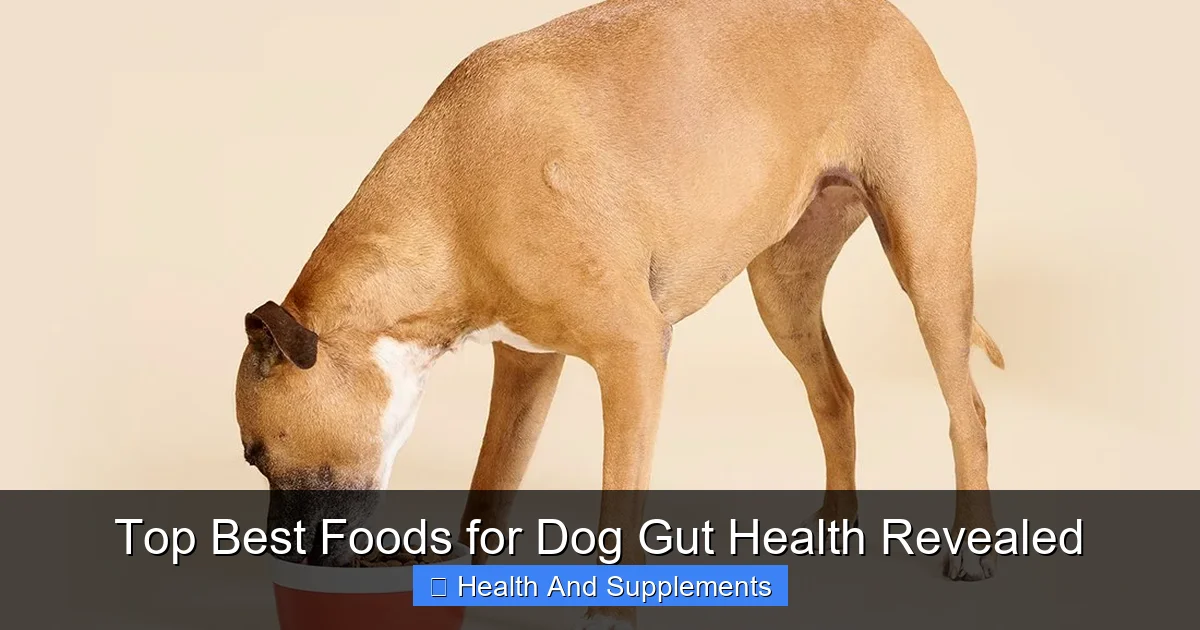
Visual guide about Top Best Foods for Dog Gut Health Revealed
Image source: scratchpetfood.com.au
Plain Yogurt and Kefir
Plain, unsweetened yogurt with live active cultures is a simple and tasty way to introduce probiotics. Look for brands that list Lactobacillus or Bifidobacterium on the label. Goat’s milk kefir is even better—it contains a wider variety of beneficial bacteria and is often easier for dogs to digest than cow’s milk. Start with a teaspoon per 10 pounds of body weight and mix it into your dog’s meal.
Commercial Probiotic Supplements
If your dog is picky or has a sensitive stomach, consider a high-quality probiotic supplement designed specifically for dogs. These come in powder, chew, or capsule form and often include strains like Lactobacillus acidophilus and Bifidobacterium animalis. Always choose products that are third-party tested and free from fillers or artificial ingredients.
Prebiotic Foods That Feed the Good Bacteria
While probiotics are the soldiers, prebiotics are the fuel. These are non-digestible fibers that feed the beneficial bacteria in your dog’s gut, helping them grow and thrive. Without enough prebiotics, even the best probiotics can’t do their job effectively.
Pumpkin: A Fiber Powerhouse
Canned plain pumpkin (not pumpkin pie filling!) is one of the most popular and effective prebiotic foods for dogs. It’s rich in soluble fiber, which helps regulate bowel movements and soothe an upset stomach. Just a tablespoon mixed into your dog’s food can ease both diarrhea and constipation. Plus, most dogs love the taste!
Sweet Potatoes and Chicory Root
Sweet potatoes are another excellent source of prebiotic fiber. They’re also packed with vitamins A and C, which support immune function. You can bake or steam small pieces and serve them as a treat or mix them into meals. Chicory root, often found in high-quality dog foods, is a concentrated source of inulin—a powerful prebiotic that promotes healthy gut bacteria.
High-Quality Proteins for Digestive Ease
Not all proteins are created equal. Dogs need high-quality, easily digestible protein to maintain muscle mass and support gut lining repair. Low-quality proteins or those with hard-to-digest fillers can irritate the digestive tract and lead to inflammation.
Lean Meats Like Chicken and Turkey
Chicken and turkey are excellent sources of lean protein that most dogs tolerate well. Opt for cooked, unseasoned meat with the skin and bones removed. These proteins are gentle on the stomach and provide essential amino acids that help repair the gut lining. If your dog has food sensitivities, consider novel proteins like duck or rabbit.
Fish Rich in Omega-3s
Fatty fish like salmon, sardines, and mackerel are not only rich in protein but also loaded with omega-3 fatty acids. These healthy fats have anti-inflammatory properties that can soothe an irritated gut and support overall digestive health. Serve cooked fish in moderation—too much fat can cause pancreatitis in some dogs.
Bone Broth: Nature’s Gut-Healing Elixir
Bone broth has gained popularity among pet parents—and for good reason. Made by simmering bones and connective tissue from chicken, beef, or fish, bone broth is rich in collagen, gelatin, and amino acids like glycine and proline. These compounds help heal the gut lining, reduce inflammation, and improve nutrient absorption.
How to Make or Choose Bone Broth
You can make bone broth at home by simmering bones in water with a splash of apple cider vinegar (which helps extract minerals) for 12–24 hours. Strain and cool before serving. Alternatively, look for commercially available, low-sodium, additive-free bone broth made specifically for dogs. Serve a few tablespoons daily as a topper or treat.
Benefits Beyond Digestion
In addition to gut health, bone broth supports joint health, hydration, and even skin and coat condition. It’s especially helpful for senior dogs or those recovering from illness or surgery.
Fermented Foods for Natural Enzyme Support
Fermented foods are another powerful tool in your dog’s gut health toolkit. The fermentation process produces natural enzymes and beneficial bacteria that enhance digestion and nutrient availability. While not all fermented foods are safe for dogs, some can be introduced in small, controlled amounts.
Fermented Vegetables (Dog-Safe Options)
Fermented vegetables like sauerkraut (without onions or garlic) can be a great source of probiotics. Make sure the fermentation doesn’t include toxic ingredients. Start with just a few drops of the brine or a tiny piece of the veggie mixed into food. Always introduce slowly to avoid stomach upset.
Fermented Goat’s Milk
Fermented goat’s milk is another excellent option. It’s easier to digest than cow’s milk and contains natural probiotics and enzymes. Brands like kefir or commercially available fermented goat’s milk for pets are widely available. Offer a teaspoon to a tablespoon per day, depending on your dog’s size.
Foods to Avoid for a Healthy Gut
Just as important as knowing what to feed your dog is knowing what to avoid. Certain ingredients can disrupt the gut microbiome, cause inflammation, or trigger food sensitivities.
Fillers and Artificial Additives
Ingredients like corn, soy, wheat, and artificial colors, flavors, or preservatives (such as BHA and BHT) offer little nutritional value and can irritate the digestive system. These are often found in low-quality kibble and can contribute to chronic gut issues over time.
Excessive Carbohydrates
While some carbs are fine, diets high in refined grains or starchy fillers can feed harmful bacteria and yeast in the gut. This can lead to bloating, gas, and even yeast overgrowth. Opt for dog foods with limited, whole-food carbohydrates like sweet potatoes or peas.
Sudden Diet Changes
Abruptly switching your dog’s food can shock the digestive system and lead to diarrhea or vomiting. Always transition to a new food gradually over 7–10 days, mixing increasing amounts of the new food with the old.
Conclusion: Building a Gut-Healthy Diet for Your Dog
Supporting your dog’s gut health doesn’t have to be complicated. By focusing on whole, natural foods rich in probiotics, prebiotics, and high-quality protein, you can create a diet that promotes digestion, immunity, and long-term wellness. Remember, every dog is different—what works for one may not work for another. Pay attention to your dog’s reactions, consult your veterinarian before making major dietary changes, and always introduce new foods slowly.
The best foods for dog gut health are those that nourish the microbiome, reduce inflammation, and support overall vitality. Whether it’s a spoonful of pumpkin, a splash of bone broth, or a high-quality probiotic supplement, small changes can make a big difference. Your dog’s gut—and their happiness—will thank you.
Frequently Asked Questions
Can I give my dog human probiotics?
It’s not recommended. Human probiotics are formulated for human gut flora and may not contain the right strains or dosages for dogs. Always choose a probiotic specifically designed for canine health.
How often should I feed my dog probiotic foods?
You can safely include probiotic-rich foods like yogurt or kefir 2–3 times per week. For supplements, follow the product’s dosage instructions or your vet’s advice.
Is raw food better for gut health?
Raw diets can offer benefits, but they also carry risks like bacterial contamination. If you choose raw feeding, ensure it’s balanced and consult your vet to avoid nutritional deficiencies or gut imbalances.
Can puppies eat the same gut-healthy foods?
Yes, but in smaller amounts. Puppies have developing digestive systems, so introduce new foods slowly and avoid anything too rich or fatty.
What are signs of poor gut health in dogs?
Common signs include diarrhea, constipation, gas, vomiting, bad breath, bloating, and changes in appetite or energy levels. Chronic issues may indicate a deeper gut imbalance.
Should I add supplements to my dog’s diet?
Supplements can help, especially if your dog has digestive issues. However, always consult your veterinarian first to ensure they’re necessary and safe for your dog’s specific needs.