

Yes, a 1-year-old cat can eat kitten food, but it’s not ideal for long-term use. While kitten food provides extra calories and nutrients, adult cats have different dietary needs. Learn when it’s safe, when to switch, and how to make the transition smoothly.
Key Takeaways
- Kittens and young cats need more calories and protein: Kitten food is formulated for rapid growth, which is why it’s higher in calories, fat, and key nutrients like DHA and calcium.
- A 1-year-old cat is still developing: Many cats aren’t fully mature until 18 months to 2 years, so they may still benefit from kitten food for a few more months.
- Overfeeding kitten food can lead to obesity: Adult cats are less active and need fewer calories, so prolonged kitten food feeding may cause weight gain.
- Switch gradually to adult food: Sudden diet changes can upset your cat’s stomach. Mix kitten and adult food over 7–10 days for a smooth transition.
- Choose high-quality adult food when switching: Look for AAFCO-approved formulas that meet adult maintenance needs, with balanced protein, fat, and essential vitamins.
- Monitor your cat’s weight and energy: Regular vet checkups help ensure your cat stays healthy during and after the diet switch.
- Exceptions exist for underweight or pregnant cats: Some adult cats may need kitten food temporarily under veterinary guidance.
📑 Table of Contents
- Can 1 Year Old Cat Eat Kitten Food? The Complete Guide
- Understanding Your Cat’s Growth and Development
- Nutritional Differences Between Kitten and Adult Cat Food
- When Is It Okay for a 1-Year-Old Cat to Eat Kitten Food?
- Risks of Feeding Kitten Food Long-Term to Adult Cats
- How to Transition Your 1-Year-Old Cat to Adult Food
- Special Cases: When to Stick with Kitten Food
- Final Thoughts: Making the Right Choice for Your Cat
Can 1 Year Old Cat Eat Kitten Food? The Complete Guide
So, you’ve got a sprightly 1-year-old cat who still acts like a kitten—zooming around the house, pouncing on toys, and demanding snacks every few hours. You might be wondering: Can my 1-year-old cat still eat kitten food? After all, they’re still growing, right? And kitten food seems so rich and nutritious. It’s natural to think it’s the best choice.
The short answer is yes—your 1-year-old cat can eat kitten food, and in many cases, it’s perfectly safe, even beneficial, for a little while longer. But here’s the catch: just because they can doesn’t always mean they should—at least not indefinitely. Kitten food is specially designed for rapid growth, high energy needs, and developmental support. While your cat may still be maturing at age one, their nutritional requirements are starting to shift toward adult maintenance. Understanding when and how to make the switch is key to keeping your feline friend healthy, happy, and at an ideal weight.
In this guide, we’ll break down everything you need to know about feeding kitten food to a 1-year-old cat. We’ll explore the nutritional differences between kitten and adult food, discuss the developmental stage of young cats, and offer practical tips for transitioning to adult food. Whether you’re a new cat parent or just curious about your pet’s diet, this article will help you make informed, vet-approved choices.
Understanding Your Cat’s Growth and Development
To answer whether a 1-year-old cat should eat kitten food, it helps to understand how cats grow. Unlike dogs, cats reach sexual maturity early—often between 4 and 6 months—but their physical and skeletal development continues well beyond that. Most cats are considered “adults” at 12 months, but full maturity isn’t reached until 18 months to 2 years, especially in larger breeds like Maine Coons or Ragdolls.
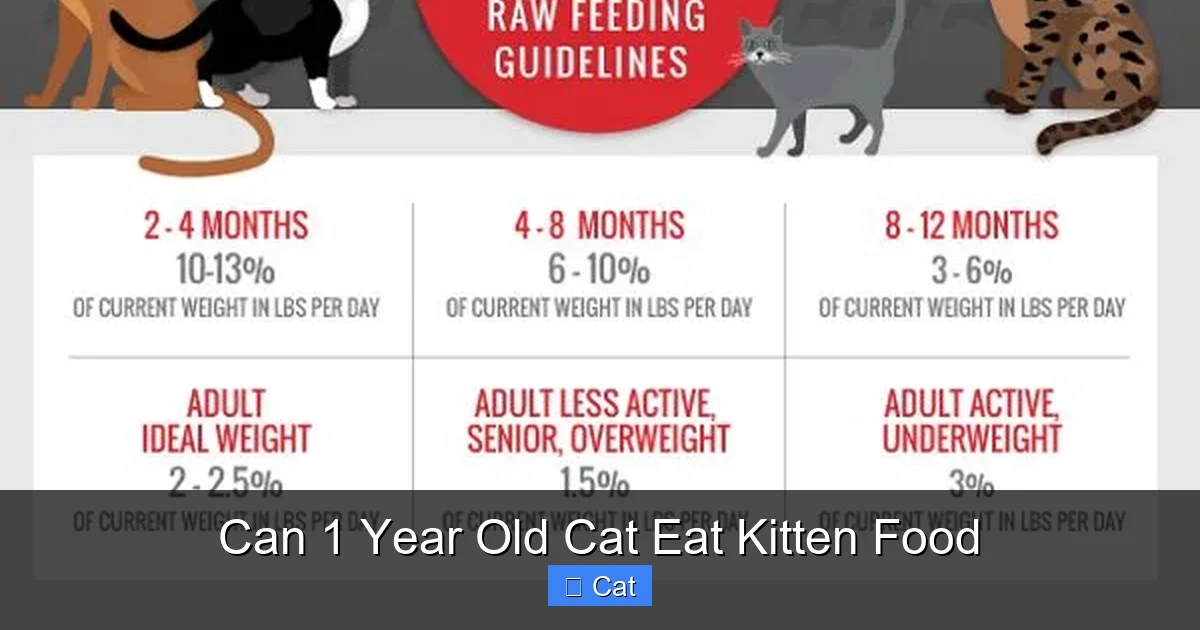
Visual guide about Can 1 Year Old Cat Eat Kitten Food
Image source: i.pinimg.com
Growth Phases in Cats
Cats go through several growth phases:
- Neonatal (0–4 weeks): Complete dependence on mother’s milk.
- Transitional (4–8 weeks): Eyes open, teeth emerge, begins weaning.
- Socialization (8–16 weeks): Rapid growth, high energy, learning behaviors.
- Juvenile (4–12 months): Continued growth, increased activity, sexual maturity.
- Adolescent (12–18 months): Slower growth, nearing full size, energy levels begin to stabilize.
At 12 months, your cat is likely in the adolescent phase. They may still be filling out—gaining muscle, refining their coat, and developing bone density. This means they still have higher nutritional needs than a fully grown adult cat, but not as high as a kitten under 6 months.
Why Growth Matters for Diet
Nutrition plays a huge role in healthy development. Kittens need more calories, protein, fat, and certain vitamins and minerals to support bone growth, brain development, and immune function. For example, DHA (an omega-3 fatty acid) is crucial for vision and cognitive development, which is why it’s abundant in kitten food. Calcium and phosphorus are essential for strong bones and teeth.
However, once growth slows, these high levels can become excessive. Too much calcium, for instance, can lead to skeletal problems in large-breed cats. Too many calories can result in obesity, which brings its own set of health risks, including diabetes, joint stress, and heart disease.
So while your 1-year-old cat may still benefit from some of the nutrients in kitten food, they don’t need the same intensity of support as a 3-month-old kitten. This is where the balance comes in.
Nutritional Differences Between Kitten and Adult Cat Food
Not all cat food is created equal—and the differences between kitten and adult formulas are significant. Let’s break down what makes kitten food unique and why it’s not always the best long-term choice for a 1-year-old cat.
Calorie Density
Kitten food is packed with calories—often 20–30% more than adult food. This is because kittens burn energy quickly. They’re constantly moving, playing, and growing. A 2-month-old kitten may need up to 2–3 times the calories per pound of body weight compared to an adult cat.
At 1 year old, your cat’s metabolism is slowing down. They’re less likely to be doing acrobatic leaps off the bookshelf every five minutes (though some still do!). If you continue feeding high-calorie kitten food without adjusting portion sizes, your cat could easily gain weight.
Example: A 10-pound adult cat needs about 200–250 calories per day. A kitten of the same weight might need 300–400. If you feed kitten food meant for a growing kitten to a less active 1-year-old, you’re likely overfeeding.
Protein and Fat Content
Kitten food typically contains higher levels of protein (30–40% or more) and fat (15–20%). Protein supports muscle development, while fat provides concentrated energy. These are essential for growing kittens but can be excessive for adult cats, especially if they’re indoor and less active.
Adult cat food usually has slightly lower protein (26–30%) and fat (10–15%), which better matches the maintenance needs of a mature cat. That said, high-quality adult food still provides plenty of protein—just in a more balanced ratio.
Key Vitamins and Minerals
Kitten food is fortified with extra nutrients critical for development:
- Calcium and phosphorus: For strong bones and teeth.
- DHA: Supports brain and eye development.
- Taurine: Essential for heart and vision health (found in both kitten and adult food).
- Vitamin E and antioxidants: Boost immune function.
While these are beneficial, adult cats don’t need the same high concentrations. In fact, too much calcium can disrupt the calcium-phosphorus balance, potentially leading to urinary or skeletal issues.
Fiber and Digestive Support
Adult cat food often includes more fiber to support digestive health and help manage hairballs. Kitten food tends to be lower in fiber since kittens have smaller digestive systems and different gut flora.
As your cat ages, their digestive needs change. A gradual shift to adult food can help maintain a healthy gut microbiome and prevent issues like constipation or diarrhea.
When Is It Okay for a 1-Year-Old Cat to Eat Kitten Food?
Now that we’ve covered the nutritional differences, let’s talk about when it’s actually fine—or even beneficial—for a 1-year-old cat to eat kitten food.
Your Cat Is Still Growing
If your cat is a large breed (like a Maine Coon, Norwegian Forest Cat, or Savannah), they may not reach full maturity until 18–24 months. In these cases, continuing kitten food for a few more months can support their extended growth phase.
Tip: Check your cat’s weight and body condition regularly. If they’re still filling out—gaining muscle, not just fat—kitten food may still be appropriate.
Your Cat Is Underweight or High-Energy
Some cats are naturally lean or have high metabolisms. If your 1-year-old cat is underweight or extremely active (think: indoor athlete), kitten food can help them maintain a healthy weight.
Example: A rescued cat who was malnourished as a kitten might need extra calories to catch up on growth. In such cases, your vet may recommend continuing kitten food temporarily.
Your Cat Is Pregnant or Nursing
Female cats who are pregnant or nursing have dramatically increased nutritional needs. Kitten food is often recommended during this time because it provides the extra calories, protein, and nutrients required for milk production and fetal development.
Even if your cat is 1 year old, if she’s expecting or feeding kittens, kitten food is not just okay—it’s ideal.
Transitioning Between Homes or Routines
If you’ve recently adopted a 1-year-old cat, it’s best to keep them on their current diet (even if it’s kitten food) for a few weeks to reduce stress. Sudden changes in food can cause digestive upset, especially in sensitive cats.
Once your cat is settled, you can begin the gradual switch to adult food.
Veterinary Recommendation
Always consult your vet before making dietary decisions. If your vet says your 1-year-old cat can continue on kitten food for a short time, follow their guidance. They may recommend a specific brand or feeding schedule based on your cat’s health, breed, and lifestyle.
Risks of Feeding Kitten Food Long-Term to Adult Cats
While kitten food is safe in the short term, feeding it to a 1-year-old cat for months or years can lead to health problems. Here’s what to watch out for.
Obesity and Weight Gain
This is the most common risk. Adult cats are less active than kittens. They sleep more, play less, and don’t need as many calories. Feeding high-calorie kitten food without reducing portions can lead to rapid weight gain.
Obesity in cats is linked to:
- Type 2 diabetes
- Joint pain and arthritis
- Liver disease (fatty liver syndrome)
- Reduced lifespan
Tip: Use a body condition score (BCS) chart to assess your cat’s weight. You should be able to feel their ribs easily but not see them prominently.
Urinary and Kidney Issues
Excess minerals like magnesium and phosphorus in kitten food can contribute to urinary crystals or stones, especially in male cats. While high-quality kitten food is formulated to minimize this risk, long-term feeding increases exposure.
Adult cat food is designed to support urinary health with balanced pH levels and controlled mineral content.
Digestive Upset
Some adult cats have trouble digesting the higher fat and protein levels in kitten food. This can lead to soft stools, gas, or vomiting—especially if the switch to adult food is abrupt later on.
Dental Health Concerns
Kitten food is often softer and more palatable, which can encourage picky eating. Adult cats benefit from kibble that helps scrape plaque off teeth. Prolonged soft food diets may increase the risk of dental disease.
Imbalanced Nutrition Over Time
Even if your cat isn’t gaining weight, long-term kitten food feeding can lead to nutrient imbalances. For example, too much vitamin A can be toxic, and excess protein can strain the kidneys in older cats—even if they’re not showing symptoms yet.
The bottom line: kitten food is a temporary solution, not a lifelong diet.
How to Transition Your 1-Year-Old Cat to Adult Food
Switching from kitten to adult food doesn’t have to be stressful. With a gradual approach, most cats adapt easily. Here’s a step-by-step guide.
Step 1: Choose the Right Adult Food
Not all adult cat foods are equal. Look for:
- AAFCO statement: Ensures the food meets nutritional standards for adult maintenance.
- High-quality protein source: Named meat (e.g., chicken, turkey) as the first ingredient.
- Moderate fat and calories: Suitable for less active adult cats.
- Added taurine, omega-3s, and antioxidants: For overall health.
Recommended brands: Royal Canin Adult, Hill’s Science Diet Adult, Purina Pro Plan Adult, or Wellness CORE Adult.
Step 2: Start the Transition Gradually
Sudden changes can cause diarrhea or refusal to eat. Use a 7–10 day transition plan:
- Days 1–2: 75% kitten food + 25% adult food
- Days 3–4: 50% kitten food + 50% adult food
- Days 5–6: 25% kitten food + 75% adult food
- Day 7+: 100% adult food
Monitor your cat’s appetite, stool, and behavior. If they show signs of digestive upset (vomiting, loose stools), slow down the transition.
Step 3: Adjust Portion Sizes
Adult food is less calorie-dense, so you may need to feed slightly more volume—but not more calories. Follow the feeding guidelines on the package and adjust based on your cat’s weight and activity level.
Tip: Use a measuring cup to avoid overfeeding. Free-feeding (leaving food out all day) can lead to obesity, especially with high-calorie foods.
Step 4: Monitor and Maintain
After the switch, keep an eye on:
- Weight (weigh your cat monthly)
- Coat condition (should be shiny and soft)
- Energy levels (should be consistent)
- Litter box habits (normal stools and urination)
Schedule a vet checkup 4–6 weeks after the switch to ensure your cat is thriving.
Special Cases: When to Stick with Kitten Food
While most 1-year-old cats should transition to adult food, there are exceptions.
Underweight Cats
If your cat is underweight despite eating well, your vet may recommend continuing kitten food or switching to a high-calorie adult formula. Never force a diet change if your cat is struggling to maintain weight.
Medical Conditions
Cats with certain health issues—like hyperthyroidism or malabsorption disorders—may need higher-calorie diets. Kitten food can be part of a therapeutic plan under veterinary supervision.
Multi-Cat Households
If you have both kittens and adult cats, you might feed kitten food to everyone for convenience. This is okay temporarily, but adult cats should eventually be switched to adult food to prevent weight gain.
Tip: Use separate feeding stations or timed feeders to manage individual diets.
Final Thoughts: Making the Right Choice for Your Cat
So, can a 1-year-old cat eat kitten food? Yes—but with caveats. For a short time, especially if your cat is still growing, underweight, or has special needs, kitten food is a safe and nutritious option. However, as your cat approaches full maturity, their dietary needs shift. Continuing kitten food long-term can lead to obesity, digestive issues, and nutrient imbalances.
The best approach is to monitor your cat’s development, consult your veterinarian, and make a gradual transition to high-quality adult food. Remember, every cat is unique. What works for one may not work for another. Pay attention to your cat’s body condition, energy levels, and overall health.
Feeding your cat isn’t just about filling their bowl—it’s about supporting their long-term well-being. By understanding the role of nutrition in your cat’s life, you’re giving them the gift of a healthier, happier future.
Frequently Asked Questions
Can a 1-year-old cat eat kitten food forever?
No, kitten food is not designed for long-term use in adult cats. While it’s safe for a few months past the first birthday, prolonged feeding can lead to obesity and nutrient imbalances. Most cats should transition to adult food by 12–18 months.
Is it bad if my 1-year-old cat eats kitten food occasionally?
Occasional kitten food is fine—like as a treat or if you’re out of adult food. Just don’t make it a regular habit. The high calorie and fat content can add up quickly.
How do I know if my 1-year-old cat is still growing?
Check their body condition: if they’re still gaining muscle, not just fat, and haven’t reached their full size (especially in large breeds), they may still be developing. Your vet can assess growth during checkups.
What if my cat refuses to eat adult food?
Some cats are picky. Try warming the food slightly, mixing in a small amount of wet food, or offering different textures. Transition slowly and be patient—most cats adjust within a week or two.
Can I mix kitten and adult food together?
Yes, during the transition period, mixing is recommended. But avoid long-term mixing, as it can lead to overfeeding and inconsistent nutrition.
Should I switch to adult food if my cat is overweight?
Yes—adult food is lower in calories and better suited for weight management. Consult your vet for a safe weight-loss plan, which may include portion control and a specialized diet.