
While some dogs can peacefully share a food bowl, it’s not ideal for most households. Sharing can lead to food guarding, stress, or health issues if not managed carefully. With proper training and observation, some dogs may coexist during mealtime—but individual bowls are usually the safer, healthier choice.
Key Takeaways
- Not all dogs can safely share a food bowl: Temperament, size, and past experiences play a big role in whether sharing works without conflict.
- Food guarding is a common risk: Even friendly dogs may become possessive over food, leading to tension or aggression.
- Health and hygiene concerns arise with shared bowls: Bacteria can spread more easily, and portion control becomes difficult.
- Dominance and stress can affect eating habits: Submissive dogs may eat less or avoid meals altogether when sharing with a more assertive dog.
- Training and supervision are essential: If you choose to let dogs share, consistent monitoring and positive reinforcement are key.
- Separate feeding is often the best practice: Most veterinarians and trainers recommend individual bowls to prevent problems and ensure balanced nutrition.
- Exceptions exist for bonded pairs: Some littermates or deeply bonded dogs may naturally share without issues—but this should still be watched closely.
📑 Table of Contents
Can 2 Dogs Share a Food Bowl? A Complete Guide for Pet Owners
So, you’ve got two dogs at home, and you’re wondering: can 2 dogs share a food bowl? Maybe you’re trying to save space, cut down on dishes, or just curious if your pups can peacefully coexist during mealtime. It’s a common question among multi-dog households, and the answer isn’t as simple as “yes” or “no.” While some dogs might seem fine sharing a bowl, others could turn mealtime into a mini battleground.
The truth is, whether two dogs can share a food bowl depends on a mix of factors—their personalities, size differences, past experiences, and how they were raised. Some dogs are naturally more relaxed and generous, while others are protective of their resources, including food. Even dogs who get along well during playtime might not see eye-to-eye when it comes to eating. That’s why it’s important to understand the risks, benefits, and best practices before deciding to let your dogs share a bowl.
In this guide, we’ll explore everything you need to know about feeding two dogs from one bowl. We’ll look at the potential dangers, the signs of food aggression, how to train your dogs for peaceful mealtimes, and when it’s better to stick with separate bowls. Whether you’re a new dog parent or a seasoned pet owner, this article will help you make the safest and healthiest choice for your furry family.
Understanding Canine Behavior Around Food

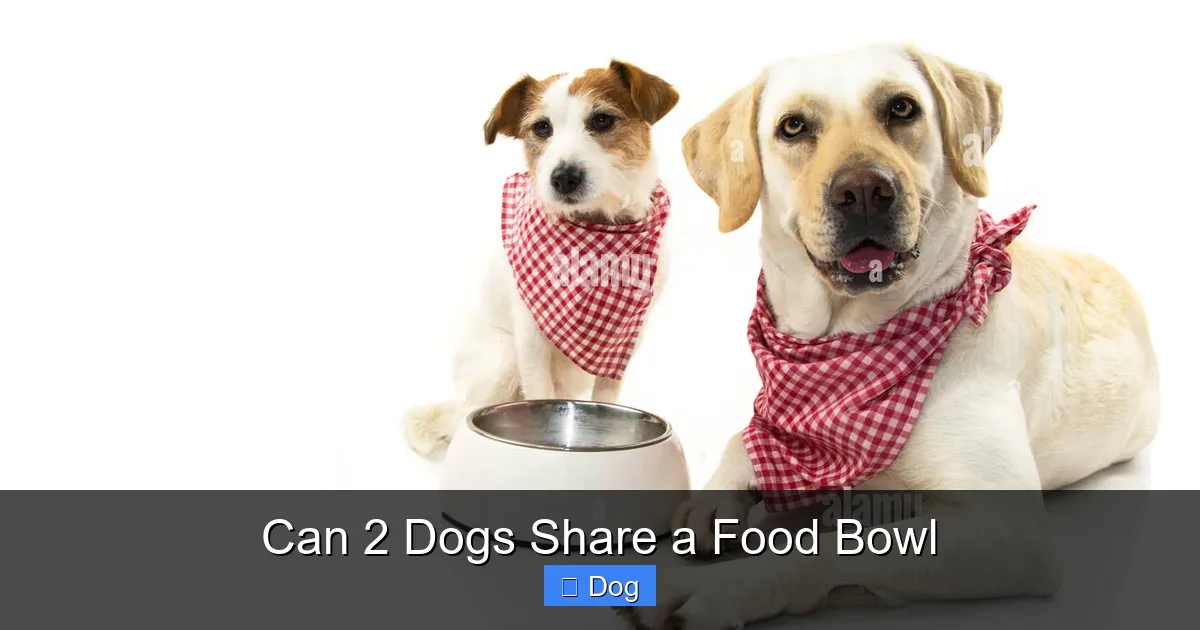
Visual guide about Can 2 Dogs Share a Food Bowl
Image source: c8.alamy.com
Dogs are naturally driven by instincts, and one of the strongest is the desire to protect resources—especially food. In the wild, canines had to compete for meals, so guarding food became a survival mechanism. Even though our domestic dogs don’t need to hunt for their dinner, that instinct can still be strong. This is why some dogs become tense, growl, or even snap when another dog approaches their bowl.
But not all dogs react the same way. Some are naturally more laid-back and don’t mind sharing, while others are highly possessive. A dog’s breed, age, and past experiences all influence their behavior. For example, a rescue dog who once had to fight for food might be more protective than a puppy raised in a calm, well-fed home.
Signs of Food Guarding
It’s important to recognize the early signs of food guarding before it escalates. These behaviors can be subtle at first but may grow worse over time if not addressed. Common signs include:
- Freezing or stiffening: The dog stops eating and becomes rigid when another dog approaches.
- Low growling or lip curling: A warning sign that the dog is uncomfortable and may escalate if challenged.
- Staring or blocking access: The dog positions itself between the bowl and the other dog, preventing them from getting close.
- Eating faster than usual: Some dogs gulp down their food quickly when they sense competition.
- Avoiding the bowl altogether: A submissive dog might wait until the other dog is done before approaching.
If you notice any of these behaviors, it’s a red flag that sharing a bowl could lead to conflict. Even if your dogs seem friendly now, food-related tension can build up over time.
Why Some Dogs Are More Protective
Certain factors make a dog more likely to guard their food. These include:
- Size and strength differences: A smaller dog may feel threatened by a larger one, even if the bigger dog isn’t aggressive.
- Past trauma or scarcity: Dogs who experienced hunger or competition in shelters or feral environments may be more possessive.
- Lack of early socialization: Puppies who weren’t exposed to other dogs during meals may not learn how to share.
- Dominant personality: Some dogs naturally want to be in charge and may assert control over resources.
Understanding your dog’s background and personality can help you predict how they’ll react to sharing a bowl. If you’re unsure, it’s always safer to start with separate feeding.
Health and Hygiene Concerns with Shared Bowls
Beyond behavior, there are real health risks when two dogs share a food bowl. Even if your dogs get along, bacteria and saliva can easily transfer between them, increasing the chance of illness.
Bacterial Transfer and Contamination
Dogs have different oral microbiomes, and sharing a bowl means they’re essentially swapping saliva. This can spread bacteria like Salmonella, E. coli, or even parasites. While healthy dogs may not get sick immediately, puppies, seniors, or dogs with weakened immune systems are more vulnerable.
Additionally, if one dog has a contagious condition—like kennel cough or a stomach virus—sharing a bowl can speed up transmission. Even something as simple as a dental infection can be passed on through saliva.
Portion Control and Nutritional Needs
Every dog has unique dietary needs based on age, weight, activity level, and health. When two dogs share a bowl, it’s nearly impossible to ensure each gets the right amount of food. One dog might eat more than their share, while the other gets less.
For example, a high-energy working breed like a Border Collie needs more calories than a senior Shih Tzu. If they share a bowl, the Collie might eat too much and gain weight, while the Shih Tzu doesn’t get enough nutrients. Over time, this imbalance can lead to obesity, malnutrition, or other health problems.
Increased Risk of Choking or Overeating
When dogs feel competition, they may eat too fast to “secure” their meal. This can lead to choking, bloating, or gastric torsion—especially in deep-chested breeds like Great Danes or German Shepherds. Bloating is a life-threatening condition that requires immediate veterinary care.
Even if your dogs don’t show aggression, the stress of competing for food can cause them to gulp down kibble without chewing. This not only increases choking risk but can also lead to digestive upset.
When Sharing a Bowl Might Work
Despite the risks, there are situations where two dogs can share a food bowl without issues. It’s not common, but it’s possible—especially with the right conditions and careful management.
Bonded Pairs and Littermates
Some dogs form such strong bonds that they naturally share resources without conflict. This is most common with littermates raised together from puppyhood or dogs who’ve lived together for years. These dogs often have a deep understanding of each other’s boundaries and may take turns eating or even wait for the other to finish.
For example, two Golden Retrievers who’ve been raised together since they were eight weeks old might happily share a bowl without a second thought. They’ve learned to read each other’s body language and know when to back off.
Calm, Non-Competitive Personalities
Dogs with relaxed temperaments are more likely to share peacefully. Breeds like Labradors, Cavalier King Charles Spaniels, or Basset Hounds are often more easygoing and less prone to resource guarding. If both dogs are naturally laid-back and have been socialized well, sharing might work.
However, even calm dogs can become stressed if mealtime feels rushed or competitive. It’s important to monitor their behavior closely, especially during the first few weeks of shared feeding.
Supervised Feeding in a Controlled Environment
If you decide to try sharing a bowl, always do it under supervision. Start by placing the bowl in a quiet, low-traffic area where both dogs feel safe. Watch for any signs of tension, and be ready to step in if needed.
You can also try feeding them at the same time but from opposite sides of the bowl. This reduces direct competition and gives each dog space. If they both eat calmly and finish without issue, you might gradually increase the time they spend together at the bowl.
How to Train Dogs to Share a Food Bowl
If you’re determined to let your dogs share a bowl, training is essential. It won’t happen overnight, but with patience and consistency, some dogs can learn to eat together peacefully.
Start with Separate Feeding
Before introducing a shared bowl, establish a routine where each dog eats in their own space. This helps them associate mealtime with calmness and reduces anxiety. Use positive reinforcement—praise and treats—when they eat without distraction.
Once they’re comfortable eating alone, you can begin the process of bringing them together.
Gradual Introduction
Begin by placing their bowls side by side while they eat. Let them get used to the presence of the other dog during meals. If they stay relaxed, gradually move the bowls closer over several days or weeks.
Eventually, you can try placing a single bowl between them. Start with small amounts of food so they don’t feel the need to rush. Use high-value treats to reward calm behavior.
Use Positive Reinforcement
Reward both dogs for peaceful behavior around the bowl. If they eat without growling, staring, or rushing, give them praise and a treat. This helps them associate sharing with positive outcomes.
Avoid punishing or scolding if there’s tension. This can increase anxiety and make the problem worse. Instead, calmly separate them and try again later.
Teach “Leave It” and “Wait” Commands
Basic obedience commands can help manage mealtime. Teach your dogs to “leave it” and “wait” before eating. This gives you control and prevents them from rushing the bowl.
For example, you can have one dog wait while the other eats, then switch. This teaches patience and reduces competition.
When to Avoid Sharing a Bowl
While sharing might work for some dogs, it’s not worth the risk in many situations. Here are times when separate bowls are the better choice.
One Dog Is Dominant or Aggressive
If one dog consistently shows signs of aggression—growling, snapping, or blocking access—do not allow sharing. This can lead to fights, injuries, or long-term behavioral issues.
Even if the aggression seems minor, it can escalate over time. It’s better to feed them in separate rooms or at different times.
Dogs Have Different Diets
If your dogs require different types of food—such as one needing a prescription diet or a grain-free formula—sharing a bowl is not an option. Mixing foods can cause digestive upset or allergic reactions.
Always feed dogs with special dietary needs separately to ensure they get the right nutrition.
One Dog Is a Puppy or Senior
Puppies are still learning social skills and may not understand boundaries. They might pester an older dog during meals, causing stress or conflict.
Senior dogs, on the other hand, may have dental pain or slower digestion. They need a calm, quiet environment to eat without being rushed or bothered.
You Can’t Supervise Meals
If you’re not home during feeding times or can’t watch your dogs while they eat, sharing a bowl is risky. Tension can build up when you’re not there to intervene, and problems may go unnoticed until they escalate.
Best Practices for Multi-Dog Feeding
Whether you choose to share a bowl or not, there are ways to make mealtime safer and more enjoyable for all your dogs.
Feed in Separate Areas
The safest and most recommended method is to feed dogs in different rooms or behind baby gates. This eliminates competition and allows each dog to eat at their own pace.
You can even feed them at the same time but in separate spaces. This maintains routine while reducing stress.
Use Puzzle Feeders or Slow Feed Bowls
These tools encourage dogs to eat slowly and mentally engage with their food. They’re great for preventing gulping and can be used whether dogs eat together or separately.
Establish a Routine
Dogs thrive on consistency. Feed them at the same times each day and in the same locations. This reduces anxiety and helps them know what to expect.
Clean Bowls Daily
Wash food and water bowls every day with hot, soapy water to prevent bacteria buildup. This is especially important if dogs share a bowl or drink from the same water source.
Monitor Weight and Appetite
Keep an eye on how much each dog is eating. Sudden changes in appetite or weight can signal health issues or stress related to mealtime.
Conclusion
So, can 2 dogs share a food bowl? The short answer is: sometimes, but it’s not ideal for most households. While a few well-matched, calm dogs might manage to share without issues, the risks—food guarding, health problems, stress, and nutritional imbalances—often outweigh the benefits.
For the majority of multi-dog families, feeding dogs separately is the safest, healthiest, and most stress-free option. It allows each dog to eat in peace, ensures they get the right amount of food, and reduces the chance of conflict.
If you’re set on trying shared feeding, proceed with caution. Start slowly, supervise closely, and be ready to switch back to separate bowls if problems arise. Remember, your dogs’ well-being is more important than convenience or saving a dish.
Ultimately, every dog is different. What works for one pair might not work for another. By understanding your dogs’ personalities, needs, and behaviors, you can make the best decision for your household. When in doubt, consult a veterinarian or professional dog trainer for personalized advice.
Mealtime should be a peaceful, positive experience for all your pets. With the right approach, you can ensure that both of your dogs stay happy, healthy, and well-fed—whether they’re sharing a bowl or enjoying their own.
Frequently Asked Questions
Is it safe for two dogs to share a food bowl?
It can be safe in rare cases with calm, well-socialized dogs, but it’s generally not recommended. Most dogs benefit from separate bowls to prevent stress, food guarding, and health issues.
How can I tell if my dogs are fighting over food?
Watch for signs like growling, stiff body language, staring, or one dog avoiding the bowl. These behaviors suggest tension and the need for separate feeding.
Can puppies share a food bowl?
Puppies may seem playful, but they can still compete for food. It’s better to feed them separately to teach good manners and prevent resource guarding early.
What if one dog eats faster than the other?
Fast eaters can cause stress for slower eaters. Use slow-feed bowls or feed dogs in separate areas to ensure both get a fair chance to eat without pressure.
Should I feed my dogs at the same time?
Yes, feeding at the same time helps maintain routine, but do it in separate spaces to reduce competition and allow each dog to eat calmly.
Can I train my dogs to share a bowl?
With patience and positive reinforcement, some dogs can learn to share. However, it requires close supervision and may not work for all dogs, especially those with aggressive tendencies.