
At 2 months old, kittens can begin eating dry food, but only if it’s high-quality, nutrient-rich, and softened with water or kitten milk replacer. Their tiny teeth and developing digestive systems need gentle, easy-to-chew meals. Always consult your vet before making dietary changes to ensure your kitten grows strong and healthy.
Key Takeaways
- Kittens can start eating dry food at 8 weeks old: This is the typical weaning age, but the food must be softened and specially formulated for kittens.
- Choose high-quality kitten-specific dry food: Look for labels that say “complete and balanced” for growth, with real meat as the first ingredient.
- Soak dry kibble in warm water or milk replacer: This makes it easier for tiny teeth and jaws to chew and digest.
- Gradual transition is key: Mix wet and dry food at first, slowly increasing the proportion of dry food over 1–2 weeks.
- Monitor hydration and digestion: Dry food provides less moisture, so always provide fresh water and watch for signs of constipation or diarrhea.
- Feed small, frequent meals: Kittens have small stomachs and high energy needs—offer food 4–6 times a day.
- Consult your veterinarian: Every kitten is different; a vet can guide portion sizes, food choices, and health milestones.
📑 Table of Contents
- Can 2 Month Old Cats Eat Dry Food? A Complete Guide for New Cat Parents
- Understanding Kitten Development at 2 Months
- Can 2 Month Old Cats Eat Dry Food? The Short Answer
- Benefits and Risks of Feeding Dry Food to 2-Month-Old Kittens
- How to Safely Introduce Dry Food to a 2-Month-Old Kitten
- Feeding Schedule and Portion Guidelines for 2-Month-Old Kittens
- Alternatives and Supplements to Dry Food
- Common Mistakes to Avoid
- Conclusion: Yes, But Do It Right
Can 2 Month Old Cats Eat Dry Food? A Complete Guide for New Cat Parents
So, you’ve just welcomed a tiny, fluffy 2-month-old kitten into your home. Congratulations! You’re probably bursting with love—and questions. One of the most common concerns new kitten parents have is: *Can 2 month old cats eat dry food?* It’s a great question, and the answer isn’t a simple “yes” or “no.” It depends on the type of food, how it’s prepared, and your kitten’s individual health and development.
At two months old, kittens are in a critical stage of growth. They’re just finishing the weaning process, which means they’re transitioning from their mother’s milk (or a milk replacer) to solid food. Their tiny bodies are developing rapidly, and their nutritional needs are very different from adult cats. While dry food can be part of their diet at this age, it must be introduced carefully and with the right preparation.
In this guide, we’ll walk you through everything you need to know about feeding dry food to 2-month-old kittens—what’s safe, what to avoid, and how to make the transition smooth and healthy. Whether you’re a first-time cat owner or adding a new furry friend to your multi-pet household, this information will help you give your kitten the best possible start in life.
Understanding Kitten Development at 2 Months
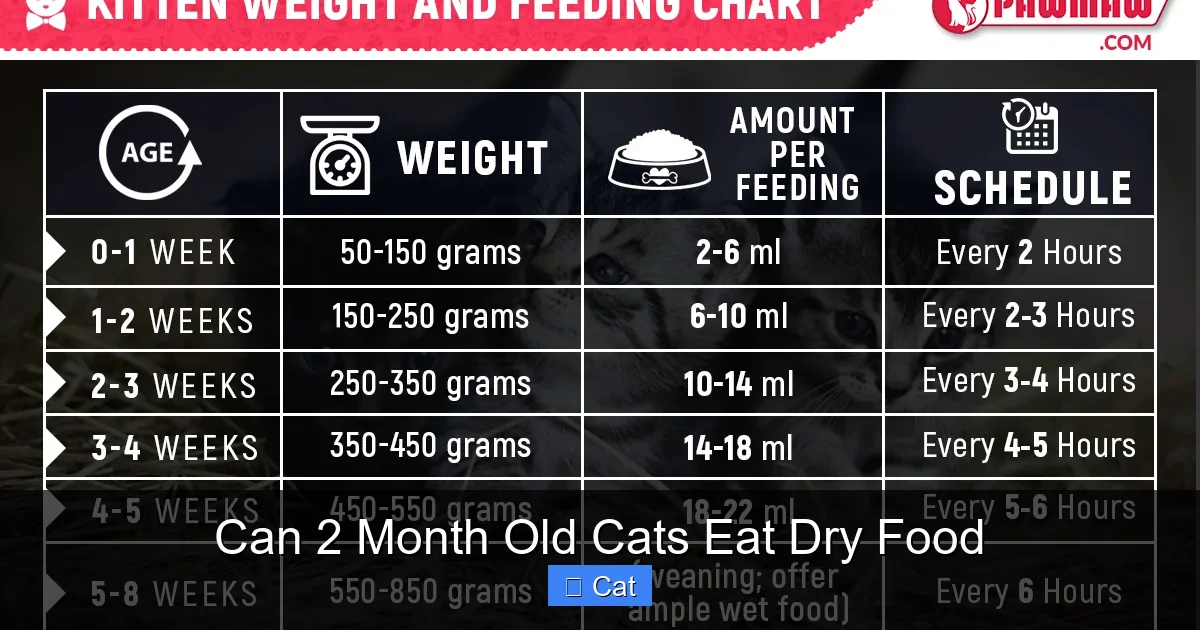
Visual guide about Can 2 Month Old Cats Eat Dry Food
Image source: i.pinimg.com
Before diving into whether dry food is appropriate, it’s important to understand what’s happening in your kitten’s body at 8 weeks old. This is a pivotal time in their development, and their nutritional needs are intense.
Physical and Cognitive Growth
At 2 months, kittens are like toddlers—curious, energetic, and growing fast. Their bones, muscles, and organs are developing rapidly. They’re also learning to walk, run, pounce, and play. All this activity requires a lot of energy, which comes from food. Kittens need more calories per pound of body weight than adult cats—nearly three times as much!
Their teeth are also coming in. Baby teeth (also called deciduous teeth) start to emerge around 2–3 weeks and are usually all in by 6–8 weeks. This means they can begin chewing, but their teeth are still very small and delicate. Hard kibble, especially large or dense pieces, can be difficult—or even painful—to chew.
Digestive System Development
A kitten’s digestive system is still maturing. Their stomachs are tiny, and their intestines are learning to process solid food. Enzymes that help break down proteins, fats, and carbohydrates are still developing. This means they need food that’s easy to digest and rich in nutrients.
At this age, kittens are also still adjusting to life without their mother’s milk. While they no longer rely on it exclusively, they benefit from formulas that mimic its nutritional profile—high in protein, fat, and essential vitamins and minerals.
Weaning Process
Most kittens begin weaning around 4 weeks and are fully weaned by 6–8 weeks. During this time, they start eating solid food alongside milk. By 2 months, they should be eating solid food regularly, but the transition should be gradual. Jumping straight to dry kibble without softening it can lead to digestive upset or refusal to eat.
Understanding these developmental milestones helps explain why simply giving your kitten adult dry food isn’t a good idea. Their bodies need food that supports rapid growth, is easy to chew, and gentle on their developing systems.
Can 2 Month Old Cats Eat Dry Food? The Short Answer
Yes, 2-month-old kittens *can* eat dry food—but with important caveats. It’s not just about whether they *can* eat it, but whether they *should*, and how it should be prepared.
The Right Kind of Dry Food Matters
Not all dry food is created equal, especially for kittens. You need to choose a high-quality, kitten-specific formula. Look for labels that say “complete and balanced” and are approved by the Association of American Feed Control Officials (AAFCO) for growth or all life stages. These foods are specially formulated to meet the unique nutritional needs of growing kittens.
Key ingredients to look for include:
– Real meat (chicken, turkey, or fish) as the first ingredient
– High protein content (at least 30–40%)
– Healthy fats (like chicken fat or fish oil) for energy and brain development
– DHA (an omega-3 fatty acid) for vision and cognitive development
– Taurine, an essential amino acid for heart and eye health
Avoid foods with fillers like corn, soy, or artificial preservatives, colors, or flavors. These offer little nutritional value and can be hard for kittens to digest.
Preparation Is Crucial
Even the best kitten dry food can be too hard for a 2-month-old kitten to chew and digest if served dry. That’s why experts recommend softening the kibble before feeding.
Here’s how to do it:
1. Take a small amount of dry kibble (about 1–2 tablespoons to start).
2. Pour warm water or kitten milk replacer over it—just enough to cover the kibble.
3. Let it soak for 5–10 minutes until the kibble becomes soft and mushy.
4. Stir gently to create a soft, porridge-like consistency.
This softened food is much easier for tiny teeth to chew and for small stomachs to digest. It also helps kittens stay hydrated, which is important since dry food contains very little moisture.
Gradual Introduction
Don’t switch your kitten to dry food overnight. Instead, introduce it slowly. Start by mixing a small amount of softened dry food with wet kitten food or milk replacer. Over the course of 1–2 weeks, gradually increase the proportion of dry food while decreasing the wet food or milk.
For example:
– Days 1–3: 75% wet food, 25% softened dry food
– Days 4–6: 50% wet food, 50% softened dry food
– Days 7–10: 25% wet food, 75% softened dry food
– After 10–14 days: Offer softened dry food as the main meal, with wet food as a supplement or treat
This gradual transition helps prevent digestive upset and gives your kitten time to adjust to the new texture and taste.
Benefits and Risks of Feeding Dry Food to 2-Month-Old Kittens
Like any feeding decision, there are pros and cons to giving dry food to young kittens. Let’s break them down so you can make an informed choice.
Benefits of Dry Food for Kittens
– **Convenience:** Dry food doesn’t spoil as quickly as wet food, so you can leave it out for free-feeding (though this isn’t always recommended).
– **Dental Health:** Some dry kibbles are designed to reduce plaque and tartar buildup, which can support dental health as adult teeth come in.
– **Cost-Effective:** Dry food is generally less expensive per serving than wet food, especially for larger litters.
– **Nutrient Density:** High-quality kitten dry food is packed with calories and nutrients, supporting rapid growth.
Risks and Considerations
– **Dehydration Risk:** Dry food contains only about 10% moisture, compared to 70–80% in wet food. Kittens, especially young ones, may not drink enough water on their own, leading to dehydration or urinary tract issues.
– **Digestive Sensitivity:** Some kittens have trouble digesting dry food, even when softened. Watch for signs like vomiting, diarrhea, or constipation.
– **Choking Hazard:** Hard kibble can be a choking risk if the kitten tries to swallow it whole without chewing.
– **Overeating:** Free-feeding dry food can lead to overeating and obesity, especially in less active kittens.
To minimize risks:
– Always provide fresh, clean water.
– Monitor your kitten’s water intake and bathroom habits.
– Feed measured portions rather than leaving food out all day.
– Choose small, soft kibble designed for kittens.
How to Safely Introduce Dry Food to a 2-Month-Old Kitten
Now that you know the basics, let’s walk through a step-by-step plan for introducing dry food safely and effectively.
Step 1: Choose the Right Food
Visit your local pet store or vet clinic and look for a premium kitten dry food. Brands like Royal Canin Kitten, Hill’s Science Diet Kitten, Purina Pro Plan Kitten, and Blue Buffalo Wilderness Kitten are popular choices. Read the ingredient list and nutrition facts to ensure it’s appropriate for growth.
Step 2: Prepare the Food Properly
As mentioned earlier, soften the kibble with warm water or kitten milk replacer. The consistency should be similar to oatmeal—soft enough to mash with a fork. Avoid using cow’s milk, as it can cause digestive upset in kittens.
Step 3: Start Small
Begin with just a teaspoon or two of softened food, 2–3 times a day. Place it in a shallow dish or on a small plate. Some kittens prefer eating from a saucer or even their paws at first!
Step 4: Observe and Adjust
Watch your kitten closely during and after eating. Do they seem interested? Are they chewing or just licking? Do they have normal bowel movements? If they refuse the food, try mixing in a bit of wet food or warming it slightly to enhance the smell.
If they eat well and show no signs of digestive issues, gradually increase the amount and frequency over the next week.
Step 5: Monitor Hydration
Since dry food is low in moisture, make sure your kitten drinks plenty of water. Use a shallow water dish or a pet water fountain to encourage drinking. You can also offer wet food as a supplement to boost hydration.
Step 6: Consult Your Veterinarian
Every kitten is different. Some may adapt quickly to dry food, while others may need more time or a different approach. Your vet can help you determine the best feeding plan based on your kitten’s breed, size, health, and development.
Feeding Schedule and Portion Guidelines for 2-Month-Old Kittens
Feeding a kitten isn’t just about *what* they eat—it’s also about *how much* and *how often*.
How Often to Feed
At 2 months old, kittens have tiny stomachs and high energy needs. They should be fed 4–6 small meals per day. As they grow, you can gradually reduce the frequency:
– 2–3 months: 4–6 meals/day
– 3–6 months: 3–4 meals/day
– 6–12 months: 2–3 meals/day
– Over 12 months: 1–2 meals/day
How Much to Feed
The exact amount depends on the food’s calorie density and your kitten’s size and activity level. Most kitten dry foods provide feeding guidelines on the packaging. For example:
– A 2-pound kitten may need about 1/4 to 1/3 cup of dry food per day, divided into multiple meals.
– A larger or more active kitten may need up to 1/2 cup.
Always measure portions rather than free-feeding to prevent overeating. Use a kitchen scale or measuring cup for accuracy.
Signs of Proper Nutrition
A well-fed kitten will:
– Have bright eyes and a shiny coat
– Be playful and energetic
– Gain weight steadily (about 1 pound per month)
– Have regular, firm bowel movements
– Drink water regularly
If your kitten seems lethargic, refuses food, or has digestive issues, consult your vet.
Alternatives and Supplements to Dry Food
While dry food can be part of a 2-month-old kitten’s diet, it shouldn’t be the only option. A balanced approach often includes wet food, milk replacer, and occasional supplements.
Wet Food: A Great Complement
Wet food is highly palatable, hydrating, and easy to eat—even for very young kittens. It’s often recommended as the primary food during weaning. You can mix wet and dry food to give your kitten the benefits of both.
Kitten Milk Replacer
If your kitten was orphaned or separated from their mother early, they may still benefit from kitten milk replacer (KMR) for a few weeks. Never use cow’s milk—it’s not digestible for kittens and can cause diarrhea.
Supplements (Use with Caution)
Most high-quality kitten foods contain all the nutrients your kitten needs. However, in some cases, your vet may recommend supplements like probiotics (for digestion) or omega-3 fatty acids (for skin and coat health). Always consult your vet before adding supplements.
Common Mistakes to Avoid
Even with the best intentions, new kitten parents can make feeding mistakes. Here are a few to watch out for:
Feeding Adult Cat Food
Adult cat food doesn’t have the high protein, fat, and calorie content that growing kittens need. It can lead to malnutrition and stunted growth.
Overfeeding or Free-Feeding
While it’s tempting to leave food out all day, this can lead to obesity and digestive issues. Stick to scheduled, measured meals.
Ignoring Hydration
Dry food alone won’t keep your kitten hydrated. Always provide fresh water and consider adding wet food to their diet.
Sudden Diet Changes
Switching foods too quickly can cause stomach upset. Always transition gradually over 7–10 days.
Not Consulting a Vet
Your vet is your best resource for feeding advice. They can help you choose the right food, portion sizes, and feeding schedule based on your kitten’s individual needs.
Conclusion: Yes, But Do It Right
So, can 2 month old cats eat dry food? The answer is yes—but only when it’s the right kind of food, properly prepared, and introduced gradually. At this age, kittens are growing fast and need nutrient-dense, easy-to-digest meals that support their development.
Start with high-quality kitten dry food, soften it with warm water or milk replacer, and mix it with wet food during the transition. Feed small, frequent meals, monitor hydration, and always consult your veterinarian for personalized advice.
With the right approach, dry food can be a safe, convenient, and nutritious part of your kitten’s diet. Just remember: every kitten is unique. What works for one may not work for another. Pay attention to your kitten’s behavior, appetite, and health, and adjust as needed.
By giving your kitten the best possible nutrition from the start, you’re setting them up for a long, healthy, and happy life. And that’s the greatest gift any pet parent can give.
Frequently Asked Questions
Can I feed my 2-month-old kitten dry food without soaking it?
It’s not recommended. At 2 months old, kittens have tiny, delicate teeth and may struggle to chew hard kibble. Soaking the food makes it easier to eat and digest, reducing the risk of choking or digestive upset.
How long should I soak kitten dry food?
Soak the kibble in warm water or kitten milk replacer for 5–10 minutes, or until it becomes soft and mushy. The exact time depends on the kibble size and your kitten’s preference—some may like it slightly firmer as they get older.
Can I mix dry and wet food for my kitten?
Yes! Mixing wet and dry food is a great way to provide balanced nutrition and hydration. Start with more wet food and gradually increase the dry portion as your kitten adjusts.
How much dry food should a 2-month-old kitten eat per day?
Most 2-month-old kittens need about 1/4 to 1/2 cup of dry food per day, divided into 4–6 small meals. Always follow the feeding guidelines on the food packaging and adjust based on your kitten’s growth and activity level.
Is it okay to free-feed dry food to a kitten?
Free-feeding (leaving food out all day) is not recommended for young kittens. It can lead to overeating, obesity, and digestive issues. Instead, offer measured portions at scheduled times to promote healthy eating habits.
When can kittens eat dry food without soaking?
Most kittens can handle dry kibble without soaking by 3–4 months of age, when their teeth are stronger and they’re fully weaned. However, always ensure they have access to fresh water and monitor their chewing and digestion.