

No, a 3 month old puppy should not eat adult dog food. Puppies have unique nutritional needs that adult formulas can’t meet, including higher protein, fat, calories, and key vitamins. Feeding adult food too early can stunt growth, weaken bones, and cause long-term health issues.
Key Takeaways
- Puppies need more calories and nutrients: At 3 months old, puppies are growing rapidly and require 2-3 times more energy per pound than adult dogs.
- Adult dog food lacks essential nutrients: It doesn’t contain enough protein, fat, calcium, or DHA, which are critical for brain, bone, and muscle development.
- Feeding adult food can harm development: Insufficient nutrition may lead to weak bones, poor muscle growth, and developmental orthopedic diseases.
- Puppy food is specially formulated: High-quality puppy food meets AAFCO standards for growth, ensuring balanced nutrition for this life stage.
- Transition to adult food happens later: Most puppies should switch to adult food between 9 and 18 months, depending on breed size.
- Always consult your vet: Your veterinarian can recommend the best food and feeding schedule based on your puppy’s breed, size, and health.
- Watch for signs of poor nutrition: Lethargy, dull coat, slow growth, or digestive issues may indicate your puppy isn’t getting the right diet.
📑 Table of Contents
- Can 3 Month Old Puppies Eat Adult Dog Food? The Short Answer
- Why Puppies Have Different Nutritional Needs
- The Risks of Feeding Adult Dog Food to Puppies
- What Makes Puppy Food Different?
- When Can Puppies Switch to Adult Dog Food?
- Choosing the Right Puppy Food
- Signs Your Puppy Isn’t Getting the Right Nutrition
- Conclusion
Can 3 Month Old Puppies Eat Adult Dog Food? The Short Answer
If you’ve just welcomed a fluffy, wobbly 3-month-old puppy into your home, congratulations! You’re in for a joyful, chaotic, and incredibly rewarding journey. But with that joy comes responsibility—especially when it comes to feeding your new furry friend. One of the most common questions new puppy parents ask is: Can my 3 month old puppy eat adult dog food?
The short and clear answer is: No, a 3 month old puppy should not eat adult dog food. While it might seem convenient—especially if you already have an adult dog at home—feeding adult food to a puppy can do more harm than good. Puppies are not just small adult dogs. They’re in a critical stage of rapid growth and development, and their bodies demand a very specific balance of nutrients that adult dog food simply doesn’t provide.
Imagine trying to fuel a race car with regular gasoline instead of high-octane racing fuel. It might run for a while, but it won’t perform at its best—and it could break down faster. The same principle applies to your puppy. Their tiny bodies are working overtime to build strong bones, develop a healthy brain, and grow into the loyal companion you’ll love for years. Adult dog food isn’t designed to support that kind of intense growth. It’s formulated for maintenance, not development.
So, while it might be tempting to save money or simplify feeding by giving your puppy the same kibble as your older dog, it’s not worth the risk. The right nutrition now can prevent serious health problems down the road. In this article, we’ll dive deep into why puppy food matters, what makes it different, and how to make the best choices for your growing pup.
Why Puppies Have Different Nutritional Needs
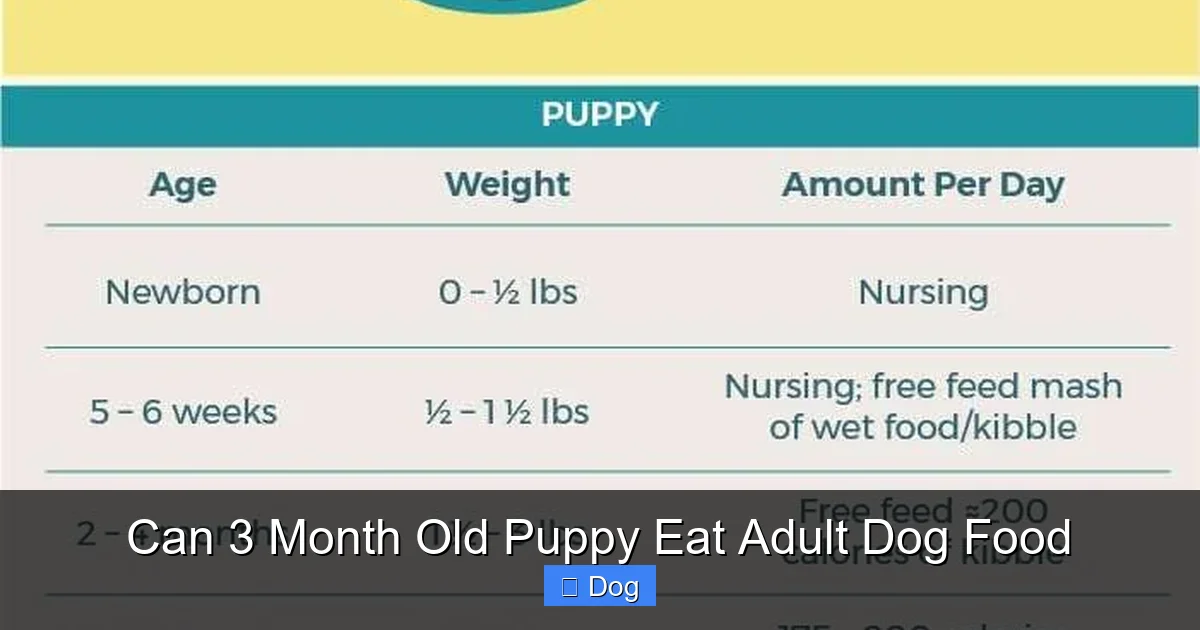
Visual guide about Can 3 Month Old Puppy Eat Adult Dog Food
Image source: thedogtale.com
At 3 months old, your puppy is in the heart of their growth phase. This is when they’re gaining weight quickly, learning to walk, play, and explore the world. Their brains are developing at an astonishing rate, and their immune systems are still maturing. All of this requires a lot of energy and specific nutrients that adult dogs simply don’t need in the same amounts.
Let’s break it down. Puppies need significantly more calories per pound of body weight than adult dogs. In fact, they require about two to three times more energy. This makes sense when you think about it—your puppy is doubling or even tripling in size every few weeks! That kind of growth doesn’t happen on empty calories. It needs high-quality fuel.
Higher Protein Requirements
One of the biggest differences between puppy and adult dog food is protein content. Puppies need more protein to support muscle development, tissue repair, and overall growth. Most high-quality puppy foods contain at least 22-32% protein, compared to 18-25% in adult formulas. This protein should come from real animal sources like chicken, lamb, or fish—not fillers or by-products.
For example, a 3-month-old Labrador puppy might weigh around 15 pounds but needs the same amount of protein as a 70-pound adult dog. That’s a huge difference! Without enough protein, your puppy’s muscles won’t develop properly, and they may become weak or lethargic.
Increased Fat and Caloric Density
Fat is another crucial nutrient for puppies. It provides concentrated energy and helps absorb fat-soluble vitamins like A, D, E, and K. Puppy food typically contains 8-20% fat, compared to 5-15% in adult food. This extra fat supports brain development, healthy skin, and a shiny coat.
DHA (docosahexaenoic acid), an omega-3 fatty acid found in fish oil, is especially important. It plays a key role in brain and vision development. Studies show that puppies fed DHA-rich diets have better learning abilities and sharper eyesight. Adult dog food rarely includes DHA in significant amounts, which is another reason why it’s not suitable for young pups.
Calcium and Phosphorus for Strong Bones
Bone development is one of the most critical aspects of puppy growth. Puppies need the right balance of calcium and phosphorus to build strong, healthy skeletons. Too little calcium can lead to weak bones and stunted growth. Too much—especially in large-breed puppies—can cause rapid bone growth and joint problems like hip dysplasia.
Puppy food is carefully formulated to provide the ideal calcium-to-phosphorus ratio (usually around 1.2:1 to 1.4:1). Adult dog food doesn’t offer this balance, which can disrupt proper bone development. For instance, feeding a large-breed puppy like a Great Dane adult food could accelerate bone growth to dangerous levels, leading to painful orthopedic issues later in life.
Vitamins and Minerals for Immune and Cognitive Health
Puppies also need higher levels of certain vitamins and minerals. Vitamin E supports immune function, while zinc helps with skin health and wound healing. B vitamins are essential for energy metabolism and nervous system function. These nutrients are often more abundant in puppy food to meet the demands of rapid development.
Without these extra nutrients, your puppy may be more susceptible to infections, have slower healing times, or show signs of developmental delays. It’s not just about size—it’s about overall health and resilience.
The Risks of Feeding Adult Dog Food to Puppies
Now that we understand why puppies need specialized nutrition, let’s talk about what happens if you feed them adult dog food. While it might not cause immediate harm, the long-term effects can be serious—and sometimes irreversible.
Stunted Growth and Developmental Delays
One of the most common consequences of feeding adult food to a puppy is stunted growth. Without enough calories, protein, and fat, your puppy simply can’t grow at the rate they should. You might notice they’re smaller than littermates, weaker, or less active. In severe cases, this can lead to permanent size limitations.
For example, a 3-month-old Golden Retriever puppy should weigh around 20-25 pounds. If they’re only 15 pounds and eating adult food, they’re likely not getting the energy they need to thrive. This isn’t just about appearance—it’s about their entire physical development.
Weakened Immune System
Puppies are born with immature immune systems. They rely on nutrients like vitamin E, zinc, and antioxidants to build immunity. Adult dog food often lacks these in sufficient amounts, leaving your puppy more vulnerable to infections, parasites, and illnesses.
A puppy with a weakened immune system may get sick more often, recover more slowly, or develop chronic conditions like skin allergies or digestive issues. This can lead to frequent vet visits, higher medical costs, and a lot of stress for both you and your pup.
Bone and Joint Problems
As mentioned earlier, calcium and phosphorus imbalances are a major concern. Large and giant breed puppies are especially at risk. Feeding them adult food—or even high-calcium puppy food not designed for their size—can cause rapid bone growth. This puts excessive stress on developing joints, increasing the risk of conditions like osteochondritis dissecans (OCD), elbow dysplasia, and hip dysplasia.
These aren’t just minor issues. They can cause chronic pain, lameness, and may require surgery or lifelong medication. The best way to prevent them is by feeding a diet specifically formulated for your puppy’s breed size and growth rate.
Poor Coat and Skin Health
Nutrition directly affects your puppy’s coat and skin. A lack of essential fatty acids like omega-3 and omega-6 can lead to dry, flaky skin, a dull coat, and excessive shedding. You might also notice more scratching, hot spots, or infections.
Puppy food often includes higher levels of these fatty acids to support healthy skin and a shiny, soft coat. Adult food may not provide enough, especially if it’s a lower-quality brand with fillers and artificial ingredients.
Digestive Upsets
Puppies have sensitive digestive systems. Sudden changes in diet—or feeding food that’s too low in fat or protein—can cause diarrhea, vomiting, or constipation. Adult dog food may be harder for a puppy to digest, especially if it contains grains, fillers, or low-quality proteins.
Even if your puppy seems fine at first, chronic digestive issues can lead to malnutrition over time. This is especially dangerous during the first six months, when growth is most rapid.
What Makes Puppy Food Different?
So, what exactly is in puppy food that makes it so important? Let’s take a closer look at the key differences between puppy and adult dog food.
AAFCO Standards for Growth
In the U.S., the Association of American Feed Control Officials (AAFCO) sets nutritional standards for pet food. Foods labeled for “growth” or “all life stages” must meet higher requirements for protein, fat, calcium, and other nutrients. These standards ensure that puppy food provides everything a growing dog needs.
When shopping for puppy food, look for a statement on the label like:
“Formulated to meet the nutritional levels established by the AAFCO Dog Food Nutrient Profiles for Growth.”
This means the food has been tested and approved for puppies.
Higher Caloric Density
Puppy food is more calorie-dense than adult food. This means your puppy gets more energy in smaller portions, which is important since their stomachs are still small. For example, a 3-month-old puppy might only eat 1/2 to 1 cup of food per day, but that small amount needs to pack a nutritional punch.
High-calorie puppy food helps prevent overfeeding while ensuring your pup gets enough energy. Adult food, by contrast, is designed for maintenance and may leave your puppy hungry or undernourished.
Smaller Kibble Size
Many puppy foods come in smaller kibble pieces, making it easier for tiny mouths to chew and digest. This is especially helpful for small breeds like Chihuahuas or Pomeranians. Adult kibble can be too large and hard, leading to choking or difficulty eating.
Some brands even offer breed-specific puppy food with kibble shapes designed for different jaw sizes. For example, Royal Canin and Hill’s Science Diet have formulas tailored to small, medium, and large breeds.
Added DHA and Brain-Boosting Nutrients
As mentioned earlier, DHA is a standout ingredient in quality puppy food. It’s often sourced from fish oil or algae and supports cognitive development. Puppies fed DHA-rich diets tend to learn commands faster, have better problem-solving skills, and show improved memory.
Other brain-boosting nutrients like choline and L-carnitine are also common in puppy formulas. These help with nerve function, energy metabolism, and overall brain health.
Probiotics and Digestive Support
Many premium puppy foods include probiotics—beneficial bacteria that support gut health. These help maintain a healthy balance of microorganisms in the digestive tract, reducing the risk of diarrhea and improving nutrient absorption.
Ingredients like prebiotic fibers (such as beet pulp or chicory root) also promote healthy digestion. This is especially important during the weaning period and early growth stages.
When Can Puppies Switch to Adult Dog Food?
Now that we’ve established that 3-month-old puppies shouldn’t eat adult food, the next question is: When is the right time to make the switch?
The answer depends on your puppy’s breed and size. Small breeds (under 20 pounds) mature faster and can usually switch to adult food around 9 to 12 months of age. Medium breeds (20-50 pounds) typically transition between 12 and 15 months. Large and giant breeds (over 50 pounds) may need to stay on puppy food until 15 to 18 months—or even longer.
Why Timing Matters
Large-breed puppies grow more slowly and need controlled nutrition to prevent joint problems. Feeding them adult food too early can lead to rapid weight gain and bone issues. That’s why many vets recommend large-breed puppy food, which has lower calcium and calorie levels to support steady, healthy growth.
For example, a Great Dane puppy might not reach full size until 18-24 months. Switching to adult food too soon could disrupt this process and cause long-term damage.
How to Transition Safely
When it’s time to switch, do it gradually over 7 to 10 days. Start by mixing 25% adult food with 75% puppy food for a few days. Then increase to 50/50, then 75% adult, and finally 100% adult food. This helps your puppy’s digestive system adjust and reduces the risk of stomach upset.
Watch for signs of intolerance, such as diarrhea, vomiting, or loss of appetite. If these occur, slow down the transition or consult your vet.
Choosing the Right Puppy Food
Not all puppy foods are created equal. With so many options on the market, how do you pick the best one for your 3-month-old pup?
Look for High-Quality Ingredients
Start by checking the ingredient list. The first ingredient should be a named animal protein, like “chicken” or “salmon”—not “meat meal” or “by-product meal.” Avoid foods with fillers like corn, soy, or wheat, which offer little nutritional value.
Look for whole grains like brown rice or oats, healthy fats like chicken fat or flaxseed, and natural preservatives like mixed tocopherols (vitamin E).
Check the Guaranteed Analysis
The guaranteed analysis on the label shows the minimum percentages of protein and fat, and maximum percentages of fiber and moisture. For puppies, aim for:
– Protein: 22% or higher
– Fat: 8% or higher
– Calcium: 1.0–1.8% (depending on breed size)
Avoid foods with excessive calcium, especially for large breeds.
Consider Your Puppy’s Breed and Size
Some puppies have special needs. Small breeds may benefit from higher-calorie food to maintain energy, while large breeds need controlled growth formulas. Talk to your vet about breed-specific recommendations.
For example, a 3-month-old Dachshund will have very different needs than a 3-month-old Mastiff. Feeding the wrong type of food can lead to health problems down the line.
Consult Your Veterinarian
Your vet is your best resource when it comes to nutrition. They can assess your puppy’s growth, recommend a feeding schedule, and suggest brands that meet their needs. They may also recommend supplements if your puppy has special health concerns.
Signs Your Puppy Isn’t Getting the Right Nutrition
Even with the best intentions, it’s possible to miss signs that your puppy isn’t thriving. Here are some red flags to watch for:
– Slow or uneven growth: Your puppy isn’t gaining weight or is smaller than expected.
– Lethargy or low energy: They sleep a lot and don’t want to play.
– Dull, dry coat or excessive shedding: Indicates a lack of fatty acids or protein.
– Digestive issues: Diarrhea, vomiting, or constipation that lasts more than a day.
– Weakness or difficulty walking: Could signal bone or muscle problems.
– Frequent illnesses: Colds, ear infections, or skin issues that keep coming back.
If you notice any of these signs, talk to your vet right away. Early intervention can prevent long-term problems.
Conclusion
Feeding your 3-month-old puppy is about more than just filling their bowl. It’s about giving them the foundation for a healthy, happy life. While adult dog food might seem like a convenient option, it simply doesn’t provide the nutrition your growing pup needs.
Puppies require more calories, protein, fat, and key nutrients like DHA, calcium, and vitamins to support their rapid development. Adult food lacks these in the right amounts and can lead to stunted growth, weak bones, immune problems, and other serious issues.
Instead, choose a high-quality puppy food that meets AAFCO standards for growth. Look for real meat as the first ingredient, balanced calcium levels, and added brain-boosting nutrients. Feed according to your puppy’s breed, size, and activity level, and always consult your veterinarian for personalized advice.
Remember, the first year of your puppy’s life is critical. What you feed them now will impact their health for years to come. So skip the adult kibble, invest in the right food, and give your pup the best possible start. Your future self—and your loyal, thriving dog—will thank you.
Frequently Asked Questions
Can I mix adult dog food with puppy food for my 3 month old?
It’s not recommended to mix adult dog food with puppy food for a 3-month-old. Puppies have very specific nutritional needs, and adult food dilutes the essential nutrients they require for growth. Stick to 100% high-quality puppy food until your vet advises otherwise.
What happens if my puppy accidentally eats adult dog food?
One accidental meal won’t harm your puppy, but don’t make it a habit. A single serving of adult food is unlikely to cause issues, but consistent feeding can lead to malnutrition, digestive upset, or developmental problems over time.
Can small breed puppies eat large breed puppy food?
No, small breed puppies should not eat large breed puppy food. Large breed formulas have lower calcium and calorie levels to prevent rapid growth. Small breeds need higher energy density to support their fast metabolism and growth rate.
How often should I feed my 3 month old puppy?
At 3 months old, puppies should be fed 3 to 4 small meals per day. This helps maintain steady energy levels and supports their rapid growth. Follow the feeding guidelines on your puppy food package and adjust based on your vet’s advice.
Is wet puppy food better than dry?
Both wet and dry puppy food can be nutritious. Wet food has higher moisture content, which can help with hydration, while dry kibble supports dental health. Many owners use a mix of both. Choose a high-quality brand that meets AAFCO standards for growth.
Can I make homemade puppy food instead of using commercial brands?
Homemade puppy food is possible but requires careful planning to ensure balanced nutrition. It’s easy to miss key nutrients like calcium, DHA, or taurine. If you choose this route, work with a veterinary nutritionist to create a complete, balanced recipe.