
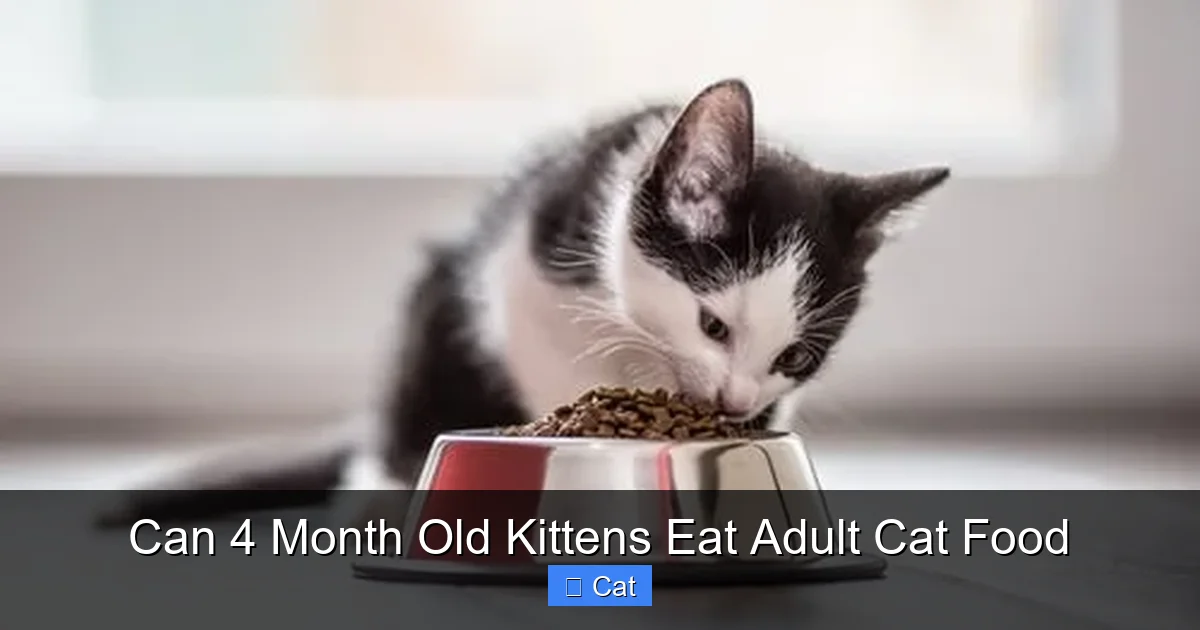
Four-month-old kittens should not regularly eat adult cat food because it lacks the essential nutrients they need for healthy growth. While an occasional small amount won’t harm them, consistent feeding of adult food can lead to developmental issues. Always choose high-quality kitten-specific formulas to support their rapid development.
Key Takeaways
- Kittens have unique nutritional needs: At 4 months old, kittens require more protein, fat, calories, and key vitamins like DHA and taurine than adult cats to support brain, bone, and muscle development.
- Adult cat food is not formulated for growth: Adult formulas contain lower levels of essential nutrients and may lack the calorie density needed for a growing kitten’s high energy demands.
- Short-term exposure is low risk, but long-term feeding is harmful: A few accidental bites of adult food won’t hurt, but making it a regular part of their diet can stunt growth and cause health problems.
- Look for AAFCO-approved kitten food: Always choose food labeled “for kittens” or “all life stages” that meets AAFCO nutritional standards to ensure balanced nutrition.
- Transition gradually if switching foods: If you need to change your kitten’s diet, do so over 7–10 days by mixing increasing amounts of the new food with the old to avoid digestive upset.
- Consult your veterinarian for personalized advice: Every kitten is different—your vet can recommend the best diet based on breed, size, activity level, and health status.
- Monitor your kitten’s growth and behavior: Healthy kittens gain weight steadily, have bright eyes, playful energy, and normal digestion—signs they’re getting proper nutrition.
📑 Table of Contents
- Can 4 Month Old Kittens Eat Adult Cat Food? The Truth Every Cat Owner Should Know
- Why Nutrition Matters So Much for 4-Month-Old Kittens
- What’s the Difference Between Kitten Food and Adult Cat Food?
- What Happens If a 4-Month-Old Kitten Eats Adult Cat Food?
- When Is It Okay for a Kitten to Eat Adult Food?
- How to Choose the Best Food for Your 4-Month-Old Kitten
- Practical Tips for Feeding Your 4-Month-Old Kitten
- Conclusion: Prioritize Your Kitten’s Growth with the Right Nutrition
Can 4 Month Old Kittens Eat Adult Cat Food? The Truth Every Cat Owner Should Know
So, you’ve just brought home an adorable 4-month-old kitten, and you’re doing everything right—litter training, playtime, cuddles—but when it comes to food, you might be wondering: *Can my kitten eat the same food as my adult cat?* It’s a common question, especially in multi-cat households where convenience often leads to shared bowls. After all, it’s just cat food, right? Not so fast.
While it might seem harmless to let your little furball nibble from your older cat’s bowl, the truth is that 4-month-old kittens have very different nutritional needs than adult cats. Their bodies are growing at an incredible rate—sometimes doubling in size within just a few weeks! This rapid development demands a diet rich in specific nutrients that adult cat food simply doesn’t provide in the right amounts. Feeding adult food regularly to a kitten isn’t just suboptimal—it can actually hinder their growth and long-term health.
In this guide, we’ll dive deep into why kitten food exists, what makes it different from adult formulas, and what really happens when a young kitten eats food meant for grown cats. Whether you’re a first-time kitten parent or a seasoned cat lover, understanding your kitten’s dietary needs is one of the most important things you can do to set them up for a healthy, happy life.
Why Nutrition Matters So Much for 4-Month-Old Kittens
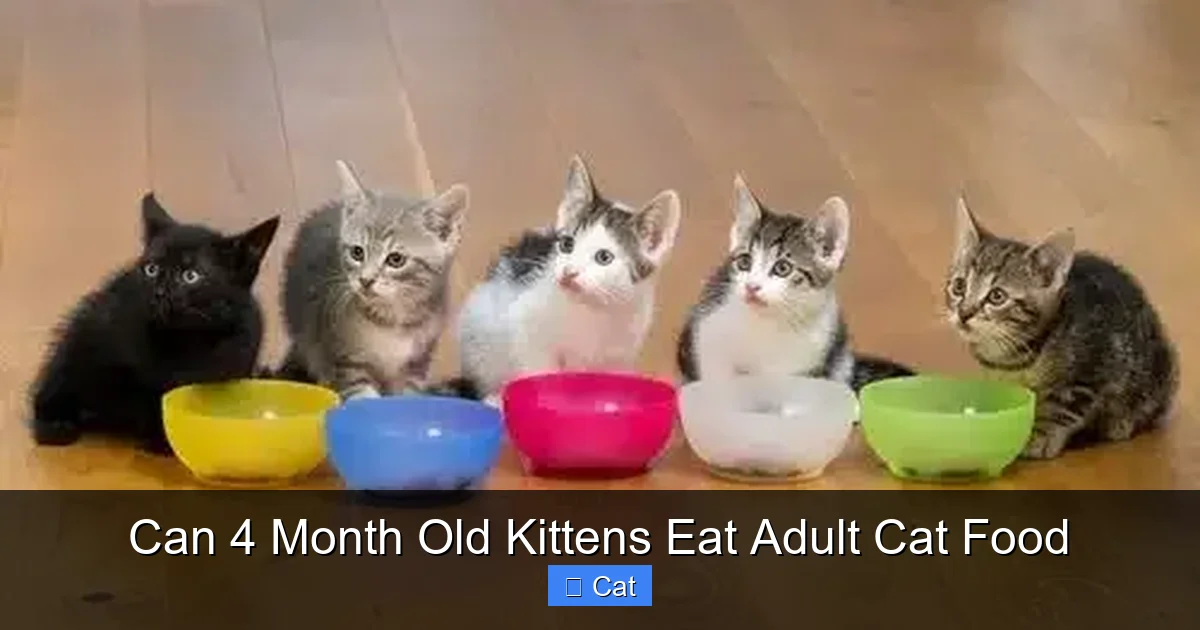
Visual guide about Can 4 Month Old Kittens Eat Adult Cat Food
Image source: pd.com.au
At four months old, your kitten is in the heart of its most critical growth phase. Think of it like human toddlers—constantly moving, learning, and developing. But unlike human babies, kittens grow at a lightning-fast pace. In just six months, they can go from weighing less than a pound to several pounds, with their bones, muscles, brain, and immune system all maturing rapidly.
This explosive growth requires a lot of energy and specific building blocks. Kittens need significantly more calories per pound of body weight than adult cats—sometimes up to three times as much! They also need higher levels of protein to build muscle, fat for energy and brain development, and essential fatty acids like DHA (docosahexaenoic acid) for vision and cognitive function.
Moreover, kittens are still developing their digestive systems and immune defenses. Their tiny bodies are more vulnerable to nutritional deficiencies, which can lead to serious health issues like weak bones, poor coat quality, delayed development, or even heart problems. For example, a lack of taurine—an amino acid found in high-quality animal proteins—can cause blindness and heart disease in cats, regardless of age.
That’s why kitten-specific food is formulated with these needs in mind. It’s not just “more food”—it’s *smarter* food, designed to deliver the right balance of nutrients at the right time. Adult cat food, on the other hand, is made for maintenance, not growth. It’s lower in calories, protein, and key vitamins, which means it simply can’t keep up with a kitten’s demands.
The Science Behind Kitten Growth and Development
Let’s break it down: during the first year of life, a kitten’s body undergoes more changes than at any other time. Their brain size increases dramatically, their bones lengthen and strengthen, and their organs mature. This isn’t just about getting bigger—it’s about becoming a fully functional adult cat.
For instance, the first six months are crucial for skeletal development. Kittens need ample calcium and phosphorus to build strong bones and teeth. But too much or too little of these minerals can cause deformities like rickets or joint issues. Kitten food is carefully balanced to provide the right ratio.
Similarly, the nervous system relies heavily on omega-3 fatty acids, especially DHA, which supports retinal and brain development. Studies have shown that kittens fed diets rich in DHA perform better in learning and memory tests. Adult cat food often contains lower levels of these fatty acids because adult brains aren’t developing at the same pace.
Even the immune system benefits from targeted nutrition. Kittens lose maternal antibodies around 8–12 weeks, making them more susceptible to infections. A diet rich in antioxidants, vitamins A and E, and high-quality proteins helps strengthen their natural defenses during this vulnerable window.
In short, feeding a kitten adult food is like giving a race car regular gasoline instead of high-octane fuel—it might run, but it won’t perform at its best, and long-term damage is likely.
What’s the Difference Between Kitten Food and Adult Cat Food?
At first glance, kitten food and adult cat food might look similar—both come in kibble or wet forms, often from the same brands. But the differences run much deeper than packaging. The nutritional profiles are tailored to the life stage of the cat, and those differences are critical for a growing kitten.
Let’s compare the key components:
Protein Content
Kittens need a high-protein diet to support muscle growth, tissue repair, and enzyme production. Most high-quality kitten foods contain at least 30–40% protein, often sourced from real meat like chicken, turkey, or fish. Adult cat food, by contrast, typically ranges from 26–30% protein—enough for maintenance, but not ideal for rapid growth.
For example, a popular kitten kibble might list “deboned chicken” as the first ingredient, followed by chicken meal and eggs—all high-quality, digestible proteins. An adult formula might start with chicken by-product meal or corn gluten meal, which are less bioavailable and don’t provide the same amino acid profile.
Fat and Calorie Density
Fat is a concentrated source of energy, and kittens burn through it quickly. Kitten food is typically higher in fat—around 15–20%—compared to 10–15% in adult food. This extra fat provides the calories needed for play, exploration, and growth.
Calorie-wise, kitten food can have 20–30% more calories per cup than adult food. A 4-month-old kitten might need 200–300 calories per day, depending on size and activity level. If they’re eating adult food, they may need to eat more volume to meet their needs, which can lead to digestive issues or picky eating.
Essential Vitamins and Minerals
Kitten food is fortified with higher levels of key nutrients:
– **Taurine:** Essential for heart and eye health. Deficiency can lead to cardiomyopathy and blindness.
– **DHA:** Supports brain and vision development. Found in fish oil and egg yolks.
– **Calcium and Phosphorus:** Crucial for bone growth. The ideal Ca:P ratio is around 1.2:1.
– **Vitamin A:** Important for vision, immune function, and skin health.
– **Folic Acid and B Vitamins:** Aid in metabolism and red blood cell production.
Adult food contains these too, but in lower amounts, since adult cats aren’t growing and have lower metabolic demands.
AAFCO Standards and Life Stage Labeling
The Association of American Feed Control Officials (AAFCO) sets nutritional guidelines for pet food. Look for labels that say “formulated to meet the nutritional levels established by the AAFCO Cat Food Nutrient Profiles for Growth” or “for kittens.” This ensures the food has been tested or formulated to support growth.
Adult food, on the other hand, is labeled for “maintenance,” meaning it meets the needs of non-growing, non-reproducing cats. Feeding a kitten maintenance food long-term is like feeding a teenager a senior citizen’s diet—it just doesn’t make sense.
What Happens If a 4-Month-Old Kitten Eats Adult Cat Food?
Now, let’s address the big question: *Is it really that bad if my kitten eats adult food once in a while?*
The short answer: **occasional exposure is unlikely to cause harm, but regular feeding can lead to serious problems.**
If your kitten sneaks a few pieces of adult kibble from your other cat’s bowl, don’t panic. Their digestive system can handle it in small amounts. But if adult food becomes a staple, several issues can arise.
Stunted Growth and Development
Without enough calories, protein, and essential nutrients, a kitten may fail to gain weight at the expected rate. You might notice they’re smaller than littermates, less active, or seem “behind” in milestones like playing, climbing, or exploring.
For example, a healthy 4-month-old kitten should weigh between 3.5 to 5 pounds, depending on breed. If they’re consistently underweight despite eating, adult food could be the culprit.
Weakened Immune System
Kittens fed inadequate diets are more prone to infections like upper respiratory viruses, parasites, or urinary tract issues. Their bodies simply don’t have the resources to fight off illness effectively.
Bone and Joint Problems
Imbalanced calcium and phosphorus levels can lead to skeletal deformities. Large-breed kittens, like Maine Coons or Ragdolls, are especially at risk. Conditions like osteodystrophy (soft, deformed bones) can develop if nutrition isn’t optimal.
Dental and Oral Health Issues
Kittens are teething at this age, and proper nutrition supports healthy tooth development. Poor diets can lead to weak enamel or delayed tooth eruption.
Long-Term Health Risks
Chronic nutritional deficiencies in kittenhood can have lifelong consequences. For instance, taurine deficiency can cause irreversible heart damage (dilated cardiomyopathy) even if corrected later. Similarly, poor brain development due to low DHA may affect learning and behavior.
Digestive Upset
Adult food is often less digestible for kittens. They may experience diarrhea, vomiting, or constipation if their system isn’t used to processing lower-quality ingredients or different fiber levels.
Picky Eating Habits
If a kitten gets used to the taste and texture of adult food, they may refuse kitten food later, making it harder to transition to a proper diet.
When Is It Okay for a Kitten to Eat Adult Food?
So, is there *any* scenario where a 4-month-old kitten can safely eat adult cat food?
The answer is: **only in rare, temporary situations—and never as a long-term solution.**
Emergency Situations
If you run out of kitten food and can’t get more immediately, feeding a small amount of high-quality adult food for a day or two is acceptable. Choose a premium brand with real meat as the first ingredient and avoid fillers like corn, soy, or artificial additives.
But don’t make it a habit. As soon as possible, return to kitten-specific food.
Multi-Cat Households
If you have both kittens and adult cats, it’s best to feed them separately. Use timed feeders, feed in different rooms, or supervise mealtimes to prevent the kitten from eating adult food.
Some owners use “all life stages” food, which meets the nutritional needs of both kittens and adults. These formulas are AAFCO-approved for growth and maintenance, making them a safe compromise—but they’re still not ideal for kittens compared to dedicated kitten food.
Transitioning to Adult Food
Kittens should stay on kitten food until they’re about 10–12 months old, or until they reach full size (which varies by breed). Large breeds may need kitten food even longer.
When it’s time to switch, do it gradually over 7–10 days. Start by mixing 25% adult food with 75% kitten food, then increase the ratio every few days. This helps prevent digestive upset and gives your cat time to adjust.
How to Choose the Best Food for Your 4-Month-Old Kitten
Now that you know why kitten food is essential, how do you pick the right one?
Here’s a step-by-step guide to choosing a high-quality, nutritious diet for your growing kitten.
1. Look for AAFCO Approval
Check the label for a statement like:
“[Brand] is formulated to meet the nutritional levels established by the AAFCO Cat Food Nutrient Profiles for Growth.”
This ensures the food has been tested or formulated to support kitten development.
2. Prioritize High-Quality Protein
The first ingredient should be a named animal protein—like “chicken,” “salmon,” or “turkey”—not “meat meal” or “by-products.” Avoid foods that list grains or fillers (corn, wheat, soy) before meat.
3. Check the Fat and Calorie Content
Look for at least 15% fat and high calorie density (usually listed as kcal/kg or kcal/cup). Kittens need energy to grow and play.
4. Ensure DHA and Taurine Are Included
These nutrients are critical for brain and eye health. DHA is often listed as “fish oil” or “salmon oil.” Taurine should be clearly added, as it’s not always naturally present in sufficient amounts.
5. Choose Wet, Dry, or a Combination
Both wet and dry kitten food can be nutritious. Wet food provides hydration and is often more palatable, while dry food is convenient and can help with dental health. Many owners use a mix of both.
6. Avoid Artificial Additives
Steer clear of artificial colors, flavors, and preservatives like BHA, BHT, or ethoxyquin. Natural preservatives like mixed tocopherols (vitamin E) are safer.
7. Consider Your Kitten’s Preferences
Some kittens prefer pâté, others like chunks in gravy. Try a few varieties to see what your kitten enjoys—just make sure it’s nutritionally complete.
8. Consult Your Veterinarian
Your vet can recommend brands based on your kitten’s breed, size, and health. They may also suggest prescription diets if your kitten has special needs.
Practical Tips for Feeding Your 4-Month-Old Kitten
Feeding a kitten isn’t just about the food—it’s about routine, portion control, and observation.
Feeding Schedule
At 4 months old, kittens should be fed 3–4 small meals per day. This matches their small stomach size and high metabolism. Free-feeding (leaving food out all day) can lead to overeating or picky habits.
Portion Sizes
Follow the feeding guidelines on the food package, but adjust based on your kitten’s weight and activity level. A typical 4-month-old might eat ½ to ¾ cup of dry food per day, split into meals. Wet food portions vary by can size—usually 1–2 cans daily.
Fresh Water
Always provide clean, fresh water. Kittens can become dehydrated quickly, especially if eating dry food.
Monitor Growth
Weigh your kitten weekly. Healthy kittens gain about 1 pound per month. Sudden weight loss or lack of gain is a red flag.
Watch for Digestive Issues
Normal kitten poop is firm and brown. Diarrhea, vomiting, or constipation could signal food intolerance or illness.
Introduce New Foods Gradually
If switching brands or types, mix the old and new food over 7–10 days to avoid stomach upset.
Keep Adult Food Out of Reach
Store adult cat food in sealed containers and feed adult cats in separate areas to prevent kitten access.
Conclusion: Prioritize Your Kitten’s Growth with the Right Nutrition
So, can 4-month-old kittens eat adult cat food? The answer is clear: **not as a regular diet.** While an occasional taste won’t cause harm, consistent feeding of adult food deprives growing kittens of the essential nutrients they need to thrive.
At this critical stage of life, your kitten’s body is building the foundation for a healthy adulthood. Every meal matters. By choosing high-quality, AAFCO-approved kitten food, you’re giving them the best possible start—supporting strong bones, sharp vision, a robust immune system, and a playful, energetic spirit.
Remember, kitten food isn’t just “baby food”—it’s scientifically formulated fuel for growth. Adult food, no matter how premium, simply can’t meet those demands. Whether you’re feeding one kitten or managing a multi-cat home, prioritize their nutritional needs and feed them appropriately.
And when in doubt, consult your veterinarian. They’re your best resource for personalized advice and can help you navigate feeding challenges, dietary transitions, and health concerns.
Your kitten is counting on you—not just for love and cuddles, but for the right food at the right time. Make every bite count.
Frequently Asked Questions
Can I mix kitten and adult cat food?
It’s not recommended to regularly mix kitten and adult food, as adult food lacks the nutrients kittens need. However, in emergencies, a small amount of high-quality adult food can be mixed temporarily. Always return to kitten-specific food as soon as possible.
How long should kittens eat kitten food?
Kittens should eat kitten food until they’re about 10–12 months old, or until they reach full adult size. Large breeds may need kitten food longer. Consult your vet for breed-specific guidance.
What if my kitten refuses kitten food?
Try warming wet food slightly, mixing in broth (make sure it’s cat-safe and low-sodium), or offering different textures. If refusal persists, consult your vet to rule out health issues or food intolerances.
Is wet or dry kitten food better?
Both can be nutritious. Wet food provides hydration and is often more appealing, while dry food is convenient and can support dental health. Many owners use a combination for balance.
Can I feed my kitten homemade food instead of commercial kitten food?
Homemade diets can be risky unless formulated by a veterinary nutritionist. Kittens have precise nutritional needs, and imbalanced homemade meals can lead to deficiencies. If considering homemade food, work with your vet to ensure it’s complete and balanced.
What should I do if my kitten accidentally eats a lot of adult food?
Monitor for signs of digestive upset like vomiting or diarrhea. If symptoms persist or your kitten seems lethargic, contact your vet. In most cases, a single incident won’t cause long-term harm, but avoid repeating it.