
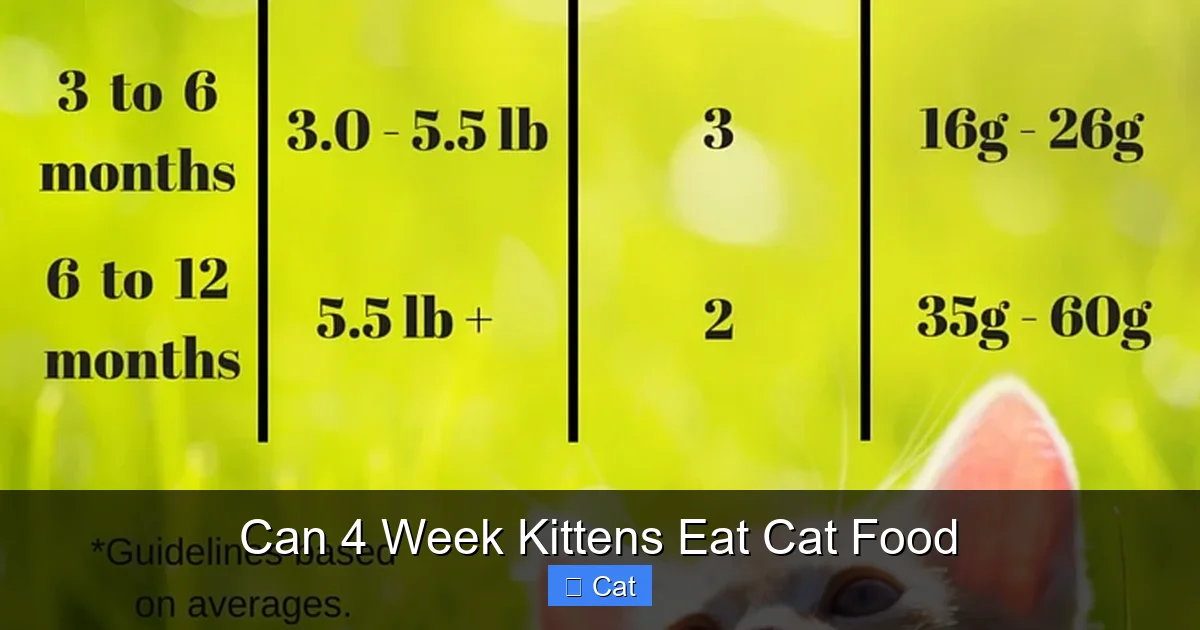
At 4 weeks old, kittens can begin eating softened cat food, but they still rely heavily on mother’s milk or formula. It’s crucial to use high-quality, kitten-specific wet food mixed with water or formula to make it easy to eat. Always consult your vet before making dietary changes.
Welcoming a litter of 4-week-old kittens into your home—or even just caring for one—is an exciting and heartwarming experience. These tiny, wide-eyed bundles of fur are growing fast, and their nutritional needs are evolving just as quickly. At this stage, they’re no longer newborns, but they’re still far from independent eaters. One of the most common questions new kitten caregivers ask is: Can 4 week kittens eat cat food? The short answer is yes—but with important caveats.
At four weeks old, kittens are in the early stages of weaning. This means they’re starting to transition from a diet of solely mother’s milk (or kitten formula if orphaned) to solid food. While they can begin eating softened cat food, it’s not a full replacement for milk yet. Think of it as a supplement—a way to introduce them to new textures and flavors while still relying on liquid nutrition for the majority of their calories and immune support. It’s a delicate balance, and getting it right sets the foundation for healthy growth, strong bones, and a robust immune system.
Understanding what, when, and how to feed 4-week-old kittens is essential. Feeding them the wrong type of food, too early, or in the wrong way can lead to digestive issues, malnutrition, or even life-threatening complications. That’s why it’s so important to follow best practices and seek guidance from a veterinarian. In this article, we’ll walk you through everything you need to know about feeding kittens at this critical stage—from the types of food that are safe and appropriate, to how to prepare and serve it, and what signs to watch for to ensure your kittens are thriving.
Key Takeaways
- 4-week-old kittens can start eating softened cat food: They are beginning the weaning process and can handle small amounts of wet kitten food mixed with liquid.
- Mother’s milk or formula remains essential: Solid food supplements but doesn’t replace milk at this stage—nutrition from milk is still primary.
- Use only kitten-specific wet food: Adult cat food lacks the nutrients growing kittens need and may be too hard to digest.
- Soften food with warm water or formula: This makes it easier for tiny mouths and developing teeth to eat and digest.
- Introduce food gradually and monitor closely: Watch for signs of digestive upset, refusal to eat, or dehydration.
- Clean feeding areas and utensils daily: Young kittens are vulnerable to infections, so hygiene is critical.
- Consult a veterinarian for personalized advice: Every kitten develops at a different pace—professional guidance ensures proper nutrition.
📑 Table of Contents
- Understanding Kitten Development at 4 Weeks
- What Type of Cat Food Is Safe for 4-Week-Old Kittens?
- How to Prepare and Serve Cat Food to 4-Week-Old Kittens
- Monitoring Your Kitten’s Response to Solid Food
- Common Mistakes to Avoid When Feeding 4-Week-Old Kittens
- The Role of the Mother Cat and Social Learning
- When to Consult a Veterinarian
- Conclusion
Understanding Kitten Development at 4 Weeks
At four weeks of age, kittens are undergoing significant physical and developmental changes. They’re no longer completely helpless—they can now see and hear clearly, their eyes are fully open, and they’re starting to explore their surroundings with wobbly steps. Their teeth are beginning to emerge, with tiny incisors popping through the gums, which is a key sign that they’re ready to start chewing.
This developmental milestone is directly tied to their nutritional needs. While mother’s milk (or high-quality kitten formula) has provided all the nutrients they’ve needed up to this point, their growing bodies now require additional sources of protein, fat, and calories to support rapid growth. Kittens can gain up to 10 grams per day at this stage, and their energy demands are enormous—up to three times that of an adult cat.
Weaning typically begins around 3 to 4 weeks of age and continues until about 7 or 8 weeks. During this time, kittens gradually reduce their dependence on milk and increase their intake of solid food. At 4 weeks, they’re just starting this process. They may show curiosity about their mother eating or try to nibble on food she’s eating, but they’re not yet ready for a full solid diet.
It’s also important to note that every kitten develops at its own pace. Some may be eager to try food at 4 weeks, while others may take a few more days or even a week to show interest. Factors like litter size, health, and whether the kitten is with its mother can all influence this timeline. If you’re caring for orphaned kittens, you’ll need to take a more active role in introducing food and monitoring their progress.
Physical and Behavioral Signs of Readiness
So how do you know if your 4-week-old kitten is ready to start eating cat food? Look for these key signs:
– Interest in solid food: The kitten may sniff, paw at, or try to eat food that the mother is eating.
– Emerging teeth: Tiny white teeth, especially the front incisors, are a good indicator that chewing is becoming possible.
– Increased activity and exploration: Kittens at this age are more mobile and curious, which often coincides with readiness to eat.
– Decreased nursing frequency: While they still nurse often, you may notice they’re not drinking as much milk as before.
If your kitten shows these signs, it’s a good time to begin introducing softened cat food. But remember—this is a gradual process. Start with small amounts and be patient. Some kittens may take to it immediately, while others may need a few tries before they accept it.
What Type of Cat Food Is Safe for 4-Week-Old Kittens?
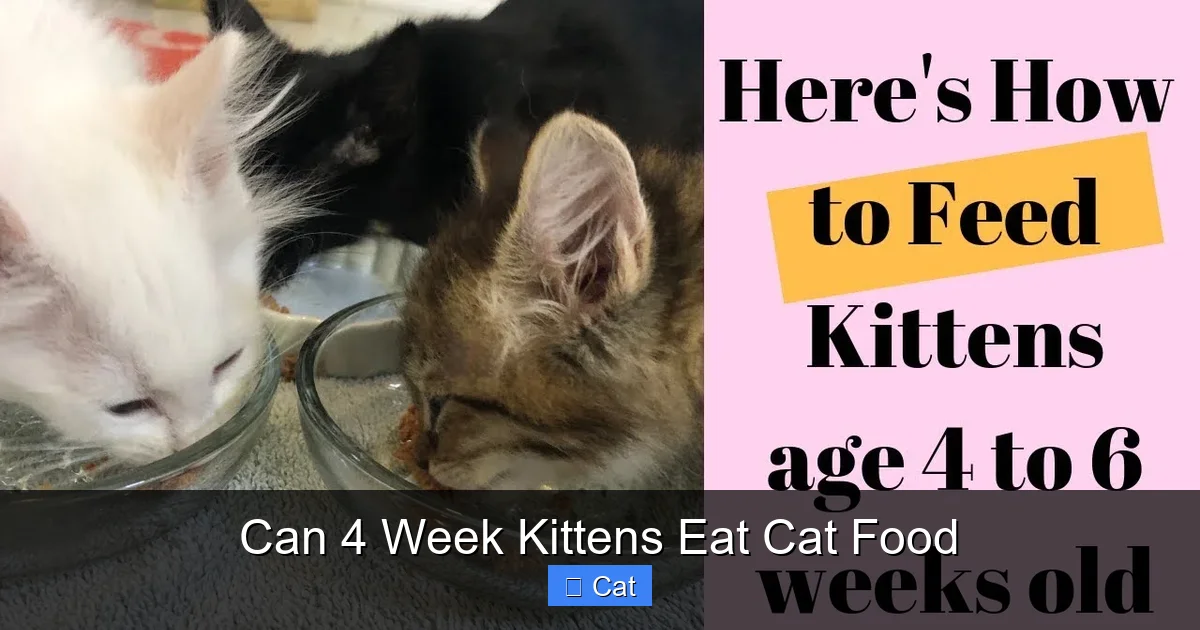
Visual guide about Can 4 Week Kittens Eat Cat Food
Image source: i.ytimg.com
Not all cat food is created equal—especially when it comes to kittens. At 4 weeks old, their digestive systems are still developing, and they require a diet that’s rich in specific nutrients to support growth. The best option is high-quality, grain-free wet kitten food that’s specifically formulated for kittens.
Why Kitten-Specific Food Matters
Kitten food is specially designed to meet the unique nutritional needs of growing cats. It contains higher levels of protein, fat, calories, and essential vitamins and minerals like calcium, phosphorus, and DHA (an omega-3 fatty acid important for brain and eye development). Adult cat food, even if it’s wet, doesn’t provide the same balance and can leave kittens deficient in key nutrients.
Look for labels that say “complete and balanced for growth” or “for kittens” as per guidelines from the Association of American Feed Control Officials (AAFCO). Avoid foods with fillers like corn, soy, or artificial preservatives, as these offer little nutritional value and may be harder for young kittens to digest.
Wet vs. Dry Food at 4 Weeks
At this age, wet food is strongly recommended. Dry kibble is too hard for 4-week-old kittens to chew and swallow safely. Their tiny teeth and underdeveloped jaws aren’t ready for crunchy textures, and attempting to eat dry food could lead to choking or digestive blockages.
Wet food, on the other hand, is soft, moist, and easy to eat—especially when softened further with liquid. It also helps keep kittens hydrated, which is crucial since they’re still learning to drink water consistently.
Recommended Ingredients
When choosing a kitten food, check the ingredient list. The first ingredient should be a high-quality animal protein, such as:
– Chicken
– Turkey
– Duck
– Salmon
– Lamb
Avoid foods where meat by-products or unnamed meat meals are listed first. These can be lower in nutritional value and may contain parts not suitable for young kittens.
Also, look for added taurine—an essential amino acid that supports heart health, vision, and immune function. Kittens cannot produce enough taurine on their own, so it must come from their diet.
Homemade or Raw Diets: Should You Consider Them?
While some pet owners prefer homemade or raw diets, these are generally not recommended for 4-week-old kittens without veterinary supervision. Preparing a nutritionally balanced homemade diet requires precise knowledge of feline nutrition, and mistakes can lead to serious deficiencies or health problems.
Raw diets also carry risks of bacterial contamination (like Salmonella or E. coli), which can be especially dangerous for young, immunocompromised kittens. If you’re interested in alternative diets, talk to your vet first and consider waiting until the kitten is older and stronger.
How to Prepare and Serve Cat Food to 4-Week-Old Kittens
Introducing solid food to a 4-week-old kitten isn’t as simple as placing a bowl of food in front of them. It requires preparation, patience, and a gentle approach. The goal is to make the food as easy and appealing as possible for their tiny mouths and developing digestive systems.
Softening the Food
The most important step is to soften the wet kitten food with a liquid. This creates a porridge-like consistency that’s easy to lap up and digest. You can use:
– Warm water (not hot—just slightly above room temperature)
– Kitten milk replacer (KMR), such as KMR Liquid or powder mixed according to instructions
– Goat’s milk (only if recommended by your vet, as some kittens may be sensitive)
To prepare, place a small amount of wet kitten food in a shallow dish and add a few drops of warm liquid. Mash it with a fork or spoon until it reaches a smooth, soupy texture. The consistency should be similar to yogurt or applesauce.
Serving Temperature and Texture
Kittens prefer food that’s slightly warm—around body temperature (about 100°F or 38°C). Cold food may be unappealing and harder to digest. Always test the temperature on your wrist before offering it to the kitten.
Avoid over-mixing or making the food too runny. While it should be soft, it still needs some texture to encourage chewing and jaw development. A good rule of thumb: if the kitten can easily lick it up but still has to work a little to get it, the consistency is right.
Feeding Tools and Techniques
Use a shallow, non-slip dish or even a clean plastic lid to serve the food. Kittens at this age have small mouths and may struggle with deep bowls. You can also use a soft-tipped syringe (without the needle) or a small spoon to gently offer food, especially if the kitten is hesitant.
Some kittens may need encouragement. You can dip your finger in the softened food and let them lick it off, or place a tiny bit on their lip to spark interest. Never force-feed a kitten—this can cause stress and aspiration (inhaling food into the lungs).
Feeding Frequency and Portion Size
At 4 weeks, kittens should be offered solid food 3 to 4 times per day, in addition to regular nursing or bottle-feeding sessions. Start with very small amounts—about 1–2 teaspoons per feeding—and increase gradually as they show interest and ability to eat.
Monitor how much they eat and adjust portions accordingly. Some kittens may only take a few licks at first, which is perfectly normal. The goal is to supplement their diet, not replace milk entirely at this stage.
Hydration Is Key
Even though wet food provides moisture, make sure fresh water is always available in a shallow dish. Some kittens may not drink much at first, but exposure helps them learn. You can also encourage drinking by placing the water dish near the food.
Monitoring Your Kitten’s Response to Solid Food
Once you’ve started introducing cat food, it’s essential to closely monitor your kitten’s health and behavior. This helps ensure they’re tolerating the new food well and getting the nutrition they need.
Signs of Successful Weaning
Positive signs that your kitten is adapting well to solid food include:
– Eating the food willingly and finishing most of it
– Gaining weight steadily (use a kitchen scale to track daily or every other day)
– Having normal, soft but formed stools
– Remaining active, playful, and alert
– Nursing less frequently over time
Weight gain is one of the best indicators of proper nutrition. Healthy kittens should gain about 10 grams per day. If you notice a plateau or weight loss, consult your vet immediately.
Digestive Issues to Watch For
Some kittens may experience mild digestive upset when first trying solid food. This can include:
– Loose stools or diarrhea
– Vomiting
– Gas or bloating
– Refusal to eat
These symptoms are often temporary and may resolve as the kitten’s system adjusts. However, if they persist for more than 24–48 hours, or if the kitten becomes lethargic, dehydrated, or shows signs of pain, seek veterinary care right away.
Dehydration is a serious risk in young kittens. Check for signs like dry gums, sunken eyes, or skin that doesn’t snap back quickly when gently pinched. If you suspect dehydration, contact your vet immediately.
When to Adjust the Diet
If your kitten consistently refuses the food, try:
– Changing the flavor (e.g., from chicken to fish)
– Adjusting the texture (softer or slightly thicker)
– Warming the food more
– Offering it at different times of day
Some kittens are picky eaters, and it may take several attempts before they accept new food. Be patient and avoid switching brands too frequently, as this can confuse their digestive system.
Common Mistakes to Avoid When Feeding 4-Week-Old Kittens
Even with the best intentions, caregivers can make mistakes that affect a kitten’s health. Here are some common pitfalls to avoid:
Feeding Adult Cat Food
Never feed adult cat food to a 4-week-old kitten. It lacks the high protein, fat, and calorie content needed for growth. Long-term feeding of adult food can lead to stunted growth, weakened immunity, and developmental issues.
Using Cow’s Milk
Cow’s milk is not suitable for kittens. It’s difficult to digest and can cause diarrhea, dehydration, and nutrient imbalances. Always use kitten milk replacer (KMR) if supplementing or replacing mother’s milk.
Overfeeding or Underfeeding
Too much food can cause digestive upset, while too little can lead to malnutrition. Follow portion guidelines and monitor weight gain. If in doubt, consult your vet for a feeding plan.
Skipping Hygiene
Kittens are prone to infections. Always wash feeding dishes, utensils, and your hands before and after feeding. Clean up any spilled food promptly to prevent bacteria growth.
Ignoring Individual Needs
Not all kittens develop at the same rate. Some may be ready for food at 3.5 weeks, others not until 5 weeks. Don’t compare kittens or rush the process. Let each one progress at their own pace.
The Role of the Mother Cat and Social Learning
If the kitten is still with its mother, she plays a crucial role in the weaning process. Mother cats naturally encourage their kittens to eat solid food by eating in front of them and sometimes even regurgitating food to share.
This social learning is incredibly valuable. Kittens watch their mother and mimic her behavior, which helps them understand what’s safe to eat and how to eat it. If you’re caring for kittens with their mother, allow her to lead the process. She’ll guide them gently and instinctively.
However, if the mother is absent or unable to care for the kittens, you’ll need to take on this role. Be patient and consistent. Use soft, encouraging tones and gentle handling to build trust. Over time, the kittens will learn to eat from you just as they would from their mother.
When to Consult a Veterinarian
While many aspects of kitten care can be managed at home, there are times when professional guidance is essential. Contact your veterinarian if:
– The kitten refuses to eat any solid food after several days of trying
– There are signs of illness (lethargy, vomiting, diarrhea, difficulty breathing)
– The kitten is not gaining weight or is losing weight
– You’re unsure about the weaning process or feeding schedule
– The kitten was orphaned or born prematurely
Your vet can provide personalized advice, check for underlying health issues, and recommend specific products or feeding techniques. Regular check-ups are also important to monitor growth and development.
Conclusion
So, can 4 week kittens eat cat food? Yes—but only in a softened, kitten-specific form, and always as a supplement to milk or formula. At this stage, they’re just beginning the weaning process, and their nutritional needs are still heavily dependent on liquid nutrition. Introducing solid food too early, too quickly, or with the wrong products can lead to health problems.
The key is to go slow, stay observant, and prioritize high-quality, age-appropriate food. Use wet kitten food softened with warm water or formula, offer it in small, frequent meals, and watch for signs that your kitten is thriving. Remember, every kitten is different—some may take to food quickly, while others need more time and encouragement.
With patience, care, and the right approach, you’ll help your 4-week-old kitten transition smoothly to solid food and set the stage for a healthy, happy life. And when in doubt, always consult your veterinarian. They’re your best partner in ensuring your kitten gets the nutrition it needs to grow strong and vibrant.
Frequently Asked Questions
Can 4 week kittens eat dry cat food?
No, 4-week-old kittens should not eat dry cat food. Their teeth and jaws are not developed enough to chew kibble, and it poses a choking hazard. Stick to softened wet kitten food until they’re at least 6–8 weeks old.
How often should I feed a 4-week-old kitten solid food?
Offer softened wet kitten food 3 to 4 times per day, in addition to regular nursing or bottle-feeding sessions. Start with small amounts and increase gradually as the kitten shows interest.
What if my 4-week-old kitten won’t eat cat food?
It’s normal for some kittens to be hesitant at first. Try different flavors, warm the food, or let them lick it off your finger. If they refuse after several days or show signs of illness, consult your vet.
Can I use cow’s milk to soften kitten food?
No, cow’s milk is not safe for kittens. It can cause diarrhea and dehydration. Always use kitten milk replacer (KMR) or warm water to soften food.
How do I know if my kitten is getting enough nutrition?
Monitor weight gain (about 10 grams per day), activity level, and stool consistency. Healthy kittens are playful, alert, and have soft but formed stools. Regular vet check-ups can also confirm proper growth.
When can kittens stop drinking milk entirely?
Most kittens are fully weaned by 7 to 8 weeks of age. Until then, they still need milk or formula for essential nutrients, even as they eat more solid food.