
At 4 weeks old, kittens begin the weaning process and can start eating canned cat food—but only if it’s softened with warm water or kitten milk replacer. Never feed dry kibble at this age, and always choose high-quality, age-appropriate formulas to support their rapid development.
Welcoming a litter of 4-week-old kittens into your home is an exciting and heartwarming experience. At this age, they’re starting to open their eyes wider, wobble around with growing confidence, and show curiosity about the world—including what’s on your plate. You might be wondering: *Can 4 week old kittens eat canned cat food?* The short answer is yes—but with important caveats. This stage marks the beginning of weaning, a delicate process where kittens transition from relying solely on their mother’s milk (or kitten milk replacer) to eating solid foods. While canned cat food can play a vital role in this journey, it must be introduced correctly to ensure their tiny bodies can handle it.
It’s easy to get excited and want to feed kittens “real” food as soon as possible, but rushing this process can lead to digestive upset, malnutrition, or even refusal to eat. At 4 weeks, kittens are still developing their teeth, jaws, and digestive systems. Their primary source of nutrition should still be milk, but they’re naturally starting to explore solid foods. Canned cat food, when prepared properly, offers a soft, nutrient-rich option that supports their rapid growth. However, not all canned foods are created equal—choosing the right formula and texture is crucial. In this guide, we’ll walk you through everything you need to know about feeding 4-week-old kittens canned cat food safely and effectively.
Key Takeaways
- Kittens can start eating canned food at 4 weeks: This is the beginning of weaning, but food must be softened to a soupy consistency.
- Use only kitten-specific canned food: Adult cat food lacks the nutrients growing kittens need for healthy bones, brains, and immune systems.
- Never feed dry kibble before 6–8 weeks: Their tiny teeth and digestive systems aren’t ready for hard food yet.
- Mix with kitten milk replacer or warm water: This makes the food easier to eat and digest while mimicking mother’s milk.
- Feed small, frequent meals: Offer food 4–6 times a day to match their high metabolism and small stomach capacity.
- Monitor for digestive issues: Diarrhea or refusal to eat may signal intolerance or illness—consult a vet if problems persist.
- Gradual transition is key: Slowly increase solid food while reducing nursing over 2–3 weeks to avoid stress.
📑 Table of Contents
Understanding the Weaning Process
Weaning is one of the most critical developmental stages in a kitten’s life. It typically begins around 3 to 4 weeks of age and continues until about 7 to 8 weeks. During this time, kittens gradually reduce their dependence on mother’s milk and start consuming solid foods. This transition isn’t just about nutrition—it’s also about learning how to eat, developing motor skills, and building independence.
At 4 weeks old, kittens are just starting to show interest in food. You might notice them sniffing around their mother’s food bowl or trying to nibble on whatever is nearby. This is a natural instinct, but it doesn’t mean they’re ready to dive into a full meal of canned food just yet. Their digestive systems are still adapting, and their teeth are too small and weak to chew anything firm. That’s why the introduction of canned cat food must be gradual and carefully managed.
Signs Your Kitten Is Ready for Solid Food
Not all kittens wean at the exact same pace. Some may show interest in food earlier, while others take a little longer. Look for these signs to determine if your 4-week-old kitten is ready to start eating canned food:
– They’re actively sniffing or pawing at food.
– They attempt to chew or lick food when offered.
– They’re spending less time nursing and more time exploring their environment.
– They can sit up steadily and have better coordination.
If your kitten is showing these behaviors, it’s a good indication that they’re ready to begin the weaning process. However, even if they’re eager, you should still proceed slowly and monitor their response closely.
The Role of Mother’s Milk (or Replacer)
Even as kittens start eating solid food, milk remains their primary source of nutrition until about 6 to 8 weeks of age. Mother’s milk provides essential antibodies, fats, and proteins that support immune function and brain development. If the mother cat is present and nursing, she’ll naturally begin to discourage nursing as the kittens eat more solid food. In cases where the mother is absent or unable to nurse, a high-quality kitten milk replacer (KMR) should be used.
Never substitute cow’s milk or human baby formula—these can cause severe digestive issues and even be life-threatening to kittens. Stick to vet-recommended kitten milk replacers, which are specially formulated to mimic the nutritional profile of cat milk.
Can 4 Week Old Kittens Eat Canned Cat Food? The Answer
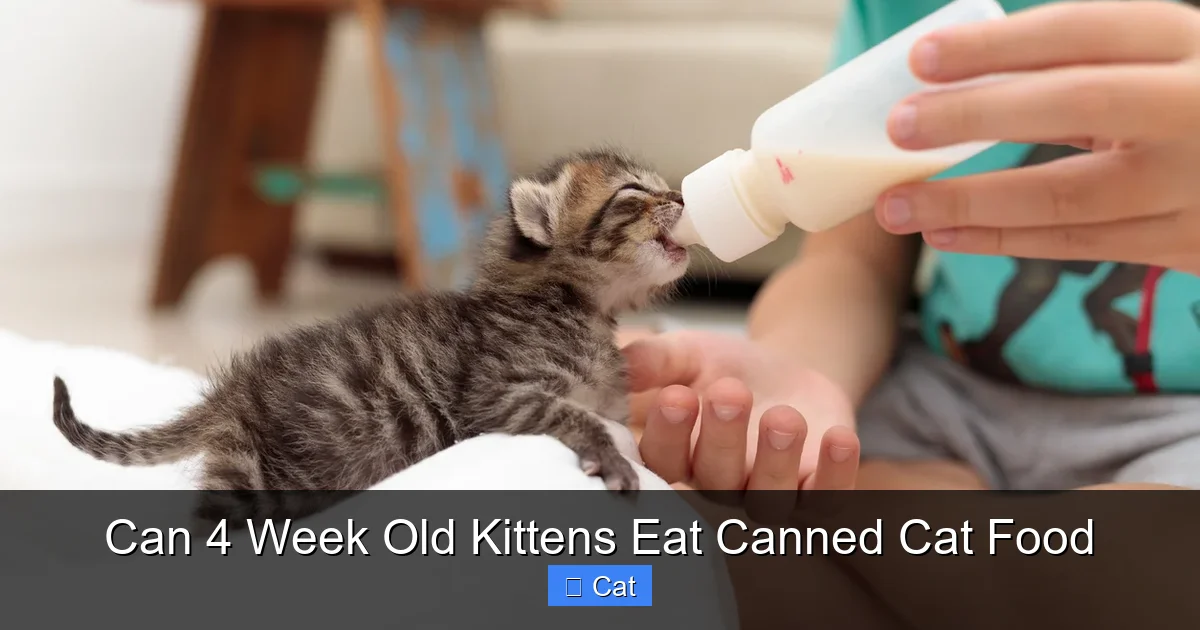
Visual guide about Can 4 Week Old Kittens Eat Canned Cat Food
Image source: lh6.googleusercontent.com
So, can 4 week old kittens eat canned cat food? Yes—but only under the right conditions. Canned food is an excellent choice for weaning because it’s soft, palatable, and packed with moisture, which helps prevent dehydration. However, it must be prepared correctly to be safe and digestible for such young kittens.
At 4 weeks, kittens cannot chew or swallow thick, chunky food. Their tiny mouths and undeveloped teeth aren’t equipped to handle anything more than a smooth, soupy consistency. That’s why simply placing a spoonful of regular canned food in front of them won’t work—they’ll likely ignore it or struggle to eat it.
How to Prepare Canned Food for 4-Week-Old Kittens
To make canned food suitable for 4-week-old kittens, you’ll need to soften it. Here’s a simple method:
1. Choose a high-quality, grain-free canned kitten food with real meat as the first ingredient.
2. Scoop a small amount (about 1–2 tablespoons) into a shallow dish.
3. Add warm water or kitten milk replacer to the food—start with a 1:1 ratio.
4. Mash and mix thoroughly with a fork or spoon until it reaches a smooth, pudding-like consistency.
5. Test the temperature—it should be lukewarm, not hot, to avoid burning their sensitive mouths.
This softened mixture is easy for kittens to lap up and digest. As they grow more comfortable over the next few weeks, you can gradually reduce the amount of liquid until the food is thicker and eventually fully solid.
Why Canned Food Is Better Than Dry for Weaning
While dry kibble is convenient, it’s not appropriate for kittens under 6–8 weeks old. Their teeth aren’t strong enough to chew it, and their digestive systems aren’t ready for the high starch content often found in dry food. Canned food, on the other hand, is:
– High in moisture (70–80%), which supports hydration and kidney health.
– Softer and easier to eat.
– Typically higher in protein and fat—essential for growing kittens.
– More palatable, encouraging reluctant eaters to try solid food.
Look for canned foods labeled “for kittens” or “growth” to ensure they meet the nutritional standards set by the Association of American Feed Control Officials (AAFCO).
Choosing the Right Canned Cat Food
Not all canned cat foods are suitable for 4-week-old kittens. The market is flooded with options, but many are designed for adult cats and lack the specific nutrients kittens need. When selecting a canned food for weaning, prioritize quality, ingredients, and nutritional balance.
Key Ingredients to Look For
– **Real meat as the first ingredient:** Look for named sources like “chicken,” “turkey,” or “salmon”—not vague terms like “meat by-products” or “animal digest.”
– **High protein content:** Kittens need at least 30–40% protein for muscle and tissue development.
– **Healthy fats:** DHA (from fish oil) supports brain and vision development.
– **No fillers or artificial additives:** Avoid corn, soy, wheat, artificial colors, and preservatives.
– **Grain-free options:** While not always necessary, grain-free formulas are often easier to digest for young kittens.
Some top-rated brands for kitten weaning include Royal Canin Kitten, Hill’s Science Diet Kitten, Wellness CORE Kitten, and Blue Buffalo Wilderness Kitten.
Avoid These Common Mistakes
– **Feeding adult cat food:** It lacks the extra calories, protein, and DHA kittens need.
– **Using low-quality or “grocery store” brands:** These often contain fillers and by-products that offer little nutritional value.
– **Overfeeding rich foods:** High-fat or heavily seasoned foods can cause diarrhea or vomiting.
– **Ignoring expiration dates:** Always check the “best by” date and store opened cans properly in the refrigerator.
Sample Feeding Schedule for 4-Week-Old Kittens
At 4 weeks, kittens should still be nursing or bottle-feeding 4–6 times a day, but you can begin offering small amounts of softened canned food 2–3 times daily. Here’s a sample schedule:
– **Morning:** Nursing or bottle-feeding + small taste of softened canned food.
– **Midday:** Nursing or bottle-feeding.
– **Afternoon:** Nursing or bottle-feeding + second offering of canned food.
– **Evening:** Nursing or bottle-feeding.
– **Night:** Nursing or bottle-feeding (if needed).
Gradually increase the amount of canned food and reduce milk feedings over the next 2–3 weeks. By 6–7 weeks, most kittens can eat canned food 3–4 times a day with minimal milk supplementation.
Feeding Techniques and Tips
Successfully weaning kittens isn’t just about the food—it’s also about how you present it. Young kittens may be hesitant or confused at first, so patience and encouragement are key.
How to Introduce Canned Food
1. **Use a shallow dish:** A small plate or pet-safe saucer works best—kittens can’t reach into deep bowls.
2. **Let them explore:** Place a tiny bit of softened food on the dish and let them sniff and lick it at their own pace.
3. **Use your finger:** Dip your clean finger in the food and let them lick it off. This mimics how they might learn from their mother.
4. **Be patient:** Some kittens take to food immediately; others may take days or even a week to show interest.
Encouraging Reluctant Eaters
If a kitten refuses to eat, try these tricks:
– Warm the food slightly to enhance the aroma.
– Mix in a drop of kitten milk replacer to make it more appealing.
– Offer food after a nursing session when they’re still hungry.
– Hand-feed small amounts to build trust.
Never force-feed a kitten—this can cause stress and aspiration (food entering the lungs). If a kitten consistently refuses food for more than 24 hours, consult a veterinarian.
Hydration and Cleanliness
Always provide fresh water in a shallow dish, even though kittens get most of their fluids from milk and wet food. Clean food and water dishes daily to prevent bacterial growth. Use warm, soapy water and rinse thoroughly.
Monitoring Health and Digestion
As kittens transition to solid food, it’s important to watch for signs of digestive upset or illness. Their tiny bodies are sensitive, and even small changes in diet can cause issues.
Normal vs. Abnormal Stool
Healthy kitten stool should be soft but formed, brown in color, and free of mucus or blood. Slight looseness is common during weaning, but persistent diarrhea can lead to dehydration and requires veterinary attention.
Signs of trouble include:
– Watery or bloody diarrhea
– Vomiting
– Lethargy or weakness
– Refusal to eat or drink
– Abdominal bloating or pain
If you notice any of these symptoms, contact your vet immediately. Dehydration can set in quickly in kittens and become life-threatening within hours.
When to Call the Vet
While minor digestive adjustments are normal, certain signs warrant a vet visit:
– No interest in food for more than 24 hours
– Severe diarrhea or vomiting
– Weight loss or failure to gain weight
– Signs of respiratory distress or coughing
– Pale gums or unusual behavior
Regular weigh-ins (every 2–3 days) can help track growth. Healthy kittens should gain about 5–10% of their body weight daily.
Transitioning to Full Solid Food
By 6–8 weeks of age, most kittens are fully weaned and can eat canned food without added liquid. This is also when they can begin trying small amounts of high-quality dry kibble, softened with water if needed.
Gradual Transition Tips
– Slowly reduce the amount of liquid in canned food over 1–2 weeks.
– Introduce dry kibble by soaking it in water or kitten milk until soft.
– Offer a mix of wet and dry food to encourage chewing and dental health.
– Continue feeding kitten-specific formulas until at least 12 months of age.
Long-Term Nutrition Goals
Even after weaning, kittens have unique nutritional needs. They require more calories, protein, and certain fatty acids than adult cats. Stick to AAFCO-approved kitten foods and avoid switching brands too frequently, as this can upset their stomachs.
Conclusion
So, can 4 week old kittens eat canned cat food? Absolutely—when done correctly. This stage of weaning is a delicate but exciting time, and with the right approach, your kittens will thrive on soft, nutrient-rich canned food. Remember to choose high-quality kitten formulas, soften the food with warm water or milk replacer, and offer small, frequent meals. Monitor their health closely, and don’t rush the process. With patience, care, and attention to detail, you’ll help your kittens grow into strong, healthy cats. Always consult your veterinarian if you have concerns—they’re your best resource for ensuring your kittens get the best start in life.
Frequently Asked Questions
Can 4-week-old kittens eat regular adult canned cat food?
No, adult cat food doesn’t provide the extra calories, protein, and DHA that growing kittens need. Always choose a canned food specifically formulated for kittens to support healthy development.
How often should I feed canned food to a 4-week-old kitten?
Start with 2–3 small meals of softened canned food per day, in addition to 4–6 nursing or bottle-feeding sessions. Gradually increase solid food as they wean.
What if my kitten won’t eat canned food at 4 weeks?
It’s normal for some kittens to be hesitant. Try warming the food, mixing in milk replacer, or hand-feeding small amounts. If they refuse food for over 24 hours, contact your vet.
Can I mix canned food with dry kibble for weaning?
Not at 4 weeks. Dry kibble is too hard for their teeth and digestive system. Wait until 6–8 weeks before introducing softened dry food.
Is it safe to feed homemade canned food to kittens?
Homemade diets can be risky unless formulated by a veterinary nutritionist. Most lack the precise balance of nutrients kittens need and may lead to deficiencies.
How long does the weaning process take?
Weaning typically takes 3–4 weeks, starting around 3–4 weeks of age and completing by 7–8 weeks. Some kittens may take a little longer, which is normal.