

At 4 weeks old, kittens are beginning to transition from milk to solid food, but they cannot eat regular dry cat food yet. They need specially prepared, softened kitten food or high-quality wet food mixed with kitten milk replacer to support their rapid growth and development.
Key Takeaways
- Kittens at 4 weeks are weaning: They are starting to eat solid food but still rely heavily on mother’s milk or kitten milk replacer.
- Regular dry cat food is too hard: Their tiny teeth and jaws can’t handle kibble; it must be softened with warm water or milk replacer.
- Use only kitten-specific food: Adult cat food lacks the nutrients kittens need for healthy growth and development.
- Wet food is ideal at this stage: Soft, easy-to-eat wet kitten food supports hydration and digestion.
- Feed small, frequent meals: Offer food 4–6 times a day to match their small stomachs and high energy needs.
- Monitor for digestive issues: Diarrhea or refusal to eat may signal food intolerance or health problems.
- Consult a vet before major changes: Always get professional advice when introducing new foods or if the kitten seems unwell.
📑 Table of Contents
- Can 4 Week Old Kittens Eat Cat Food? A Complete Guide for New Cat Parents
- Understanding the Weaning Process: What Happens at 4 Weeks?
- What Type of Cat Food Is Safe for 4 Week Old Kittens?
- How to Prepare and Serve Food to 4 Week Old Kittens
- Signs Your Kitten Is Ready for Solid Food
- Common Mistakes to Avoid When Feeding 4 Week Old Kittens
- When to Consult a Veterinarian
- Conclusion: Nurturing Your Kitten’s Growth with the Right Nutrition
Can 4 Week Old Kittens Eat Cat Food? A Complete Guide for New Cat Parents
So, you’ve welcomed a tiny, wide-eyed 4-week-old kitten into your home—congratulations! These little furballs are full of energy, curiosity, and charm. But with that comes a big responsibility: making sure they’re eating the right things at the right time. One of the most common questions new kitten caregivers ask is, “Can 4 week old kittens eat cat food?”
The short answer? Yes—but not just any cat food, and not in the way you might think. At four weeks old, kittens are in a critical developmental stage known as weaning. This means they’re gradually moving away from relying solely on their mother’s milk (or kitten milk replacer if orphaned) and starting to explore solid foods. However, their tiny bodies are still very delicate, and their nutritional needs are vastly different from adult cats. Feeding them the wrong food—or the right food in the wrong form—can lead to digestive upset, malnutrition, or even serious health issues.
In this guide, we’ll walk you through everything you need to know about feeding 4-week-old kittens, including what types of cat food are safe, how to prepare it, how often to feed them, and what to avoid. Whether you’re fostering a litter, raising an orphaned kitten, or just curious about kitten nutrition, this article will give you the confidence to nourish your little one properly.
Understanding the Weaning Process: What Happens at 4 Weeks?
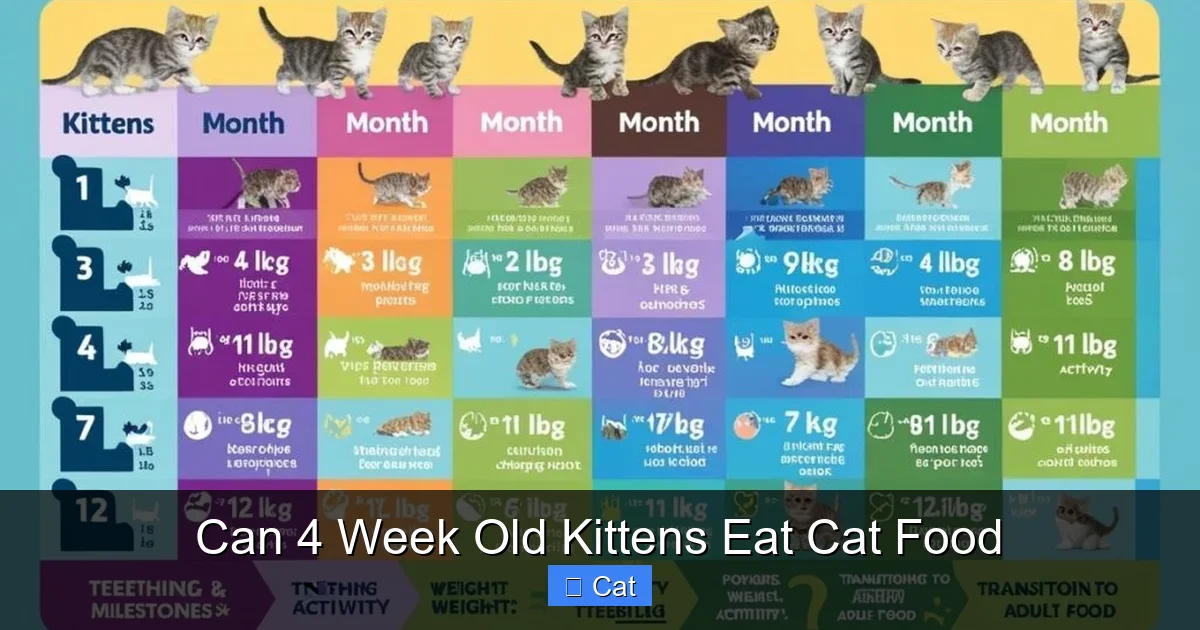
Visual guide about Can 4 Week Old Kittens Eat Cat Food
Image source: kittenfoodworld.com
Weaning is the natural process where kittens transition from a diet of mother’s milk to solid food. This typically begins around 3 to 4 weeks of age and continues until about 8 weeks. At 4 weeks, kittens are just starting to show interest in food beyond milk. You might notice them sniffing around their mother’s food bowl or trying to nibble on whatever she’s eating.
Developmental Milestones at 4 Weeks
At this age, kittens are becoming more mobile. Their eyes are fully open, their ears are upright, and they’re starting to walk with more coordination. Their baby teeth—called deciduous teeth—are also beginning to emerge. These tiny teeth are sharp but not strong enough to chew hard kibble effectively. That’s why their food needs to be soft and easy to eat.
Their digestive systems are still developing, too. While they can begin processing small amounts of solid food, their primary source of nutrition should still be milk. Mother’s milk (or a high-quality kitten milk replacer) provides essential antibodies, fats, and proteins that support immune function and rapid growth.
The Role of Mother Cat During Weaning
If the kitten still has access to its mother, she will naturally guide the weaning process. She may start eating more solid food herself, encouraging her kittens to follow suit. She might also begin to discourage nursing by moving away or lying on her side to make access harder. This gentle redirection helps kittens learn to eat independently.
However, if you’re caring for an orphaned kitten, you’ll need to take on this role. That means offering appropriate food in a safe, accessible way and ensuring the kitten is getting enough nutrition from both milk and solids.
What Type of Cat Food Is Safe for 4 Week Old Kittens?
Now, let’s get to the heart of the question: can 4 week old kittens eat cat food? The answer is yes—but only certain types, and only when prepared correctly.
Kitten-Specific Wet Food: The Best Choice
Wet kitten food is the gold standard for 4-week-old kittens. It’s soft, highly palatable, and packed with the nutrients growing kittens need. Look for brands that are specifically labeled for kittens, as these contain higher levels of protein, fat, and essential vitamins like taurine, which are crucial for development.
Wet food also helps with hydration. Kittens this young don’t drink much water on their own, and their small kidneys are still maturing. The moisture in wet food supports healthy kidney function and prevents dehydration.
When choosing a brand, check the ingredient list. The first ingredient should be a high-quality animal protein like chicken, turkey, or fish. Avoid foods with fillers like corn, soy, or artificial preservatives. Some excellent options include Royal Canin Kitten, Hill’s Science Diet Kitten, and Blue Buffalo Baby Blue.
Softening Dry Kitten Food
You might be wondering if dry kitten food is okay. Technically, yes—but only if it’s softened. At 4 weeks, kittens can’t chew hard kibble. Their tiny teeth and weak jaws simply aren’t ready for it.
To make dry food safe, soak it in warm water or kitten milk replacer for 10–15 minutes until it becomes soft and mushy. You can also blend it into a paste using a fork or food processor. This creates a texture similar to wet food, making it easy for kittens to lap up.
Start with a 50/50 mix of softened kibble and wet food to help them adjust. Gradually increase the proportion of dry food as they grow stronger and more confident eaters.
Avoid Adult Cat Food Entirely
Never feed adult cat food to a 4-week-old kitten. Adult formulas are lower in calories, protein, and fat—nutrients that kittens need in abundance. They also lack the specific balance of vitamins and minerals required for healthy growth. Feeding adult food can lead to stunted development, weak bones, and poor immune function.
Similarly, avoid dog food, human food, or homemade diets unless specifically formulated by a veterinarian. Kittens have unique nutritional needs that only high-quality kitten food can meet.
How to Prepare and Serve Food to 4 Week Old Kittens
Feeding a 4-week-old kitten isn’t just about choosing the right food—it’s also about how you serve it. Proper preparation and presentation make all the difference in encouraging them to eat and ensuring they get the nutrition they need.
Creating a Safe Feeding Environment
Set up a quiet, warm, and clean space for feeding. Kittens this young are easily distracted and can get cold quickly. Use a shallow dish or plate—something low to the ground so they don’t have to stretch or struggle to reach the food.
If the kitten is orphaned, you may need to help them learn to eat. Gently place a small amount of food on your finger and let them lick it off. Then, guide them to the dish. Some kittens figure it out quickly; others may take a few tries.
Mixing Food with Kitten Milk Replacer
At 4 weeks, kittens still need milk. You can combine their solid food with kitten milk replacer (KMR) to create a gruel-like consistency. This mimics the texture of mother’s milk and makes the transition easier.
To make kitten gruel:
– Warm a small amount of KMR (never use cow’s milk—it can cause diarrhea).
– Add a tablespoon of wet kitten food or softened dry food.
– Mix until smooth, like oatmeal.
– Serve at room temperature or slightly warm.
Offer this mixture 4–6 times a day. As the kitten eats more solid food, you can gradually reduce the amount of milk replacer in the mix.
Feeding Frequency and Portion Size
Kittens have tiny stomachs but big appetites. They need to eat frequently—about every 3–4 hours. At 4 weeks, aim for 4–6 small meals per day.
A good rule of thumb is to offer 1–2 tablespoons of food per meal, depending on the kitten’s size and appetite. Watch for signs of fullness: they’ll stop eating, walk away, or start playing. Don’t force them to finish if they’re not interested.
Overfeeding can cause digestive upset, while underfeeding can lead to weakness and poor growth. Keep a feeding log if needed to track intake and ensure consistency.
Signs Your Kitten Is Ready for Solid Food
Not all kittens develop at the same pace. Some may be eager to try food at 4 weeks, while others take a little longer. Here’s how to tell if your kitten is ready to start eating cat food.
Behavioral Cues
Look for these signs:
– Sniffing or pawing at food
– Trying to eat from their mother’s bowl
– Showing interest in your food
– Licking their lips after seeing food
These behaviors indicate curiosity and readiness to explore solid food.
Physical Development
Check for:
– Fully open eyes and upright ears
– Ability to walk steadily
– Presence of baby teeth (usually visible by 3–4 weeks)
If your kitten is mobile and has teeth, they’re likely ready to start weaning.
Weight and Health
A healthy 4-week-old kitten should weigh between 10–16 ounces (280–450 grams), depending on breed. They should be gaining weight steadily—about 0.5–1 ounce per day.
If your kitten is underweight, lethargic, or not showing interest in food, consult a veterinarian. These could be signs of illness or developmental delays.
Common Mistakes to Avoid When Feeding 4 Week Old Kittens
Even with the best intentions, it’s easy to make mistakes when feeding young kittens. Here are some common pitfalls and how to avoid them.
Feeding Cow’s Milk
Many people assume cow’s milk is a good substitute for kitten milk, but it’s not. Cow’s milk is too high in lactose and can cause severe diarrhea, dehydration, and even death in kittens. Always use a commercial kitten milk replacer, available at pet stores or vet clinics.
Introducing Food Too Early or Too Late
Starting solid food before 3 weeks can overwhelm a kitten’s immature digestive system. Waiting too long—beyond 6 weeks—can slow growth and development. Aim to begin weaning around 3–4 weeks and complete it by 8 weeks.
Using the Wrong Food Texture
Hard kibble, dry food without soaking, or chunky wet food can be difficult for kittens to eat. Always soften dry food and choose smooth, pâté-style wet food for easy consumption.
Overfeeding or Underfeeding
Kittens need frequent, small meals. Skipping meals or offering too much at once can disrupt their digestion. Stick to a consistent schedule and adjust portions based on their appetite and weight gain.
Ignoring Hydration
Even if you’re feeding wet food, always provide a shallow dish of fresh water. Some kittens may not drink much at first, but it’s important to encourage the habit early.
When to Consult a Veterinarian
While most kittens transition to solid food without issues, some may need extra support. Contact your vet if you notice any of the following:
– Refusal to eat for more than 12 hours
– Diarrhea or vomiting
– Lethargy or weakness
– Weight loss or failure to gain weight
– Difficulty breathing or unusual behavior
These could indicate an underlying health problem, such as parasites, infections, or congenital issues. Early intervention is key to keeping your kitten healthy.
Your vet can also recommend a feeding plan tailored to your kitten’s needs, especially if they’re orphaned, underweight, or have special dietary requirements.
Conclusion: Nurturing Your Kitten’s Growth with the Right Nutrition
So, can 4 week old kittens eat cat food? Absolutely—but with important caveats. At this stage, they’re just beginning to explore solid food, and their diet should still include plenty of milk. The best options are high-quality wet kitten food or softened dry kitten food, mixed with kitten milk replacer to create a smooth, easy-to-eat gruel.
Feeding a 4-week-old kitten requires patience, attention, and the right knowledge. By choosing kitten-specific food, preparing it properly, and offering small, frequent meals, you’re setting the foundation for a healthy, happy life. Avoid common mistakes like using cow’s milk or adult cat food, and always monitor your kitten’s behavior and growth.
Remember, every kitten is different. Some may take to food right away; others may need a little encouragement. Stay consistent, stay observant, and don’t hesitate to reach out to your veterinarian for guidance.
With the right care and nutrition, your tiny 4-week-old kitten will grow into a strong, playful, and loving companion. And you’ll have the satisfaction of knowing you gave them the very best start.
Frequently Asked Questions
Can I feed my 4-week-old kitten dry cat food?
Yes, but only if it’s softened with warm water or kitten milk replacer. Dry kibble is too hard for their tiny teeth and jaws at this age. Soak it until it’s mushy and easy to eat.
Is wet food better than dry food for 4-week-old kittens?
Yes, wet food is generally better because it’s soft, hydrating, and easier for kittens to eat. It also supports healthy digestion and kidney function during this critical growth stage.
How often should I feed a 4-week-old kitten?
Feed your kitten 4–6 small meals per day, every 3–4 hours. Their stomachs are small, but their energy needs are high, so frequent feeding is essential.
Can I use cow’s milk instead of kitten milk replacer?
No, never use cow’s milk. It’s too high in lactose and can cause diarrhea, dehydration, and serious health problems. Always use a commercial kitten milk replacer.
What if my kitten won’t eat solid food at 4 weeks?
Some kittens take longer to wean. Continue offering milk and gently introduce soft food. If they refuse food for more than 12 hours or seem weak, consult a veterinarian.
When can kittens eat regular dry kitten food without soaking?
Most kittens can handle dry kibble on its own by 6–8 weeks of age, once their teeth are stronger and they’re eating well. Always transition gradually.