
While 5-month-old kittens can technically eat adult cat food in emergencies, it’s not ideal for their growth and development. Kittens need higher levels of protein, fat, calories, and key nutrients like taurine and DHA—nutrients often missing or too low in adult formulas. Feeding adult food long-term can lead to nutritional deficiencies and health problems.
Key Takeaways
- Kittens need more calories and nutrients: At 5 months old, kittens are still growing rapidly and require up to three times more energy per pound than adult cats.
- Adult cat food lacks essential growth nutrients: Most adult formulas don’t meet the high protein, fat, and calorie needs required for healthy kitten development.
- Taurine is critical for kittens: This amino acid supports vision, heart function, and brain development—deficiencies can cause serious health issues.
- DHA supports brain and eye development: Found in mother’s milk and quality kitten food, DHA is vital during the first six months of life.
- Switching too early can cause long-term problems: Feeding adult food before 12 months may lead to stunted growth, weak bones, or immune system issues.
- Gradual transition is key: When the time comes, switch from kitten to adult food slowly over 7–10 days to avoid digestive upset.
- Consult your vet before making changes: Every kitten is different—your veterinarian can help determine the best diet based on breed, size, and health.
📑 Table of Contents
- Can 5 Month Old Cats Eat Adult Cat Food?
- Why Kitten Nutrition Is So Important at 5 Months
- What Happens If You Feed Adult Food to a 5-Month-Old Kitten?
- When Is It Safe to Switch to Adult Cat Food?
- Choosing the Right Kitten Food
- Common Myths About Feeding Kittens
- Final Thoughts: Prioritize Your Kitten’s Health
Can 5 Month Old Cats Eat Adult Cat Food?
Bringing a kitten into your home is one of the most joyful experiences a pet lover can have. Their tiny paws, playful antics, and curious eyes make them irresistible. But with that joy comes responsibility—especially when it comes to feeding them properly. One of the most common questions new cat parents ask is: *Can 5 month old cats eat adult cat food?* It’s a fair question, especially if you’ve run out of kitten food or are trying to simplify your pet care routine.
The short answer? Technically, yes—your 5-month-old kitten can eat adult cat food in a pinch. But just because they *can* doesn’t mean they *should*. At this age, kittens are in a critical stage of growth and development. Their bodies are building muscle, strengthening bones, developing brains, and forming immune systems. All of this requires a diet rich in specific nutrients that adult cat food simply isn’t designed to deliver.
Think of it like feeding a toddler a senior citizen’s meal. Sure, the toddler might eat it, but they won’t get the energy and nutrients they need to grow strong and healthy. The same principle applies to kittens. While adult cat food is formulated to maintain the health of a fully grown cat, it falls short when it comes to supporting the explosive growth happening in a young kitten’s body.
Why Kitten Nutrition Is So Important at 5 Months
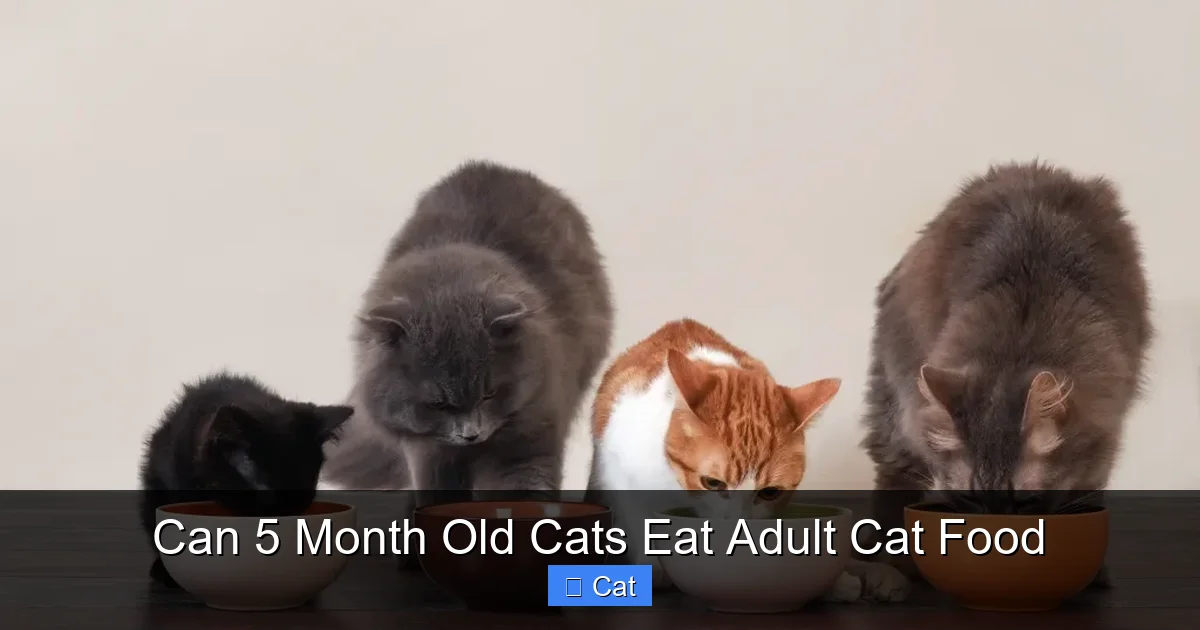
Visual guide about Can 5 Month Old Cats Eat Adult Cat Food
Image source: mercurynews.com
At 5 months old, your kitten is still very much a baby—just a few months removed from weaning. This is a time of rapid physical and cognitive development. In fact, kittens can gain up to 100 grams (about 3.5 ounces) per week during this phase. To support this growth, their bodies need a diet that’s significantly different from what adult cats require.
One of the biggest differences is caloric density. Kittens need about 2 to 3 times more calories per pound of body weight than adult cats. This is because they’re constantly on the move—playing, exploring, and burning energy at a high rate. Adult cat food, by contrast, is designed for maintenance, not growth. It typically contains fewer calories and less fat, which can leave a growing kitten undernourished if fed exclusively.
But it’s not just about calories. Kittens also need higher levels of protein—ideally around 30–40% on a dry matter basis—to build muscle and support tissue repair. Adult cat food often contains less protein, sometimes as low as 26%, which may not be enough to meet a kitten’s needs.
The Role of Fat and Energy
Fat is another crucial component of a kitten’s diet. It provides concentrated energy and helps absorb fat-soluble vitamins like A, D, E, and K. Kittens need about 9–15% fat in their diet, compared to 5–9% for adult cats. This higher fat content supports brain development, healthy skin, and a shiny coat.
When you feed adult cat food to a 5-month-old kitten, you’re essentially giving them a lower-energy meal that may not keep up with their metabolic demands. Over time, this can lead to weight loss, lethargy, and delayed development.
Critical Nutrients Missing in Adult Food
Beyond calories and macronutrients, there are several key micronutrients that kittens need in higher amounts. Two of the most important are taurine and DHA.
Taurine is an amino acid that cats cannot produce in sufficient quantities on their own. It’s essential for heart function, vision, and immune health. A deficiency in taurine can lead to serious conditions like dilated cardiomyopathy (a heart disease) and blindness. While most commercial cat foods—both kitten and adult—are fortified with taurine, kitten formulas typically contain higher levels to support rapid development.
DHA (docosahexaenoic acid), an omega-3 fatty acid, is another nutrient that’s vital for kittens. It plays a major role in brain and eye development, especially during the first six months of life. DHA is naturally present in mother’s milk, and high-quality kitten foods are often supplemented with it. Adult cat food, however, usually contains little to no added DHA, making it less suitable for growing kittens.
What Happens If You Feed Adult Food to a 5-Month-Old Kitten?
So, what’s the real risk of feeding adult cat food to a 5-month-old kitten? The answer depends on how long and how consistently you do it.
In the short term—say, if you run out of kitten food and use adult food for a day or two—there’s likely no harm done. Kittens are resilient, and a brief switch won’t cause lasting damage. However, if adult food becomes the regular diet, problems can start to appear within weeks.
Stunted Growth and Development
One of the most immediate concerns is stunted growth. Without enough calories, protein, and fat, a kitten’s body can’t grow at the rate it should. This might not be obvious at first, but over time, you may notice your kitten is smaller than average for their age or breed. In severe cases, growth plates in the bones may not close properly, leading to skeletal deformities.
Weakened Immune System
Kittens are born with immature immune systems that rely heavily on nutrition to develop properly. A diet lacking in essential nutrients can compromise their ability to fight off infections. This makes them more susceptible to common illnesses like upper respiratory infections, parasites, and digestive issues.
Digestive Upset
Even if the adult food is nutritionally adequate, it may not be formulated for a kitten’s sensitive digestive system. Kittens have smaller stomachs and different enzyme levels than adult cats. Sudden changes in diet—especially to a lower-protein, lower-fat formula—can cause diarrhea, vomiting, or constipation.
Long-Term Health Risks
Perhaps the most concerning risk is the long-term impact on health. Chronic undernutrition during critical growth periods can lead to lifelong issues. For example, a deficiency in taurine over several months can result in irreversible heart or vision damage. Similarly, inadequate DHA intake may affect cognitive development, potentially leading to learning difficulties or behavioral problems.
When Is It Safe to Switch to Adult Cat Food?
Now that we’ve established why kitten food is essential for 5-month-olds, the next question is: *When can you safely make the switch?*
The general rule is that kittens should stay on kitten food until they’re at least 12 months old. This is because most cats don’t reach full physical maturity until their first birthday. Larger breeds, like Maine Coons or Ragdolls, may even need kitten food until they’re 18 months old.
Signs Your Kitten Is Ready for Adult Food
While age is a good guideline, it’s not the only factor. You should also consider your kitten’s size, weight, and activity level. Here are a few signs that your kitten might be ready to transition:
– They’ve reached their expected adult size for their breed.
– Their growth has slowed significantly (they’re not gaining weight as quickly).
– They’re less active and playful than before.
– Your veterinarian confirms they’re developmentally ready.
Keep in mind that even if your kitten seems ready, it’s always best to consult your vet before making the switch. They can assess your cat’s overall health and recommend the best timing and type of adult food.
How to Transition from Kitten to Adult Food
When the time comes, don’t switch foods abruptly. Sudden changes can upset your cat’s stomach and lead to refusal to eat. Instead, follow a gradual transition over 7 to 10 days:
– **Days 1–2:** Mix 25% adult food with 75% kitten food.
– **Days 3–4:** Use 50% adult and 50% kitten food.
– **Days 5–6:** Increase to 75% adult and 25% kitten food.
– **Days 7–10:** Feed 100% adult food.
Monitor your kitten during this period. If they show signs of digestive upset—like diarrhea, vomiting, or loss of appetite—slow down the process or consult your vet.
Choosing the Right Kitten Food
If you’re feeding a 5-month-old kitten, it’s important to choose a high-quality kitten food that meets their nutritional needs. Not all kitten foods are created equal, so here’s what to look for:
AAFCO Statement
Check the label for an AAFCO (Association of American Feed Control Officials) statement. It should say the food is “formulated to meet the nutritional levels established by the AAFCO Cat Food Nutrient Profiles for growth” or “for all life stages.” This ensures the food contains the right balance of nutrients for kittens.
High Protein and Fat Content
Look for a food with at least 30% protein and 9% fat (on a dry matter basis). Ingredients like chicken, turkey, or fish should be listed first. Avoid foods with excessive fillers like corn, wheat, or soy.
Added Taurine and DHA
Make sure the food includes taurine and DHA. These are often listed in the ingredient list or on the packaging. Some brands highlight these nutrients as key benefits for brain and eye development.
Wet vs. Dry Food
Both wet and dry kitten foods can be part of a healthy diet. Wet food provides hydration and is often more palatable, while dry food is convenient and can help with dental health. Many owners choose to feed a combination of both.
Brand Recommendations
Some trusted brands that offer high-quality kitten food include Royal Canin Kitten, Hill’s Science Diet Kitten, Purina Pro Plan Kitten, and Wellness CORE Kitten. Always read labels and choose a formula appropriate for your kitten’s age and size.
Common Myths About Feeding Kittens
There are several misconceptions about kitten nutrition that can lead to poor feeding choices. Let’s clear up a few of the most common myths.
Myth: “Kittens can eat whatever adult cats eat.”
This is false. As we’ve discussed, kittens have unique nutritional needs that adult food doesn’t meet. Feeding adult food long-term can lead to deficiencies and health problems.
Myth: “All kitten food is the same.”
Not true. Some kitten foods are loaded with fillers, artificial preservatives, and low-quality proteins. Always read labels and choose a reputable brand.
Myth: “Kittens need milk.”
While kittens drink their mother’s milk early on, most are lactose intolerant after weaning. Cow’s milk can cause diarrhea and digestive upset. If you want to give milk, use a specially formulated cat milk replacer.
Myth: “You can switch to adult food as soon as they stop growing fast.”
Growth slows around 6–8 months, but that doesn’t mean they’re ready for adult food. Full maturity isn’t reached until 12–18 months, depending on the breed.
Final Thoughts: Prioritize Your Kitten’s Health
Feeding your 5-month-old kitten isn’t just about filling their bowl—it’s about setting the foundation for a long, healthy life. While adult cat food might seem like a convenient option, it simply doesn’t provide the nutrition your growing kitten needs.
From higher calories and protein to essential nutrients like taurine and DHA, kitten food is specially designed to support rapid development. Skipping this critical stage by feeding adult food too early can lead to stunted growth, weakened immunity, and long-term health issues.
That said, if you’re ever in a bind and need to use adult food for a day or two, don’t panic. Just make sure to get back to a proper kitten diet as soon as possible. And when the time comes to transition, do it slowly and with your vet’s guidance.
Remember, your kitten is counting on you to make the best choices for their health. By feeding them the right food at the right time, you’re giving them the best possible start in life.
Frequently Asked Questions
Can I feed my 5-month-old kitten adult wet food?
Technically yes, but it’s not recommended for long-term feeding. Adult wet food often lacks the higher protein, fat, and calorie levels that kittens need for growth. Use it only in emergencies and return to kitten food as soon as possible.
How long should kittens stay on kitten food?
Most kittens should stay on kitten food until they’re at least 12 months old. Larger breeds may need it until 18 months. Your vet can help determine the right time based on your cat’s development.
What happens if my kitten eats adult food by accident?
A single meal of adult food won’t harm your kitten. Just monitor them for any digestive upset and return to their regular kitten diet. Consistent feeding of adult food, however, can lead to nutritional deficiencies.
Can I mix kitten and adult food?
Yes, but only during a gradual transition period (7–10 days) when switching diets. Don’t mix them long-term, as this can dilute the nutritional balance your kitten needs.
Is it okay to feed my kitten homemade adult cat food?
Homemade diets can be risky unless formulated by a veterinary nutritionist. Most homemade recipes don’t provide the precise balance of nutrients kittens require, especially taurine and DHA.
How do I know if my kitten is getting enough nutrients?
Signs of proper nutrition include steady weight gain, a shiny coat, bright eyes, high energy, and healthy digestion. If you’re concerned, consult your vet for a nutritional assessment.