
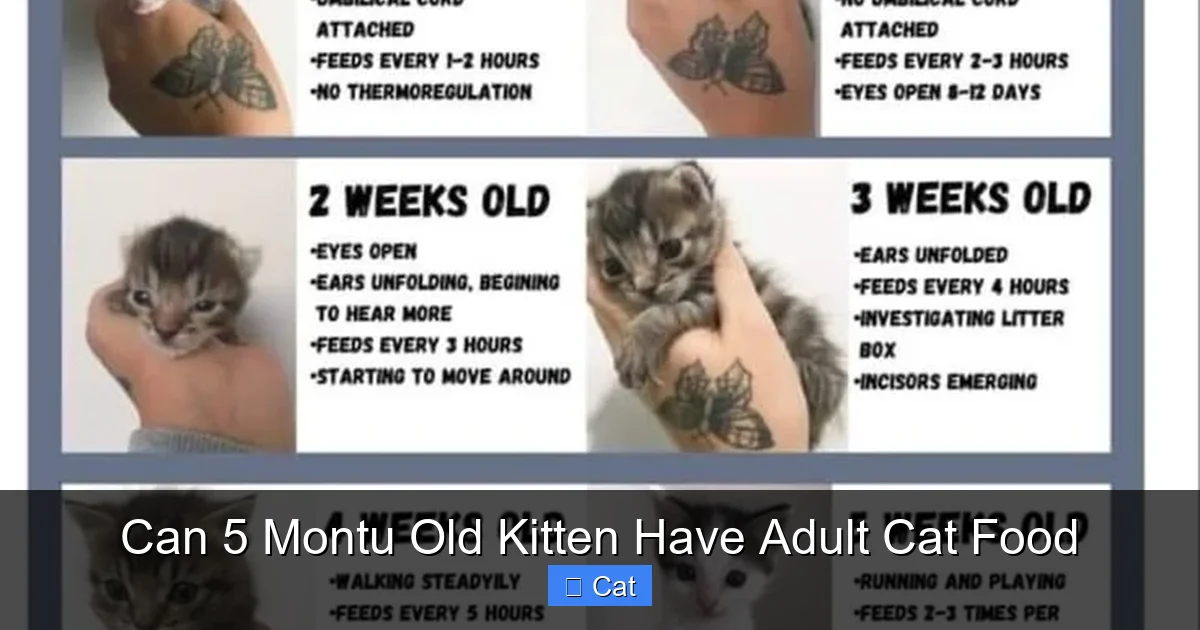
Feeding a 5-month-old kitten adult cat food is not recommended. Kittens need higher levels of protein, fat, and key nutrients for growth and development. While occasional small amounts may not cause harm, a consistent adult diet can lead to nutritional deficiencies and long-term health issues.
Key Takeaways
- Kittens require more calories and nutrients: At 5 months old, kittens are still growing rapidly and need food specifically formulated for their developmental stage.
- Adult cat food lacks essential nutrients: It typically has lower levels of protein, fat, calcium, and DHA—nutrients critical for brain, bone, and immune system development.
- Long-term risks of improper diet: Feeding adult food regularly can lead to stunted growth, obesity, or urinary tract problems.
- Transition timing matters: Most kittens should stay on kitten food until they’re at least 10–12 months old, depending on breed and size.
- Consult your vet before switching: A veterinarian can guide you on the best feeding plan based on your kitten’s breed, weight, and health.
- High-quality kitten food supports lifelong health: Investing in proper nutrition now helps prevent chronic diseases later in life.
- Watch for signs of nutritional deficiency: Lethargy, dull coat, diarrhea, or slow weight gain may indicate your kitten isn’t getting the right food.
📑 Table of Contents
- Can a 5-Month-Old Kitten Have Adult Cat Food? The Truth Every Cat Parent Should Know
- Why Kitten Food Is Specifically Designed for Young Cats
- The Risks of Feeding Adult Cat Food to a 5-Month-Old Kitten
- When Is It Safe to Switch from Kitten to Adult Cat Food?
- How to Choose the Best Kitten Food for Your 5-Month-Old
- Common Feeding Mistakes to Avoid
- Conclusion: Prioritize Your Kitten’s Growth with the Right Nutrition
Can a 5-Month-Old Kitten Have Adult Cat Food? The Truth Every Cat Parent Should Know
Bringing a kitten into your home is one of the most joyful experiences a pet lover can have. Their tiny paws, playful antics, and curious eyes make them impossible not to adore. But with that joy comes responsibility—especially when it comes to feeding. One of the most common questions new cat parents ask is: “Can my 5-month-old kitten have adult cat food?” It’s a fair question, especially if you already have an adult cat and are wondering if you can simplify mealtime by feeding everyone the same thing.
The short answer? No, a 5-month-old kitten should not be regularly fed adult cat food. While it might seem convenient or cost-effective, adult cat food simply doesn’t meet the unique nutritional needs of a growing kitten. At five months old, your kitten is still in a critical stage of development. Their bones are lengthening, their brains are maturing, and their immune systems are still building strength. All of this requires a diet rich in high-quality protein, healthy fats, and essential vitamins and minerals—nutrients that adult cat food often lacks in sufficient amounts.
Think of it like feeding a toddler a meal designed for an elderly person. The adult meal might keep the toddler full, but it won’t support their rapid growth, energy needs, or brain development. The same principle applies to kittens. Feeding them adult food, even occasionally, can disrupt their growth trajectory and lead to long-term health problems. That doesn’t mean a tiny nibble here and there will cause immediate harm—but consistency is key. Your kitten’s diet should be tailored to their life stage, just like a human baby’s diet changes as they grow.
Why Kitten Food Is Specifically Designed for Young Cats
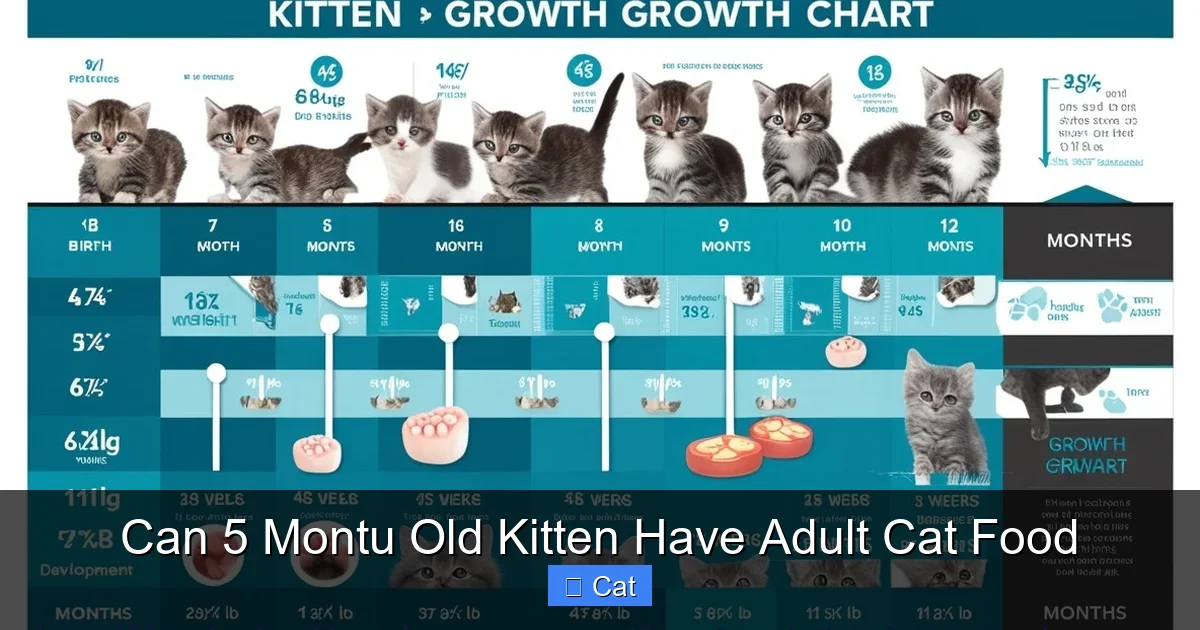
Visual guide about Can 5 Montu Old Kitten Have Adult Cat Food
Image source: kittenfoodworld.com
Kitten food isn’t just marketing hype—it’s science-backed nutrition. Commercial kitten diets are carefully formulated to support the intense growth and high energy demands of young cats. From birth to about 12 months of age, kittens grow at an astonishing rate. In fact, they can gain up to 10 times their birth weight in their first year! This kind of growth doesn’t happen on just any diet. It requires a carefully balanced mix of nutrients that adult cat food simply can’t provide.
One of the biggest differences between kitten and adult food is protein content. Kittens need significantly more protein—often 30% to 40% more than adult cats—to build muscle, support organ development, and fuel their playful lifestyle. Adult cat food usually contains lower protein levels, which may be fine for a sedentary adult cat but fall short for a growing kitten. Without enough protein, a kitten may experience slowed growth, weakened immunity, and poor coat quality.
Fat is another crucial component. Kitten food is higher in fat because fat provides concentrated energy. Young cats burn calories fast—they’re always on the move, exploring, pouncing, and climbing. The extra fat in kitten food helps meet their high energy needs. Adult cat food, on the other hand, is often lower in fat to help prevent obesity in less active adult cats. Feeding a kitten this lower-fat diet could leave them feeling sluggish and undernourished.
Then there are the micronutrients. Kittens need higher levels of certain vitamins and minerals, such as calcium and phosphorus, for strong bone development. They also benefit from DHA (docosahexaenoic acid), an omega-3 fatty acid found in fish oil that supports brain and vision development. Many high-quality kitten foods include DHA because studies show it can improve cognitive function and visual acuity in young cats. Adult cat food rarely contains these added nutrients in the same concentrations.
For example, let’s say you have a 5-month-old Maine Coon kitten. This breed is known for its large size and slow maturation—some don’t reach full size until they’re 3 or 4 years old. Feeding this kitten adult food could severely stunt its growth, leading to joint problems or skeletal deformities later in life. Even smaller breeds like Siamese or domestic shorthairs need proper kitten nutrition to develop strong bones, healthy organs, and robust immune systems.
The Risks of Feeding Adult Cat Food to a 5-Month-Old Kitten
While it might be tempting to feed your kitten the same food as your adult cat—especially if you’re trying to save money or reduce clutter in the pantry—doing so can come with serious consequences. The risks aren’t always immediate, but over time, a diet lacking in essential nutrients can lead to a host of health problems.
One of the most common issues is stunted growth. Kittens grow rapidly in their first six months, and their bodies need a steady supply of calories, protein, and fat to support this growth. Adult cat food simply doesn’t provide enough of these nutrients. If a kitten isn’t getting enough calories, their body will start to break down muscle tissue for energy, leading to weakness and poor development. You might notice your kitten isn’t gaining weight as expected, or that they seem smaller than other kittens their age.
Another risk is nutritional deficiencies. For instance, taurine is an amino acid that cats cannot produce on their own and must get from their diet. It’s essential for heart health, vision, and immune function. While most commercial cat foods—both kitten and adult—contain taurine, kitten food typically has higher levels to support rapid development. A deficiency, even a mild one, can lead to heart disease (dilated cardiomyopathy) or vision problems like retinal degeneration.
Urinary tract health is also a concern. Kittens fed adult food may not get enough moisture or the right balance of minerals like magnesium and phosphorus. This can increase the risk of urinary crystals or stones, especially in male kittens. These conditions are painful and can lead to blockages, which are life-threatening if not treated immediately.
Obesity is another paradoxical risk. While adult food is lower in calories, some kittens may overeat in an attempt to meet their nutritional needs, leading to weight gain. Overweight kittens are more prone to joint problems, diabetes, and liver disease later in life. It’s a delicate balance—kittens need enough food to grow, but not so much that they become obese.
Let’s look at a real-world example. Sarah, a new cat owner, had a 5-month-old kitten and a 3-year-old adult cat. To save time, she started feeding both the same adult dry food. After a few weeks, she noticed her kitten was less active, had a dull coat, and wasn’t gaining weight. She took the kitten to the vet, who diagnosed mild malnutrition and recommended switching to a high-quality kitten formula. Within a month on the new diet, the kitten was back to its playful self, with a shiny coat and healthy weight gain.
This story isn’t uncommon. Many well-meaning pet owners don’t realize the importance of life-stage nutrition until they see the effects firsthand. The good news is that most kittens recover quickly once switched to the right food—but prevention is always better than treatment.
When Is It Safe to Switch from Kitten to Adult Cat Food?
So, if kittens shouldn’t eat adult food at 5 months, when is the right time to make the switch? The answer depends on several factors, including breed, size, and overall health. In general, most kittens should remain on kitten food until they’re at least 10 to 12 months old. However, larger breeds like Maine Coons, Ragdolls, or Norwegian Forest Cats may need kitten food for up to 18 months or even longer.
The reason for this extended timeline is simple: growth. Smaller breeds tend to mature faster, reaching their full size and weight by around 10–12 months. Larger breeds, on the other hand, continue growing well into their second year. Feeding them adult food too early can deprive them of the nutrients they need to reach their full potential.
So how do you know when it’s time to switch? Look for these signs:
– Your kitten has reached their expected adult size and weight.
– Their growth has slowed significantly—they’re no longer gaining weight rapidly.
– They’re less active and more settled in their behavior.
– Your veterinarian confirms they’re developmentally ready.
It’s always a good idea to consult your vet before making the switch. They can assess your kitten’s body condition, growth rate, and overall health to determine the best time to transition. Some vets may even recommend a gradual shift over 7–10 days to avoid digestive upset.
When you do switch, choose a high-quality adult cat food that’s appropriate for your cat’s age, size, and activity level. Look for brands that meet AAFCO (Association of American Feed Control Officials) standards and list a named animal protein (like chicken or salmon) as the first ingredient. Avoid foods with fillers like corn, soy, or artificial preservatives.
For example, if you have a 12-month-old domestic shorthair who’s reached full size, you might transition to a balanced adult maintenance formula. But if you have a 14-month-old Maine Coon who’s still filling out, your vet might recommend staying on kitten food a bit longer or switching to a “growth and reproduction” formula designed for larger breeds.
How to Choose the Best Kitten Food for Your 5-Month-Old
Now that you know why kitten food is essential, how do you pick the right one? With so many options on the market, it can feel overwhelming. But by focusing on a few key factors, you can find a high-quality diet that supports your kitten’s growth and health.
First, check the label. Look for a statement that says the food is “complete and balanced” for kittens and meets AAFCO guidelines. This ensures the food contains all the necessary nutrients in the right proportions. The first ingredient should be a high-quality animal protein, such as chicken, turkey, or fish. Avoid foods that list “meat by-products” or “animal digest” as primary ingredients—these are lower-quality protein sources.
Next, consider the nutrient profile. A good kitten food should have:
– At least 30% protein (higher is better)
– Around 20% fat (for energy)
– Added DHA for brain and eye development
– Balanced calcium and phosphorus for bone health
– Taurine, arachidonic acid, and other essential amino acids
Wet food is often recommended for kittens because it provides extra hydration, which is important for urinary health. However, dry food can also be part of a balanced diet—just make sure your kitten has access to fresh water at all times. Some owners choose to feed a mix of wet and dry food to get the benefits of both.
Brand reputation matters too. Stick with well-known brands that invest in research and quality control. Some trusted names include Royal Canin, Hill’s Science Diet, Purina Pro Plan, and Blue Buffalo. These companies often offer breed-specific or life-stage-specific formulas, which can be helpful for kittens with unique needs.
Portion control is another important factor. Kittens have small stomachs but big appetites. Most need to eat 3–4 small meals a day until they’re about 6 months old, then 2–3 meals per day. Follow the feeding guidelines on the package, but adjust based on your kitten’s weight, activity level, and vet recommendations. Overfeeding can lead to obesity, while underfeeding can stunt growth.
For example, a 5-month-old kitten weighing 4 pounds might need about 200–250 calories per day. A high-quality kitten kibble might provide around 100 calories per ¼ cup, so you’d feed about ½ to ¾ cup per day, split into multiple meals. If you’re feeding wet food, a 3-ounce can might contain 80–100 calories, so you’d need 2–3 cans per day.
Always store kitten food properly to maintain freshness and prevent spoilage. Keep dry food in an airtight container and use it within 6 weeks of opening. Refrigerate opened wet food and use it within 2–3 days.
Common Feeding Mistakes to Avoid
Even with the best intentions, it’s easy to make mistakes when feeding a kitten. Here are some common pitfalls to watch out for:
Feeding only dry food: While convenient, dry food doesn’t provide enough moisture. Kittens are prone to dehydration, which can lead to urinary issues. Always offer wet food or ensure they drink plenty of water.
Free-feeding without monitoring: Leaving food out all day might seem kind, but it can lead to overeating and obesity. Instead, measure portions and feed at set times.
Switching foods too quickly: Sudden changes can upset your kitten’s stomach. When introducing a new food, mix it with the old food over 7–10 days, gradually increasing the proportion.
Ignoring your kitten’s individual needs: Not all kittens are the same. Some are more active, some have food sensitivities, and some grow faster. Pay attention to your kitten’s behavior, coat, and weight, and adjust their diet accordingly.
Using human food as treats: While a tiny piece of cooked chicken might seem harmless, many human foods are toxic to cats (like onions, garlic, chocolate, and grapes). Stick to cat-safe treats in moderation.
By avoiding these mistakes, you’ll set your kitten up for a lifetime of good health.
Conclusion: Prioritize Your Kitten’s Growth with the Right Nutrition
Feeding a 5-month-old kitten adult cat food might seem like a small decision, but it can have a big impact on their long-term health and development. At this stage, your kitten is growing at an incredible rate, and their body needs a diet rich in protein, fat, and essential nutrients to support that growth. Adult cat food simply doesn’t provide what they need—and feeding it regularly can lead to stunted growth, nutritional deficiencies, and chronic health problems.
The best choice is a high-quality kitten food that’s specifically formulated for young, growing cats. Look for brands that meet AAFCO standards, list real animal protein as the first ingredient, and include added DHA and taurine. Feed your kitten multiple small meals a day, monitor their weight and behavior, and consult your veterinarian for personalized advice.
Remember, the food you choose today shapes your cat’s tomorrow. By investing in proper nutrition now, you’re giving your kitten the best possible start in life—one that leads to a healthy, happy, and vibrant adulthood. So the next time you’re tempted to reach for the adult cat food, think twice. Your kitten deserves the very best.
Frequently Asked Questions
Can I mix adult and kitten food for my 5-month-old kitten?
It’s not recommended to regularly mix adult and kitten food. While a small amount of adult food occasionally won’t cause harm, kittens need the higher nutrient levels in kitten food for proper growth. Consistently diluting their diet with adult food can lead to deficiencies.
What happens if my kitten eats adult food for a week?
A short-term switch to adult food is unlikely to cause serious harm, but it may leave your kitten undernourished. Watch for signs like lethargy, poor coat quality, or lack of weight gain. Return to kitten food as soon as possible and consult your vet if concerns arise.
Can I feed my kitten homemade adult cat food?
Homemade diets can be risky unless formulated by a veterinary nutritionist. Adult homemade recipes often lack the precise balance of nutrients kittens need. It’s safer to use commercial kitten food designed for growth.
Is wet or dry kitten food better?
Both can be part of a healthy diet. Wet food provides hydration and is easier to eat, while dry food is convenient and helps with dental health. Many owners use a combination of both for balanced nutrition.
When should I switch my kitten to adult food?
Most kittens should stay on kitten food until they’re 10–12 months old. Larger breeds may need it longer. Consult your vet to determine the best time based on your kitten’s breed, size, and development.
Can I feed my kitten senior cat food by mistake?
Senior cat food is even lower in calories and protein than adult food, making it a poor choice for kittens. If your kitten eats a small amount once, don’t panic—but switch back to kitten food immediately and monitor for any changes in behavior or health.