
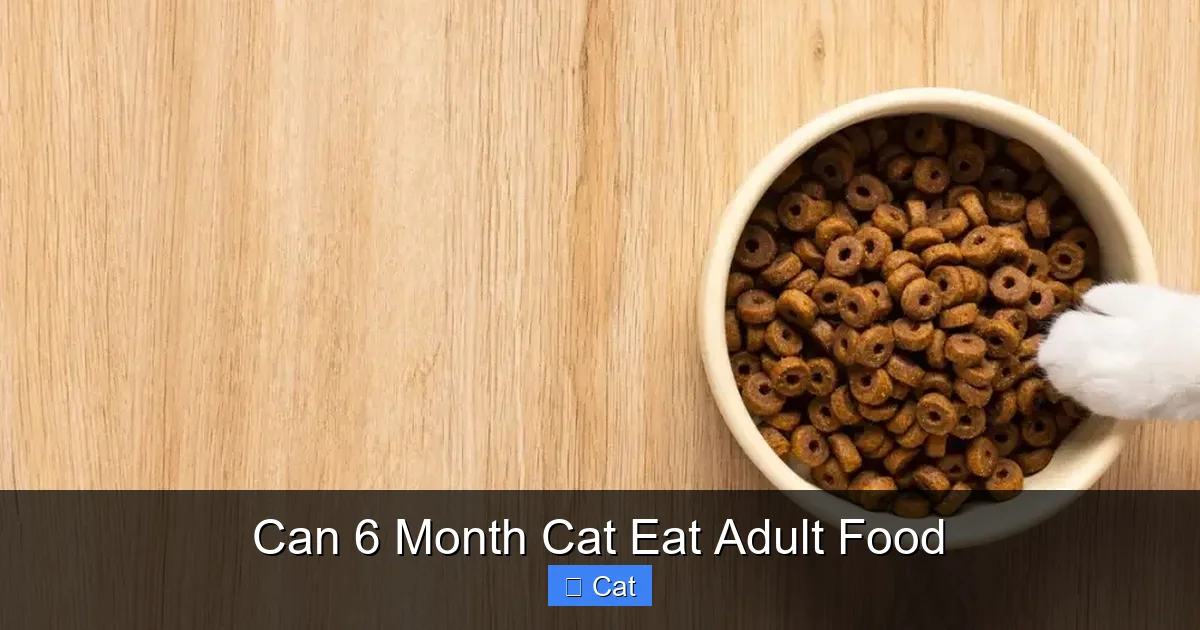
At six months old, kittens are still growing rapidly and have unique nutritional needs that adult cat food may not meet. While some high-quality adult foods might be safe in small amounts, they often lack essential nutrients like protein, taurine, and calories that kittens require. It’s best to feed a balanced kitten-specific diet until at least 12 months of age for optimal health and development.
So, you’ve got a playful, curious, and maybe slightly mischievous 6-month-old kitten at home. They’re growing fast—zooming around the house, pouncing on toys, and demanding attention (and snacks) every few hours. Naturally, you’re wondering: can your 6 month cat eat adult food? After all, they’re getting bigger, their baby teeth are gone, and they seem so… mature. Maybe it’s time to upgrade their meals?
Hold on just a second. While it might seem logical to switch to adult cat food as your kitten grows, the truth is a bit more nuanced. At six months old, your cat is still very much in the thick of their developmental stage. Think of it like a human teenager—still growing, still learning, and still needing the right fuel to thrive. Adult cat food simply isn’t designed with these rapid growth needs in mind.
In this guide, we’ll dive deep into whether a 6 month cat can eat adult food, what the risks and benefits might be, and how to make the best nutritional choices for your furry friend. We’ll cover everything from caloric needs and essential nutrients to practical feeding tips and when it’s actually safe to make the switch. Whether you’re a first-time cat parent or a seasoned feline enthusiast, this article will help you feel confident about your kitten’s diet.
Key Takeaways
- Kittens need more calories and protein: A 6-month-old kitten requires up to 2-3 times more energy per pound than an adult cat, which adult food typically doesn’t provide.
- Critical nutrients are missing in adult food: Adult cat food often lacks sufficient taurine, DHA, calcium, and other nutrients vital for brain, eye, and bone development.
- Feeding adult food can lead to deficiencies: Long-term feeding of adult food to kittens may result in stunted growth, weakened immunity, and developmental issues.
- Some adult foods are safer than others: High-protein, grain-free adult foods with real meat as the first ingredient may be less harmful, but still not ideal.
- Transition timing matters: Most veterinarians recommend switching from kitten to adult food between 10–12 months, depending on breed and growth rate.
- Monitor your kitten’s growth and behavior: If your kitten seems lethargic, loses weight, or has dull fur, it could be a sign of poor nutrition.
- Consult your vet before making changes: Always talk to a veterinarian before switching your kitten’s diet, especially if considering adult food.
📑 Table of Contents
- Understanding Kitten Development at 6 Months
- Nutritional Differences Between Kitten and Adult Cat Food
- Can a 6 Month Cat Eat Adult Food? The Risks and Realities
- When Is It Safe to Switch to Adult Food?
- Practical Feeding Tips for 6-Month-Old Kittens
- What to Do If You’ve Already Fed Adult Food
- Conclusion
Understanding Kitten Development at 6 Months
At six months old, your kitten is no longer a tiny ball of fluff, but they’re still far from being a full-grown adult. This stage is often referred to as the “juvenile” phase, and it’s one of the most critical periods in a cat’s life. During these months, your kitten is experiencing rapid physical, cognitive, and behavioral development.
Physical Growth and Energy Needs
Kittens at this age can gain anywhere from 0.5 to 1 pound per month, depending on their breed. Larger breeds like Maine Coons may grow more slowly but still require consistent nutrition, while smaller breeds might reach near-adult size by 8–10 months. Regardless of size, all kittens need a diet rich in calories, protein, and healthy fats to support their growth.
For example, a 6-month-old kitten may need around 200–300 calories per day, which is significantly more per pound of body weight than an adult cat. Adult cat food is formulated for maintenance—keeping a full-grown cat healthy and at a stable weight. It simply doesn’t pack the caloric punch a growing kitten needs. Feeding adult food could leave your kitten undernourished, even if they’re eating regularly.
Brain and Eye Development
Another crucial aspect of kitten development is neurological and visual growth. Nutrients like DHA (docosahexaenoic acid), an omega-3 fatty acid, play a vital role in brain and retina development. Kitten-specific formulas often include higher levels of DHA, which is naturally found in mother’s milk and added to premium kitten foods.
Adult cat food rarely contains adequate DHA, and a deficiency during this stage could impact your kitten’s learning ability, vision, and overall cognitive function. While the effects might not be immediately obvious, they can show up later in life as behavioral issues or reduced adaptability.
Immune System and Bone Health
Kittens are also building their immune systems and laying down strong bones. This requires higher levels of certain vitamins and minerals, such as vitamin E, vitamin D, and calcium. While adult food contains these nutrients, the ratios are balanced for maintenance, not growth. For instance, too little calcium can lead to weak bones, while too much (especially in large-breed kittens) can cause skeletal abnormalities.
In short, your 6-month-old kitten isn’t just “a small adult cat.” They’re a developing individual with unique dietary needs that adult food isn’t equipped to meet.
Nutritional Differences Between Kitten and Adult Cat Food

Visual guide about Can 6 Month Cat Eat Adult Food
Image source: i.pinimg.com
To understand why adult food isn’t ideal for kittens, let’s break down the key nutritional differences between kitten and adult cat food. These aren’t just marketing gimmicks—they’re science-backed formulations designed to support different life stages.
Protein Content
Protein is the cornerstone of a kitten’s diet. It supports muscle development, tissue repair, and enzyme production. Kitten food typically contains 35–45% protein, while adult food ranges from 26–35%. This difference might seem small, but for a growing kitten, it’s significant.
For example, a high-quality kitten food might list chicken, chicken meal, or turkey as the first three ingredients. Adult food, on the other hand, might include more fillers like corn, wheat, or soy—even in “premium” brands. These ingredients provide energy but don’t offer the same biological value as animal-based proteins.
Fat and Caloric Density
Fats are another critical component. They provide concentrated energy and help absorb fat-soluble vitamins (A, D, E, and K). Kitten food is higher in fat—usually around 15–20%—compared to adult food at 10–15%. This higher fat content translates to more calories per cup, which is essential for a kitten’s active lifestyle.
Imagine feeding your kitten adult food: they might need to eat twice as much to get the same energy, which can be impractical and expensive. Plus, overeating can lead to digestive upset or obesity later on.
Essential Vitamins and Minerals
Kitten food is fortified with higher levels of several key nutrients:
– Taurine: An amino acid vital for heart function, vision, and immune health. A deficiency can cause blindness or heart disease.
– Calcium and phosphorus: Important for bone and teeth development. The ideal ratio is around 1.2:1 (calcium to phosphorus). Adult food may not maintain this balance.
– Vitamin A: Necessary for skin, coat, and immune health. Kittens need preformed vitamin A (retinol), not just beta-carotene, which cats can’t convert efficiently.
– Folic acid and B vitamins: Support metabolism and red blood cell production.
Adult food may meet AAFCO (Association of American Feed Control Officials) standards for adult maintenance, but those standards don’t account for the accelerated growth needs of kittens.
DHA and Omega Fatty Acids
As mentioned earlier, DHA is crucial for brain and eye development. Many kitten foods include DHA from sources like fish oil or algae. Adult foods may contain omega-3s, but usually in lower amounts and not specifically targeted for developmental support.
Can a 6 Month Cat Eat Adult Food? The Risks and Realities
Now, let’s address the big question: can a 6 month cat eat adult food? The short answer is: technically, yes—but it’s not recommended for long-term feeding.
Short-Term vs. Long-Term Feeding
In a pinch—say, you run out of kitten food and can’t get to the store—feeding your kitten a small amount of high-quality adult food for a day or two is unlikely to cause harm. However, making it a regular habit can lead to nutritional deficiencies over time.
For example, if your kitten eats adult food for several weeks, they might start showing signs of poor growth, such as:
– Slower weight gain
– Dull or patchy fur
– Lethargy or reduced playfulness
– Digestive issues like diarrhea or vomiting
These symptoms may not appear immediately, but they can develop gradually as nutrient gaps widen.
Breed-Specific Considerations
Some cat breeds mature faster than others. For instance, domestic shorthairs might reach near-adult size by 8–10 months, while larger breeds like Ragdolls or Persians may not fully mature until 18–24 months. This means that even at 6 months, a large-breed kitten still has a long way to go.
Feeding adult food too early to a large-breed kitten can disrupt their growth plates, leading to joint problems like hip dysplasia. These issues are often irreversible and can affect your cat’s quality of life for years.
Quality Matters
Not all adult cat foods are created equal. If you must feed adult food temporarily, choose a high-protein, grain-free option with real meat as the first ingredient. Avoid foods with artificial preservatives, by-products, or excessive fillers.
For example, a brand like Wellness CORE or Blue Buffalo Wilderness (adult formula) is better than a budget brand with corn syrup or meat by-products. Still, even the best adult food isn’t a substitute for kitten-specific nutrition.
When Is It Safe to Switch to Adult Food?
So, when can you finally make the switch? Most veterinarians recommend transitioning from kitten to adult food between 10 and 12 months of age. However, this timeline can vary based on your cat’s breed, size, and overall development.
Signs Your Kitten Is Ready
Look for these indicators that your kitten might be ready for adult food:
– They’ve reached or are close to their expected adult size
– Their growth rate has slowed significantly
– They’re maintaining a healthy weight without excessive eating
– They’re showing adult behaviors (less hyperactive, more settled)
For small to medium breeds, this usually happens around 10–12 months. For large breeds, you may need to wait until 12–18 months.
How to Transition Safely
When the time comes, don’t switch cold turkey. Gradual transitions help prevent digestive upset. Here’s a simple 7-day plan:
– Days 1–2: 75% kitten food, 25% adult food
– Days 3–4: 50% kitten food, 50% adult food
– Days 5–6: 25% kitten food, 75% adult food
– Day 7: 100% adult food
Monitor your cat during this period. If they show signs of diarrhea, vomiting, or refusal to eat, slow down the transition or consult your vet.
Choosing the Right Adult Food
Once you make the switch, choose an adult food that matches your cat’s lifestyle. For example:
– Indoor cats: Look for lower-calorie formulas to prevent obesity
– Active or outdoor cats: Choose higher-protein, higher-fat options
– Senior or less active cats: Consider weight management or hairball control formulas
Always check the AAFCO statement on the label to ensure the food is complete and balanced for adult maintenance.
Practical Feeding Tips for 6-Month-Old Kittens
While we’re on the topic of nutrition, let’s talk about how to feed your 6-month-old kitten for optimal health.
Feeding Schedule
At 6 months, most kittens do well with 3–4 small meals per day. This mimics their natural hunting behavior and helps maintain steady energy levels. Avoid free-feeding (leaving food out all day) unless your vet recommends it, as it can lead to overeating and obesity.
Portion Control
Follow the feeding guidelines on your kitten food packaging, but adjust based on your cat’s weight and activity level. Weigh your kitten monthly to track growth. A healthy weight gain is about 0.5–1 pound per month.
For example, a 6-pound kitten might need about 1/2 to 3/4 cup of high-quality kitten food per day, split into multiple meals.
Hydration Matters
Always provide fresh, clean water. Some kittens prefer running water, so consider a cat water fountain. Wet food can also help increase hydration, especially if your kitten doesn’t drink much water.
Supplements? Usually Not Needed
High-quality kitten food should provide all the nutrients your cat needs. Avoid adding supplements unless recommended by your vet. Too much of certain vitamins (like vitamin D or calcium) can be harmful.
What to Do If You’ve Already Fed Adult Food
If you’ve been feeding your 6-month-old kitten adult food—don’t panic. Many cats can tolerate short-term exposure without serious issues. Here’s what to do:
Assess the Situation
Ask yourself:
– How long has my kitten been eating adult food?
– What brand and type is it? (High-protein? Budget brand?)
– Are there any signs of poor health?
If it’s been less than a week and the food is high-quality, the risk is low. But if it’s been longer, or your kitten is showing symptoms, it’s time to act.
Switch Back to Kitten Food
Gradually reintroduce kitten food using the same transition method described earlier. Choose a reputable brand with high protein, DHA, and taurine.
Schedule a Vet Checkup
Even if your kitten seems fine, a vet visit can help catch any early signs of deficiency. Your vet may recommend blood tests or a physical exam to ensure everything is on track.
Monitor Closely
Watch for changes in appetite, energy, coat quality, and litter box habits. A healthy kitten should be playful, have a shiny coat, and produce firm, well-formed stools.
Conclusion
So, can a 6 month cat eat adult food? The answer is a cautious “yes, but not as a regular diet.” While your growing kitten might seem ready for adult food, their nutritional needs are still very different from those of a full-grown cat. Kitten food is specifically designed to support rapid growth, brain development, and immune function—things that adult food simply can’t provide in the right amounts.
Feeding adult food to a 6-month-old kitten can lead to deficiencies, stunted growth, and long-term health problems. It’s always best to stick with a high-quality kitten formula until your cat reaches maturity—usually around 10–12 months, or later for large breeds.
Remember, your kitten’s early months are a foundation for their entire life. The right nutrition now can prevent issues down the road and help your cat live a long, healthy, and happy life. When in doubt, consult your veterinarian. They can offer personalized advice based on your cat’s breed, size, and health.
In the end, a little extra care in choosing the right food now will pay off in purrs, playfulness, and purr-fect health for years to come.
Frequently Asked Questions
Can I mix kitten and adult food for my 6-month-old cat?
Yes, you can mix them temporarily, especially during a transition period. However, kitten food should still be the majority (at least 75%) to ensure your cat gets enough calories and nutrients for growth.
What if my kitten refuses to eat kitten food?
Try warming the food slightly or adding a small amount of warm water to enhance the aroma. You can also mix in a bit of wet kitten food or a topper like freeze-dried chicken. If refusal continues, consult your vet to rule out health issues.
Is wet or dry kitten food better for a 6-month-old?
Both have benefits. Wet food provides hydration and is often more palatable, while dry food is convenient and can help with dental health. A combination of both is ideal for most kittens.
How much should a 6-month-old kitten eat per day?
Most 6-month-old kittens need 200–300 calories daily, depending on size and activity level. This usually translates to about 1/2 to 3/4 cup of high-quality kitten food, split into 3–4 meals.
Can I feed my 6-month-old kitten human food?
It’s best to avoid human food. Some foods like cooked chicken or fish (without seasoning) can be given as occasional treats, but they shouldn’t replace a balanced kitten diet. Many human foods are toxic to cats.
When should I switch my kitten to adult food?
Most kittens can switch to adult food between 10 and 12 months of age. Large breeds may need to wait until 12–18 months. Always consult your vet before making the switch.