
While a 6-month-old cat may seem mature, feeding adult food too early can harm their growth and long-term health. Kittens need higher levels of protein, fat, and key nutrients like DHA and taurine—nutrients often missing or insufficient in adult formulas. Always choose age-appropriate kitten food until at least 12 months to support optimal development.
Key Takeaways
- Kittens have unique nutritional needs: At 6 months, cats are still growing rapidly and require more calories, protein, and fat than adult cats.
- Adult food lacks essential nutrients: Most adult cat foods don’t provide enough DHA, taurine, and calcium, which are critical for brain, eye, and bone development.
- Feeding adult food can stunt growth: Insufficient nutrition during this stage may lead to developmental delays, weak bones, or immune issues.
- Transition gradually when the time comes: Around 12 months, slowly mix adult food with kitten food over 7–10 days to avoid digestive upset.
- Choose high-quality kitten formulas: Look for AAFCO-approved kitten food with real meat as the first ingredient and no fillers.
- Consult your vet before switching: Every cat is different—your veterinarian can guide the best diet based on breed, size, and health.
- Monitor your kitten’s weight and energy: Healthy growth includes steady weight gain, shiny coat, and playful behavior—signs they’re getting proper nutrition.
📑 Table of Contents
- Can 6 Month Old Cat Eat Adult Food? The Truth Every Pet Parent Should Know
- Why Kitten Food Is Essential for 6-Month-Old Cats
- Nutritional Differences Between Kitten and Adult Cat Food
- Risks of Feeding Adult Food to a 6-Month-Old Cat
- When Is It Safe to Switch to Adult Food?
- How to Choose the Best Kitten Food
- Conclusion: Prioritize Your Kitten’s Growth
Can 6 Month Old Cat Eat Adult Food? The Truth Every Pet Parent Should Know
So, your kitten is six months old—fluffy, playful, and starting to look more like a mini adult cat. You might be wondering: *Can my 6 month old cat eat adult food now?* After all, they’re eating more, acting bigger, and maybe even finishing their kibble faster than before. It’s tempting to switch to adult cat food, especially if you’re trying to simplify your shopping or save a few bucks. But here’s the thing: just because your kitten looks grown up doesn’t mean they’re ready for adult food.
At six months, your cat is still very much in the kitten stage. In fact, this is one of the most critical periods of their life. Their bodies are developing at lightning speed—bones are lengthening, muscles are strengthening, and their brains are forming vital connections. All of this growth demands a special kind of fuel. And that fuel comes from high-quality kitten food, not the adult formulas designed for maintenance rather than development.
Feeding adult food too early can do more harm than good. It might seem harmless at first, but over time, the lack of essential nutrients can lead to serious health problems. From poor bone development to weakened immunity, the risks are real. So before you reach for that bag of adult kibble, let’s dive into what your 6-month-old cat really needs—and why kitten food is still the best choice.
Why Kitten Food Is Essential for 6-Month-Old Cats
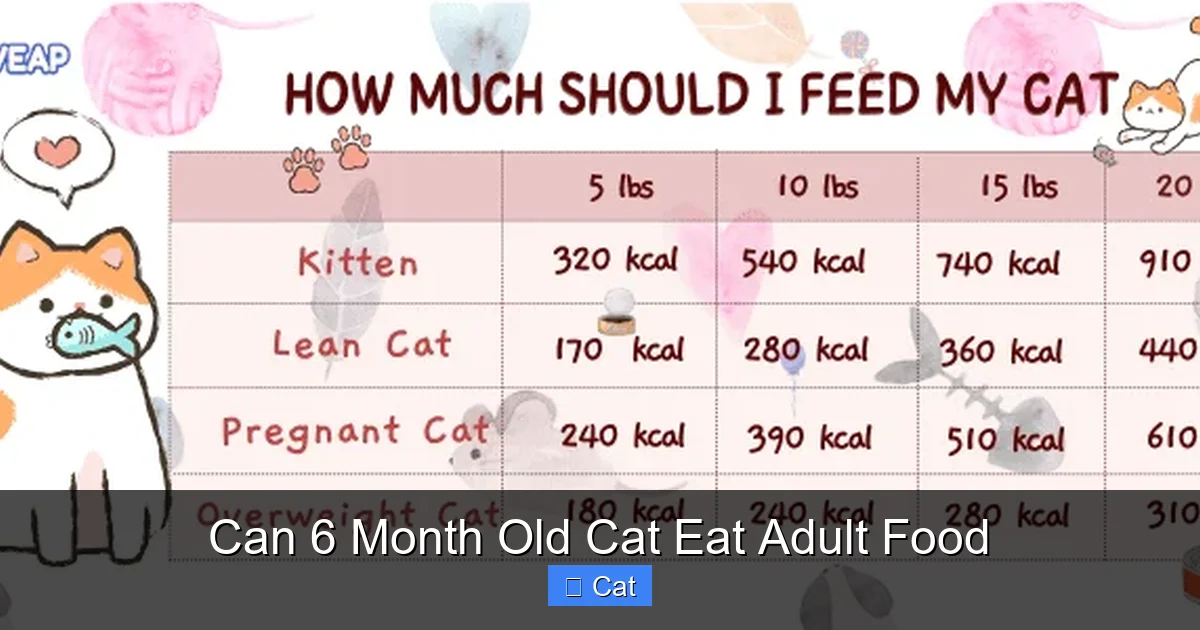
Visual guide about Can 6 Month Old Cat Eat Adult Food
Image source: fveap.org
You wouldn’t feed a toddler the same meal as a full-grown adult, right? The same logic applies to cats. Kittens aren’t just small versions of adult cats—they’re in a completely different life stage with unique nutritional demands. At six months, your cat is still growing rapidly, and their body needs extra support to develop properly.
One of the biggest differences between kitten and adult food is calorie density. Kittens need about two to three times more calories per pound of body weight than adult cats. That’s because they’re burning energy like crazy—playing, exploring, and building new tissues every day. Adult food simply doesn’t pack enough punch to keep up with this high-energy lifestyle.
But it’s not just about calories. Kittens also need higher levels of protein and fat. Protein is the building block for muscles, organs, and immune cells. Look for kitten foods with at least 30–40% protein, ideally from real animal sources like chicken, turkey, or fish. Fat provides concentrated energy and supports brain development—especially important during this cognitive growth phase.
Then there are the micronutrients. Taurine, for example, is an amino acid that’s essential for heart health, vision, and reproduction. Kittens can’t produce enough on their own, so they must get it from their diet. DHA (docosahexaenoic acid), an omega-3 fatty acid, supports brain and eye development. These nutrients are often added in higher amounts to kitten formulas but may be lacking in adult foods.
Calcium and phosphorus are also crucial for strong bones and teeth. Kittens need a balanced ratio of these minerals to support skeletal growth. Too little can lead to weak bones; too much can cause joint problems. Adult foods aren’t formulated with this balance in mind, which is another reason they’re not suitable for young cats.
In short, kitten food is scientifically designed to meet the intense demands of growing cats. Adult food? Not so much. It’s made for maintenance—keeping a full-grown cat healthy and at a stable weight. Feeding it to a 6-month-old is like putting regular gasoline in a high-performance engine. It might run for a while, but eventually, it’ll cause damage.
Real-Life Example: The Risks of Early Switching
Let’s say you have a 6-month-old tabby named Luna. She’s energetic, loves to climb, and seems ready for “big cat” food. You decide to switch her to an adult formula because it’s cheaper and you think she’s mature enough. At first, nothing seems wrong. She eats it fine, poops normally, and still plays all day.
But over the next few months, you notice subtle changes. Luna isn’t gaining weight as quickly as before. Her coat looks a little dull. She seems less interested in her toys and sleeps more. You take her to the vet, and bloodwork reveals low levels of taurine and DHA. The vet explains that adult food doesn’t provide enough of these nutrients for a growing kitten. Luna’s development has been compromised—not dramatically, but enough to affect her long-term health.
This scenario isn’t rare. Many pet parents make the switch too early, thinking their kitten is ready. But growth isn’t just about size—it’s about internal development too. And that requires the right fuel.
Nutritional Differences Between Kitten and Adult Cat Food
To truly understand why adult food isn’t suitable for 6-month-old cats, let’s break down the nutritional differences side by side. While both types of food are designed to be complete and balanced, their formulations are tailored to different life stages.
First, let’s talk protein. Kitten food typically contains 30–40% protein, compared to 26–30% in most adult formulas. This higher protein level supports muscle growth, tissue repair, and enzyme production. Kittens are constantly building new cells, and protein is the cornerstone of that process.
Fat content is another key difference. Kitten food usually has 15–20% fat, while adult food ranges from 9–15%. Fat provides energy, helps absorb fat-soluble vitamins (A, D, E, K), and supports brain development. The extra fat in kitten food ensures growing cats have the fuel they need for play, learning, and physical development.
Calorie density is also higher in kitten food. On average, kitten kibble has about 450–500 calories per cup, while adult kibble has 350–400. This might not seem like a big difference, but when you consider that kittens eat smaller portions more frequently, every calorie counts.
Then there are the essential nutrients. Taurine, as mentioned earlier, is vital for cats of all ages, but kittens need more because their bodies are developing rapidly. A deficiency can lead to blindness, heart disease, and reproductive issues. DHA is another critical nutrient found in higher amounts in kitten food. It supports cognitive function and vision—especially important during the first year of life.
Calcium and phosphorus are also carefully balanced in kitten food. Kittens need about 1.2–1.8% calcium, compared to 0.6–1.0% in adult food. This higher level supports bone growth, but it must be paired with the right amount of phosphorus to avoid skeletal problems.
Finally, kitten food often includes added vitamins and minerals like vitamin E, vitamin B12, and folic acid—nutrients that support immune function, red blood cell production, and overall health.
What to Look for on the Label
When shopping for kitten food, always check the ingredient list and nutritional analysis. Look for:
– Real meat (chicken, turkey, fish) as the first ingredient
– No artificial colors, flavors, or preservatives
– AAFCO statement confirming it’s formulated for “growth” or “kitten”
– Guaranteed analysis showing high protein, fat, and calorie content
Avoid foods with fillers like corn, soy, or wheat. These offer little nutritional value and can cause digestive upset in sensitive kittens.
Risks of Feeding Adult Food to a 6-Month-Old Cat
Now that we’ve covered the nutritional differences, let’s talk about the real risks of feeding adult food to a 6-month-old cat. It’s not just about missing out on extra calories—it’s about potentially causing long-term harm.
One of the most serious risks is stunted growth. Kittens grow rapidly during their first year, and inadequate nutrition can slow or halt this process. Bones may not develop properly, leading to weak joints, arthritis, or deformities. In severe cases, growth plates may close too early, resulting in a permanently undersized cat.
Another concern is developmental delays. The brain and nervous system develop most quickly in the first six to twelve months. Without enough DHA and other essential fatty acids, cognitive function may be impaired. This can affect learning, memory, and even behavior. A kitten fed adult food might be slower to learn commands, less curious, or more prone to anxiety.
Immune system development is also at risk. Kittens are born with some immunity from their mother’s milk, but this fades by 8–12 weeks. After that, their own immune system must take over. Proper nutrition—especially protein, vitamins A and E, and zinc—is crucial for building strong defenses. Adult food may not provide enough of these nutrients, leaving your kitten vulnerable to infections, parasites, and illnesses.
Digestive issues can also arise. Adult food is often lower in fat and fiber, which might seem like a good thing, but kittens need the extra fat for energy. Sudden changes in diet can also upset their sensitive stomachs, leading to diarrhea, vomiting, or loss of appetite.
And let’s not forget about dental health. Kittens are still growing their adult teeth, and proper nutrition supports strong enamel and healthy gums. Adult food isn’t formulated with this in mind, so feeding it too early could contribute to dental problems down the line.
Long-Term Health Implications
The effects of poor nutrition during kittenhood can last a lifetime. Cats that don’t get proper nutrition in their first year may have:
– Weaker bones and joints
– Poor coat quality
– Reduced lifespan
– Higher risk of chronic diseases
It’s not just about how they look today—it’s about setting them up for a healthy, happy life. And that starts with the right food.
When Is It Safe to Switch to Adult Food?
So, when *can* you switch your kitten to adult food? The general rule is to wait until they’re at least 12 months old. By then, most cats have reached their full size and are transitioning into adulthood. However, some larger breeds—like Maine Coons or Ragdolls—may need kitten food until 18 months or even 2 years.
The key is to watch for signs of maturity, not just age. Is your cat still growing? Are they gaining weight steadily? Do they have a shiny coat and high energy? If so, they’re probably not ready for adult food yet.
When the time comes, don’t make a sudden switch. Gradual transitions are essential to avoid digestive upset. Start by mixing a small amount of adult food with their kitten food—maybe 25% adult, 75% kitten. Over the next 7–10 days, slowly increase the proportion of adult food until they’re eating it exclusively.
Monitor your cat during this transition. Watch for changes in appetite, stool quality, or behavior. If they seem uncomfortable or stop eating, slow down the process or consult your vet.
Tips for a Smooth Transition
– Choose an adult food that’s high-quality and appropriate for your cat’s breed and size
– Feed the same brand if possible to minimize digestive issues
– Keep meal times consistent
– Offer fresh water at all times
– Be patient—some cats take longer to adjust than others
How to Choose the Best Kitten Food
Not all kitten foods are created equal. With so many options on the market, it’s important to choose one that truly supports your cat’s growth. Here’s how to pick the best kitten food for your 6-month-old.
Start with the ingredient list. The first ingredient should be a named animal protein—like “chicken” or “salmon”—not a by-product or meal. Avoid foods with vague terms like “meat meal” or “animal digest.”
Look for a complete and balanced formula that meets AAFCO standards for growth. This ensures the food has been tested and proven to support kitten development.
Check the guaranteed analysis. Aim for:
– Protein: 30% or higher
– Fat: 15% or higher
– Moisture: 10% or less (for dry food)
– Taurine: at least 0.1%
Consider your cat’s preferences too. Some kittens prefer wet food, while others love kibble. You can even mix both for variety and added hydration.
Top Kitten Food Brands to Consider
Some trusted brands known for high-quality kitten formulas include:
– Royal Canin Kitten
– Hill’s Science Diet Kitten
– Purina Pro Plan Kitten
– Blue Buffalo Wilderness Kitten
– Wellness CORE Kitten
Always read reviews and consult your vet before making a final decision.
Conclusion: Prioritize Your Kitten’s Growth
To sum it up: no, a 6-month-old cat should not eat adult food. While they may look and act like mini adults, their bodies are still growing and developing at an incredible pace. They need the extra calories, protein, fat, and nutrients found in high-quality kitten food to thrive.
Feeding adult food too early can lead to stunted growth, developmental delays, and long-term health problems. It’s not worth the risk—especially when kitten food is specifically designed to meet their unique needs.
So, keep feeding your 6-month-old kitten the food made for them. Wait until they’re at least 12 months old before considering a switch. And when you do transition, do it slowly and with your vet’s guidance.
Your kitten’s health and happiness depend on the choices you make today. Give them the best start in life—with the right food, at the right time.
Frequently Asked Questions
Can I mix adult food with kitten food for my 6-month-old?
It’s not recommended to mix adult food with kitten food for a 6-month-old cat. Adult food lacks the extra calories, protein, and key nutrients that growing kittens need. Even small amounts can dilute the nutritional value of kitten food and lead to deficiencies over time.
What happens if my 6-month-old cat eats adult food for a week?
Occasional exposure is unlikely to cause serious harm, but prolonged feeding can lead to nutritional gaps. If your kitten accidentally ate adult food for a short time, just return to kitten food right away. Watch for any changes in energy, appetite, or stool, and consult your vet if you’re concerned.
Is wet or dry kitten food better for a 6-month-old?
Both can be part of a healthy diet. Wet food provides hydration and is often more palatable, while dry food supports dental health and is convenient. Many owners use a mix of both. Choose high-quality options that meet AAFCO standards for kittens.
Can large breed kittens eat adult food earlier?
No, large breed kittens actually need kitten food longer—sometimes until 18 months or 2 years. Their bones and joints develop more slowly, so they require the extra calcium and balanced nutrition found in kitten formulas. Always follow your vet’s advice for breed-specific needs.
How much should a 6-month-old cat eat per day?
Most 6-month-old kittens need about 200–300 calories per day, depending on size and activity level. This usually translates to 1/2 to 3/4 cup of high-quality kitten kibble or 2–3 cans of wet food. Split meals into 3–4 small portions to support digestion and energy levels.
What are the signs my kitten isn’t getting enough nutrition?
Watch for slow weight gain, dull coat, lethargy, digestive issues, or behavioral changes. If your kitten seems less playful, has trouble growing, or shows signs of weakness, it could be due to poor nutrition. Schedule a vet visit to rule out health problems and adjust their diet if needed.