
Yes, a 6-month-old kitten can and should eat cat food—specifically, high-quality kitten-formulated food. At this age, kittens are still growing rapidly and need nutrient-dense meals rich in protein, fat, and essential vitamins. Choosing the right food supports healthy development, strong immunity, and long-term well-being.
Key Takeaways
- 6-month-old kittens can eat cat food: They should be eating kitten-specific cat food, not adult formulas, to meet their high energy and nutritional needs.
- Kitten food is essential for growth: It contains higher levels of protein, fat, calcium, and DHA, which support brain, bone, and muscle development.
- Wet and dry food both work: A mix of wet and dry kitten food ensures hydration, dental health, and balanced nutrition.
- Feeding frequency matters: At 6 months, kittens should eat 3–4 small meals per day to maintain energy and prevent overeating.
- Avoid adult cat food: Adult formulas lack the calories and nutrients kittens need and can lead to deficiencies.
- Transition gradually: If switching brands or types, do so over 7–10 days to avoid digestive upset.
- Consult your vet: Always check with a veterinarian to tailor feeding plans to your kitten’s breed, size, and health.
Understanding Your 6-Month-Old Kitten’s Nutritional Needs
At six months old, your kitten is no longer a tiny ball of fluff—but they’re far from being a full-grown cat. This is a critical stage in their life, often referred to as the “juvenile” or “adolescent” phase. During this time, kittens are growing at an astonishing rate. They’re developing strong bones, building muscle mass, sharpening their senses, and forming the foundation for a healthy adult life. All of this growth requires a lot of energy and the right balance of nutrients.
Unlike adult cats, kittens need significantly more calories, protein, and certain vitamins and minerals per pound of body weight. For example, a 6-month-old kitten may need up to twice the protein and three times the energy (calories) of an adult cat. This is why feeding them regular adult cat food simply won’t cut it. Adult formulas are designed for maintenance, not growth, and they lack the concentrated nutrition that growing kittens require.
Think of it like feeding a toddler a diet meant for a senior citizen—it just doesn’t meet their needs. Kittens are like tiny athletes in training, constantly on the move, learning, and developing. Their bodies are building everything from immune cells to brain tissue, and they need fuel that supports that intense activity.
So, can a 6-month-old kitten eat cat food? Absolutely—but it has to be the right kind. That means food specifically labeled for “kittens” or “growth” stages. These formulas are scientifically designed to provide the optimal balance of protein, fat, calcium, phosphorus, DHA (an omega-3 fatty acid crucial for brain and vision development), and other essential nutrients.
It’s also important to understand that not all kitten foods are created equal. Some brands use fillers like corn, soy, or by-products, which offer little nutritional value. Look for high-quality ingredients, with real meat (like chicken, turkey, or fish) listed as the first ingredient. Avoid foods with artificial colors, flavors, or preservatives.
In short, your 6-month-old kitten can and should be eating cat food—just make sure it’s the kind that’s made for kittens. This small detail can make a big difference in their health, energy levels, and long-term development.
Types of Cat Food Suitable for 6-Month-Old Kittens
When it comes to feeding your 6-month-old kitten, you’ll find two main types of cat food on the market: wet (canned) and dry (kibble). Both have their pros and cons, and many veterinarians and pet nutritionists recommend a combination of both for a balanced diet. Let’s break down each type and how it fits into your kitten’s nutritional plan.
Wet Kitten Food
Wet food is a favorite among kittens—and for good reason. It’s soft, flavorful, and packed with moisture, which is especially important for young cats who may not drink enough water on their own. At 6 months old, kittens are still developing healthy hydration habits, and wet food can help prevent urinary tract issues down the line.
One of the biggest advantages of wet food is its high water content—typically around 70–80%. This helps keep your kitten hydrated, supports kidney function, and reduces the risk of urinary crystals or infections. It’s also easier for kittens to chew and digest, especially if they’re still getting used to solid food.
Wet kitten food is usually richer in animal-based protein and lower in carbohydrates, which aligns well with a cat’s natural carnivorous diet. Look for cans or pouches labeled “for kittens” or “growth” to ensure they’re getting the right nutrient profile. For example, a high-quality wet food might list deboned chicken, chicken liver, and fish oil as top ingredients, with no grains or artificial additives.
A practical tip: Serve wet food at room temperature. Cold food straight from the fridge can be less appealing and harder to digest. You can also mix in a little warm water to enhance the aroma and make it even more enticing.
Dry Kitten Food
Dry kibble is convenient, cost-effective, and great for dental health. The crunchy texture can help reduce plaque buildup, which is a bonus as your kitten’s adult teeth come in. Many dry kitten foods are formulated with added nutrients like taurine, DHA, and antioxidants to support growth and immunity.
One of the main benefits of dry food is that it can be left out for free-feeding (though this isn’t always recommended—more on that later). This allows your kitten to graze throughout the day, which some cats prefer. It’s also shelf-stable and doesn’t require refrigeration once opened, making it a practical choice for busy pet parents.
However, dry food has lower moisture content—usually around 10%—so it’s important to ensure your kitten drinks plenty of water. Always provide fresh water in a clean bowl, and consider using a cat water fountain to encourage drinking.
When choosing dry kitten food, look for brands that use real meat as the primary ingredient and avoid those with excessive fillers or by-products. Some excellent options include Royal Canin Kitten, Hill’s Science Diet Kitten, and Wellness CORE Kitten. These brands are vet-recommended and formulated to meet the AAFCO (Association of American Feed Control Officials) standards for kitten growth.
Combining Wet and Dry Food
Many cat owners find that a mix of wet and dry food offers the best of both worlds. For example, you might feed wet food in the morning and evening for hydration and palatability, and leave a small portion of dry kibble out during the day for snacking.
This combination supports hydration, dental health, and nutritional balance. It also keeps mealtime interesting for your kitten, which can prevent picky eating habits later on.
A sample feeding plan might look like this:
– Morning: 1/3 can of wet kitten food
– Midday: Small bowl of dry kitten kibble (optional, depending on appetite)
– Evening: 1/3 can of wet kitten food + a few pieces of dry food as a treat
Remember, every kitten is different. Some may prefer wet food, while others love crunching on kibble. Pay attention to your kitten’s preferences, weight, and energy levels, and adjust accordingly.
Feeding Schedule and Portion Control for 6-Month-Old Kittens
Feeding your 6-month-old kitten isn’t just about what you give them—it’s also about when and how much. At this age, kittens have small stomachs but big appetites. They burn through energy quickly and need regular meals to stay fueled and healthy.
How Often Should You Feed a 6-Month-Old Kitten?
Most veterinarians recommend feeding kittens between 3 to 4 times a day until they’re about 6 months old. However, at the 6-month mark, some kittens can transition to 2–3 meals per day, depending on their size, breed, and activity level.
For example, a small or moderately active kitten might do well with three meals: breakfast, lunch, and dinner. A larger or more energetic kitten (like a Maine Coon or Bengal) might still benefit from four smaller meals to support their rapid growth.
Free-feeding—leaving dry food out all day—is an option some owners choose, but it comes with risks. While it allows kittens to eat when they’re hungry, it can lead to overeating, obesity, and inconsistent eating habits. It’s also harder to monitor how much your kitten is actually consuming, which is important for tracking growth and health.
A better approach is scheduled feeding. This helps regulate your kitten’s metabolism, prevents overeating, and makes it easier to spot changes in appetite—which can be an early sign of illness.
How Much Should You Feed?
Portion sizes depend on the food’s calorie density, your kitten’s weight, and their activity level. Most high-quality kitten foods provide feeding guidelines on the packaging. For example, a 6-month-old kitten weighing around 5–6 pounds might need about 1/2 to 3/4 cup of dry food per day, divided into 2–3 meals.
Wet food portions are usually smaller—around 1/3 to 1/2 can per meal, depending on the brand. Always check the label for specific recommendations.
Here’s a general guideline:
– Dry food: 1/3 to 1/2 cup per day, split into 2–3 meals
– Wet food: 1/2 to 1 full can per day, split into 2 meals
Keep in mind that these are estimates. Some kittens are bigger or more active and may need more. Others may be smaller or less active and need less. The best way to determine the right amount is to monitor your kitten’s body condition.
You should be able to feel their ribs easily when you gently run your hands along their sides, but not see them prominently. Their waist should be visible when viewed from above, and they should have a slight abdominal tuck when viewed from the side. If you’re unsure, your vet can help assess your kitten’s body condition score.
Tips for Successful Feeding
– Use a dedicated food bowl: Choose a shallow, non-slip bowl that’s easy for your kitten to access. Avoid deep bowls that can irritate their whiskers.
– Stick to a routine: Feed at the same times each day to help regulate digestion and reduce anxiety.
– Avoid overfeeding: Obesity in kittens can lead to joint problems, diabetes, and other health issues later in life.
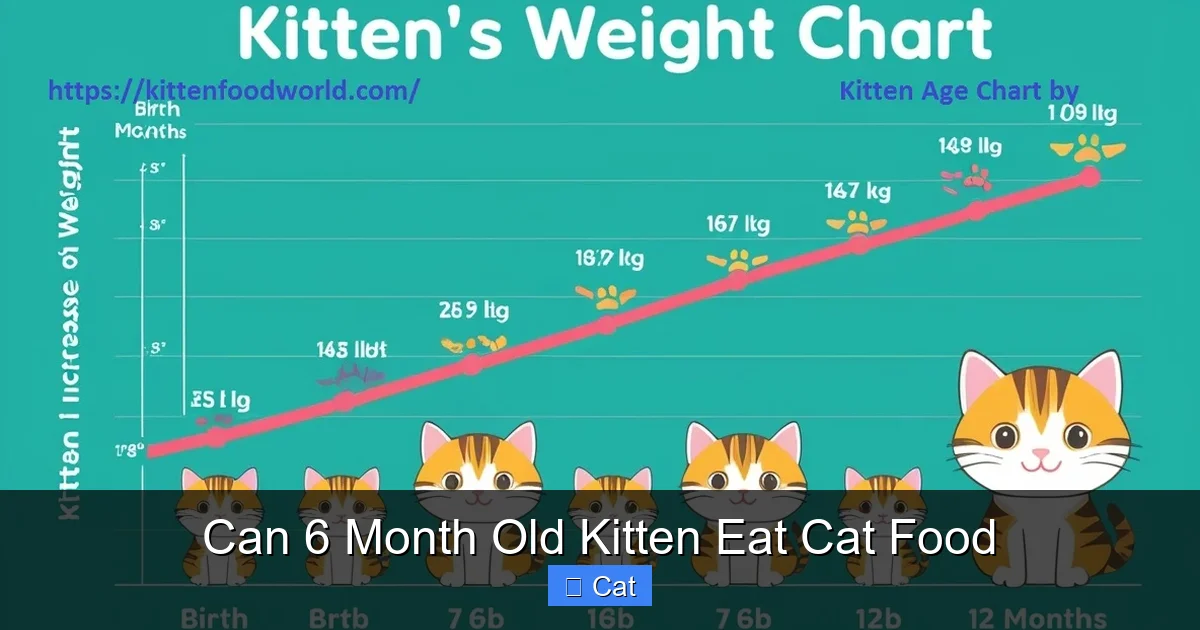
– Monitor weight gain: Weigh your kitten every 2–4 weeks to ensure they’re growing steadily. A healthy kitten should gain about 1 pound per month.
– Don’t feed human food: Even small amounts of cheese, milk, or table scraps can upset their stomach or lead to nutritional imbalances.
Foods to Avoid Feeding Your 6-Month-Old Kitten
While it’s important to know what your kitten can eat, it’s just as crucial to know what they should avoid. Kittens have sensitive digestive systems, and certain foods—even ones that seem harmless—can be dangerous or even toxic.
Toxic Foods for Kittens
Some human foods are outright poisonous to cats and should never be given, even in small amounts. These include:
– Chocolate: Contains theobromine, which can cause vomiting, diarrhea, seizures, and even death.
– Onions, garlic, and chives: Can damage red blood cells and lead to anemia.
– Grapes and raisins: Even small quantities can cause kidney failure.
– Alcohol: Extremely dangerous and can be fatal, even in tiny amounts.
– Caffeine: Found in coffee, tea, energy drinks, and some medications—can cause rapid breathing, heart palpitations, and seizures.
Foods That Are Unsafe or Unhealthy
Other foods may not be toxic but are still unsuitable for kittens:
– Cow’s milk: Many kittens are lactose intolerant, and milk can cause diarrhea and stomach upset. If you want to give a milk treat, use specially formulated cat milk (available at pet stores).
– Raw meat, fish, or eggs: Can contain harmful bacteria like Salmonella or E. coli. Raw fish also contains an enzyme that destroys thiamine, an essential B vitamin.
– Bones: Cooked bones can splinter and cause choking or internal injuries.
– Dog food: Lacks the taurine, protein, and other nutrients cats need. Long-term feeding can lead to serious health problems.
– Adult cat food: As mentioned earlier, it doesn’t provide the calories or nutrients kittens need for growth.
Common Mistakes to Avoid
– Feeding too many treats: Treats should make up no more than 10% of your kitten’s daily caloric intake. Overdoing it can lead to obesity and nutritional imbalances.
– Switching food too quickly: Sudden changes can cause diarrhea or vomiting. Always transition over 7–10 days by mixing increasing amounts of the new food with the old.
– Ignoring food allergies: Some kittens may be sensitive to certain proteins (like chicken or fish) or grains. If you notice itching, ear infections, or digestive issues, talk to your vet about hypoallergenic diets.
Transitioning to Adult Cat Food: When and How
As your kitten approaches their first birthday, you’ll start thinking about transitioning to adult cat food. But when exactly should you make the switch, and how?
When to Switch
Most kittens can transition to adult food between 10 and 12 months of age. However, this can vary by breed. Smaller breeds (like Siamese or domestic shorthairs) may be ready closer to 10 months, while larger breeds (like Maine Coons or Ragdolls) may benefit from kitten food until 12–14 months due to their slower growth rate.
Your vet can help determine the right time based on your kitten’s size, weight, and overall development.
How to Transition
Switching too quickly can upset your kitten’s stomach. The best approach is a gradual transition over 7–10 days:
– Days 1–2: 75% old food, 25% new food
– Days 3–4: 50% old food, 50% new food
– Days 5–6: 25% old food, 75% new food
– Day 7+: 100% new food
Monitor your kitten for signs of digestive upset, such as diarrhea, vomiting, or loss of appetite. If issues persist, slow down the transition or consult your vet.
Choosing the Right Adult Food
When the time comes, choose a high-quality adult cat food that meets AAFCO standards. Look for real meat as the first ingredient, and avoid fillers, artificial additives, and excessive carbohydrates.
Some great options include:
– Royal Canin Adult
– Hill’s Science Diet Adult
– Blue Buffalo Wilderness Adult
– Purina Pro Plan Adult
Remember, the transition isn’t just about age—it’s about maturity. A healthy, active kitten may be ready sooner, while a slower-growing or less active one may need more time on kitten food.
Consulting Your Veterinarian About Your Kitten’s Diet
While general guidelines are helpful, every kitten is unique. Your veterinarian is your best resource for creating a personalized feeding plan that supports your kitten’s specific needs.
During routine checkups, your vet can assess your kitten’s growth, body condition, and overall health. They can recommend the best type of food, portion sizes, and feeding schedule based on factors like breed, weight, activity level, and any underlying health conditions.
For example, a kitten with a heart condition may need a low-sodium diet, while one with food sensitivities may benefit from a limited-ingredient or hydrolyzed protein formula.
Don’t hesitate to ask questions like:
– Is my kitten growing at a healthy rate?
– Should I be feeding more or less?
– Are there any signs of food allergies?
– When should I switch to adult food?
Regular vet visits—every 3–6 months during the first year—are essential for monitoring your kitten’s development and catching any issues early.
Conclusion
So, can a 6-month-old kitten eat cat food? The answer is a resounding yes—but only the right kind. Kitten-specific food provides the high levels of protein, fat, and essential nutrients needed for rapid growth and development. Whether you choose wet, dry, or a combination of both, the key is to select high-quality, vet-approved formulas and feed them on a consistent schedule.
Avoid adult cat food, human foods, and unsafe treats, and always transition gradually when making changes. And most importantly, work with your veterinarian to ensure your kitten is thriving.
By feeding your 6-month-old kitten the right food in the right amounts, you’re setting them up for a lifetime of health, energy, and happiness. After all, a well-fed kitten is a happy kitten—and a happy kitten makes for a joyful home.
Is it safe to feed my 6-month-old kitten adult cat food?
No, adult cat food doesn’t provide the high calories, protein, and nutrients kittens need for growth. It can lead to malnutrition and developmental issues. Always choose food labeled for kittens.
Can I feed my kitten only wet food?
Yes, wet food is safe and beneficial, especially for hydration. However, combining it with dry food can support dental health and provide variety. Just ensure the total diet meets kitten nutritional standards.
How much should a 6-month-old kitten eat per day?
Most 6-month-old kittens need about 1/2 to 3/4 cup of dry food or 1/2 to 1 full can of wet food daily, split into 2–3 meals. Adjust based on weight, activity, and vet advice.
Can kittens eat human food?
Generally, no. Many human foods are toxic (like chocolate or onions) or unhealthy (like milk or raw meat). Stick to kitten-safe treats and vet-approved foods.
When should I switch my kitten to adult food?
Most kittens transition between 10 and 12 months, but larger breeds may need kitten food longer. Consult your vet to determine the best time based on your kitten’s growth and health.
What should I do if my kitten refuses to eat?
Try warming the food slightly, offering a different flavor or texture, or mixing wet and dry food. If refusal lasts more than 24 hours, contact your vet—it could signal an underlying issue.
This is a comprehensive guide about can 6 month old kitten eat cat food.
Key Takeaways
- Understanding can 6 month old kitten eat cat food: Provides essential knowledge
Frequently Asked Questions
What is can 6 month old kitten eat cat food?
can 6 month old kitten eat cat food is an important topic with many practical applications.