

No, a 6-month-old puppy should not eat adult dog food regularly. Puppies have unique nutritional needs for growth, brain development, and energy that adult formulas don’t meet. Feeding adult food can lead to deficiencies, stunted growth, or long-term health issues.
Key Takeaways
- Puppies need more calories and nutrients: At 6 months, puppies require higher levels of protein, fat, calcium, and DHA than adult dogs to support rapid growth and development.
- Adult dog food lacks essential growth nutrients: Adult formulas are lower in key ingredients like calcium and omega-3 fatty acids, which are critical for bone, brain, and immune system development.
- Feeding adult food can cause health problems: Long-term use may lead to skeletal issues, poor coat quality, weakened immunity, and developmental delays.
- Occasional accidental ingestion is usually safe: If your puppy eats a small amount of adult food once, don’t panic—just return to puppy food immediately.
- Choose high-quality puppy-specific food: Look for AAFCO-approved formulas labeled “for growth” or “for all life stages” to ensure balanced nutrition.
- Transition gradually when switching foods: If changing brands or types, mix old and new food over 7–10 days to avoid digestive upset.
- Consult your vet for personalized advice: Breed size, activity level, and health conditions can influence dietary needs—your veterinarian can guide the best feeding plan.
📑 Table of Contents
- Can 6 Month Old Puppy Eat Adult Dog Food? The Truth Every Pet Parent Should Know
- Why Puppies Have Different Nutritional Needs Than Adult Dogs
- The Risks of Feeding Adult Dog Food to a 6-Month-Old Puppy
- When Is It Okay for a Puppy to Eat Adult Dog Food?
- How to Choose the Right Food for Your 6-Month-Old Puppy
- Practical Feeding Tips for 6-Month-Old Puppies
- Common Myths About Puppy Nutrition
- Conclusion: Prioritize Your Puppy’s Growth with the Right Nutrition
Can 6 Month Old Puppy Eat Adult Dog Food? The Truth Every Pet Parent Should Know
Bringing home a 6-month-old puppy is an exciting time. They’re full of energy, curiosity, and charm—but they’re also growing at an astonishing rate. During this critical stage, nutrition plays a huge role in shaping their future health, behavior, and physical development. One common question many new dog owners ask is: Can a 6 month old puppy eat adult dog food? It’s an understandable concern, especially if you’re running low on puppy food or have multiple dogs with different dietary needs.
The short answer? No, a 6-month-old puppy should not be regularly fed adult dog food. While it might seem convenient—or even harmless—to give your pup the same kibble as your adult dog, doing so can actually compromise their growth and long-term well-being. Puppies have very specific nutritional requirements that adult dog food simply doesn’t meet. Their bodies are building bones, muscles, brains, and immune systems at lightning speed, and they need more calories, protein, fat, and certain vitamins and minerals than adult dogs.
In this guide, we’ll dive deep into why puppy food is essential at this stage, what happens if you feed adult food, how to choose the right diet, and practical tips for feeding your growing pup. Whether you’re a first-time dog owner or just looking to fine-tune your puppy’s nutrition, this article will give you the knowledge you need to make the best choices for your furry friend.
Why Puppies Have Different Nutritional Needs Than Adult Dogs
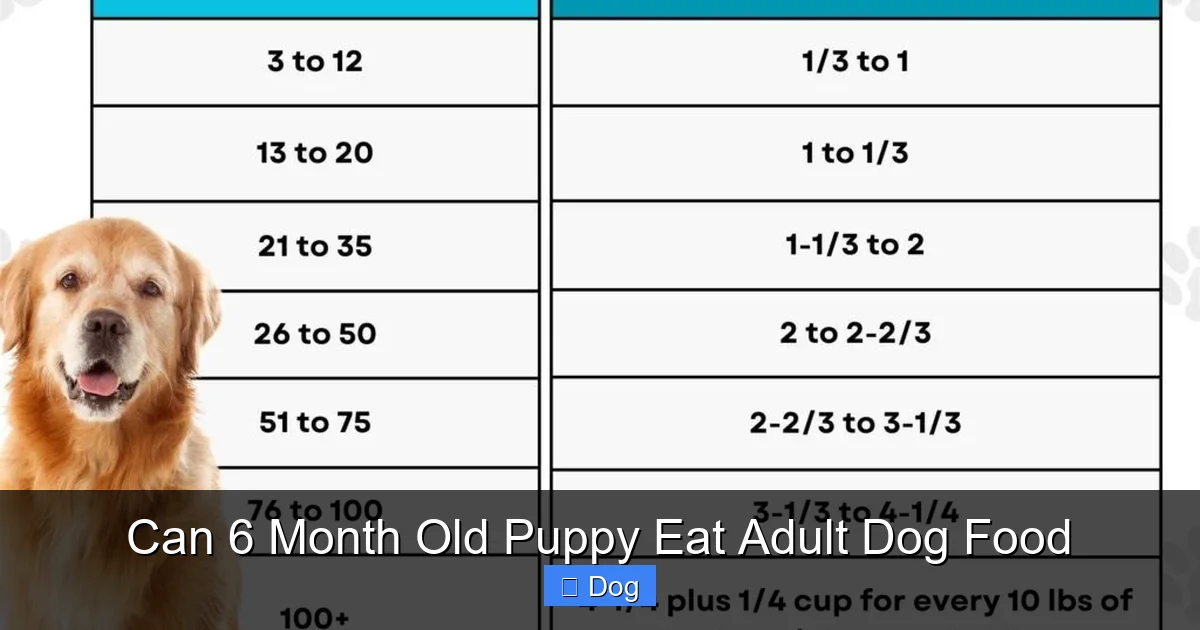
Visual guide about Can 6 Month Old Puppy Eat Adult Dog Food
Image source: worldanimalfoundation.org
At six months old, your puppy is still in the middle of a rapid growth phase. Depending on their breed, they may reach 50–75% of their adult size by now, and their metabolism is working overtime to support this development. This means their dietary needs are dramatically different from those of a full-grown dog.
Higher Caloric Needs
Puppies burn energy faster than adult dogs. They’re constantly moving, playing, exploring, and learning—all of which require fuel. On average, a 6-month-old puppy needs about twice as many calories per pound of body weight as an adult dog. Adult dog food is formulated to maintain weight and energy levels in mature dogs, not to support explosive growth. Feeding it to a puppy could leave them underfed and lethargic.
Increased Protein and Fat Requirements
Protein is the building block of muscles, organs, skin, and coat. Puppies need significantly more protein than adult dogs—typically around 22–32% on a dry matter basis, compared to 18–25% for adults. Fat is equally important, providing concentrated energy and supporting brain development. Puppy foods usually contain 8–20% fat, while adult foods often have 5–15%. This extra fat helps fuel their high activity levels and supports the development of the nervous system.
Critical Role of Calcium and Phosphorus
Bone development is one of the most crucial aspects of puppy growth. Calcium and phosphorus are essential minerals for strong bones and teeth. However, the ratio and amount matter greatly. Too little can lead to weak bones and deformities; too much can cause skeletal problems like osteochondrosis or hip dysplasia. Puppy foods are carefully balanced to provide the right calcium-to-phosphorus ratio (usually around 1.2:1 to 1.4:1), which adult foods may not maintain.
Importance of DHA for Brain and Vision
Docosahexaenoic acid (DHA) is an omega-3 fatty acid that plays a vital role in brain and retinal development. Studies show that puppies fed diets rich in DHA perform better in learning and memory tasks. Many high-quality puppy foods include DHA from sources like fish oil or algae. Adult dog food typically contains little to no added DHA, making it less suitable for developing minds.
Smaller Stomach, Frequent Meals
At 6 months, puppies still have small stomachs relative to their energy needs. They can’t eat large meals, so they benefit from eating 3–4 smaller meals per day. Puppy food is often more nutrient-dense, allowing them to get what they need without overeating. Adult food, being less calorie-dense, might require larger portions that could overwhelm their digestive system.
The Risks of Feeding Adult Dog Food to a 6-Month-Old Puppy
While it might seem harmless to occasionally give your puppy a bite of adult kibble—or even feed it full-time—there are real risks involved. Adult dog food isn’t designed for growing bodies, and long-term use can lead to several health issues.
Nutritional Deficiencies
The most immediate concern is malnutrition. Because adult food has lower levels of protein, fat, calories, and key vitamins and minerals, your puppy may not get enough of what they need to grow properly. This can result in stunted growth, poor muscle development, and a weakened immune system. Over time, deficiencies in calcium, vitamin D, or essential fatty acids can lead to more serious problems.
Bone and Joint Problems
Large and giant breed puppies are especially vulnerable to skeletal issues if their diet isn’t properly balanced. For example, too much calcium from adult food (which may not be formulated for growth) or too little can disrupt bone development. Conditions like panosteitis (“growing pains”), hip dysplasia, and elbow dysplasia have been linked to improper nutrition during puppyhood. Even small and medium breeds can suffer from joint pain or deformities if their diet lacks the right balance of nutrients.
Digestive Upset
Puppies have sensitive digestive systems. Adult dog food often contains different fiber levels, fillers, or ingredients that may not agree with a young pup’s gut. Sudden changes or inappropriate diets can cause diarrhea, vomiting, gas, or constipation. While these symptoms might seem minor, chronic digestive issues can lead to dehydration, weight loss, and poor nutrient absorption.
Poor Coat and Skin Health
A shiny coat and healthy skin are signs of good nutrition. Adult dog food typically has lower levels of omega-3 and omega-6 fatty acids, which are essential for skin hydration and coat luster. Puppies fed adult food may develop dry, flaky skin, dull fur, or even hot spots. These issues not only affect appearance but can also lead to itching, infections, and discomfort.
Behavioral and Cognitive Effects
Emerging research suggests that early nutrition impacts brain development and behavior. Puppies deprived of key nutrients like DHA, iron, and B vitamins may show slower learning, reduced attention span, or increased anxiety. While more studies are needed, it’s clear that what your puppy eats now can influence how they think and behave later in life.
Long-Term Health Consequences
The effects of poor nutrition during puppyhood can last a lifetime. Dogs that don’t receive proper growth-stage nutrition may be more prone to obesity, diabetes, heart disease, and joint problems as adults. They may also have shorter lifespans or reduced quality of life. Investing in the right food now is an investment in your dog’s future health.
When Is It Okay for a Puppy to Eat Adult Dog Food?
While regular feeding of adult dog food is not recommended, there are a few scenarios where it might be acceptable—under the right conditions.
Accidental Ingestion
If your puppy sneaks a few bites of adult food from the bowl, don’t panic. One-time or occasional exposure is unlikely to cause harm. Just make sure to return to their regular puppy diet immediately. Monitor for any signs of digestive upset, but in most cases, your pup will be fine.
Transition Periods
When switching from puppy food to adult food (usually around 12–24 months, depending on breed size), you may need to mix the two during the transition. This helps avoid stomach upset. However, this should only happen when your puppy is developmentally ready—not at 6 months. Large and giant breeds may need to stay on puppy food longer, sometimes up to 18–24 months.
“All Life Stages” Foods
Some dog foods are labeled “for all life stages” and meet AAFCO (Association of American Feed Control Officials) standards for growth, maintenance, and reproduction. These can technically be fed to puppies, including 6-month-olds. However, it’s important to check the label and ensure it’s nutritionally complete for growth. Not all “all life stages” foods are created equal—some may still fall short on key nutrients like DHA or calcium.
Veterinary Recommendations
In rare cases, a veterinarian may recommend adult food for a puppy due to specific health conditions, such as certain kidney issues or food sensitivities. This should only be done under professional guidance and with a prescription or therapeutic diet. Never switch your puppy to adult food without consulting your vet first.
How to Choose the Right Food for Your 6-Month-Old Puppy
Selecting the best food for your growing pup can feel overwhelming with so many options on the market. Here’s how to make an informed choice.
Look for AAFCO Statements
Always check the label for an AAFCO nutritional adequacy statement. It should say the food is “formulated to meet the nutritional levels established by the AAFCO Dog Food Nutrient Profiles for growth” or “for all life stages.” This ensures the food meets the minimum requirements for puppy development.
Consider Your Puppy’s Breed Size
Small, medium, large, and giant breeds have different growth rates and nutritional needs. Large and giant breed puppies, for example, benefit from diets with controlled calcium and energy levels to prevent rapid growth and joint problems. Look for puppy foods specifically designed for your dog’s size category.
Check the Ingredient List
High-quality puppy food should list a named animal protein (like chicken, lamb, or salmon) as the first ingredient. Avoid foods with vague terms like “meat meal” or “by-products.” Look for whole grains, vegetables, and healthy fats. Avoid artificial preservatives, colors, and fillers like corn syrup or soy.
Evaluate Calorie and Nutrient Density
Puppy food should be calorie-dense to meet high energy needs without overfeeding. Compare the guaranteed analysis on the label: protein should be at least 22%, fat at least 8%, and calcium around 1–1.8%. Avoid foods with excessive calcium, especially for large breeds.
Choose a Reputable Brand
Stick with well-known brands that invest in research and quality control. Brands like Royal Canin, Hill’s Science Diet, Purina Pro Plan, and Wellness often have puppy-specific formulas backed by veterinary nutritionists. Read reviews and ask your vet for recommendations.
Consider Wet vs. Dry Food
Both wet and dry puppy foods can be nutritious. Dry kibble helps with dental health, while wet food provides extra hydration and can be more palatable. Many owners choose to feed a mix of both. Just make sure the total daily intake meets your puppy’s nutritional needs.
Practical Feeding Tips for 6-Month-Old Puppies
Feeding your puppy isn’t just about what they eat—it’s also about how and when.
Feed 3–4 Meals Per Day
At 6 months, most puppies do best with three to four meals spaced throughout the day. This helps maintain steady energy levels and prevents overeating. As they approach 8–12 months, you can gradually reduce to two meals per day.
Measure Portions Carefully
Overfeeding can lead to obesity, which puts extra strain on developing joints. Use a measuring cup to portion out the recommended amount based on your puppy’s weight and the food’s guidelines. Adjust as needed based on body condition—your puppy should have a visible waist and palpable ribs.
Avoid Free-Feeding
Leaving food out all day can lead to overeating and make it harder to monitor intake. Stick to scheduled meals to establish routine and help with house training.
Provide Fresh Water at All Times
Puppies dehydrate quickly, especially during play or hot weather. Always have clean, fresh water available.
Limit Treats to 10% of Daily Calories
Treats are great for training, but they shouldn’t replace meals. Keep treats under 10% of your puppy’s total daily caloric intake to avoid nutritional imbalances.
Monitor Growth and Adjust as Needed
Weigh your puppy regularly and track their growth. If they’re gaining too quickly or too slowly, consult your vet. They may recommend adjusting portion sizes or switching foods.
Common Myths About Puppy Nutrition
There’s a lot of misinformation out there about what puppies should eat. Let’s clear up some common myths.
Myth: “Puppies Can Eat Whatever Adult Dogs Eat”
False. As we’ve discussed, puppies have unique needs that adult food doesn’t meet. Feeding adult food can lead to deficiencies and health problems.
Myth: “Grain-Free Is Always Better”
Not necessarily. While some puppies may have grain sensitivities, grains like rice, oats, and barley are healthy sources of carbohydrates and fiber. The FDA has investigated a potential link between grain-free diets and heart disease in dogs, so it’s best to choose balanced diets unless your vet recommends otherwise.
Myth: “Raw Diets Are Healthier”
Raw feeding is controversial. While some owners swear by it, raw diets carry risks of bacterial contamination (like Salmonella), nutritional imbalances, and choking hazards. If you’re considering raw feeding, consult a veterinary nutritionist to ensure it’s safe and complete.
Myth: “All Puppies Grow at the Same Rate”
Breed size makes a big difference. Small breeds may be nearly full-grown by 10–12 months, while giant breeds like Great Danes can keep growing until 18–24 months. Feed accordingly and follow breed-specific guidelines.
Conclusion: Prioritize Your Puppy’s Growth with the Right Nutrition
So, can a 6-month-old puppy eat adult dog food? The answer is clear: not as a regular diet. While an occasional bite won’t hurt, consistently feeding adult food to a growing puppy can lead to serious health issues, from malnutrition and bone problems to poor coat quality and behavioral challenges.
At this stage, your puppy’s body and brain are developing rapidly, and they need a diet specifically designed to support that growth. High-quality puppy food provides the right balance of protein, fat, calories, calcium, DHA, and other essential nutrients to set them up for a healthy, happy life.
Take the time to choose a reputable, AAFCO-approved puppy food that matches your dog’s breed size and activity level. Feed measured portions on a consistent schedule, and always consult your veterinarian if you have questions or concerns. Remember, the choices you make now will impact your dog’s health for years to come.
Your puppy is counting on you to give them the best start possible. With the right nutrition, plenty of love, and a little patience, you’ll be raising a strong, vibrant companion who’s ready to take on the world—one wag at a time.
Frequently Asked Questions
Can I mix adult dog food with puppy food for my 6-month-old?
It’s not recommended to regularly mix adult and puppy food. Puppy food is formulated for growth, while adult food lacks key nutrients. If you must mix them (e.g., during a transition), keep the adult food portion very small and only do so temporarily.
What should I do if my puppy accidentally eats adult dog food?
Don’t panic. A small amount of adult food won’t harm your puppy. Just return to their regular puppy diet immediately and monitor for any digestive upset like diarrhea or vomiting.
When can I switch my puppy to adult dog food?
Most puppies can transition to adult food between 12 and 18 months, depending on breed size. Small breeds may switch earlier, while large and giant breeds often need puppy food longer—up to 24 months.
Is “all life stages” dog food safe for 6-month-old puppies?
Yes, if it meets AAFCO standards for growth. Check the label to ensure it’s nutritionally complete for puppies. However, puppy-specific formulas are usually a better choice for optimal development.
Can I feed my puppy homemade food instead of commercial puppy food?
Homemade diets can work but require careful planning to ensure they’re balanced. Consult a veterinary nutritionist to create a recipe that meets all your puppy’s needs, including calcium, protein, and essential fatty acids.
Why does my puppy seem hungry even after eating?
Puppies have high metabolisms and small stomachs, so they may act hungry frequently. This is normal. Stick to measured meals and avoid overfeeding. If your puppy seems excessively hungry or loses weight, consult your vet.