
At 6 weeks old, kittens can begin eating softened cat food, but they still need frequent nursing or bottle-feeding. It’s important to choose the right type of food and transition slowly to avoid digestive issues.
Key Takeaways
- Kittens can start eating cat food at 6 weeks: This is the ideal time to begin introducing softened kitten food as they start weaning.
- Choose high-quality kitten-specific food: Adult cat food lacks the nutrients growing kittens need—always pick food labeled for kittens.
- Soften dry food with warm water or formula: This makes it easier for tiny teeth and gums to handle and helps with digestion.
- Continue nursing or bottle-feeding: Even when eating solids, kittens still need milk for essential nutrients and hydration.
- Monitor for digestive issues: Watch for diarrhea, vomiting, or refusal to eat, which may signal food intolerance or illness.
- Feed small, frequent meals: Kittens have small stomachs and high energy needs—offer food 4–6 times a day.
- Consult your vet before major changes: Always check with a veterinarian when introducing new foods or if your kitten seems unwell.
📑 Table of Contents
- Can 6 Week Old Kittens Eat Cat Food?
- Understanding the Weaning Process
- What Type of Cat Food Is Safe for 6 Week Old Kittens?
- How to Introduce Cat Food to 6 Week Old Kittens
- Feeding Schedule and Portion Sizes for 6 Week Old Kittens
- Common Mistakes to Avoid When Feeding 6 Week Old Kittens
- When to Call the Vet
- Conclusion
Can 6 Week Old Kittens Eat Cat Food?
So, you’ve just welcomed a tiny, fluffy 6-week-old kitten into your home—or maybe you’re fostering one and wondering what to feed them. One of the most common questions new kitten caregivers ask is: “Can 6 week old kittens eat cat food?” The short answer is yes, but with important caveats. At this age, kittens are in a critical stage of development known as weaning, where they gradually transition from their mother’s milk (or kitten formula) to solid food. While they can start eating cat food, it must be the right kind, prepared properly, and introduced slowly.
It’s easy to assume that any cat food will do, especially if you already have an adult cat at home. But kittens have very different nutritional needs than adult cats. Their bodies are growing rapidly, their immune systems are still developing, and their tiny digestive systems are sensitive. Feeding them the wrong food—or introducing solids too quickly—can lead to digestive upset, malnutrition, or even long-term health problems. That’s why understanding what, when, and how to feed a 6-week-old kitten is so important.
In this guide, we’ll walk you through everything you need to know about feeding kittens at this age. From the types of food that are safe and nutritious to practical tips for making the transition smooth, we’ve got you covered. Whether you’re raising an orphaned kitten, helping a rescued litter, or just curious about kitten nutrition, this article will give you the confidence to feed your little one the right way.
Understanding the Weaning Process

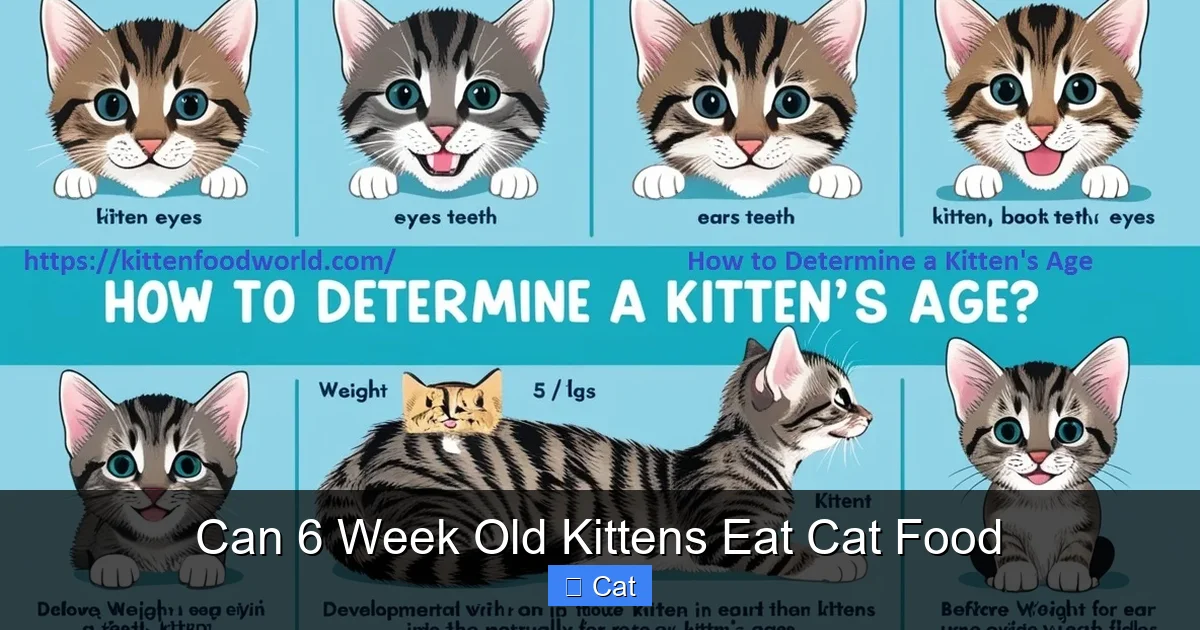
Visual guide about Can 6 Week Old Kittens Eat Cat Food
Image source: kittenfoodworld.com
What Is Weaning?
Weaning is the natural process by which kittens transition from drinking only their mother’s milk to eating solid food. This typically begins around 4 weeks of age and is usually complete by 8 weeks. At 6 weeks, most kittens are in the middle of this process—still relying heavily on milk but starting to show interest in food.
During weaning, kittens begin to explore their environment more, including their mother’s food bowl. You might see them sniffing, pawing at, or even nibbling on food. This is a good sign! It means they’re ready to start learning how to eat solids. However, they’re not ready to give up milk entirely. In fact, milk should still be the primary source of nutrition at this stage.
Why Timing Matters
Introducing solid food too early—before 4 weeks—can be dangerous. Kittens under 4 weeks old don’t have the digestive enzymes needed to process solid food, and their immune systems are still too weak. On the other hand, waiting too long to start weaning can lead to nutritional deficiencies, especially if the mother cat is no longer producing enough milk.
At 6 weeks, kittens have developed stronger teeth and jaws, and their digestive systems are more capable of handling small amounts of solid food. This makes it the perfect time to begin offering softened kitten food alongside continued milk feedings.
Signs Your Kitten Is Ready for Solid Food
Not all kittens wean at the exact same pace. Some may be eager to try food at 5 weeks, while others might not show interest until 7 weeks. Here are a few signs that your 6-week-old kitten is ready to start eating cat food:
– They’re showing curiosity about your food or their mother’s food bowl.
– They’re able to stand and walk steadily.
– They’re starting to lose their baby teeth (though this usually happens a bit later).
– They’re drinking less milk or seem unsatisfied after nursing.
If your kitten is showing these signs, it’s a good indication that they’re ready to begin the weaning process.
What Type of Cat Food Is Safe for 6 Week Old Kittens?
Kitten-Specific Food Is a Must
When it comes to feeding 6-week-old kittens, not all cat food is created equal. You should only feed food that is specifically formulated for kittens. These foods are designed to meet the high energy and nutrient demands of growing cats.
Kitten food contains higher levels of protein, fat, calories, and essential vitamins and minerals like calcium, phosphorus, and DHA (an omega-3 fatty acid important for brain and eye development). Adult cat food, even if it’s high-quality, simply doesn’t provide enough of these critical nutrients for a growing kitten.
Look for labels that say “kitten formula,” “growth formula,” or “for all life stages.” These are safe and appropriate for young kittens. Avoid foods labeled “adult maintenance” or “senior,” as they won’t support your kitten’s development.
Wet vs. Dry Food: Which Is Better?
Both wet and dry kitten food can be part of a healthy diet, but at 6 weeks old, wet food is usually the better starting point. Wet food is softer, easier to chew, and contains more moisture, which helps keep kittens hydrated—especially important if they’re not drinking enough milk.
You can also mix wet and dry food to give your kitten the benefits of both. For example, offer a small amount of wet food mixed with a tiny bit of softened dry kibble. This helps them get used to the texture of dry food while still enjoying the moisture and flavor of wet food.
Homemade or Raw Diets: Should You Consider Them?
Some pet owners are drawn to homemade or raw diets, believing they’re more natural or nutritious. However, for 6-week-old kittens, these diets come with significant risks.
Homemade diets are often unbalanced unless carefully formulated by a veterinary nutritionist. Kittens need precise ratios of protein, fat, calcium, and other nutrients—getting it wrong can lead to serious health problems like rickets or heart issues.
Raw diets carry the risk of bacterial contamination (like Salmonella or E. coli), which can be especially dangerous for young, immunocompromised kittens. Unless you’re working closely with a vet and following strict safety protocols, it’s best to stick with commercially prepared kitten food.
How to Introduce Cat Food to 6 Week Old Kittens
Start with Softened Food
At 6 weeks old, kittens’ teeth are still very small and their jaws aren’t strong enough to crunch dry kibble. That’s why it’s important to soften dry food before offering it.
To do this, soak a small amount of high-quality kitten kibble in warm water, kitten milk replacer, or even low-sodium chicken broth (make sure it’s onion- and garlic-free). Let it sit for 5–10 minutes until it becomes soft and mashable. You can also use a fork to break it into tiny pieces.
Wet food doesn’t need to be softened, but you can warm it slightly to room temperature to make it more appealing. Never microwave kitten food, as it can create hot spots that burn their mouth.
Use a Shallow Dish
Kittens are small and can easily get overwhelmed by deep bowls. Use a shallow dish or even a small plate to make it easier for them to reach the food. You can also place a non-slip mat under the dish to prevent it from sliding around.
Some kittens may not know how to eat from a dish at first. If your kitten seems confused, try placing a tiny bit of food on your finger and letting them lick it off. Then, gradually move your finger closer to the dish until they start eating from it.
Encourage, Don’t Force
Weaning is a learning process, and some kittens take to food quickly while others need more time. Don’t force your kitten to eat—this can create negative associations with food.
Instead, offer food several times a day and let them explore at their own pace. You can also try placing a small amount of food near their mother (if she’s around), as kittens often learn by watching.
If your kitten isn’t interested in food after a few days, don’t panic. Keep offering it, and continue with regular milk feedings. Some kittens just need a little more time.
Gradually Increase Solid Food
As your kitten becomes more comfortable with solid food, you can slowly increase the amount and reduce the frequency of milk feedings. By 8 weeks, most kittens are eating mostly solid food, though they may still nurse occasionally.
A good rule of thumb is to offer solid food 4–6 times a day, in small portions. Kittens have tiny stomachs and can’t eat large meals, but they need frequent fuel to support their rapid growth.
Feeding Schedule and Portion Sizes for 6 Week Old Kittens
How Often Should You Feed a 6 Week Old Kitten?
At 6 weeks old, kittens still need to eat frequently—about every 4–6 hours. This includes both milk feedings and solid food.
If the kitten is with its mother, she will naturally nurse them on demand. But if you’re bottle-feeding or hand-rearing, you’ll need to stick to a schedule. Aim for 5–6 feedings per day, spaced evenly throughout the day and night.
As you introduce solid food, you can gradually reduce the number of milk feedings. For example, you might offer milk at 6 a.m., 10 a.m., 2 p.m., 6 p.m., and 10 p.m., and offer solid food at 8 a.m., 12 p.m., 4 p.m., and 8 p.m.
How Much Should You Feed?
Portion sizes depend on the kitten’s size, breed, and appetite, but a general guideline is:
– Wet food: 1–2 tablespoons per feeding
– Dry food (softened): 1–2 tablespoons per feeding
Start with small amounts and increase as your kitten shows interest and finishes their meals. Always follow the feeding guidelines on the food packaging, but adjust based on your kitten’s needs.
Monitor Weight and Growth
Healthy kittens should gain weight steadily. A 6-week-old kitten typically weighs between 1.5 and 2.5 pounds, depending on breed. Weigh your kitten weekly using a kitchen scale to ensure they’re growing properly.
If your kitten isn’t gaining weight or seems lethargic, consult your vet. Poor weight gain can be a sign of illness, parasites, or inadequate nutrition.
Common Mistakes to Avoid When Feeding 6 Week Old Kittens
Feeding Adult Cat Food
One of the biggest mistakes new kitten owners make is feeding adult cat food. As mentioned earlier, adult food doesn’t have the right balance of nutrients for growing kittens. Feeding it long-term can lead to stunted growth, weakened immunity, and developmental issues.
Introducing Food Too Quickly
Rushing the weaning process can upset your kitten’s digestive system. Sudden changes in diet can cause diarrhea, vomiting, or refusal to eat. Always introduce new foods gradually, over several days.
Using Cow’s Milk
Never give kittens cow’s milk. Most cats are lactose intolerant, and cow’s milk can cause severe diarrhea and dehydration. Always use a kitten-specific milk replacer, which is formulated to mimic the nutritional profile of mother’s milk.
Overfeeding or Underfeeding
It’s easy to overestimate how much a tiny kitten can eat. Overfeeding can lead to digestive upset, while underfeeding can cause malnutrition. Stick to recommended portion sizes and adjust based on your kitten’s growth and behavior.
When to Call the Vet
While most kittens transition to solid food without issues, it’s important to know when to seek veterinary help. Contact your vet if your kitten:
– Refuses to eat or drink for more than 12 hours
– Shows signs of dehydration (sunken eyes, dry gums, lethargy)
– Has persistent diarrhea or vomiting
– Is losing weight or not gaining weight
– Seems weak, unresponsive, or in pain
These could be signs of underlying health problems like parasites, infections, or congenital issues. Early intervention can make a big difference in your kitten’s recovery.
Conclusion
So, can 6 week old kittens eat cat food? Absolutely—but only the right kind, introduced at the right time, and prepared properly. At this stage, kittens are ready to begin weaning and exploring solid food, but they still need milk as their primary source of nutrition. By choosing high-quality kitten food, softening it appropriately, and feeding small, frequent meals, you can support your kitten’s healthy growth and development.
Remember, every kitten is different. Some may take to food right away, while others need more time and encouragement. Be patient, observant, and responsive to your kitten’s needs. And when in doubt, don’t hesitate to consult your veterinarian.
With the right care and nutrition, your 6-week-old kitten will grow into a strong, healthy, and happy cat. And you’ll have the satisfaction of knowing you gave them the best possible start in life.
Frequently Asked Questions
Can 6 week old kittens eat dry cat food?
Yes, but only if it’s softened with warm water or kitten formula. Dry kibble is too hard for their tiny teeth and gums at this age. Always use kitten-specific dry food and soak it until it’s soft and mashable.
How often should I feed a 6 week old kitten?
Kittens should be fed every 4–6 hours, which means 5–6 feedings per day. This includes both milk and solid food. As they grow, you can gradually reduce the frequency.
What should I do if my kitten won’t eat solid food?
Don’t force it. Some kittens take longer to wean. Continue offering softened food several times a day and keep up with milk feedings. If they still refuse after a few days, consult your vet.
Can I feed my 6 week old kitten human food?
No. Human food is not safe or nutritious for kittens. Avoid giving them table scraps, milk, or anything not specifically made for cats. Stick to kitten formula and kitten food.
Is it okay to mix wet and dry food for kittens?
Yes, mixing wet and dry food is fine and can be beneficial. Wet food provides moisture, while dry food helps with dental health. Just make sure the dry food is softened for young kittens.
How do I know if my kitten is getting enough to eat?
Monitor their weight weekly—healthy kittens gain steadily. Also watch for signs like energy, regular bowel movements, and interest in food. If they’re lethargic or not gaining weight, see your vet.