

Seven-month-old cats are still growing and developing, so they need nutrient-rich kitten food—not adult cat food. While it might seem convenient to switch early, adult formulas lack essential proteins, fats, and vitamins crucial for their health. Feeding adult food too soon can lead to nutritional deficiencies and long-term health problems.
[FEATURED_IMAGE_PLACEOLDER]
Key Takeaways
- Kittens under 12 months need specialized nutrition: Their bodies are rapidly growing, requiring higher levels of protein, fat, calories, and key nutrients like DHA and taurine.
- Adult cat food is not formulated for growth: It typically has lower calorie density and fewer essential nutrients, which can stunt development or cause deficiencies.
- Switching too early can harm health: Inadequate nutrition may lead to weak bones, poor immunity, dental issues, and digestive upset.
- Gradual transitions are safer: If you must switch brands or formulas, do so slowly over 7–10 days to avoid stomach upset.
- Consult your vet before changing diets: Every cat is different—your veterinarian can recommend the best food based on breed, size, and health status.
- Look for AAFCO kitten guidelines: Choose foods labeled “for growth” or “all life stages” that meet AAFCO standards for kitten nutrition.
- Monitor your kitten’s weight and energy: Healthy growth includes steady weight gain, shiny coat, bright eyes, and playful behavior.
📑 Table of Contents
- Can 7 Month Old Cats Eat Adult Food? The Truth Every Pet Parent Should Know
- Why Kitten Food Is Essential for Cats Under 12 Months
- The Risks of Feeding Adult Food to 7-Month-Old Kittens
- When Is It Safe to Switch from Kitten to Adult Food?
- Choosing the Right Kitten Food: What to Look For
- Practical Feeding Tips for 7-Month-Old Kittens
- Common Myths About Kitten Nutrition
- Conclusion: Prioritize Growth, Not Convenience
Can 7 Month Old Cats Eat Adult Food? The Truth Every Pet Parent Should Know
If you’ve got a bouncy, curious 7-month-old kitten zooming around your home, you’re probably wondering when—or if—it’s okay to start feeding them adult cat food. After all, they’re getting bigger, their baby teeth are gone, and they seem more like mini-adults than tiny fluffballs. It’s tempting to simplify your shopping list and switch to adult formulas early. But here’s the reality: **seven-month-old cats are not ready for adult food**.
At this age, your kitten is still in a critical phase of physical and cognitive development. Their bones are lengthening, muscles are strengthening, organs are maturing, and their brain is soaking up experiences like a sponge. All of this growth demands a very specific nutritional profile—one that standard adult cat food simply doesn’t provide. While adult food keeps a mature cat healthy and maintains body condition, it falls short in supporting the explosive growth happening inside a young kitten.
Feeding adult food too early isn’t just suboptimal—it can actually be harmful. Without enough high-quality protein, healthy fats, calories, and vital micronutrients like taurine, calcium, and DHA, your kitten may develop weak bones, poor muscle tone, dull coats, or even serious health conditions like heart disease or vision problems. So while it might seem like a small change, switching diets prematurely can have lasting consequences.
Why Kitten Food Is Essential for Cats Under 12 Months
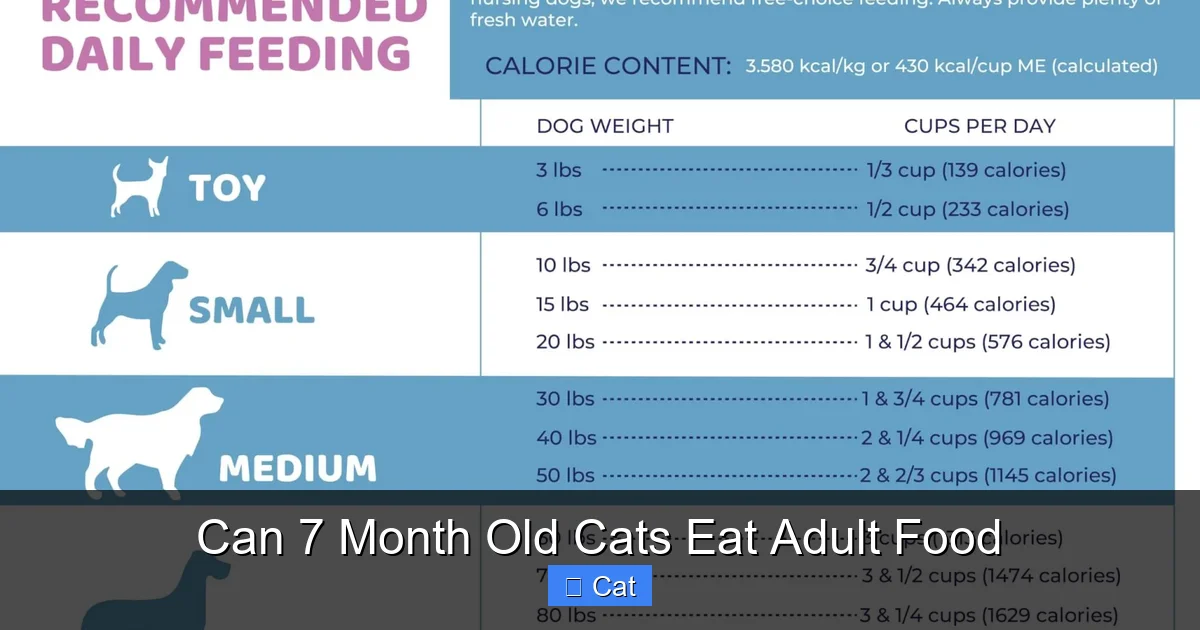
Visual guide about Can 7 Month Old Cats Eat Adult Food
Image source: doodledoods.com
Kitten food isn’t just “adult food with a cute label.” It’s scientifically formulated to meet the unique needs of growing felines. From birth to around 12 months (and sometimes longer for large breeds), kittens require significantly more energy and nutrients per pound of body weight than adult cats.
Higher Caloric Needs
A 7-month-old kitten burns calories at an astonishing rate. They’re constantly moving—pouncing, climbing, exploring—and their metabolism is running hot to support rapid cell division and tissue growth. Kitten food typically contains **25–50% more calories** than adult food, ensuring they get enough fuel without overeating.
For example, a healthy 7-pound kitten might need 250–300 calories per day, while an adult cat of the same weight may only need 200. If you feed adult food, your kitten might eat more volume to compensate, leading to digestive discomfort or picky eating habits.
Protein and Fat: The Building Blocks of Growth
Protein is non-negotiable for kittens. It supports muscle development, immune function, and enzyme production. Kitten food usually contains **30–40% protein**, compared to 26–30% in many adult formulas. Look for named animal proteins like chicken, turkey, or salmon as the first ingredient—not by-products or fillers.
Fat is equally important. It provides concentrated energy and aids in the absorption of fat-soluble vitamins (A, D, E, K). Kitten food often includes **15–20% fat**, versus 9–15% in adult food. Omega-3 fatty acids like DHA are especially crucial—they support brain and eye development, helping your kitten learn, see, and react quickly.
Critical Vitamins and Minerals
Kittens need precise ratios of calcium and phosphorus for strong bones and teeth. Too little can cause rickets or skeletal deformities; too much can lead to joint issues. Kitten food is carefully balanced to avoid these risks.
Taurine is another superstar nutrient. This amino acid is essential for heart health, vision, and reproduction. Cats can’t synthesize enough taurine on their own, so it must come from their diet. Deficiency can cause blindness, heart failure, and developmental delays—conditions that are preventable with proper nutrition.
Other key nutrients include:
– **Arginine**: Supports liver function and ammonia detoxification.
– **Vitamin E**: Acts as an antioxidant and supports immune health.
– **Folate and B12**: Aid in red blood cell formation and nervous system development.
The Risks of Feeding Adult Food to 7-Month-Old Kittens
You might think, “It’s just food—how bad could it be?” But even short-term feeding of adult food can set your kitten up for problems down the road.
Nutritional Deficiencies
Adult cat food is designed for maintenance, not growth. It often lacks the elevated levels of protein, fat, and calories that kittens need. Over time, this deficit can lead to:
– **Stunted growth**: Your kitten may not reach their full size or weight potential.
– **Weak immune system**: Lower protein and vitamin levels reduce resistance to infections.
– **Poor coat and skin health**: Without enough omega fatty acids, fur becomes dry, brittle, or patchy.
– **Dental issues**: Inadequate nutrition can weaken tooth enamel and gum tissue.
Digestive Upset
Kittens have sensitive digestive systems. Sudden changes in diet—or switching to a lower-quality adult food—can cause vomiting, diarrhea, or constipation. Even gradual transitions should be handled carefully.
Behavioral and Cognitive Effects
Emerging research suggests that early nutrition impacts brain development. Kittens fed low-DHA diets may show slower learning, reduced problem-solving skills, and shorter attention spans. Since the first year is when cats form lifelong habits and social skills, proper nutrition supports not just physical health—but mental sharpness too.
Long-Term Health Consequences
Chronic undernutrition during growth can increase the risk of:
– **Obesity later in life**: Kittens who don’t get proper nutrition may overeat as adults to compensate.
– **Kidney disease**: Imbalanced minerals can strain developing kidneys.
– **Heart disease**: Taurine deficiency is a leading cause of dilated cardiomyopathy in cats.
When Is It Safe to Switch from Kitten to Adult Food?
Most veterinarians recommend keeping your cat on kitten food until they’re **at least 12 months old**. However, timing can vary based on breed and size.
Small to Medium Breeds
For cats like domestic shorthairs, Siamese, or Abyssinians, 12 months is usually the right time to transition. By then, their growth plates have mostly closed, and their metabolic rate begins to slow.
Large and Giant Breeds
Maine Coons, Ragdolls, and other large breeds may continue growing until 18–24 months. These kittens benefit from extended kitten nutrition to support their larger frames. Talk to your vet about when to switch—they may recommend a “junior” or “large breed kitten” formula.
Signs Your Kitten Is Ready to Transition
Look for these indicators:
– Steady weight gain has slowed or plateaued.
– Energy levels remain high, but they’re less hyperactive than before.
– They’ve reached near-adult size (check breed standards).
– Your vet confirms they’re developmentally ready.
How to Transition Safely
When the time comes, don’t switch overnight. Follow this 7–10 day plan:
1. **Days 1–2**: 75% kitten food + 25% adult food.
2. **Days 3–4**: 50% kitten food + 50% adult food.
3. **Days 5–6**: 25% kitten food + 75% adult food.
4. **Day 7+**: 100% adult food.
Monitor your cat for signs of digestive upset. If they vomit, have loose stools, or lose appetite, slow the process or consult your vet.
Choosing the Right Kitten Food: What to Look For
Not all kitten foods are created equal. With so many brands on the market, it’s important to read labels and choose wisely.
AAFCO Statement
Look for a label that says:
*“[Brand] is formulated to meet the nutritional levels established by the AAFCO Cat Food Nutrient Profiles for growth or all life stages.”*
This ensures the food meets minimum standards for kitten development.
Avoid foods that only say “for maintenance”—these are for adult cats.
High-Quality Protein Sources
The first ingredient should be a named animal protein like:
– Chicken
– Turkey
– Salmon
– Duck
Avoid vague terms like “meat meal” or “animal by-products.” These can include low-quality or inconsistent sources.
Healthy Fats and Oils
Look for:
– Chicken fat
– Fish oil (rich in DHA and EPA)
– Flaxseed (source of omega-3s)
These support skin, coat, and brain health.
No Fillers or Artificial Additives
Skip foods with:
– Corn, wheat, or soy (common allergens and fillers)
– Artificial colors, flavors, or preservatives (BHA, BHT, ethoxyquin)
– Excessive carbohydrates
Kittens don’t need grains—they thrive on meat-based diets.
Wet vs. Dry Food
Both have pros and cons:
– **Wet food** is higher in moisture (great for hydration), lower in carbs, and often more palatable. Ideal for picky eaters or cats prone to urinary issues.
– **Dry food** is convenient, cost-effective, and can help with dental health (though not a substitute for brushing).
Many owners use a mix: wet food for meals, dry for free-feeding. Just ensure the total diet meets kitten nutritional needs.
Practical Feeding Tips for 7-Month-Old Kittens
Now that you know *why* kitten food matters, here’s how to feed your 7-month-old for optimal health.
Portion Control and Feeding Schedule
At 7 months, most kittens do well with **2–3 meals per day**. Avoid free-feeding unless your vet recommends it (e.g., for underweight kittens).
Use a measuring cup to portion food—don’t “eyeball” it. Overfeeding can lead to obesity, while underfeeding stunts growth.
A general guideline:
– 3–5 oz of wet food per meal (or ¼–⅓ cup dry)
– Adjust based on weight, activity level, and vet advice
Fresh Water Is a Must
Always provide clean, fresh water. Kittens dehydrate quickly, especially if eating dry food. Consider a cat water fountain—many kittens prefer running water.
Monitor Growth and Behavior
Weigh your kitten monthly. Healthy growth is steady, not rapid. A sudden spike or drop in weight warrants a vet visit.
Also watch for:
– Bright eyes and clean ears
– Shiny, soft coat
– Regular bowel movements
– Playful, curious behavior
These are signs your kitten is thriving.
Avoid Human Food and Table Scraps
Many human foods are toxic to cats (onions, garlic, chocolate, grapes). Even “safe” foods like cooked chicken should be plain—no seasoning, bones, or skin.
Treats should make up no more than 10% of daily calories. Choose kitten-specific treats with added nutrients.
Regular Vet Checkups
Schedule wellness visits every 3–6 months during the first year. Your vet can assess growth, update vaccines, and discuss diet changes.
Common Myths About Kitten Nutrition
Let’s clear up some misconceptions that might tempt you to switch early.
Myth: “My kitten acts like an adult, so they can eat adult food.”
Behavior doesn’t equal maturity. Even if your kitten seems grown up, their body is still developing internally. Nutrition needs don’t change based on personality.
Myth: “All life stages food is the same as kitten food.”
While “all life stages” foods meet kitten requirements, they’re not always ideal. Some are lower in calories or protein than dedicated kitten formulas. Check the label—opt for “growth” if possible.
Myth: “Grain-free means healthier.”
Grains aren’t inherently bad. Cats can digest small amounts of carbohydrates. What matters more is protein quality and overall nutrient balance. Grain-free doesn’t automatically mean better.
Myth: “I can make homemade kitten food easily.”
Homemade diets are risky without veterinary guidance. It’s hard to balance nutrients like calcium, taurine, and vitamin D. If you’re interested, work with a veterinary nutritionist to create a safe recipe.
Conclusion: Prioritize Growth, Not Convenience
So, can 7-month-old cats eat adult food? The short answer is: **not recommended**. While it might seem like a harmless shortcut, adult food doesn’t provide the rich, growth-focused nutrition your kitten needs during this pivotal stage of life.
From stronger bones and sharper minds to healthier hearts and glowing coats, the right diet lays the foundation for a long, vibrant life. By sticking with high-quality kitten food until at least 12 months—and consulting your vet along the way—you’re giving your feline friend the best possible start.
Remember, your kitten isn’t just getting bigger—they’re building their future. And that’s worth feeding right.
Frequently Asked Questions
Can I mix kitten and adult food for my 7-month-old cat?
It’s best to avoid mixing unless advised by your vet. Adult food dilutes the nutrient density your kitten needs. If you’re transitioning later, do it gradually over 7–10 days—not as a permanent mix.
What if my kitten refuses to eat kitten food?
Try warming wet food slightly or adding a bit of warm water to dry kibble to enhance aroma. Offer different textures or flavors, but avoid switching to adult food. Consult your vet if appetite loss persists.
Is it okay to feed adult food occasionally as a treat?
No. Even small amounts of adult food can disrupt nutrient balance. Stick to kitten-safe treats instead. Consistency is key for growing cats.
How do I know if my kitten is getting enough nutrients?
Signs of good nutrition include steady weight gain, shiny coat, bright eyes, high energy, and regular digestion. Schedule regular vet checkups to monitor growth and health.
Can large breed kittens stay on kitten food longer?
Yes. Large breeds like Maine Coons may need kitten food until 18–24 months. Consult your vet to determine the right timeline based on your cat’s growth rate and breed.
What should I do if I accidentally fed my kitten adult food?
Don’t panic. One meal won’t cause harm. Just return to kitten food immediately. Watch for digestive upset, and contact your vet if symptoms like vomiting or diarrhea occur.