

A 1-month-old puppy should not eat regular dog food yet. At this age, they still rely on mother’s milk or a high-quality puppy milk replacer. Introducing solid food too early can cause digestive issues and malnutrition.
Key Takeaways
- One-month-old puppies are not ready for solid dog food: Their digestive systems are too immature to process kibble or canned food.
- Mother’s milk or milk replacer is essential: This provides the right balance of nutrients, antibodies, and hydration for healthy growth.
- Weaning begins around 3–4 weeks, not 1 month: Puppies start exploring soft foods during this time, but milk remains their primary source of nutrition.
- Softened puppy food can be introduced gradually: Use high-quality puppy-specific kibble soaked in warm water or milk replacer to create a mush.
- Avoid adult dog food and human foods: These lack the proper nutrition and can be harmful to developing puppies.
- Monitor for signs of digestive upset: Diarrhea, vomiting, or lethargy may indicate the puppy isn’t ready for solids.
- Consult a veterinarian before making dietary changes: A vet can guide you on the best feeding plan based on the puppy’s breed, size, and health.
Key Takeaways
- Understanding can a 1 month old puppy eat dog food: Provides essential knowledge
📑 Table of Contents
- Understanding the Nutritional Needs of a 1-Month-Old Puppy
- Why Mother’s Milk or Milk Replacer Is Crucial at This Stage
- When and How to Start Weaning: The Gradual Transition
- What Type of Food Is Safe for a 1-Month-Old Puppy?
- Common Mistakes to Avoid When Feeding a 1-Month-Old Puppy
- Signs Your Puppy Is Ready for Solid Food
- Conclusion: Patience and Proper Nutrition Are Key
Understanding the Nutritional Needs of a 1-Month-Old Puppy
When you first bring home a 1-month-old puppy, it’s natural to wonder what and how to feed them. After all, they’re so tiny, curious, and full of energy—how could they possibly survive on just milk? While it might seem like they’re ready to start eating “real” food, the truth is that at just four weeks old, a puppy’s body is still developing rapidly, and their nutritional needs are very specific.
At this stage, a puppy’s digestive system is not yet equipped to handle solid foods like kibble or canned dog food. Their tiny stomachs can only process liquid nutrition efficiently. Mother’s milk is ideal because it’s packed with antibodies, fats, proteins, and calories designed specifically for rapid growth. If the mother is not available, a high-quality puppy milk replacer is the next best option. These formulas are scientifically developed to mimic the nutritional profile of canine milk and support healthy development.
Feeding a 1-month-old puppy regular dog food—especially adult dog food—can lead to serious health problems. Adult dog food lacks the higher levels of protein, fat, and certain vitamins that growing puppies need. Feeding it too early can result in malnutrition, poor bone development, and weakened immunity. Even high-quality puppy food, if introduced too soon or in the wrong form, can cause digestive upset.
It’s also important to understand that puppies at this age are still learning how to eat and drink. They may not know how to lap water or chew food yet. Their teeth are just starting to come in, and their jaw strength is minimal. Forcing them to eat dry kibble can lead to choking, frustration, or dental injury.
So, while the idea of feeding your puppy “real food” might be tempting, patience is key. The first month is all about liquid nutrition. As the puppy grows and their body matures, they’ll naturally begin to show interest in solid foods. This process, known as weaning, typically starts around 3 to 4 weeks of age—but even then, it’s a gradual transition, not an overnight switch.
Why Mother’s Milk or Milk Replacer Is Crucial at This Stage
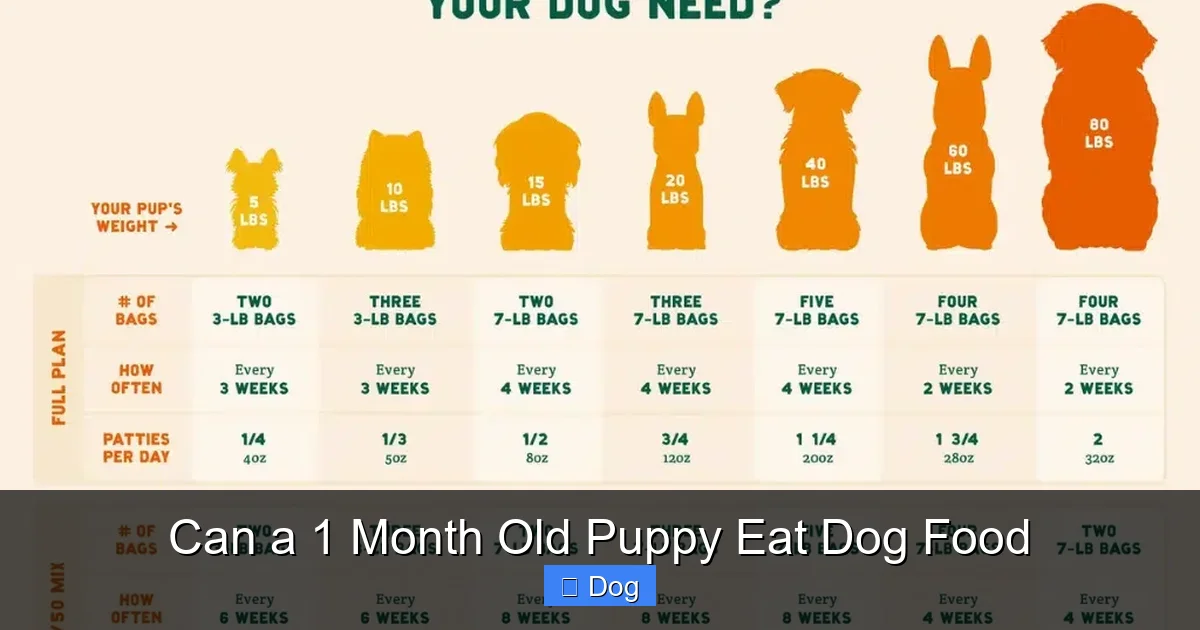
Visual guide about Can a 1 Month Old Puppy Eat Dog Food
Image source: caninejournal.com
Mother’s milk is often called “liquid gold” for a reason. It’s not just food—it’s a complete package of nutrition, immunity, and comfort for a newborn puppy. In the first few weeks of life, a puppy’s immune system is underdeveloped and vulnerable to infections. Mother’s milk provides essential antibodies that help protect the puppy from diseases until their own immune system kicks in.
These antibodies, known as immunoglobulins, are especially concentrated in the first milk produced after birth, called colostrum. Puppies who miss out on colostrum in the first 24–48 hours of life are at much higher risk of illness and even death. That’s why it’s so important that puppies stay with their mother during this critical window.
Even after the colostrum phase, regular mother’s milk continues to deliver the perfect balance of nutrients. It’s high in fat and protein, which fuels rapid growth, and it’s easily digestible. Puppies can double their birth weight in just one week thanks to this rich source of energy.
But what if the mother is not available? This is where puppy milk replacers come in. These are specially formulated powders that, when mixed with water, create a liquid diet that closely matches the nutritional content of dog milk. Brands like Esbilac, PetLac, and Royal Canin Puppy Milk are widely recommended by veterinarians.
When using a milk replacer, it’s important to follow the mixing instructions carefully. Too much water can dilute the nutrients, while too little can cause dehydration or digestive issues. The milk should be warmed to body temperature (around 98–100°F) before feeding, as cold milk can upset a puppy’s stomach.
Feeding frequency is also crucial. At 1 month old, puppies need to eat every 4 to 6 hours, including overnight. This might sound exhausting, but it’s necessary to support their fast metabolism and growth. A puppy that goes too long without eating can become hypoglycemic (low blood sugar), which can be life-threatening.
Some breeders or rescues may try to introduce soft food early, but this should only be done under veterinary guidance. Even then, milk remains the primary source of nutrition until the puppy is at least 5 to 6 weeks old.
When and How to Start Weaning: The Gradual Transition
Weaning is the process of transitioning a puppy from milk to solid food. While it’s tempting to rush this stage, especially if the puppy seems eager to explore food, it’s important to let nature take its course. Most puppies begin showing interest in solid food around 3 to 4 weeks of age, but they are not fully weaned until 6 to 8 weeks.
At 1 month old, a puppy may start nibbling on soft foods, but they still rely heavily on milk. This is the perfect time to begin the weaning process—gently and gradually.
The first step is to introduce a soft, mushy food that’s easy to lap up. The best option is high-quality puppy-specific kibble soaked in warm water or milk replacer until it reaches a porridge-like consistency. Avoid using cow’s milk, as it can cause diarrhea in puppies.
Start by offering small amounts—just a teaspoon or two—on a flat plate or shallow dish. Let the puppy explore it at their own pace. Some puppies will dive right in; others may be hesitant. That’s okay. The goal at this stage is not to replace milk but to introduce the idea of eating solid food.
You can encourage them by placing a small amount of the mush on their lips or gently rubbing it on their gums. This mimics how the mother dog might encourage her puppies to try food. Be patient—some puppies take days or even weeks to fully accept solids.
As the puppy becomes more comfortable, you can gradually reduce the amount of liquid used to soak the kibble, making the mixture thicker over time. By 5 to 6 weeks, many puppies are eating soft food regularly and drinking less milk.
It’s important to monitor their weight and overall health during this transition. A puppy that’s not gaining weight or seems lethargic may not be getting enough nutrition. In such cases, consult your veterinarian to adjust the feeding plan.
What Type of Food Is Safe for a 1-Month-Old Puppy?
If you’re considering introducing food to a 1-month-old puppy, it’s essential to choose the right kind. Not all dog foods are created equal—especially when it comes to puppies.
First and foremost, avoid adult dog food. It doesn’t contain the high levels of protein, fat, calcium, and DHA (an omega-3 fatty acid important for brain development) that growing puppies need. Feeding adult food to a puppy can stunt growth and lead to long-term health issues.
Instead, look for a high-quality puppy-specific formula. These are labeled as “for growth” or “for all life stages” and meet the nutritional standards set by the Association of American Feed Control Officials (AAFCO). Popular brands include Royal Canin Puppy, Hill’s Science Diet Puppy, Purina Pro Plan Puppy, and Blue Buffalo Life Protection Puppy.
When selecting a food, check the ingredient list. The first ingredient should be a high-quality animal protein like chicken, lamb, or fish. Avoid foods with fillers like corn, soy, or by-products, as these offer little nutritional value and can be hard to digest.
For a 1-month-old puppy, the food must be softened. As mentioned earlier, soak the kibble in warm water or milk replacer until it’s soft and mashable. You can also use a blender to create a smooth puree if the puppy is particularly small or hesitant.
Some owners opt for canned puppy food during the weaning stage because it’s already soft and highly palatable. While this can be convenient, it’s often more expensive and may not be as nutrient-dense as high-quality dry kibble. If using canned food, choose one that’s specifically formulated for puppies and avoid those with artificial preservatives or excessive salt.
Another option is commercially available puppy gruel or weaning formulas. These are pre-mixed, ready-to-serve liquids that combine milk replacer with softened kibble. They’re a great choice for busy owners or those unsure about mixing their own food.
Regardless of the type of food you choose, always ensure it’s fresh and served at room temperature. Puppies are sensitive to extreme temperatures, and cold food can cause stomach upset.
Common Mistakes to Avoid When Feeding a 1-Month-Old Puppy
Feeding a 1-month-old puppy might seem straightforward, but there are several common mistakes that can harm their health. Being aware of these pitfalls can help you raise a happy, healthy pup.
One of the biggest mistakes is introducing solid food too early or too quickly. While some puppies may show interest in food at 4 weeks, their digestive systems aren’t ready for a full transition. Rushing the weaning process can lead to diarrhea, vomiting, and malnutrition.
Another error is using the wrong type of milk. Cow’s milk, goat’s milk, or plant-based alternatives like almond or soy milk are not suitable for puppies. They can cause severe digestive upset and don’t provide the right balance of nutrients. Always use a vet-approved puppy milk replacer.
Overfeeding is also a concern. Puppies have tiny stomachs and can’t eat large meals. Feeding too much at once can cause bloating, gas, or even life-threatening conditions like gastric dilatation-volvulus (bloat). Stick to small, frequent meals.
Some owners make the mistake of feeding human food, thinking it’s a treat. Foods like chocolate, grapes, onions, and garlic are toxic to dogs. Even “safe” human foods like bread or cheese can be too rich and cause stomach issues.
Another common mistake is not cleaning feeding utensils properly. Bacteria can grow quickly in milk or food residue, leading to infections. Always wash bottles, bowls, and spoons with hot, soapy water after each use.
Finally, skipping veterinary checkups is a serious oversight. A vet can assess the puppy’s growth, recommend the best diet, and catch any health issues early. Don’t rely solely on online advice—professional guidance is invaluable.
Signs Your Puppy Is Ready for Solid Food
While every puppy develops at their own pace, there are some clear signs that indicate they’re ready to start exploring solid food.
One of the first signs is curiosity. You might notice the puppy sniffing around their mother’s food bowl or trying to nibble on her kibble. This is a natural part of the weaning process.
Another sign is the eruption of teeth. Puppies start getting their baby teeth around 3 to 4 weeks of age. Once they have a few teeth, they’re better able to chew and process soft foods.
Increased activity and energy levels can also signal readiness. A puppy that’s more active and playful may be burning more calories and ready for additional nutrition beyond milk.
Weight gain is another important factor. A healthy puppy should be gaining weight steadily. If they’re not gaining or are losing weight, they may not be getting enough nutrition, and solid food could help—but only under veterinary guidance.
Finally, watch for changes in behavior during feeding. If the puppy seems unsatisfied after nursing or is searching for food between meals, it may be time to introduce soft food.
Remember, these signs don’t mean the puppy should stop drinking milk. Even when eating solids, milk should remain a significant part of their diet until at least 6 weeks of age.
Conclusion: Patience and Proper Nutrition Are Key
Feeding a 1-month-old puppy is a delicate balance of meeting their nutritional needs while respecting their developmental stage. At this age, they are not ready for regular dog food. Their bodies are still growing, their immune systems are developing, and their digestive systems are too immature to handle solids.
The best diet for a 1-month-old puppy is mother’s milk or a high-quality puppy milk replacer. These provide the perfect blend of nutrients, antibodies, and hydration needed for healthy growth. While weaning can begin around 3 to 4 weeks, it should be a slow and gentle process, with milk remaining the primary source of nutrition.
When introducing solid food, choose a high-quality puppy formula and soften it with warm water or milk replacer. Avoid adult dog food, human foods, and improper milk substitutes. Monitor your puppy’s weight, behavior, and digestion closely, and consult your veterinarian if you have any concerns.
With patience, care, and the right nutrition, your 1-month-old puppy will grow into a strong, healthy adult dog. Remember: good feeding habits start early, and the foundation you build now will support your puppy for a lifetime.
Frequently Asked Questions
Can a 1-month-old puppy eat dry dog food?
No, a 1-month-old puppy should not eat dry dog food. Their teeth and digestive system are not developed enough to handle kibble. Dry food can cause choking, digestive upset, and malnutrition at this age.
What should I feed a 1-month-old puppy if the mother is not available?
If the mother is not available, feed a high-quality puppy milk replacer like Esbilac or PetLac. These formulas are designed to mimic mother’s milk and provide the necessary nutrients for growth.
How often should I feed a 1-month-old puppy?
A 1-month-old puppy should be fed every 4 to 6 hours, including overnight. This frequent feeding supports their fast metabolism and rapid growth.
Can I give my 1-month-old puppy water?
Yes, you can offer small amounts of fresh water in a shallow dish. However, milk should still be their primary source of hydration. Most of their fluid needs are met through milk at this age.
When can a puppy start eating solid food?
Puppies can start exploring soft, mushy food around 3 to 4 weeks of age, but they are not fully weaned until 6 to 8 weeks. Milk should remain their main food source during this transition.
Is it okay to feed a 1-month-old puppy human baby food?
Only if it’s plain, meat-based baby food with no onions, garlic, or added salt. Even then, it should not replace milk. Always consult your vet before introducing any human food.