

Yes, a 1-year-old cat can eat kitten food, but it’s not ideal long-term. While kitten food provides extra calories and nutrients, adult cat food is better suited for their changing needs. Learn when it’s safe, when to switch, and how to make the transition smooth.
Key Takeaways
- Kittens grow rapidly until about 12 months, so kitten food supports high energy and development needs. However, once a cat reaches 1 year, their growth slows, and their nutritional requirements shift.
- A 1-year-old cat can safely eat kitten food short-term, but prolonged feeding may lead to weight gain and nutritional imbalances. Adult cat food is formulated to maintain health, not fuel rapid growth.
- Look for “complete and balanced” labels on food packaging. Both kitten and adult foods should meet AAFCO standards, but adult formulas are better for long-term health.
- Transition gradually to adult food between 12 and 18 months. A sudden switch can upset your cat’s stomach, so mix increasing amounts of adult food over 7–10 days.
- Monitor your cat’s weight, energy, and coat condition. These are key indicators of whether their diet is working for them.
- Consult your veterinarian before making dietary changes. They can assess your cat’s breed, size, and health to recommend the best food.
- Some large or giant breeds (like Maine Coons) may benefit from kitten food past 12 months. These cats grow slower and may need extra nutrients until 18–24 months.
📑 Table of Contents
- Can a 1 Year Old Cat Eat Kitten Food? The Short Answer
- Why Kitten Food Is Designed for Growing Cats
- When Is It Okay for a 1-Year-Old Cat to Eat Kitten Food?
- Risks of Feeding Kitten Food to Adult Cats
- How to Transition Your 1-Year-Old Cat to Adult Food
- Special Considerations for Different Cat Breeds and Lifestyles
- Signs It’s Time to Switch to Adult Food
- Conclusion: Making the Right Choice for Your Cat
Can a 1 Year Old Cat Eat Kitten Food? The Short Answer
If you’ve just celebrated your kitten’s first birthday and are wondering whether it’s time to switch from kitten food to adult cat food, you’re not alone. Many cat parents ask, “Can a 1 year old cat eat kitten food?” The quick answer is yes—your 12-month-old cat can eat kitten food without immediate harm. In fact, it’s perfectly safe in the short term. But that doesn’t mean it’s the best choice for their long-term health.
Kitten food is packed with extra calories, protein, fat, and essential nutrients like DHA and taurine—all designed to support rapid growth, brain development, and high energy levels. These are crucial during the first year of life when your cat is doubling or even tripling in size. But once your cat hits the one-year mark, their growth rate slows dramatically. At this point, their body no longer needs the same intense nutritional boost. Continuing to feed kitten food can lead to overeating, weight gain, and even obesity—especially if your cat is less active or spayed/neutered.
Think of it like this: feeding kitten food to a 1-year-old cat is like giving a teenager the same high-calorie diet as a growing toddler. It might not hurt right away, but over time, it could cause problems. Adult cat food is formulated to maintain a healthy weight, support organ function, and promote overall wellness—not fuel explosive growth. So while your cat *can* eat kitten food at 12 months, it’s wise to start planning the transition to adult food.
Why Kitten Food Is Designed for Growing Cats
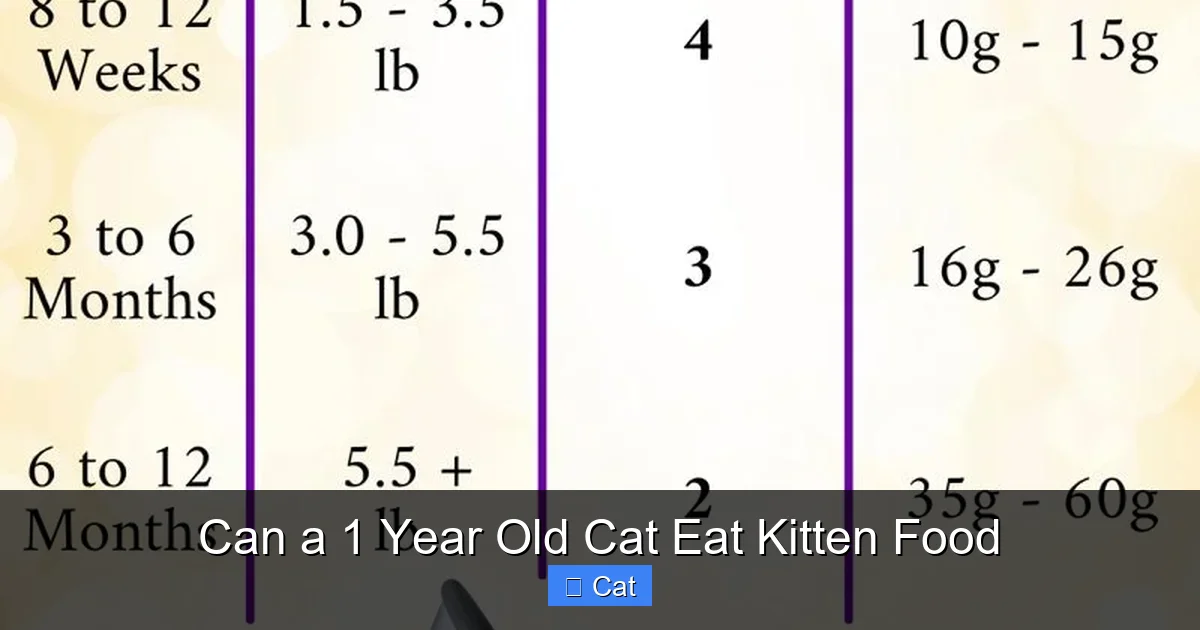
Visual guide about Can a 1 Year Old Cat Eat Kitten Food
Image source: i.pinimg.com
To understand whether a 1-year-old cat should eat kitten food, it helps to know what makes kitten food special. Kittens go through one of the most intense growth phases in the animal kingdom. In just 12 months, they can go from a tiny, helpless ball of fur to a nearly full-sized adult. This rapid development demands a lot from their bodies—and their diet.
Higher Calorie and Fat Content
Kitten food typically contains 20–30% more calories and fat than adult cat food. This extra energy supports their fast metabolism, playful behavior, and constant growth. For example, a high-quality kitten kibble might have around 400–500 calories per cup, compared to 300–350 in adult formulas. This difference might not seem huge, but over time, it adds up—especially if your cat isn’t burning those calories through play or exploration.
Increased Protein for Muscle and Tissue Development
Protein is the building block of life, and kittens need a lot of it. Kitten food usually contains 30–40% protein, compared to 26–30% in adult food. This higher protein level helps build strong muscles, support organ development, and maintain a healthy immune system. It also aids in the production of enzymes and hormones essential for growth.
Essential Nutrients Like DHA and Taurine
Kitten food is often fortified with docosahexaenoic acid (DHA), an omega-3 fatty acid that supports brain and vision development. Taurine, an amino acid critical for heart and eye health, is also present in higher amounts. These nutrients are vital during the first year when your cat’s brain and senses are maturing rapidly.
Smaller Kibble Size for Tiny Mouths
Kitten kibble is usually smaller and softer, making it easier for small jaws to chew. This design helps kittens eat comfortably and digest their food efficiently. While adult cats can technically eat kitten kibble, it might not provide the same dental benefits as larger, crunchier adult kibble, which can help reduce plaque buildup.
Designed for Frequent Feeding
Kittens have small stomachs but big appetites. They often eat 3–4 small meals a day. Kitten food is formulated to be nutrient-dense so they get everything they need in smaller portions. Adult cats, on the other hand, usually thrive on 1–2 meals per day, and adult food is balanced to meet their needs over longer intervals.
All these features make kitten food ideal for cats under 12 months. But once your cat reaches their first birthday, their body begins to shift from growth mode to maintenance mode. Continuing to feed kitten food can tip the balance from nourishment to overnutrition.
When Is It Okay for a 1-Year-Old Cat to Eat Kitten Food?
So, can a 1 year old cat eat kitten food? Yes—but only under certain circumstances. There are times when feeding kitten food to a young adult cat makes sense, especially during the transition period or for specific health reasons.
During the Transition to Adult Food
If you’re planning to switch your cat to adult food, it’s perfectly fine to feed kitten food for a few weeks while you gradually introduce the new diet. In fact, mixing kitten and adult food during the transition can help prevent digestive upset. Start by replacing 25% of the kitten food with adult food, then increase the ratio every few days until your cat is eating only adult food. This slow shift gives their digestive system time to adjust.
For Underweight or High-Energy Cats
Some 1-year-old cats are naturally lean or highly active. If your veterinarian says your cat is underweight or needs extra calories, kitten food can be a helpful short-term solution. For example, a very playful Bengal or Abyssinian might burn more calories than average and benefit from the extra energy in kitten food. But this should always be done under veterinary guidance to avoid overfeeding.
For Large or Giant Breed Cats
Not all cats reach full maturity at 12 months. Large breeds like Maine Coons, Ragdolls, or Norwegian Forest Cats can continue growing until they’re 18–24 months old. These cats may benefit from kitten food past their first birthday because their growth plates haven’t fully closed. Feeding them adult food too early could deprive them of the nutrients they still need. Always check with your vet, but many experts recommend keeping large breeds on kitten or “all life stages” food until they’re fully grown.
During Recovery from Illness or Surgery
If your 1-year-old cat is recovering from an illness, surgery, or injury, they might need extra nutrition to heal. Kitten food’s high calorie and protein content can support recovery by providing the energy and building blocks needed for tissue repair. Again, this should be temporary and supervised by a vet.
If Adult Food Isn’t Available
In rare cases, you might run out of adult food and only have kitten food on hand. Feeding it for a day or two won’t harm your cat. Just make sure to restock adult food as soon as possible and avoid making it a habit.
In all these cases, kitten food is a useful tool—but not a long-term solution. Once the reason for feeding it passes, it’s time to switch to adult food.
Risks of Feeding Kitten Food to Adult Cats
While kitten food isn’t toxic to adult cats, feeding it long-term can lead to several health issues. Understanding these risks can help you make the right choice for your 1-year-old cat.
Weight Gain and Obesity
The biggest risk of feeding kitten food to an adult cat is weight gain. Adult cats don’t need the same calorie density as kittens. If they continue eating high-calorie kitten food without increasing their activity, they can quickly become overweight. Obesity in cats is linked to serious health problems, including diabetes, joint pain, heart disease, and a shorter lifespan. A study by the Association for Pet Obesity Prevention found that over 60% of cats in the U.S. are overweight or obese—many due to improper feeding.
Excess Fat and Protein
While protein is important, too much can strain the kidneys over time—especially in cats with preexisting kidney issues. Kitten food’s high fat content can also contribute to pancreatitis, an inflammation of the pancreas that causes vomiting, lethargy, and abdominal pain. Adult cats don’t need this level of fat for energy, and excess fat can lead to fatty liver disease if they stop eating due to illness.
Imbalanced Nutrient Ratios
Kitten food is formulated for growth, not maintenance. It often has higher levels of calcium and phosphorus, which are great for developing bones but can be problematic for adult cats. Too much calcium, for example, can contribute to urinary crystals or stones, especially in male cats. Adult food is balanced to support urinary health, kidney function, and overall metabolic balance.
Overfeeding and Poor Portion Control
Because kitten food is so calorie-dense, it’s easy to overfeed your cat without realizing it. A small portion might seem like enough, but it could actually contain more calories than your adult cat needs. This is especially true if you’re free-feeding (leaving food out all day). Adult cats are more prone to grazing, and high-calorie food makes it easier to consume excess calories without noticing.
Delayed Transition to Adult Nutrition
Staying on kitten food too long can delay your cat’s access to nutrients that support adult health. Adult cat food often includes ingredients like L-carnitine (to help metabolize fat), fiber for digestion, and antioxidants for immune support. These aren’t always present in kitten food because they’re not needed during rapid growth.
In short, while kitten food won’t harm your cat immediately, it’s not designed for their long-term well-being. The goal is to match your cat’s diet to their life stage—just like humans eat different foods as they age.
How to Transition Your 1-Year-Old Cat to Adult Food
Switching from kitten to adult food is an important milestone in your cat’s life. Done correctly, the transition is smooth and stress-free. Done too quickly, it can cause digestive upset, refusal to eat, or even food aversions.
When to Start the Transition
Most cats are ready to switch to adult food between 12 and 18 months of age. Smaller breeds (like Siamese or Devon Rex) often mature faster and can transition closer to 12 months. Larger breeds may need to stay on kitten food until 18 months or longer. Your vet can help determine the right time based on your cat’s breed, size, and overall health.
Choose the Right Adult Food
Not all adult cat foods are created equal. Look for a high-quality brand that meets AAFCO (Association of American Feed Control Officials) standards for adult maintenance. The label should say “complete and balanced” and list a named meat source (like chicken, turkey, or salmon) as the first ingredient. Avoid foods with fillers like corn, soy, or by-products.
Consider your cat’s lifestyle:
– Indoor cats may benefit from weight management formulas.
– Active outdoor cats might need higher protein.
– Cats with sensitive stomachs may do better with limited-ingredient diets.
Gradual Mixing Method
The best way to transition is to mix the old and new food over 7–10 days. Here’s a sample schedule:
– Days 1–2: 75% kitten food, 25% adult food
– Days 3–4: 50% kitten food, 50% adult food
– Days 5–6: 25% kitten food, 75% adult food
– Day 7+: 100% adult food
Watch your cat’s reaction. If they have loose stools, vomiting, or refuse to eat, slow down the process. Some cats need 2–3 weeks to adjust.
Monitor Appetite and Digestion
During the transition, keep an eye on your cat’s eating habits and litter box output. Normal stools should be firm and well-formed. If diarrhea lasts more than a day, pause the transition and consult your vet. Some cats are picky eaters and may resist the change. Try warming the food slightly or adding a small amount of low-sodium chicken broth to make it more appealing.
Adjust Portion Sizes
Adult food is less calorie-dense, so your cat may need a slightly larger portion to feel full. Follow the feeding guidelines on the package, but adjust based on your cat’s weight and activity level. Weigh your cat monthly to ensure they’re maintaining a healthy body condition.
Stay Consistent
Once your cat is on adult food, stick to a routine. Feed at the same times each day, and avoid switching brands frequently. Cats thrive on consistency, and sudden changes can upset their stomach or cause stress.
Special Considerations for Different Cat Breeds and Lifestyles
Not all cats are the same, and their dietary needs can vary based on breed, size, and lifestyle. Here’s how to tailor your approach.
Large and Giant Breed Cats
Breeds like Maine Coons, Ragdolls, and Persians grow slowly and may not reach full size until 18–24 months. These cats often benefit from staying on kitten or “all life stages” food longer. These formulas provide the extra calories and nutrients needed for continued growth without the risk of overfeeding. Talk to your vet about when to switch.
Indoor vs. Outdoor Cats
Indoor cats are generally less active and more prone to weight gain. They may do better on adult food with lower fat and added fiber. Outdoor cats, on the other hand, burn more calories and might tolerate kitten food a bit longer—but still not indefinitely.
Spayed or Neutered Cats
Spaying or neutering reduces a cat’s metabolic rate by up to 30%. This means they need fewer calories to maintain their weight. Feeding kitten food after surgery can lead to rapid weight gain. Many vets recommend switching to adult or weight-management food shortly after the procedure.
Cats with Health Conditions
If your cat has diabetes, kidney disease, or urinary issues, their diet needs special attention. Kitten food is usually not suitable for these conditions. Your vet may recommend a prescription diet or a specific adult formula designed for their health needs.
Multi-Cat Households
If you have both kittens and adult cats, feeding them separately can prevent the adults from eating kitten food. Use microchip feeders or feed in different rooms to ensure each cat gets the right nutrition.
Signs It’s Time to Switch to Adult Food
How do you know when your 1-year-old cat is ready for adult food? Look for these signs:
– Your cat has stopped growing or is nearing their full size.
– They’re gaining weight despite normal activity.
– They seem less interested in food or are eating more than usual.
– Your vet recommends a dietary change during a checkup.
– You’re noticing changes in coat quality, energy levels, or litter box habits.
These clues suggest your cat’s nutritional needs are shifting. Adult food will help maintain their health without the risks of overnutrition.
Conclusion: Making the Right Choice for Your Cat
So, can a 1 year old cat eat kitten food? Yes—but only temporarily and under the right circumstances. Kitten food is a powerful tool for supporting growth, but it’s not meant for long-term use in adult cats. Once your cat reaches their first birthday, their body begins to transition from growth to maintenance, and their diet should reflect that change.
Feeding kitten food beyond 12–18 months can lead to weight gain, nutritional imbalances, and long-term health issues. Adult cat food is specifically designed to support a healthy weight, strong immune system, and overall wellness. By making the switch at the right time and doing it gradually, you’re setting your cat up for a long, healthy life.
Always consult your veterinarian before making dietary changes, especially if your cat is a large breed, has health conditions, or is underweight. They can help you choose the best food and timing for your cat’s unique needs.
Remember, your cat’s diet is one of the most important factors in their health. A little planning now can prevent problems down the road. So celebrate that first birthday, but also celebrate the start of a new chapter—one where your cat thrives on the right food for their age and lifestyle.
Frequently Asked Questions
Can a 1 year old cat eat kitten food forever?
No, a 1-year-old cat should not eat kitten food forever. While it’s safe short-term, long-term feeding can lead to obesity and nutritional imbalances. Adult cat food is better suited for their maintenance needs.
Is it bad if my 1-year-old cat eats kitten food for a few weeks?
No, it’s not bad if your cat eats kitten food for a few weeks, especially during the transition to adult food. Just make sure to switch to adult food once the transition is complete.
Can I mix kitten and adult food?
Yes, mixing kitten and adult food is a great way to transition your cat gradually. Start with more kitten food and slowly increase the adult food ratio over 7–10 days.
Do all cats need to switch to adult food at 12 months?
Not necessarily. Large breeds like Maine Coons may benefit from kitten food until 18–24 months. Always consult your vet to determine the best timing for your cat.
What happens if I don’t switch my cat to adult food?
If you don’t switch, your cat may gain weight, develop nutritional imbalances, or face long-term health risks like diabetes or joint problems. Adult food supports lifelong wellness.
Can kitten food cause urinary problems in adult cats?
Yes, the high mineral content in some kitten foods can contribute to urinary crystals or stones, especially in male cats. Adult food is formulated to support urinary health.