

At 2 months old, kittens can begin eating dry food, but only if it’s specially formulated for kittens and softened with water or kitten milk replacer. Their tiny teeth and developing digestive systems need gentle, nutrient-rich meals. Always consult your vet before making dietary changes.
Bringing home a 2-month-old kitten is an exciting and joyful experience. These tiny, playful bundles of fur are full of energy, curiosity, and charm. But with that joy comes responsibility—especially when it comes to feeding. One of the most common questions new kitten parents ask is: Can a 2 month old cat eat dry food? The short answer is yes, but with important caveats. While kittens this age are beginning to wean off their mother’s milk, their nutritional needs are still very specific, and their tiny bodies are still developing.
At 2 months old, kittens are in a critical growth phase. They need more calories, protein, and essential nutrients per pound of body weight than adult cats. Their teeth are just starting to come in, and their digestive systems are still maturing. This means that while they can start eating dry food, it must be introduced carefully and in the right form. Simply giving a 2-month-old kitten regular adult kibble straight from the bag is not safe or appropriate. Instead, the transition to dry food should be gradual, gentle, and tailored to their unique developmental stage.
In this guide, we’ll walk you through everything you need to know about feeding dry food to a 2-month-old kitten. From understanding their nutritional needs to choosing the right kibble, preparing it properly, and monitoring their health, we’ve got you covered. Whether you’re a first-time kitten owner or just need a refresher, this article will help you make informed, loving choices for your new furry friend.
Key Takeaways
- Kittens can start dry food at 8 weeks: By 2 months, most kittens are weaning and can eat softened kibble designed for kittens.
- Choose high-quality kitten-specific kibble: Look for AAFCO-approved formulas with high protein and essential nutrients like DHA and taurine.
- Soften dry food initially: Mix kibble with warm water, kitten milk replacer, or wet food to make it easier to chew and digest.
- Gradual transition is key: Slowly mix more dry food into wet food over 7–10 days to avoid digestive upset.
- Monitor hydration and growth: Always provide fresh water and watch for signs of proper development, like steady weight gain.
- Avoid adult cat food: Adult kibble lacks the calories and nutrients growing kittens need and may be too hard to chew.
- Consult your veterinarian: Every kitten is different—your vet can guide feeding amounts, frequency, and health checks.
📑 Table of Contents
- Understanding a 2-Month-Old Kitten’s Nutritional Needs
- Can a 2 Month Old Cat Eat Dry Food? The Answer Explained
- Choosing the Right Dry Food for a 2-Month-Old Kitten
- How to Prepare Dry Food for a 2-Month-Old Kitten
- Transitioning from Wet to Dry Food
- Common Mistakes to Avoid
- Monitoring Your Kitten’s Health and Growth
- Conclusion
Understanding a 2-Month-Old Kitten’s Nutritional Needs
When it comes to feeding a 2-month-old kitten, nutrition is everything. These little creatures are growing at an astonishing rate—gaining about 100 grams (roughly 3.5 ounces) per week during their first few months of life. To support this rapid development, they need a diet that’s rich in high-quality protein, healthy fats, vitamins, and minerals. Unlike adult cats, kittens require more calories per pound of body weight, as well as specific nutrients like DHA (an omega-3 fatty acid) for brain and vision development, and taurine for heart and eye health.
At this age, kittens are typically in the process of weaning, which means they’re transitioning from mother’s milk (or kitten milk replacer) to solid food. While they may still nurse occasionally, they’re ready to start exploring other food sources. However, their digestive systems are still delicate, and their teeth are small and not yet strong enough to crunch hard kibble effectively. This is why simply offering dry food “as is” isn’t ideal. Instead, the food needs to be softened or mixed with liquid to make it easier to eat and digest.
It’s also important to understand that not all cat food is created equal. Adult cat food, even if it’s labeled as “dry,” doesn’t meet the nutritional requirements of a growing kitten. It often lacks the higher levels of protein, fat, and essential amino acids that kittens need. Feeding adult food to a 2-month-old kitten can lead to malnutrition, stunted growth, and long-term health problems. That’s why choosing a high-quality, AAFCO-approved kitten formula is essential.
Why Kitten-Specific Food Matters
Kitten-specific dry food is specially formulated to meet the unique needs of growing cats. These formulas typically contain:
– **Higher protein content** (at least 30–40%) to support muscle development.
– **Increased fat levels** for energy and healthy skin and coat.
– **DHA** for cognitive and visual development.
– **Taurine** to support heart function and vision.
– **Calcium and phosphorus** in balanced ratios for strong bones and teeth.
These nutrients are crucial during the first year of life, when kittens are building the foundation for a healthy adulthood. Without them, they may suffer from developmental delays, weakened immune systems, or chronic health issues.
How Often Should a 2-Month-Old Kitten Eat?
At 2 months old, kittens have small stomachs but big appetites. They need to eat frequently—usually 4 to 6 small meals per day. This helps maintain their energy levels and supports steady growth. As they get older, the number of meals can gradually decrease, but at this stage, regular feeding is key.
If you’re introducing dry food, it’s best to start by mixing it with wet food or kitten milk replacer to create a soft, porridge-like consistency. This makes it easier for them to eat and helps prevent digestive upset. Over time, you can increase the ratio of dry to wet food as they get used to chewing and swallowing kibble.
Can a 2 Month Old Cat Eat Dry Food? The Answer Explained
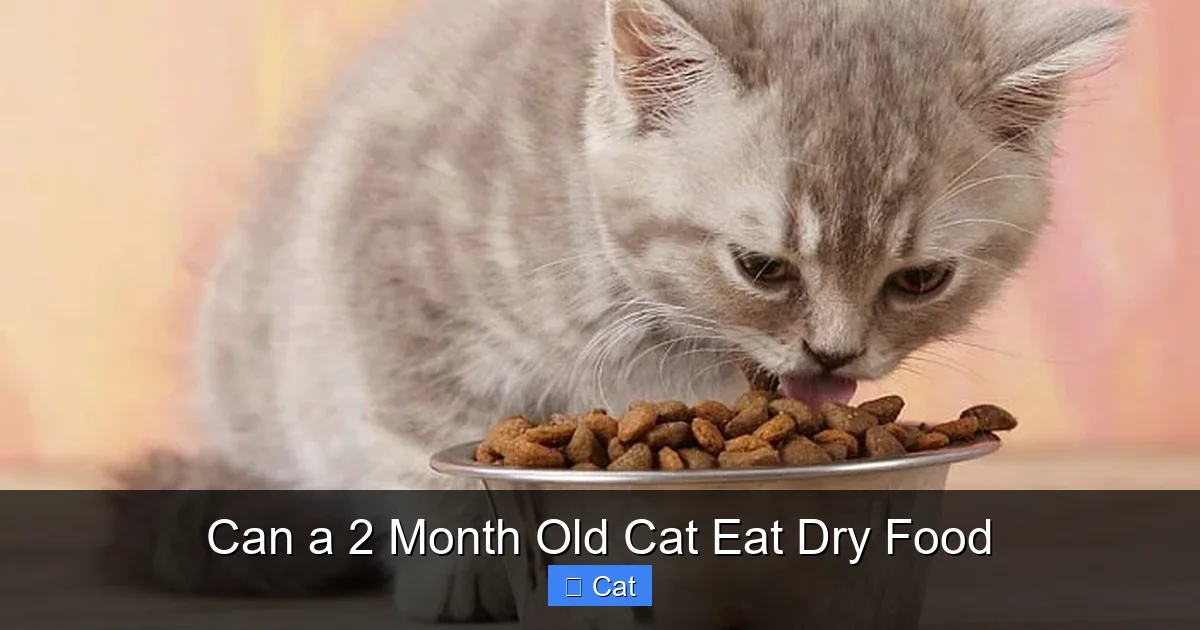
Visual guide about Can a 2 Month Old Cat Eat Dry Food
Image source: fveap.org
So, can a 2 month old cat eat dry food? The answer is yes—but with important conditions. While kittens this age are developmentally ready to begin eating solid food, including dry kibble, it should not be offered in its hard, crunchy form right away. Their tiny teeth and jaws are not yet strong enough to chew dry kibble effectively, and their digestive systems may struggle to break it down without help.
The key is to introduce dry food gradually and in a softened form. Start by mixing high-quality kitten kibble with warm water, kitten milk replacer, or wet food to create a soft, mash-like texture. This mimics the consistency of wet food and makes it easier for the kitten to eat. As they get used to the taste and texture, you can slowly reduce the amount of liquid and increase the proportion of dry food.
It’s also important to choose the right type of dry food. Look for kitten-specific formulas that are labeled as “complete and balanced” by the Association of American Feed Control Officials (AAFCO). These foods meet the nutritional standards required for growth and development. Avoid generic or adult cat foods, as they won’t provide the necessary nutrients.
Signs Your Kitten Is Ready for Dry Food
Not all 2-month-old kittens are ready for dry food at the same time. Some may take to it quickly, while others may need more time. Here are a few signs that your kitten is ready:
– They show interest in your food or other pets’ food.
– They’re actively chewing on toys or other objects.
– They’re successfully eating wet food without difficulty.
– They’re gaining weight steadily and appear healthy and energetic.
If your kitten is still nursing frequently or seems uninterested in solid food, it’s okay to wait a few more days or consult your vet for guidance.
How to Introduce Dry Food Safely
Introducing dry food should be a slow and gentle process. Here’s a simple step-by-step guide:
1. **Choose a high-quality kitten kibble.** Look for one with real meat as the first ingredient and no fillers like corn or soy.
2. **Soak the kibble.** Place a small amount of kibble in a bowl and cover it with warm water or kitten milk replacer. Let it sit for 5–10 minutes until it softens.
3. **Mix with wet food (optional).** For extra appeal, mix the softened kibble with a small amount of wet kitten food.
4. **Offer a small amount.** Place the mixture in a shallow dish and let your kitten explore it at their own pace.
5. **Monitor their response.** Watch for signs of interest, chewing, and swallowing. If they eat it without issues, you can gradually increase the amount.
6. **Reduce liquid over time.** After a few days, start using less liquid and more kibble until they’re eating dry food on its own.
Remember, every kitten is different. Some may take to dry food right away, while others may prefer wet food for a while longer. The goal is to support their growth and development, not to rush the process.
Choosing the Right Dry Food for a 2-Month-Old Kitten
Not all dry foods are suitable for 2-month-old kittens. Choosing the right one is crucial for their health and development. Here’s what to look for when selecting kitten kibble:
AAFCO Certification
Always choose a dry food that meets AAFCO nutritional standards for growth. Look for a statement on the packaging that says something like: “Formulated to meet the nutritional levels established by the AAFCO Cat Food Nutrient Profiles for Growth.” This ensures the food contains the right balance of protein, fat, vitamins, and minerals for growing kittens.
High-Quality Protein Sources
The first ingredient should be a named animal protein, such as chicken, turkey, or salmon. Avoid foods that list “meat by-products” or “animal digest” as the primary ingredient. Real meat provides the essential amino acids kittens need for muscle development and overall health.
Appropriate Kibble Size
Kittens have small mouths, so choose a kibble that’s small and easy to chew. Many brands offer “kitten-sized” kibble designed specifically for young cats. Larger kibble can be difficult for them to pick up and chew, which may discourage eating.
No Harmful Additives
Avoid foods with artificial colors, flavors, or preservatives like BHA, BHT, or ethoxyquin. These additives offer no nutritional benefit and may be harmful over time. Instead, look for natural preservatives like mixed tocopherols (vitamin E) or rosemary extract.
Recommended Brands
Some reputable brands that offer high-quality kitten dry food include:
– **Royal Canin Kitten Dry Food** – Specifically formulated for kittens up to 12 months, with DHA for brain development.
– **Hill’s Science Diet Kitten Dry Food** – Made with real chicken and no artificial additives.
– **Purina Pro Plan Kitten Dry Food** – High in protein and includes live probiotics for digestive health.
– **Blue Buffalo Wilderness Kitten Dry Food** – Grain-free option with real chicken and DHA.
Always read the ingredient list and nutritional information, even for trusted brands. What works for one kitten may not be ideal for another.
How to Prepare Dry Food for a 2-Month-Old Kitten
Preparing dry food properly is just as important as choosing the right brand. At 2 months old, kittens need food that’s easy to eat and digest. Here’s how to do it:
Soaking the Kibble
Soaking dry kibble in warm water or kitten milk replacer softens it and makes it more palatable. Here’s how:
1. Place 1–2 tablespoons of kitten kibble in a small bowl.
2. Add warm (not hot) water or kitten milk replacer until the kibble is fully submerged.
3. Let it sit for 5–10 minutes, or until the kibble becomes soft and mashy.
4. Stir gently to break up any clumps.
5. Serve immediately.
Avoid using cow’s milk, as it can cause digestive upset in kittens. Stick to water or a vet-approved kitten milk replacer.
Mixing with Wet Food
Many kittens prefer the taste and texture of wet food. Mixing softened dry kibble with a small amount of wet food can encourage them to try it. Use a 1:1 ratio at first, then gradually increase the dry food portion over time.
Feeding Tips
– Use a shallow dish to make it easier for the kitten to reach the food.
– Wash food and water bowls daily to prevent bacteria buildup.
– Offer fresh food at each meal—don’t leave soaked kibble out for more than 1–2 hours.
– Keep water available at all times, even if the kitten is still drinking milk replacer.
Transitioning from Wet to Dry Food
As your kitten grows, you may want to transition them from wet food to dry food, or offer a mix of both. This process should be gradual to avoid digestive issues like diarrhea or vomiting.
Step-by-Step Transition Plan
1. **Days 1–3:** Mix 75% wet food with 25% softened dry kibble.
2. **Days 4–6:** Use a 50/50 mix of wet and dry food.
3. **Days 7–9:** Increase to 25% wet food and 75% dry food.
4. **Day 10+:** Offer dry food on its own, softened or dry, depending on your kitten’s preference.
Monitor your kitten’s stool, energy levels, and appetite throughout the transition. If they show signs of digestive upset, slow down the process or consult your vet.
Benefits of a Mixed Diet
Many veterinarians recommend feeding a combination of wet and dry food. Wet food provides hydration and is often more palatable, while dry food helps maintain dental health and can be left out for free-feeding. A mixed diet offers the best of both worlds and supports overall health.
Common Mistakes to Avoid
Even with the best intentions, new kitten owners can make feeding mistakes. Here are some common pitfalls to avoid:
Feeding Adult Cat Food
Never feed adult cat food to a 2-month-old kitten. It lacks the calories, protein, and nutrients needed for growth. This can lead to malnutrition and developmental issues.
Overfeeding or Underfeeding
Follow the feeding guidelines on the food package, but adjust based on your kitten’s size, activity level, and growth. Overfeeding can lead to obesity, while underfeeding can stunt growth.
Ignoring Hydration
Even if your kitten is eating dry food, they still need access to fresh water. Dehydration can cause serious health problems, especially in young kittens.
Skipping Vet Checkups
Regular vet visits are essential for monitoring your kitten’s growth and health. Your vet can provide personalized feeding advice and catch any issues early.
Monitoring Your Kitten’s Health and Growth
As you introduce dry food, it’s important to keep an eye on your kitten’s overall health. Healthy kittens should:
– Gain weight steadily (about 100 grams per week).
– Have bright eyes, clean ears, and a shiny coat.
– Be active, playful, and curious.
– Have normal bowel movements (firm, well-formed stools).
If you notice any of the following, contact your vet:
– Lack of appetite or refusal to eat.
– Vomiting or diarrhea lasting more than 24 hours.
– Lethargy or weakness.
– Difficulty breathing or coughing.
– Sudden weight loss or failure to gain weight.
These could be signs of an underlying health issue that requires medical attention.
Conclusion
So, can a 2 month old cat eat dry food? Yes—but only when it’s introduced correctly and in the right form. At this age, kittens are ready to begin exploring solid food, including dry kibble, but their tiny teeth and developing digestive systems need extra care. By choosing high-quality, kitten-specific dry food, softening it initially, and transitioning gradually, you can safely incorporate dry food into your kitten’s diet.
Remember, every kitten is unique. Some may take to dry food quickly, while others may prefer wet food for a bit longer. The key is to be patient, observant, and responsive to your kitten’s needs. Always consult your veterinarian before making major dietary changes, and keep an eye on their growth, behavior, and overall health.
With the right nutrition and care, your 2-month-old kitten will grow into a healthy, happy adult cat. And while the journey may come with questions and challenges, it’s also filled with love, laughter, and unforgettable moments. So enjoy every purr, every playful pounce, and every tiny bite of kibble—because these early months are the foundation of a lifetime of companionship.
Frequently Asked Questions
Can I feed my 2-month-old kitten dry food without soaking it?
It’s not recommended to feed dry food without soaking it at this age. Their teeth and jaws are still developing, and hard kibble can be difficult to chew and digest. Soaking makes it safer and easier for them to eat.
How much dry food should a 2-month-old kitten eat per day?
Most 2-month-old kittens need about 1/4 to 1/3 cup of high-quality kitten kibble per day, divided into 4–6 small meals. Always follow the feeding guidelines on the package and adjust based on your kitten’s growth and appetite.
Is it okay to mix dry and wet food for a kitten?
Yes, mixing dry and wet food is perfectly fine and often beneficial. It provides hydration from wet food and dental benefits from dry food. Just make sure both are kitten-specific formulas.
Can I use cow’s milk to soften dry kibble?
No, cow’s milk can cause digestive upset in kittens. Use warm water or a vet-approved kitten milk replacer instead to soften the kibble safely.
When can my kitten eat dry food without soaking?
Most kittens can start eating dry food without soaking by 10–12 weeks of age, as their teeth and jaws become stronger. However, some may prefer softened kibble longer—follow your kitten’s lead.
What should I do if my kitten refuses to eat dry food?
If your kitten isn’t interested in dry food, try mixing it with wet food or warming it slightly to enhance the smell. Be patient and offer it consistently. If they continue to refuse, consult your vet to rule out health issues.