

While a 6-month-old kitten might nibble on adult cat food without immediate harm, it’s not ideal for their growth and development. Kittens need higher levels of protein, fat, calories, and key nutrients like DHA and taurine—nutrients often lacking in adult formulas. Feeding adult food long-term can lead to nutritional deficiencies and health problems.
Key Takeaways
- Kittens have unique nutritional needs: They require more calories, protein, and fat than adult cats to support rapid growth and development.
- Adult cat food lacks essential nutrients: It often falls short in taurine, DHA, calcium, and arachidonic acid—critical for brain, eye, and bone development.
- Short-term exposure is usually safe: Occasional nibbles won’t harm your kitten, but adult food shouldn’t replace kitten-specific meals.
- Long-term risks include stunted growth: Chronic undernutrition can lead to weakened immunity, poor coat quality, and developmental delays.
- Transition to adult food happens around 12 months: Most vets recommend switching to adult cat food between 10–12 months of age, depending on breed and size.
- Always consult your veterinarian: Your vet can help create a feeding plan tailored to your kitten’s breed, weight, and health status.
- Choose high-quality kitten food: Look for AAFCO-approved formulas labeled “for growth” or “kitten” to ensure balanced nutrition.
📑 Table of Contents
- Can a 6-Month-Old Kitten Eat Adult Cat Food? The Truth Every Cat Owner Should Know
- Understanding Your Kitten’s Nutritional Needs at 6 Months
- The Risks of Feeding Adult Cat Food to a 6-Month-Old Kitten
- When Is It Okay for a Kitten to Eat Adult Cat Food?
- Choosing the Right Kitten Food: What to Look For
- Tips for a Smooth Feeding Routine
- Conclusion: Prioritize Your Kitten’s Growth
Can a 6-Month-Old Kitten Eat Adult Cat Food? The Truth Every Cat Owner Should Know
Bringing a fluffy, wide-eyed kitten into your home is one of life’s greatest joys. From their playful pounces to their tiny meows, kittens fill our days with wonder and laughter. But with all that joy comes responsibility—especially when it comes to feeding them right. One of the most common questions new cat parents ask is: *Can a 6-month-old kitten eat adult cat food?*
At six months old, your kitten is still very much a baby—despite their growing size and increasing independence. They’re in the middle of a critical growth phase, doubling or even tripling their birth weight, developing strong bones, building immune defenses, and forming neural connections that will last a lifetime. This rapid development demands a specialized diet rich in energy and nutrients. While adult cat food might seem like a convenient option—especially if you already have an adult cat at home—it’s simply not designed to meet the unique needs of a growing kitten.
So, can they eat it? Technically, yes—but should they? That’s where things get tricky. Let’s dive into the science, the risks, and the best practices to ensure your little furball thrives.
Understanding Your Kitten’s Nutritional Needs at 6 Months
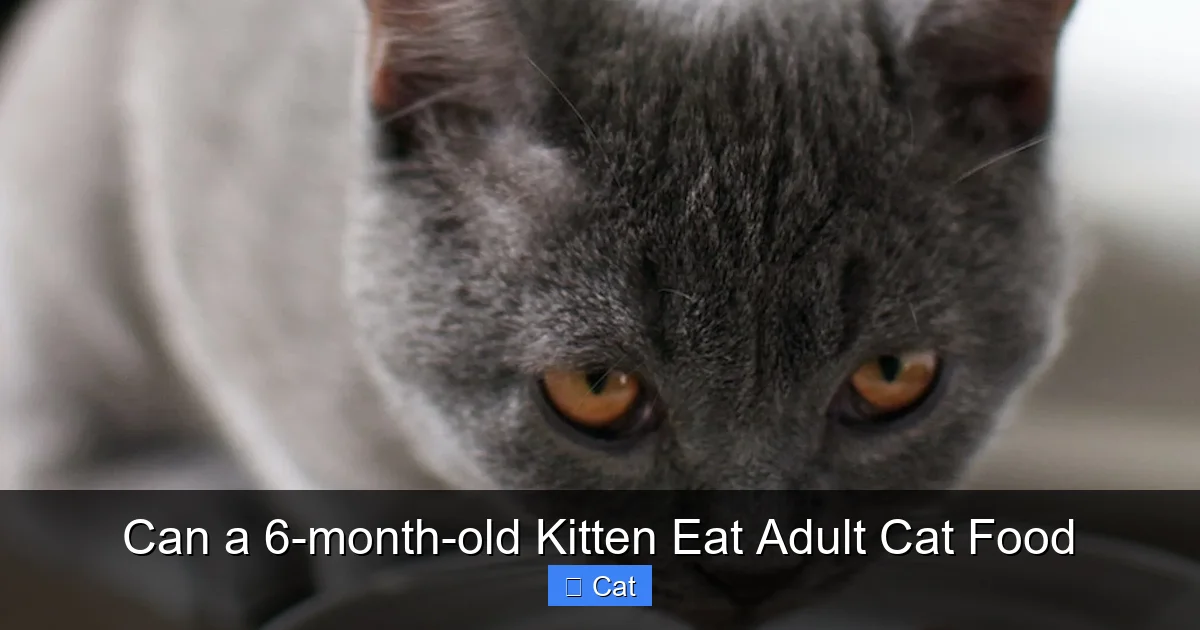
Visual guide about Can a 6-month-old Kitten Eat Adult Cat Food
Image source: tuftandpaw.com
At six months old, your kitten is still in what veterinarians call the “growth phase.” This stage typically lasts until around 10–12 months of age, though larger breeds like Maine Coons may continue growing until 18 months or even two years. During this time, their bodies are working overtime to build muscle, strengthen bones, support brain development, and establish a robust immune system.
Because of this intense growth, kittens need significantly more calories and nutrients per pound of body weight than adult cats. According to the Association of American Feed Control Officials (AAFCO), kitten food must contain at least 30% protein and 9% fat—compared to 26% protein and 9% fat for adult maintenance diets. But those numbers only tell part of the story.
Why Calories Matter More for Kittens
A 6-month-old kitten may weigh anywhere from 4 to 8 pounds, depending on breed and genetics. Yet, they can burn up to twice as many calories per pound as an adult cat. Think of it like comparing a toddler to a full-grown adult—the toddler is constantly moving, learning, and growing, so they need more fuel relative to their size.
Adult cat food is formulated for maintenance—not growth. That means it’s lower in calories and may not provide enough energy to keep up with your kitten’s active lifestyle. Feeding adult food exclusively could leave your kitten feeling sluggish, underweight, or unable to play and explore as much as they should.
Protein: The Building Block of Growth
Protein isn’t just about muscle—it’s essential for every cell, enzyme, and hormone in your kitten’s body. High-quality animal-based proteins (like chicken, turkey, or fish) provide the amino acids needed for healthy development. Taurine, for example, is a vital amino acid that supports vision, heart function, and immune health. Kittens cannot synthesize enough taurine on their own, so they must get it from their diet.
Adult cat food may contain adequate protein for a sedentary adult, but it often doesn’t meet the elevated requirements of a growing kitten. Over time, a protein-deficient diet can lead to muscle wasting, poor coat condition, and even heart problems.
Fat and Essential Fatty Acids
Fat is another critical component of a kitten’s diet—not just for energy, but for brain and eye development. DHA (docosahexaenoic acid), an omega-3 fatty acid found in fish oil, plays a key role in cognitive function and retinal health. Studies show that kittens fed DHA-enriched diets perform better in learning and memory tasks.
Arachidonic acid, an omega-6 fatty acid, is also essential for skin health, inflammation regulation, and reproductive development. While adult cats can convert some fatty acids internally, kittens rely heavily on dietary sources. Adult cat food often lacks sufficient levels of these vital fats, putting your kitten at risk for developmental delays.
Vitamins and Minerals: The Unsung Heroes
Calcium and phosphorus are crucial for strong bones and teeth. Kittens need a precise balance—too little calcium can lead to weak bones, while too much can cause skeletal deformities. Kitten food is carefully calibrated to provide the right ratio (typically around 1.2:1 calcium to phosphorus).
Other important nutrients include vitamin A (for vision and immunity), vitamin D (for calcium absorption), and folic acid (for cell division). Adult cat food may not contain enough of these micronutrients to support rapid growth, especially during the first year of life.
The Risks of Feeding Adult Cat Food to a 6-Month-Old Kitten
Now that we understand what kittens need, let’s talk about what happens when they don’t get it. Feeding adult cat food to a 6-month-old kitten—even occasionally—can have short- and long-term consequences.
Short-Term Effects: What You Might Notice
If your kitten eats a small amount of adult food once or twice, they’ll likely be just fine. Cats are resilient, and one or two meals won’t cause harm. But if adult food becomes a regular part of their diet, you might start to see subtle changes:
– **Lethargy or reduced playfulness:** Without enough calories and energy-rich fats, your kitten may seem less interested in toys or chasing shadows.
– **Poor coat quality:** A dull, dry, or flaky coat can signal a lack of essential fatty acids.
– **Digestive upset:** Adult food may have different fiber levels or ingredients that don’t agree with a kitten’s sensitive digestive system.
– **Inconsistent weight gain:** Healthy kittens should gain weight steadily. If your kitten’s growth slows or stalls, it could be a sign of nutritional deficiency.
Long-Term Risks: The Hidden Dangers
The real danger lies in long-term feeding of adult cat food. Over weeks or months, nutritional gaps can lead to serious health issues:
– **Stunted growth:** Without adequate protein, calories, and minerals, your kitten may not reach their full genetic potential in size or strength.
– **Weakened immune system:** Kittens need robust nutrition to build antibodies and fight off infections. A poor diet can make them more susceptible to viruses like feline herpesvirus or calicivirus.
– **Vision and hearing problems:** Deficiencies in taurine and DHA can impair retinal development and auditory function, potentially leading to partial or complete blindness.
– **Bone and joint disorders:** Imbalanced calcium and phosphorus levels can cause conditions like osteodystrophy or rickets, especially in large-breed kittens.
– **Reproductive issues:** Female kittens fed inadequate diets may experience delayed puberty or fertility problems later in life.
Real-Life Example: The Case of Luna
Take Luna, a 6-month-old domestic shorthair adopted by a family with two adult cats. The owners thought it would be easier to feed everyone the same food, so they started giving Luna the adult dry kibble their other cats ate. Within a month, Luna seemed less energetic and wasn’t gaining weight as quickly as her vet expected. A follow-up visit revealed she was slightly underweight and had low taurine levels. Once switched to a high-quality kitten formula, Luna bounced back—gaining weight, her coat became shiny, and she resumed her playful antics.
Stories like Luna’s are more common than you might think. Many well-meaning pet owners don’t realize that “cat food” isn’t one-size-fits-all. What works for an adult cat simply doesn’t cut it for a growing kitten.
When Is It Okay for a Kitten to Eat Adult Cat Food?
So, is there ever a time when adult cat food is acceptable for a kitten? The short answer: rarely—and only under specific circumstances.
Occasional Nibbles Are Usually Safe
If your 6-month-old kitten sneaks a few pieces of adult kibble from the older cat’s bowl, don’t panic. One or two accidental bites won’t harm them. Cats are curious by nature, and it’s normal for kittens to explore their environment—including food bowls.
However, it’s best to prevent this when possible. Consider feeding your kitten separately, using elevated bowls or timed feeders to keep adult food out of reach. This not only protects your kitten’s nutrition but also helps establish healthy feeding routines.
Transitioning to Adult Food: Timing Is Everything
Most veterinarians recommend keeping kittens on kitten-specific food until they’re about 10–12 months old. This gives them the full benefit of growth-focused nutrition during their most critical developmental window.
Smaller breeds (like Siamese or domestic shorthairs) may be ready to transition closer to 10 months, while larger breeds (like Ragdolls or Maine Coons) often benefit from staying on kitten food until 12–18 months. Your vet can help determine the right time based on your kitten’s weight, growth rate, and overall health.
When you do make the switch, do it gradually. Mix increasing amounts of adult food with decreasing amounts of kitten food over 7–10 days. This helps prevent digestive upset and allows your cat’s system to adjust.
Exceptions: Special Diets and Medical Needs
In rare cases, a veterinarian might recommend adult food for a kitten—usually due to a medical condition. For example, a kitten with kidney disease may need a low-phosphorus diet, which is typically found in adult or senior formulas. However, these decisions should always be made under veterinary supervision. Never switch your kitten to adult food without consulting your vet first.
Choosing the Right Kitten Food: What to Look For
Now that we’ve established why kitten food is essential, let’s talk about how to choose the best one. Not all kitten foods are created equal, and marketing claims can be misleading.
Check the AAFCO Statement
Look for a label that says the food is “formulated to meet the nutritional levels established by the AAFCO Cat Food Nutrient Profiles for Growth” or “for kittens.” This ensures the food has been tested and meets minimum standards for kitten nutrition.
Avoid products that only say “complete and balanced” without specifying life stage. These may be designed for adult maintenance and lack the extra nutrients kittens need.
Prioritize High-Quality Protein Sources
The first ingredient should be a named animal protein—like “chicken,” “turkey,” or “salmon”—not a by-product or meal. Whole meats provide more bioavailable amino acids than rendered products.
Avoid foods with excessive fillers like corn, wheat, or soy. While small amounts are okay, these ingredients offer little nutritional value and can be hard for kittens to digest.
Look for DHA and Taurine
DHA supports brain and eye development, while taurine is essential for heart and vision health. Many premium kitten foods include these nutrients, often derived from fish oil or animal tissues.
If the label doesn’t list taurine or DHA, check the guaranteed analysis or contact the manufacturer. These nutrients should be present in adequate amounts.
Wet vs. Dry: Which Is Better?
Both wet and dry kitten foods can be nutritious, but they have different benefits:
– **Wet food** is higher in moisture, which helps prevent urinary tract issues and supports kidney health. It’s also more palatable for picky eaters.
– **Dry food** is convenient, cost-effective, and can help reduce tartar buildup if formulated for dental health.
Many experts recommend a combination of both. For example, feed wet food in the morning and dry food in the evening. This gives your kitten the hydration benefits of wet food and the convenience of dry.
Portion Control and Feeding Frequency
At 6 months old, most kittens do well with 3–4 small meals per day. Follow the feeding guidelines on the package, but adjust based on your kitten’s weight, activity level, and appetite.
Avoid free-feeding (leaving food out all day) unless recommended by your vet. Overeating can lead to obesity, which brings its own set of health problems.
Tips for a Smooth Feeding Routine
Creating a consistent feeding routine helps your kitten feel secure and ensures they get the nutrition they need.
Feed in a Quiet, Safe Space
Choose a calm area away from loud noises, other pets, or high-traffic zones. This allows your kitten to eat without stress or distraction.
Use Appropriate Bowls
Shallow, wide bowls are best for kittens. Deep bowls can cause whisker fatigue—a discomfort that occurs when a cat’s sensitive whiskers touch the sides of the bowl repeatedly.
Stainless steel or ceramic bowls are easier to clean and less likely to harbor bacteria than plastic.
Monitor Growth and Adjust as Needed
Weigh your kitten regularly (every 2–4 weeks) and keep a growth chart. Healthy kittens should gain about 1 pound per month until they’re 6 months old, then slow down.
If your kitten isn’t gaining weight, seems lethargic, or has digestive issues, consult your vet. They may recommend a different food or run tests to rule out underlying health problems.
Introduce New Foods Gradually
If you’re switching brands or formulas, do it slowly. Mix 25% new food with 75% old food for a few days, then increase the ratio over a week or two. This reduces the risk of stomach upset.
Conclusion: Prioritize Your Kitten’s Growth
So, can a 6-month-old kitten eat adult cat food? The answer is yes—but only in rare, short-term situations. For long-term health and development, kitten-specific food is non-negotiable.
Your kitten’s first year is a golden window for growth, learning, and bonding. What you feed them now will shape their health, behavior, and quality of life for years to come. Adult cat food simply doesn’t provide the extra calories, protein, fats, and micronutrients that growing kittens need.
By choosing a high-quality kitten formula, feeding on a consistent schedule, and consulting your veterinarian, you’re giving your furry friend the best possible start. Remember: a well-fed kitten is a happy, healthy, and thriving companion.
Invest in their future—one meal at a time.
Frequently Asked Questions
Can a 6-month-old kitten eat adult wet food?
Occasional nibbles of adult wet food are unlikely to cause harm, but it shouldn’t replace kitten-specific meals. Adult wet food often lacks the higher protein, fat, and key nutrients like DHA and taurine that growing kittens need for optimal development.
What happens if my kitten eats adult food every day?
Long-term feeding of adult food can lead to nutritional deficiencies, stunted growth, poor coat quality, and weakened immunity. Kittens need more calories and specific nutrients than adult cats, and chronic undernutrition can cause serious health problems over time.
When should I switch my kitten to adult cat food?
Most kittens can transition to adult food between 10 and 12 months of age. Larger breeds may benefit from staying on kitten food until 12–18 months. Always consult your veterinarian to determine the best timing based on your cat’s breed, size, and health.
Is it safe to mix kitten and adult food?
Mixing small amounts occasionally is generally safe, but adult food should never dominate the diet. If you’re transitioning, do it gradually over 7–10 days to avoid digestive upset. Otherwise, feed kitten food exclusively until your cat reaches maturity.
Can I feed my kitten homemade adult cat food?
Homemade diets can be risky unless formulated by a veterinary nutritionist. Adult homemade recipes often lack the precise balance of nutrients kittens need. Improperly balanced diets can lead to deficiencies in taurine, calcium, or DHA, causing serious health issues.
What should I do if my kitten accidentally eats adult food?
Don’t panic—one or two meals won’t harm them. Just return to feeding kitten-specific food at the next meal. Monitor your kitten for any signs of digestive upset or lethargy, and contact your vet if you notice anything unusual.