
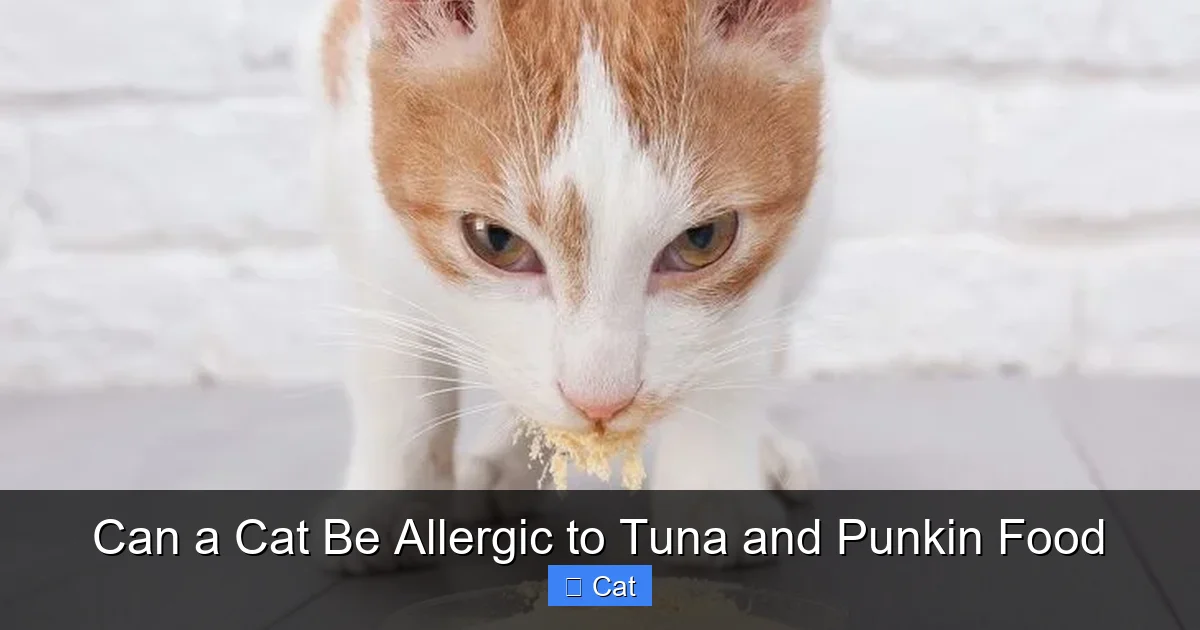
Yes, cats can be allergic to tuna and pumpkin food, though true allergies are rare. More commonly, cats develop sensitivities or intolerances that cause digestive upset or skin issues. Recognizing symptoms early and adjusting your cat’s diet can prevent discomfort and support long-term health.
If you’ve ever watched your cat go absolutely bonkers for a spoonful of tuna or a dab of pumpkin puree, you’re not alone. Many cat parents swear by these foods as healthy treats or digestive aids. Tuna is often seen as a high-protein, irresistible snack, while pumpkin is praised for its ability to soothe upset tummies and regulate bowel movements. But what happens when your cat starts acting a little… off after eating them? Could it be more than just a tummy ache? Could your cat actually be allergic to tuna and pumpkin food?
The short answer is yes—though it’s not as simple as it sounds. While true food allergies in cats are relatively rare, they do happen. And surprisingly, common “healthy” ingredients like tuna and pumpkin can sometimes be the culprits. Most of the time, what we see isn’t a full-blown allergy but rather a food intolerance or sensitivity. These terms are often used interchangeably, but they’re not the same. Understanding the difference is key to keeping your cat healthy, happy, and free from discomfort.
In this article, we’ll dive deep into whether cats can be allergic to tuna and pumpkin food, how to spot the signs, what to do if you suspect an issue, and how to safely incorporate—or avoid—these ingredients in your cat’s diet. Whether you’re a new cat parent or a seasoned feline enthusiast, this guide will help you make informed decisions about your pet’s nutrition.
Key Takeaways
- True food allergies in cats are uncommon but possible: While most cats don’t have true allergies, some can develop immune reactions to proteins like those found in tuna.
- Tuna is a common allergen due to high protein content: Frequent feeding of tuna, especially from cans, may increase the risk of sensitivity or allergic reactions over time.
- Pumpkin is generally safe but can cause issues in excess: Plain, cooked pumpkin aids digestion, but too much fiber or added ingredients (like sugar or spices) may upset your cat’s stomach.
- Symptoms include vomiting, diarrhea, itching, and ear infections: Watch for gastrointestinal or skin-related signs that appear after eating tuna or pumpkin-based foods.
- Diagnosis requires elimination diets and vet guidance: A proper diagnosis involves removing suspected foods and reintroducing them under veterinary supervision.
- Safer alternatives exist for both tuna and pumpkin: Rotate proteins and use pumpkin sparingly to reduce the risk of developing sensitivities.
- Always consult your vet before making dietary changes: Sudden shifts in diet can harm your cat, so professional advice is essential for managing allergies or intolerances.
📑 Table of Contents
Understanding Food Allergies vs. Intolerances in Cats
Before we get into tuna and pumpkin specifically, it’s important to understand what we mean when we talk about food allergies and intolerances in cats. These two conditions are often confused, but they involve very different bodily responses.
A food allergy is an immune system reaction to a specific protein. When a cat with a food allergy eats that protein, their immune system mistakenly identifies it as harmful and launches an attack. This can lead to inflammation, itching, skin rashes, ear infections, and even respiratory issues in severe cases. True food allergies are relatively uncommon in cats, affecting only about 1–2% of the feline population. However, when they do occur, they can be serious and require long-term management.
On the other hand, a food intolerance (or sensitivity) doesn’t involve the immune system. Instead, it’s a digestive issue. Your cat’s body simply has trouble breaking down or processing a certain ingredient. This might be due to enzyme deficiencies, gut microbiome imbalances, or simply overconsumption. Symptoms of food intolerance are usually limited to the digestive tract—think vomiting, diarrhea, gas, or bloating. While uncomfortable, intolerances are generally less severe than allergies and often improve once the offending food is removed.
So, can a cat be allergic to tuna and pumpkin food? Technically, yes—but it’s more likely that your cat is experiencing an intolerance, especially if symptoms are mild and digestive in nature. That said, repeated exposure to certain proteins (like those in tuna) can increase the risk of developing a true allergy over time. This is why variety in your cat’s diet is so important.
Why Tuna Is a Common Culprit
Tuna is one of the most popular fish-based proteins for cats, and for good reason. It’s rich in protein, omega-3 fatty acids, and has a strong smell and taste that most cats find irresistible. However, tuna—especially canned tuna made for humans—can be problematic when fed regularly.
One major issue is that tuna is high in histamine and other biogenic amines. These compounds can build up in fish that isn’t stored or processed properly, and they may trigger allergic-like reactions in sensitive cats. Additionally, tuna lacks certain essential nutrients that cats need, like taurine, when fed as a sole diet. Over time, relying too heavily on tuna can lead to nutritional imbalances.
But the bigger concern is the protein itself. Cats can develop sensitivities to any protein they’re exposed to frequently. If your cat eats tuna every day—whether as a treat or part of their regular meals—their immune system may eventually start to react to it. This is especially true if the tuna comes from a single source or brand, limiting dietary variety.
Another factor is the type of tuna. Canned tuna in oil or brine often contains additives like salt, preservatives, or flavor enhancers that aren’t safe for cats. Even “light” tuna can be high in mercury, which is toxic in large amounts. Feeding your cat small amounts of plain, cooked tuna occasionally is usually fine, but making it a staple can increase the risk of both intolerance and allergy.
Pumpkin: Helpful or Harmful?
Pumpkin has gained a reputation as a natural remedy for constipation and diarrhea in cats. And for good reason—plain, cooked pumpkin is rich in soluble fiber, which can help regulate digestion. It’s low in calories and easy to digest, making it a popular choice for cat owners dealing with gastrointestinal issues.
However, pumpkin isn’t a cure-all, and it’s not without risks. First, not all pumpkin products are created equal. Canned pumpkin labeled “pumpkin pie filling” often contains sugar, spices (like nutmeg, which is toxic to cats), and other additives. These can cause stomach upset, diarrhea, or even more serious health problems. Always choose 100% pure pumpkin puree with no added ingredients.
Second, too much pumpkin can backfire. While a teaspoon or two can help firm up loose stools or ease constipation, overfeeding can lead to the opposite effect—diarrhea or excessive gas. The high fiber content can also interfere with the absorption of other nutrients if used long-term.
Finally, while pumpkin itself is unlikely to cause a true allergy, some cats may be sensitive to it. This is more common in cats with pre-existing digestive conditions like inflammatory bowel disease (IBD). If your cat has a history of stomach issues, introducing pumpkin should be done slowly and under veterinary guidance.
Signs and Symptoms of Tuna or Pumpkin Sensitivity
Visual guide about Can a Cat Be Allergic to Tuna and Punkin Food
Image source: i.pinimg.com
So how do you know if your cat is reacting to tuna or pumpkin? The symptoms can vary depending on whether it’s an allergy or an intolerance, but there are some common signs to watch for.
Gastrointestinal symptoms are the most frequent indicators of a food sensitivity. These include:
- Vomiting (especially shortly after eating)
- Diarrhea or loose stools
- Excessive gas or bloating
- Changes in appetite (eating less or more than usual)
- Lethargy or discomfort after meals
If your cat is experiencing a true food allergy, you may also notice skin-related symptoms. These can include:
- Itchy skin, especially around the face, ears, or paws
- Hair loss or excessive grooming
- Red, inflamed skin or rashes
- Chronic ear infections
- Swelling around the eyes or mouth (in severe cases)
It’s important to note that these symptoms can also be caused by other health issues, such as parasites, infections, or environmental allergies. That’s why it’s crucial to consult your veterinarian before assuming your cat has a food allergy.
When to See a Vet
If your cat shows any of the above symptoms—especially if they persist for more than a day or two—it’s time to call the vet. Sudden vomiting, diarrhea, or lethargy can be signs of a more serious condition, such as pancreatitis, kidney disease, or ingestion of a toxic substance.
Your vet will likely start with a physical exam and may recommend blood tests, fecal exams, or skin tests to rule out other causes. If a food allergy or intolerance is suspected, they may suggest an elimination diet.
Diagnosing Food Allergies and Intolerances
Diagnosing a food allergy or intolerance in cats isn’t as simple as taking a blood test. While some commercial allergy tests exist, many are unreliable and can produce false positives or negatives. The gold standard for diagnosis is an elimination diet trial.
Here’s how it works:
- Your vet will recommend a novel protein and carbohydrate source that your cat has never eaten before. Examples include duck, rabbit, venison, or hydrolyzed protein diets.
- You’ll feed your cat this new diet exclusively for 8–12 weeks. No treats, table scraps, or flavored medications are allowed.
- If your cat’s symptoms improve during this time, it suggests a food sensitivity.
- After the trial period, you’ll gradually reintroduce the suspected foods (like tuna or pumpkin) one at a time to see if symptoms return.
This process requires patience and strict adherence, but it’s the most accurate way to identify the problem ingredient. It’s not something you should try on your own—always work with your vet to ensure your cat remains nutritionally balanced during the trial.
Common Pitfalls in Elimination Diets
One of the biggest mistakes cat owners make during elimination diets is giving in to “just one treat.” Even a small amount of the wrong food can trigger symptoms and invalidate the results. Other pitfalls include:
- Using flavored medications or supplements
- Feeding homemade diets without proper nutritional analysis
- Not waiting long enough for symptoms to resolve
- Reintroducing multiple foods at once
To avoid these issues, stick to the vet-approved plan and keep a detailed food and symptom journal.
Safe Alternatives to Tuna and Pumpkin
If your cat is sensitive to tuna or pumpkin, don’t worry—there are plenty of safe and healthy alternatives.
Protein Alternatives to Tuna
Instead of relying on tuna, consider rotating through other protein sources. Some great options include:
- Chicken: Cooked, boneless, and skinless. A staple in many commercial cat foods.
- Turkey: Lean and easily digestible. Great for sensitive stomachs.
- Duck: A novel protein that’s less likely to cause reactions.
- Rabbit: Another novel protein, often used in hypoallergenic diets.
- Salmon: Rich in omega-3s, but should be cooked and fed in moderation due to potential parasites and mercury.
When introducing new proteins, do so gradually to avoid digestive upset. Start with small amounts and monitor your cat’s reaction.
Digestive Aids Instead of Pumpkin
If your cat needs help with digestion, there are other fiber sources and remedies to consider:
- Psyllium husk: A natural fiber supplement that can help with both constipation and diarrhea. Available in powder form and easy to mix into food.
- Probiotics: These beneficial bacteria support gut health and can improve digestion. Look for cat-specific formulas.
- Slippery elm bark: A gentle herb that soothes the digestive tract. Often used in holistic veterinary care.
- Increased water intake: Dehydration can worsen constipation. Encourage drinking with wet food, water fountains, or broth (make sure it’s low-sodium and onion-free).
Always consult your vet before starting any new supplement, especially if your cat has a chronic condition.
Preventing Food Sensitivities in Cats
The best way to deal with food sensitivities is to prevent them from developing in the first place. Here are some tips to keep your cat’s digestive and immune systems healthy:
Rotate Proteins Regularly
Just like humans, cats benefit from dietary variety. Feeding the same protein day after day increases the risk of developing a sensitivity. Aim to rotate between 2–3 different protein sources every few weeks. This not only reduces allergy risk but also ensures your cat gets a broader range of nutrients.
Choose High-Quality Cat Food
Not all cat foods are created equal. Look for brands that use whole, identifiable ingredients and avoid fillers, artificial preservatives, and by-products. Read labels carefully—even “grain-free” doesn’t always mean healthy.
Limit Treats and Table Scraps
It’s tempting to share your food with your cat, but human food—especially fish, dairy, and spicy dishes—can upset their stomach and contribute to sensitivities. Stick to cat-safe treats and keep portions small.
Monitor for Changes
Keep an eye on your cat’s eating habits, litter box behavior, and overall demeanor. Early detection of changes can help you address issues before they become serious.
Conclusion
So, can a cat be allergic to tuna and pumpkin food? The answer is yes—but it’s more nuanced than a simple yes or no. While true food allergies are rare, cats can certainly develop sensitivities or intolerances to ingredients like tuna and pumpkin, especially when fed excessively or without variety.
Tuna, though tasty and protein-rich, can pose risks due to its high histamine content, potential mercury levels, and lack of nutritional balance when overfed. Pumpkin, while helpful for digestion in small amounts, can cause problems if it contains additives or is given in excess.
The key to keeping your cat healthy is awareness, moderation, and variety. Watch for symptoms like vomiting, diarrhea, itching, or changes in behavior. If you suspect a food sensitivity, work with your vet to conduct an elimination diet and identify the culprit.
And remember—just because a food is “natural” or “healthy” doesn’t mean it’s right for every cat. Every feline is unique, and what works for one may not work for another. By staying informed and proactive, you can ensure your cat enjoys a long, comfortable, and happy life—tuna and pumpkin or not.
Frequently Asked Questions
Can a cat be allergic to tuna?
Yes, cats can develop an allergy or sensitivity to tuna, especially if it’s fed frequently. While true allergies are rare, repeated exposure to tuna proteins can trigger immune or digestive reactions in some cats.
Is pumpkin safe for cats with sensitive stomachs?
Pumpkin is generally safe and can help with mild digestive issues, but it should be plain and given in small amounts. Too much pumpkin or products with added sugar and spices can worsen stomach problems.
How long does it take for a cat to show signs of a food allergy?
Symptoms can appear within hours of eating the offending food, but in some cases, it may take days or weeks of repeated exposure for signs like itching or digestive upset to become noticeable.
Can I give my cat canned tuna as a treat?
Occasional small amounts of plain, water-packed tuna are usually fine, but avoid tuna in oil, brine, or with added flavors. Never make tuna a regular part of your cat’s diet due to nutritional imbalances and allergy risks.
What should I do if my cat vomits after eating pumpkin?
Stop feeding pumpkin immediately and monitor your cat. If vomiting persists, contact your vet. It could be a sign of intolerance, overfeeding, or an underlying health issue.
Are there hypoallergenic cat foods that avoid tuna and pumpkin?
Yes, many hypoallergenic or limited-ingredient diets use novel proteins like duck or rabbit and avoid common allergens. Look for vet-recommended brands and consult your veterinarian for the best option for your cat.