

Yes, cats can absolutely develop food allergies over time—even to foods they’ve eaten for years. Unlike food intolerances, true food allergies involve the immune system and can lead to serious health issues if left untreated.
Key Takeaways
- Food allergies can develop at any age: Even senior cats who’ve eaten the same diet for years can suddenly react to a common ingredient like chicken or beef.
- Symptoms go beyond the skin: While itching and ear infections are common, digestive issues like vomiting and diarrhea are also key signs.
- Chronic exposure increases risk: The more a cat eats a particular protein, the higher the chance their immune system may eventually overreact to it.
- Diagnosis requires elimination diets: Vets typically recommend an 8–12 week trial with a novel or hydrolyzed protein diet to confirm a food allergy.
- Grains are rarely the culprit: Most cat food allergies are triggered by animal proteins, not grains like wheat or corn.
- Management is lifelong: Once identified, allergens must be permanently removed from the cat’s diet to prevent flare-ups.
- Work closely with your vet: Self-diagnosing or switching diets without guidance can delay proper treatment and worsen symptoms.
📑 Table of Contents
- Can a Cat Develop Allergies to Food Over Time?
- What Are Food Allergies in Cats?
- Can Cats Develop Food Allergies Later in Life?
- Common Symptoms of Food Allergies in Cats
- How Are Food Allergies Diagnosed?
- Managing and Treating Food Allergies in Cats
- Prevention: Can You Stop Food Allergies Before They Start?
- Conclusion
Can a Cat Develop Allergies to Food Over Time?
If you’ve ever watched your cat scratch relentlessly, vomit after meals, or suffer from chronic ear infections, you’ve probably wondered: Could this be a food allergy? And more importantly—can a cat develop allergies to food over time, even if they’ve been eating the same kibble for years?
The short answer is yes. Just like humans, cats can develop food allergies at any point in their lives. In fact, it’s more common than many pet owners realize. While kittens may show early sensitivities, adult and senior cats are just as likely—if not more so—to suddenly react to ingredients they’ve tolerated for years.
Food allergies in cats aren’t just about picky eating or temporary stomach upset. They’re a genuine immune response. When a cat’s body mistakenly identifies a food protein as a threat, it launches an attack, leading to inflammation and a range of uncomfortable symptoms. And unlike food intolerances—which are digestive issues—food allergies involve the immune system and can worsen over time if not addressed.
Understanding how and why these allergies develop is the first step in helping your feline friend live a healthier, more comfortable life. Let’s dive into the science, symptoms, and solutions behind feline food allergies.
What Are Food Allergies in Cats?
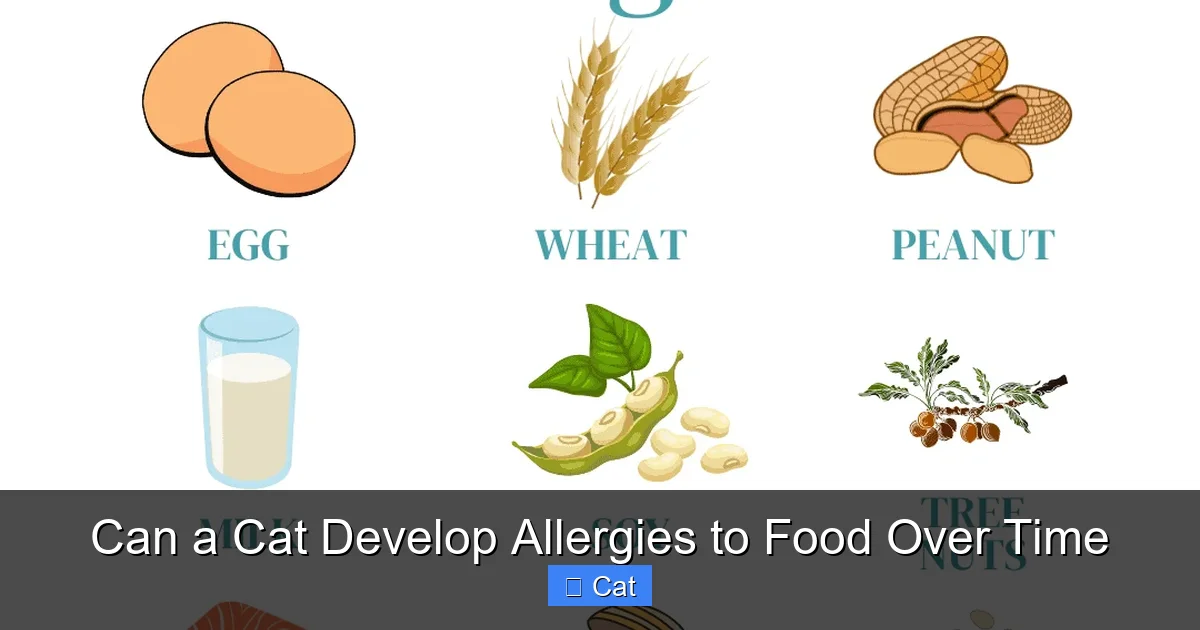
Visual guide about Can a Cat Develop Allergies to Food Over Time
Image source: cnnbreak.com
Before we explore whether cats can develop allergies over time, it’s important to understand what a food allergy actually is.
A food allergy occurs when a cat’s immune system overreacts to a specific ingredient in their diet—usually a protein. The body sees this protein as harmful, even though it’s harmless, and produces antibodies to fight it. This immune response triggers inflammation and a cascade of symptoms that can affect the skin, digestive system, or both.
Common allergens in cat food include:
– Beef
– Chicken
– Fish (especially salmon and tuna)
– Dairy products
– Eggs
– Lamb
– Soy
Surprisingly, grains like wheat, corn, and rice are often blamed, but studies show they’re responsible for less than 10% of feline food allergies. Most reactions are to animal proteins—ingredients that are staples in many commercial cat foods.
It’s also crucial to distinguish food allergies from food intolerances. A food intolerance doesn’t involve the immune system. Instead, it’s a digestive issue—like lactose intolerance in humans. Your cat might vomit or have diarrhea after eating dairy, but there’s no immune response. Intolerances are generally milder and don’t cause skin problems.
Food allergies, on the other hand, can lead to chronic itching, hair loss, ear infections, and even respiratory issues in severe cases. Because the immune system is involved, symptoms can worsen with repeated exposure.
How the Immune System Reacts
When a cat with a food allergy eats the offending ingredient, their immune system releases histamines and other chemicals. This causes inflammation in the skin (leading to itching and rashes) or the gut (causing vomiting and diarrhea). Over time, this constant inflammation can damage tissues and lead to secondary infections, especially in the ears and skin folds.
For example, a cat allergic to chicken might develop red, inflamed ears and scratch constantly. If left untreated, the ear canals can become infected, requiring antibiotics and causing pain. Similarly, chronic diarrhea can lead to dehydration and weight loss.
Why Protein Is the Main Culprit
Proteins are large, complex molecules that the immune system is more likely to recognize as foreign. When a cat eats the same protein repeatedly—say, chicken in every meal—their immune system may eventually “learn” to react to it. This is why long-term exposure increases the risk of developing an allergy.
Think of it like this: Imagine eating peanut butter every day for ten years. One day, your body suddenly decides it hates peanuts and launches an attack. That’s essentially what happens with food allergies in cats.
Can Cats Develop Food Allergies Later in Life?
Now, let’s address the big question: Can a cat develop allergies to food over time?
Absolutely. There’s no age limit for food allergies in cats. While they can appear in kittens as young as six months, they’re actually more commonly diagnosed in cats between 2 and 6 years old. And yes—senior cats in their teens can develop new allergies too.
One of the most surprising facts about feline food allergies is that they often develop after years of eating the same food. A cat might eat a chicken-based kibble for five years with no issues, then suddenly start scratching, vomiting, or losing fur. This doesn’t mean the food changed—it means the cat’s immune system changed.
The Role of Chronic Exposure
Repeated exposure to the same ingredient is a major factor in developing food allergies. The more a cat eats a particular protein, the more likely their immune system is to become sensitized to it. This process can take months or even years.
For example, if your cat eats a diet with chicken as the primary protein source, their immune system is constantly encountering chicken proteins. Over time, it may start to see these proteins as threats rather than nutrients. Once that happens, even a small amount can trigger a reaction.
This is why many veterinarians recommend rotating protein sources in a cat’s diet—not to prevent allergies outright, but to reduce the risk of over-sensitization.
Genetic and Environmental Influences
While chronic exposure plays a big role, genetics and environment also matter. Some cats are simply more prone to allergies due to their breed or family history. Siamese and Himalayan cats, for instance, are known to have higher rates of allergic conditions.
Environmental factors—like pollution, household cleaners, or seasonal allergens—can also weaken a cat’s immune system over time, making them more susceptible to developing food allergies.
Additionally, gut health plays a role. A compromised intestinal lining (sometimes called “leaky gut”) can allow food proteins to enter the bloodstream before they’re fully digested. This can trigger an immune response, even if the cat has eaten that food before without issues.
Real-Life Example: Bella’s Story
Take Bella, a 7-year-old domestic shorthair. For six years, she ate the same salmon-based wet food without any problems. Then, around her seventh birthday, she started scratching her neck and ears constantly. Her owner assumed it was fleas and treated her, but the itching didn’t stop. Over the next few months, Bella developed red, crusty patches on her skin and began vomiting once or twice a week.
After ruling out fleas, parasites, and environmental allergies, her vet suggested a food trial. Bella was switched to a novel protein diet (kangaroo and pea) for 10 weeks. Within three weeks, her itching decreased. By week eight, her skin had cleared, and she stopped vomiting. When her owner reintroduced salmon, the symptoms returned within days.
Bella had developed a food allergy to salmon—something she’d eaten for years. Her immune system had simply decided it no longer tolerated it.
Common Symptoms of Food Allergies in Cats
Recognizing the signs of a food allergy is the first step toward getting your cat help. But because symptoms can mimic other conditions, it’s important to know what to look for.
Skin-Related Symptoms
The most common sign of a food allergy in cats is skin irritation. This often includes:
– Excessive scratching, especially around the head, neck, and ears
– Hair loss (alopecia), often in patches
– Red, inflamed skin (erythema)
– Scabs or crusty lesions
– Chronic ear infections (otitis)
– Swollen, itchy paws (lick granulomas)
These symptoms can appear suddenly or develop gradually. Some cats scratch so much they create open sores, which can become infected.
Digestive Symptoms
Not all food allergies show up on the skin. Many cats experience gastrointestinal issues, such as:
– Chronic vomiting (more than once a week)
– Diarrhea or soft stools
– Increased gas or bloating
– Frequent bowel movements
– Weight loss despite a normal appetite
These symptoms are often mistaken for hairballs, parasites, or dietary indiscretion. But if they persist for weeks or months, a food allergy could be the cause.
Less Common but Serious Signs
In rare cases, food allergies can lead to more severe reactions, including:
– Respiratory issues (coughing, wheezing)
– Swelling of the face or lips
– Lethargy or depression
– Secondary infections (bacterial or fungal)
If your cat shows any of these signs, seek veterinary care immediately.
How Symptoms Differ from Other Conditions
It’s easy to confuse food allergies with other common feline health issues. For example:
– Flea allergy dermatitis also causes itching, but usually集中在 the base of the tail.
– Environmental allergies (atopy) often worsen seasonally and may include sneezing.
– Inflammatory bowel disease (IBD) causes digestive symptoms but doesn’t typically involve skin problems.
The key difference with food allergies is that symptoms persist year-round and don’t respond to antihistamines or steroids alone. They only improve when the allergen is removed from the diet.
How Are Food Allergies Diagnosed?
Diagnosing a food allergy in cats isn’t as simple as a blood test or skin prick. There’s no reliable lab test that can confirm a food allergy with 100% accuracy. Instead, vets rely on a process called an elimination diet trial.
The Elimination Diet Process
An elimination diet involves feeding your cat a completely new protein and carbohydrate source that they’ve never eaten before. This is called a “novel” protein. Common options include:
– Kangaroo
– Duck
– Rabbit
– Venison
– Quail
The diet must be strictly controlled—no treats, table scraps, flavored medications, or even certain dental chews. Everything your cat eats must come from the prescribed food.
The trial typically lasts 8 to 12 weeks. During this time, all symptoms should gradually improve. If they do, the vet will then reintroduce the original food. If symptoms return within days or weeks, a food allergy is confirmed.
Hydrolyzed Protein Diets
Another option is a hydrolyzed protein diet. In these foods, the proteins are broken down into tiny fragments too small for the immune system to recognize. This prevents an allergic reaction while still providing complete nutrition.
Hydrolyzed diets are often used when novel proteins aren’t practical or when the cat refuses to eat the new food. They’re available by prescription and must be fed exclusively during the trial.
Why Home Diets Aren’t Enough
Some pet owners try to diagnose food allergies at home by switching brands or making homemade meals. While this seems logical, it’s rarely effective. Most commercial cat foods contain multiple protein sources, so it’s hard to isolate the allergen. Plus, homemade diets often lack essential nutrients unless carefully formulated by a veterinary nutritionist.
Only a properly managed elimination diet under veterinary supervision can reliably diagnose a food allergy.
What to Expect During the Trial
The elimination diet can be challenging. Your cat may resist the new food at first, especially if they’re used to flavorful kibble or treats. Patience and consistency are key.
Here are some tips:
– Transition slowly over 7–10 days to avoid digestive upset.
– Offer the new food warm to enhance aroma.
– Use puzzle feeders or interactive toys to make mealtime fun.
– Reward with praise, not food, to avoid accidental allergen exposure.
Keep a symptom diary to track changes. Note itching frequency, vomiting episodes, stool quality, and energy levels. This helps your vet assess progress.
Managing and Treating Food Allergies in Cats
Once a food allergy is diagnosed, the goal is simple: avoid the allergen for life. There’s no cure, but with proper management, most cats live happy, symptom-free lives.
Choosing the Right Diet
After the elimination trial, your vet will help you select a long-term diet. Options include:
– Novel protein diets (e.g., rabbit, duck)
– Hydrolyzed protein diets
– Limited-ingredient diets with a single protein and carb source
Always read labels carefully. Even “grain-free” or “natural” foods can contain hidden allergens. Look for brands that guarantee no cross-contamination during manufacturing.
Preventing Accidental Exposure
Cross-contamination is a real risk. If you have multiple pets, feed them separately to avoid food swapping. Wash food bowls thoroughly after each use. And be cautious with treats—many contain common allergens like chicken or beef.
If your cat needs medication, ask your vet for unflavored or hypoallergenic options. Some pills are coated with beef or fish flavoring, which can trigger a reaction.
Supplements and Supportive Care
While diet is the cornerstone of treatment, some cats benefit from additional support:
– Omega-3 fatty acids (fish oil) can reduce skin inflammation.
– Probiotics may improve gut health and immune function.
– Antihistamines or steroids may be used short-term to control severe itching, but they don’t treat the root cause.
Always consult your vet before adding supplements.
Monitoring for New Allergies
Unfortunately, cats can develop multiple food allergies over time. If symptoms return despite a strict diet, your vet may recommend another elimination trial with a different protein source.
Regular check-ups and open communication with your vet are essential for long-term management.
Prevention: Can You Stop Food Allergies Before They Start?
While you can’t guarantee your cat will never develop a food allergy, there are steps you can take to reduce the risk.
Rotate Protein Sources
Feeding a variety of proteins—such as rotating between chicken, turkey, duck, and fish—can help prevent over-sensitization. This doesn’t mean switching brands every week, but offering different proteins every few months.
Choose High-Quality, Limited-Ingredient Diets
Diets with fewer ingredients reduce the chance of exposure to potential allergens. Look for brands that list a single animal protein as the first ingredient and avoid artificial additives.
Support Gut Health
A healthy gut barrier can prevent undigested proteins from entering the bloodstream. Probiotics, prebiotics, and easily digestible foods support intestinal health.
Avoid Overfeeding Treats
Many treats contain common allergens. Limit treats to 10% of your cat’s daily caloric intake and choose hypoallergenic options when possible.
Regular Vet Check-Ups
Annual wellness exams can catch early signs of allergies or other health issues. Early intervention leads to better outcomes.
Conclusion
So, can a cat develop allergies to food over time? The answer is a resounding yes. Food allergies aren’t just for kittens or picky eaters—they can strike at any age, even in cats who’ve eaten the same food for years. Chronic exposure, genetics, and gut health all play a role in this complex immune response.
The good news? With proper diagnosis and management, most cats with food allergies live full, comfortable lives. The key is vigilance: watching for symptoms, working closely with your vet, and committing to a strict elimination diet when needed.
If your cat is scratching, vomiting, or showing other signs of discomfort, don’t ignore it. A food allergy could be the cause—and the solution might be as simple as changing what’s in their bowl.
Your cat’s health and happiness are worth the effort. With patience, care, and the right information, you can help them thrive—no matter what their immune system throws at them.
Frequently Asked Questions
Can a cat become allergic to a food they’ve eaten for years?
Yes, absolutely. Cats can develop food allergies at any age, even to ingredients they’ve consumed for years. Repeated exposure to the same protein increases the risk of the immune system overreacting to it.
What are the most common food allergens in cats?
The most common allergens are animal proteins like beef, chicken, fish, and dairy. Grains like wheat and corn are rarely the cause of true food allergies in cats.
How long does it take to see improvement on an elimination diet?
Most cats show improvement within 4 to 6 weeks, but the full trial should last 8 to 12 weeks to ensure accurate results. Symptoms may return quickly if the allergen is reintroduced.
Can food allergies cause vomiting in cats?
Yes, digestive symptoms like vomiting and diarrhea are common in cats with food allergies. These symptoms often occur alongside skin issues but can appear on their own.
Are there tests to diagnose food allergies in cats?
There are blood and saliva tests available, but they’re not always reliable. The gold standard is an elimination diet trial conducted under veterinary supervision.
Can I treat my cat’s food allergy with over-the-counter diets?
It’s not recommended. Over-the-counter “hypoallergenic” diets may still contain hidden allergens. Always work with your vet to choose a safe, effective diet for your cat.