

Yes, a cat can die from food poisoning if not treated quickly. While some cases are mild, others can lead to organ failure, seizures, or death—especially with toxins like chocolate, onions, or spoiled food. Early recognition and immediate vet care are critical to saving your cat’s life.
Key Takeaways
- Food poisoning can be fatal in cats: Certain foods and toxins can cause severe illness or death, especially if treatment is delayed.
- Symptoms appear quickly: Vomiting, diarrhea, lethargy, and loss of appetite often show up within hours of ingestion.
- Common toxic foods include chocolate, onions, garlic, and xylitol: Even small amounts can be dangerous for cats.
- Spoiled or moldy food is a major risk: Bacteria like Salmonella or E. coli can grow in old food and cause serious illness.
- Immediate veterinary care is essential: Don’t wait—call your vet or an emergency clinic right away if you suspect poisoning.
- Prevention is the best medicine: Store food safely, avoid feeding human leftovers, and keep trash out of reach.
- Know your cat’s normal behavior: Early detection of changes can make all the difference in treatment success.
📑 Table of Contents
- Can a Cat Die from Food Poisoning? The Shocking Truth Every Owner Should Know
- What Is Food Poisoning in Cats?
- Common Causes of Food Poisoning in Cats
- Symptoms of Food Poisoning in Cats
- What to Do If Your Cat Has Food Poisoning
- Treatment Options for Food Poisoning in Cats
- Can a Cat Die from Food Poisoning? Real Risks and Outcomes
- How to Prevent Food Poisoning in Cats
- Conclusion: Protect Your Cat with Knowledge and Action
Can a Cat Die from Food Poisoning? The Shocking Truth Every Owner Should Know
You love your cat. You feed them high-quality kibble, maybe a little wet food, and the occasional treat. But what if something as simple as a meal could put their life at risk? It might sound scary, but yes—a cat can die from food poisoning. While many cases are mild and resolve with rest, others can escalate quickly, leading to severe dehydration, organ damage, or even death if not treated promptly.
Cats are curious creatures. They sniff, paw, and sometimes nibble on things they shouldn’t. Whether it’s a dropped piece of chocolate, a lick of garlic butter, or a bite of moldy leftovers from the trash, their small size and unique metabolism make them especially vulnerable to toxins. Unlike humans, cats lack certain liver enzymes needed to break down many common substances. This means even a tiny amount of something toxic can overwhelm their system.
Food poisoning in cats isn’t just about “bad food” in the traditional sense. It can come from spoiled meals, toxic human foods, or even contaminated commercial pet food. The good news? Most cases are preventable. But if your cat does get sick, knowing the signs and acting fast could save their life.
What Is Food Poisoning in Cats?
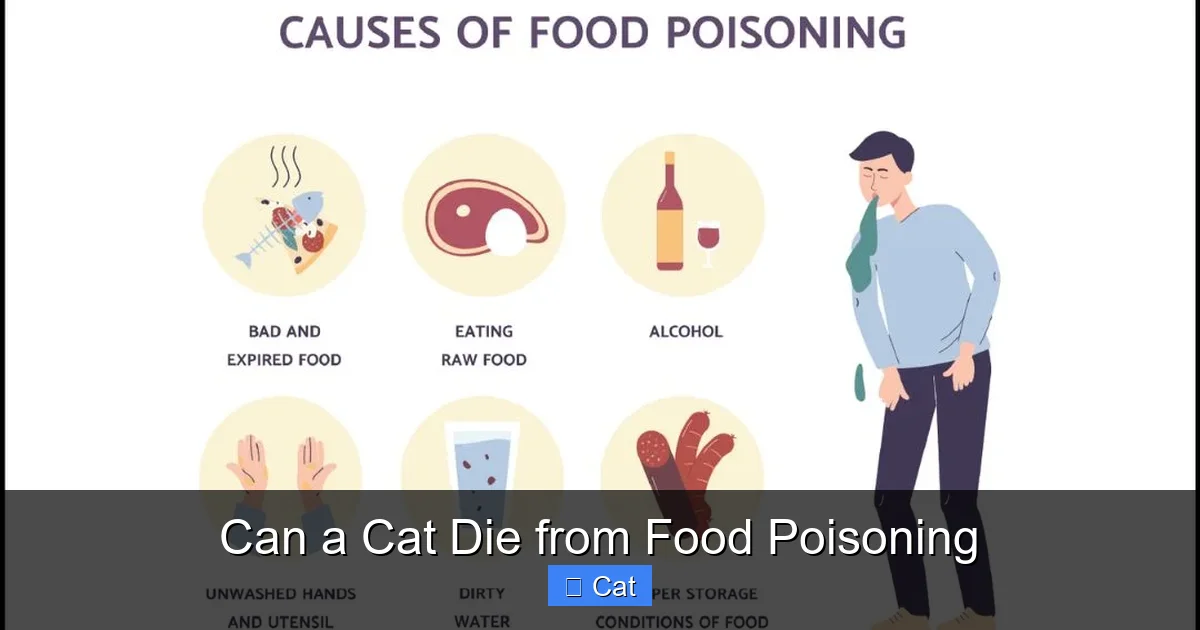
Visual guide about Can a Cat Die from Food Poisoning
Image source: continentalhospitals.com
Food poisoning occurs when a cat ingests food or substances that contain harmful bacteria, toxins, or chemicals. These can disrupt normal digestive function and, in severe cases, affect the nervous system, liver, or kidneys. While the term “food poisoning” often brings to mind spoiled milk or rotten meat, it also includes ingestion of toxic human foods or even certain plants.
Unlike dogs, cats are obligate carnivores. Their bodies are designed to process animal-based proteins and fats, not the complex carbohydrates or artificial ingredients found in many human foods. This biological difference makes them more sensitive to dietary changes and foreign substances.
Food poisoning can be caused by:
– Bacterial contamination (e.g., Salmonella, E. coli, Listeria)
– Toxins in human foods (e.g., chocolate, onions, xylitol)
– Mold or mycotoxins in spoiled food
– Chemicals or cleaning products mistaken for food
– Certain plants or flowers (e.g., lilies, though not food, are often ingested accidentally)
The severity depends on the type and amount of toxin, the cat’s size, age, and overall health. Kittens, senior cats, and those with pre-existing conditions are at higher risk.
How Cats Get Food Poisoning
Cats don’t usually raid the pantry like dogs, but they can still get into trouble. Common scenarios include:
– **Access to the trash can:** Cats may knock over bins and eat spoiled food, bones, or even moldy bread.
– **Human food sharing:** A well-meaning owner might offer a bite of onion-laced pasta or a piece of chocolate cake.
– **Outdoor exploration:** Free-roaming cats may eat dead animals, contaminated water, or toxic plants.
– **Improper food storage:** Leaving wet food out too long can lead to bacterial growth.
– **Accidental ingestion:** Cleaning products, antifreeze, or even certain medications left within reach.
Even indoor cats aren’t safe. A dropped grape, a lick of peanut butter with xylitol, or a nibble on a houseplant can all lead to poisoning.
Why Cats Are More Vulnerable Than Dogs
Cats have a unique metabolism that makes them more susceptible to toxins. One key reason is their liver. Cats lack specific enzymes—like glucuronyl transferase—that help detoxify substances. This means they can’t process many compounds that dogs or humans can.
For example, chocolate contains theobromine, which dogs can metabolize slowly. But in cats, even a small amount can build up to toxic levels. Similarly, onions and garlic contain compounds that damage red blood cells, leading to anemia—a condition that can be life-threatening.
Additionally, cats are fastidious groomers. If they walk through a toxic substance or eat contaminated food, they may ingest it further while cleaning themselves.
Common Causes of Food Poisoning in Cats
Understanding what can poison your cat is the first step in prevention. Here are the most common culprits:
Toxic Human Foods
Many foods that are safe for humans are dangerous—or even deadly—for cats. Here’s a breakdown of the biggest offenders:
– **Chocolate:** Contains theobromine and caffeine, which affect the heart and nervous system. Dark chocolate and baking chocolate are especially toxic.
– **Onions and Garlic:** Whether raw, cooked, or powdered, these damage red blood cells and can cause hemolytic anemia.
– **Grapes and Raisins:** Even small amounts can cause kidney failure in cats, though the exact toxin is still unknown.
– **Xylitol:** A sugar substitute found in gum, candy, and some peanut butter. It causes a rapid insulin release, leading to hypoglycemia (low blood sugar), seizures, and liver failure.
– **Alcohol:** Even a small amount can cause severe depression, vomiting, coma, or death.
– **Caffeine:** Found in coffee, tea, energy drinks, and some medications. It overstimulates the nervous system.
– **Raw Dough:** Yeast in raw bread dough can expand in the stomach, causing bloating and alcohol poisoning as it ferments.
Spoiled or Moldy Food
Leaving wet food out for too long—especially in warm weather—can lead to bacterial growth. Cats are sensitive to Salmonella and E. coli, which can cause severe gastroenteritis. Moldy food may contain mycotoxins, which can cause tremors, seizures, or liver damage.
A real-life example: A cat owner left a can of tuna open on the counter overnight. The next morning, their cat ate the spoiled fish and began vomiting within hours. The vet diagnosed bacterial food poisoning and treated it with fluids and antibiotics. The cat recovered, but only because the owner acted quickly.
Contaminated Pet Food
While rare, pet food recalls do happen due to contamination with Salmonella, Listeria, or aflatoxins (from moldy grains). Always check recall lists and store food properly in airtight containers. Avoid feeding food that’s past its expiration date.
Household Toxins Mistaken for Food
Cats may accidentally ingest non-food items that look or smell edible:
– **Antifreeze (ethylene glycol):** Has a sweet taste and is highly toxic. Just a teaspoon can be fatal.
– **Rodenticides:** Poison baits can cause internal bleeding, seizures, or kidney failure.
– **Cleaning products:** Some contain chemicals that mimic food smells.
– **Essential oils:** Certain oils (like tea tree or eucalyptus) are toxic when ingested or absorbed through the skin.
Symptoms of Food Poisoning in Cats
Recognizing the signs early can save your cat’s life. Symptoms can appear within minutes to hours after ingestion, depending on the toxin.
Early Warning Signs
– Vomiting (sometimes with blood)
– Diarrhea (may be watery or contain blood)
– Lethargy or weakness
– Loss of appetite
– Drooling or pawing at the mouth
– Restlessness or agitation
These symptoms are often the first clues. If your cat seems “off” after eating something unusual, don’t wait.
Severe Symptoms Requiring Immediate Care
– Tremors or seizures
– Difficulty breathing
– Pale or yellow gums
– Rapid heart rate
– Collapse or unconsciousness
– Abdominal pain (hunched posture, growling when touched)
These indicate a medical emergency. Call your vet or an emergency clinic immediately.
How Long Do Symptoms Last?
Mild cases may resolve in 12–24 hours with supportive care. But severe poisoning can worsen rapidly. For example, xylitol toxicity can cause liver failure within 12–24 hours. Onion poisoning may not show symptoms for several days, as anemia develops gradually.
When to Call the Vet
Don’t wait. If you suspect food poisoning:
– Call your vet right away, even if symptoms seem mild.
– Be ready to describe what your cat ate, how much, and when.
– Bring a sample of the substance or vomit if possible.
Time is critical. The sooner treatment begins, the better the outcome.
What to Do If Your Cat Has Food Poisoning
If you suspect your cat has eaten something toxic, act fast. Here’s a step-by-step guide:
Step 1: Stay Calm and Assess the Situation
Panicking won’t help. Take a deep breath and look for clues:
– What did your cat eat?
– How much?
– When did it happen?
– Are there any containers, wrappers, or vomit nearby?
This information is vital for the vet.
Step 2: Do NOT Induce Vomiting Without Guidance
While vomiting can help remove toxins, it’s not always safe. For example:
– Don’t induce vomiting if your cat is unconscious, having seizures, or has swallowed a corrosive substance (like bleach).
– Some toxins can cause more harm on the way back up.
Only induce vomiting if your vet or a pet poison helpline (like ASPCA Animal Poison Control) instructs you to do so. They may recommend hydrogen peroxide, but dosage must be precise.
Step 3: Contact a Veterinarian or Poison Control
Call your regular vet or an emergency clinic. If it’s after hours, contact:
– **ASPCA Animal Poison Control Center:** (888) 426-4435 (fee applies)
– **Pet Poison Helpline:** (855) 764-7661 (fee applies)
Have your cat’s weight, age, and health history ready. Describe the toxin and symptoms clearly.
Step 4: Follow Vet Instructions
The vet may advise:
– Bringing your cat in immediately
– Giving activated charcoal (to absorb toxins)
– Monitoring at home (for mild cases)
Never give human medications like Pepto-Bismol or aspirin—they can be toxic to cats.
Step 5: Provide Supportive Care
If your cat is stable but uncomfortable:
– Offer small amounts of water to prevent dehydration.
– Withhold food for 12–24 hours, then reintroduce a bland diet (boiled chicken and rice).
– Keep your cat warm and quiet.
But remember: supportive care is not a substitute for professional treatment.
Treatment Options for Food Poisoning in Cats
Veterinary treatment depends on the toxin, severity, and how quickly care is sought. Common approaches include:
Decontamination
– **Induced vomiting:** If the toxin was ingested recently and it’s safe to do so.
– **Activated charcoal:** Binds to toxins in the gut, preventing absorption.
– **Gastric lavage:** Washing out the stomach under anesthesia (rare, for severe cases).
Supportive Care
– **IV fluids:** To treat dehydration, support kidney function, and flush toxins.
– **Anti-nausea medication:** To control vomiting.
– **Antibiotics:** If bacterial infection is suspected.
– **Blood transfusions:** For severe anemia (e.g., from onion poisoning).
Specific Antidotes (When Available)
– **N-acetylcysteine:** For acetaminophen (Tylenol) poisoning.
– **Vitamin K:** For rodenticide poisoning.
– **Insulin and glucose monitoring:** For xylitol toxicity.
Monitoring and Recovery
Severe cases may require hospitalization for 24–72 hours. Blood tests monitor liver and kidney function. Most cats recover fully with prompt care, but some may have long-term effects, especially if organs were damaged.
Can a Cat Die from Food Poisoning? Real Risks and Outcomes
The short answer: Yes, a cat can die from food poisoning. But the likelihood depends on several factors.
Factors That Increase Risk of Death
– **Type of toxin:** Some, like antifreeze or lilies, are extremely fast-acting and deadly.
– **Amount ingested:** Even small doses of certain toxins can be fatal in cats.
– **Time to treatment:** Delays reduce survival chances.
– **Age and health:** Kittens and senior cats are more vulnerable.
– **Delayed symptoms:** Some toxins (like onions) take days to show effects, delaying care.
Survival Rates with Prompt Treatment
With immediate veterinary care, many cats survive. For example:
– **Chocolate poisoning:** Survival is high if treated within 2–4 hours.
– **Xylitol ingestion:** Up to 80% survival with early intervention.
– **Bacterial food poisoning:** Most cats recover with fluids and antibiotics.
But without treatment, outcomes are grim. Organ failure, seizures, and respiratory arrest can occur.
Long-Term Effects
Some cats recover fully. Others may have:
– Chronic kidney disease (from grapes or antifreeze)
– Liver damage (from xylitol or certain medications)
– Neurological issues (from severe toxin exposure)
Regular check-ups are important after recovery.
How to Prevent Food Poisoning in Cats
Prevention is always better than treatment. Here’s how to keep your cat safe:
Safe Food Practices
– **Never feed human food:** Even “safe” foods like plain chicken should be given sparingly and without seasoning.
– **Check labels:** Avoid foods with onions, garlic, xylitol, or artificial sweeteners.
– **Store food properly:** Keep dry food in sealed containers; refrigerate opened wet food and discard after 4 hours at room temperature.
– **Avoid raw diets:** Unless supervised by a vet, raw meat can carry Salmonella or E. coli.
Kitchen and Home Safety
– **Secure trash cans:** Use lids or store in cabinets.
– **Clean up spills:** Wipe up food, grease, or sauces immediately.
– **Keep toxins out of reach:** Store cleaning products, medications, and chemicals in locked cabinets.
– **Supervise meals:** Don’t leave food unattended where your cat can access it.
Outdoor Safety
– **Supervise outdoor time:** Prevent access to trash, compost, or dead animals.
– **Check your yard:** Remove toxic plants like lilies, azaleas, or sago palms.
– **Use pet-safe pest control:** Avoid rodenticides or chemical fertilizers.
Know Your Cat’s Habits
Some cats are more curious or food-driven than others. If your cat is a “counter surfer” or “trash digger,” take extra precautions. Consider feeding puzzle toys to redirect their interest.
Conclusion: Protect Your Cat with Knowledge and Action
So, can a cat die from food poisoning? Absolutely. But with awareness, prevention, and quick action, you can dramatically reduce the risk. Food poisoning is a serious threat, but it’s also one of the most preventable health issues in cats.
Your cat relies on you to keep them safe. By understanding the dangers, recognizing the symptoms, and knowing what to do in an emergency, you’re giving them the best chance at a long, healthy life. Don’t wait for a crisis—start protecting your cat today.
Remember: when in doubt, call the vet. It’s always better to be safe than sorry.
Frequently Asked Questions
Can a cat die from eating spoiled food?
Yes, a cat can die from eating spoiled food if it contains harmful bacteria like Salmonella or toxins from mold. These can cause severe vomiting, dehydration, and organ damage if not treated quickly.
How long after eating bad food do cats get sick?
Symptoms can appear within 2–12 hours, depending on the toxin. Some, like bacterial infections, show up fast, while others, like onion poisoning, may take days to cause visible illness.
What should I do if my cat eats chocolate?
Call your vet or a pet poison helpline immediately. Chocolate is toxic to cats, and even small amounts can be dangerous. Do not wait for symptoms to appear.
Can cats recover from food poisoning?
Yes, many cats recover fully with prompt veterinary care. Treatment often includes fluids, anti-nausea medication, and monitoring. The key is early intervention.
Is it safe to give my cat human food?
Most human foods are not safe for cats. Avoid anything with onions, garlic, chocolate, xylitol, or alcohol. Even “safe” foods should be given rarely and in small amounts.
How can I tell if my cat has food poisoning?
Look for vomiting, diarrhea, lethargy, loss of appetite, or drooling. Severe signs include seizures, difficulty breathing, or collapse. If you see any of these, seek vet care right away.