

Yes, a cat can eat baby food—but only under specific conditions. While plain, meat-based baby food without onion, garlic, or additives can be safe in small amounts, it should never replace a balanced cat diet. Always check labels and consult your vet before feeding.
Key Takeaways
- Not all baby food is safe for cats: Many contain onion, garlic, or spices toxic to felines—always read the ingredient list.
- Plain meat-based varieties are best: Look for single-ingredient options like pureed chicken, turkey, or beef with no added salt or flavorings.
- Use only as a temporary supplement: Baby food lacks essential nutrients cats need long-term, such as taurine and arachidonic acid.
- Great for sick or picky cats: The soft texture and strong smell can encourage eating during illness or recovery.
- Avoid fruit and vegetable blends: Cats are obligate carnivores and cannot digest plant-based ingredients efficiently.
- Consult your veterinarian first: Especially if your cat has health issues like kidney disease or diabetes.
- Never feed homemade baby food blindly: Even if made at home, improper recipes may lack vital nutrients or include harmful ingredients.
📑 Table of Contents
- Can a Cat Eat Baby Food? The Truth Every Pet Parent Should Know
- Understanding Your Cat’s Nutritional Needs
- When Is Baby Food Safe for Cats?
- Which Baby Foods Are Safe—and Which to Avoid
- How to Safely Feed Baby Food to Your Cat
- Myths and Misconceptions About Cats and Baby Food
- Alternatives to Baby Food for Cats
- When to Call the Vet
- Conclusion: Baby Food as a Tool, Not a Staple
Can a Cat Eat Baby Food? The Truth Every Pet Parent Should Know
If you’ve ever watched your cat eye your jar of baby food with curious intensity, you’re not alone. Many cat owners wonder: *Can a cat eat baby food?* After all, it’s soft, smells delicious (to them, anyway), and seems harmless. But just because something is labeled “for babies” doesn’t automatically make it safe—or healthy—for your feline companion.
Cats have unique dietary needs that differ significantly from humans, especially infants. As obligate carnivores, their bodies are designed to thrive on animal-based proteins and fats. They require specific nutrients like taurine, arachidonic acid, and vitamin A in forms only found in meat. While some baby foods might seem like a convenient snack or meal replacement, especially for a sick or elderly cat, the reality is more nuanced. Feeding the wrong kind—or too much—can lead to digestive upset, nutritional deficiencies, or even toxicity.
So, where does that leave you as a responsible pet parent? The short answer is: *Yes, a cat can eat baby food—but only in very specific circumstances and with careful consideration.* This guide will walk you through everything you need to know, from which types are safe to how to use them responsibly, so you can make informed decisions about your cat’s diet.
Understanding Your Cat’s Nutritional Needs
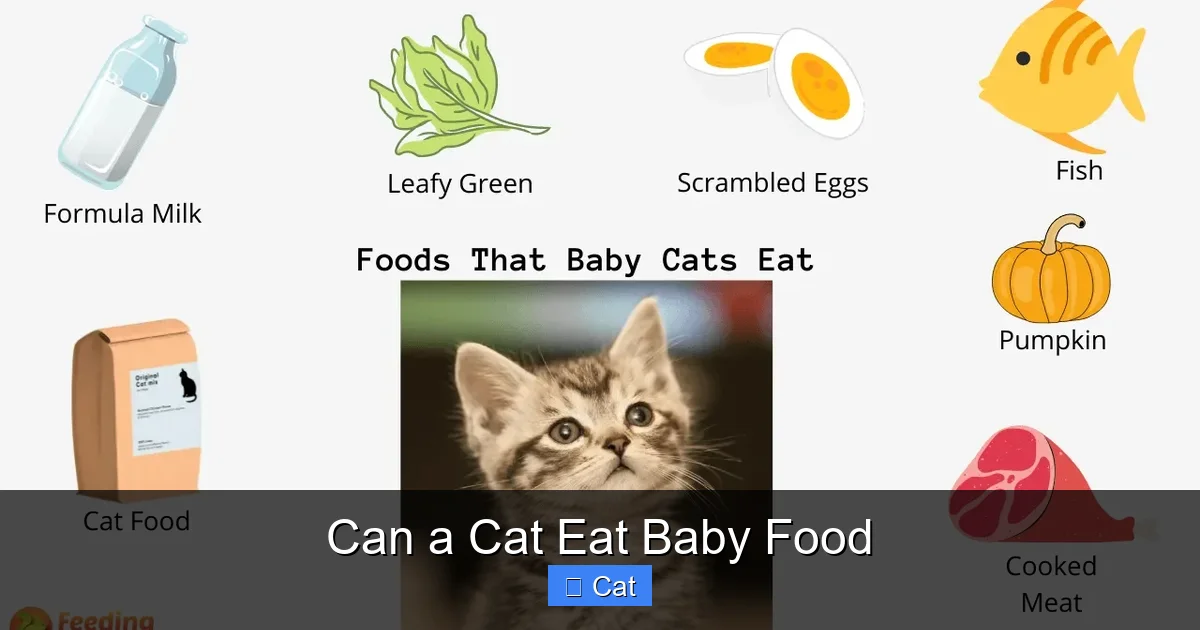
Visual guide about Can a Cat Eat Baby Food
Image source: feedingnature.com
Before diving into whether baby food is suitable, it’s essential to understand what cats truly need to stay healthy. Unlike dogs or humans, cats cannot synthesize certain nutrients on their own. This means they must obtain them directly from their food—primarily from animal sources.
Obligate Carnivores: Built for Meat
Cats are classified as obligate carnivores, meaning their bodies are biologically adapted to consume and digest meat. Their digestive systems are short and acidic, optimized for breaking down protein and fat rather than carbohydrates or plant matter. For example, cats lack the enzymes needed to efficiently process grains, fruits, or vegetables. Feeding them a diet high in plant-based ingredients can lead to malnutrition over time.
Critical Nutrients Only Found in Animal Tissue
One of the most vital nutrients for cats is taurine, an amino acid found almost exclusively in animal tissue. A deficiency can cause serious health problems, including blindness, heart disease, and reproductive issues. Similarly, cats need preformed vitamin A (retinol), which they can’t convert from beta-carotene like humans can. Arachidonic acid, an omega-6 fatty acid, is another must-have that only comes from animal fats.
Commercial cat foods are formulated to meet these exact requirements. Baby food, on the other hand, is designed for human infants—whose nutritional needs are entirely different. Even “organic” or “natural” baby food often lacks the right balance of nutrients for felines.
The Risks of Imbalanced Diets
Feeding your cat baby food as a regular meal can result in long-term health consequences. Without adequate taurine, for instance, your cat could develop dilated cardiomyopathy (a serious heart condition). Excess salt, sugar, or fillers in baby food may also strain their kidneys or contribute to obesity and diabetes.
This doesn’t mean baby food is inherently evil—it just means it shouldn’t be a staple. Think of it like giving your cat a piece of cheese: fine as an occasional treat, but disastrous as a main course.
When Is Baby Food Safe for Cats?
Now that we’ve established the importance of a species-appropriate diet, let’s explore when baby food might actually be beneficial—or at least harmless—for your cat.
Sick or Recovering Cats
One of the most common and valid uses for baby food is when your cat is unwell. Illness often suppresses appetite, and a cat that isn’t eating for more than 24–48 hours can develop hepatic lipidosis (fatty liver disease), a life-threatening condition. In these cases, offering strongly scented, easily digestible food like plain meat-based baby food can stimulate eating.
Veterinarians sometimes recommend baby food as a temporary appetite stimulant during recovery from surgery, dental work, or infections. The smooth texture is gentle on sore mouths, and the aroma of real meat can be irresistible to a lethargic kitty.
Picky Eaters or Transitioning Diets
Some cats are notoriously finicky. If you’re trying to switch your cat to a new food—whether due to allergies, age-related preferences, or medical reasons—baby food can act as a bridge. Mixing a small amount into their regular wet food can help them accept the new flavor gradually.
Similarly, kittens or senior cats with weakened teeth may struggle with dry kibble. Soft baby food offers a palatable alternative while you work on finding a long-term solution.
Hydration Support
Cats naturally have a low thirst drive, which makes them prone to urinary tract issues. Wet foods, including certain baby foods, can increase fluid intake. If your cat refuses water or wet cat food, a spoonful of pureed meat baby food might encourage them to consume more moisture—especially if warmed slightly to enhance aroma.
Emergency Situations
In rare cases, such as natural disasters or supply shortages, you might run out of cat food. While not ideal, plain meat baby food can serve as a short-term emergency ration—provided it meets safety criteria (more on that below). Never rely on it for more than a day or two without consulting a vet.
Which Baby Foods Are Safe—and Which to Avoid
Not all baby food is created equal, especially when it comes to feline safety. The key is scrutinizing the ingredient list like your cat’s life depends on it—because sometimes, it does.
Safe Ingredients: What to Look For
The safest baby foods for cats are single-ingredient, meat-based varieties with no added salt, sugar, onions, garlic, or spices. Ideal options include:
– Pureed chicken (stage 2 or 3)
– Pureed turkey
– Pureed beef
– Pureed lamb
These should list only the meat (and possibly water) as ingredients. For example: “Chicken, water.” That’s it. No “natural flavors,” “spices,” or “seasonings.”
Brands like Gerber, Beech-Nut, and Earth’s Best offer plain meat options, but always double-check the label—formulas can change.
Toxic Ingredients: What to Avoid at All Costs
Onion and garlic—even in tiny amounts—are highly toxic to cats. They contain compounds that damage red blood cells, leading to hemolytic anemia. Unfortunately, many baby food blends (especially “chicken and vegetable” or “beef and gravy”) include onion powder or garlic salt as flavor enhancers. Always avoid any product listing:
– Onion (powder, flakes, or pieces)
– Garlic (powder, granules, or cloves)
– Chives, leeks, or scallions
– Artificial sweeteners like xylitol (rare in baby food but still dangerous)
Even “mild” or “organic” versions can contain these harmful ingredients, so don’t assume safety based on branding alone.
Problematic Additives
Other ingredients to watch out for include:
– **Salt**: Excess sodium can stress kidneys and raise blood pressure.
– **Sugar or corn syrup**: Contributes to obesity and diabetes.
– **Thickeners like carrageenan**: May cause inflammation in some cats.
– **Mixed vegetables or fruits**: Cats can’t digest these efficiently and may suffer from diarrhea or gas.
For example, a jar labeled “Chicken & Sweet Potato” might seem wholesome, but sweet potato offers no nutritional benefit to cats and could upset their stomach. Stick to meat-only jars.
Homemade Baby Food: Proceed with Caution
You might think making baby food at home gives you full control—and it does. But unless you’re following a vet-approved recipe, homemade versions can still be risky. Raw meat poses bacterial risks (like Salmonella), and cooked meat without bones lacks calcium. Plus, without added taurine, even homemade purees fall short of a complete feline diet.
If you do make it at home, use cooked, unseasoned chicken or turkey, blend until smooth, and offer only as a temporary supplement—not a meal replacement.
How to Safely Feed Baby Food to Your Cat
If you’ve confirmed the baby food is safe, here’s how to introduce it properly to avoid digestive issues or overfeeding.
Start Small
Begin with just a teaspoon or less. Observe your cat for any signs of stomach upset, such as vomiting, diarrhea, or lethargy. Most cats tolerate plain meat baby food well, but individual sensitivities vary.
Serve at Room Temperature or Slightly Warm
Cold food smells less appealing to cats. Gently warming the baby food (never microwaving directly in the jar) enhances its aroma and makes it more enticing, especially for sick cats.
Use as a Topper, Not a Meal
Mix a small amount into your cat’s regular wet food to boost palatability. This ensures they still get their essential nutrients while enjoying the flavor boost.
Monitor Hydration and Appetite
If your cat is eating baby food due to illness, keep a close eye on their water intake and overall behavior. Lack of improvement after 24–48 hours warrants a vet visit.
Store Properly
Once opened, baby food should be refrigerated and used within 2–3 days. Discard any leftovers to prevent bacterial growth. Never leave it out at room temperature for more than an hour.
Transition Back to Regular Food
Once your cat is feeling better or no longer needs the supplement, gradually reduce the baby food over a few days to avoid digestive shock.
Myths and Misconceptions About Cats and Baby Food
Despite its popularity as a quick fix, several myths surround feeding baby food to cats. Let’s clear them up.
“All Baby Food Is Natural, So It’s Safe”
False. “Natural” doesn’t mean cat-safe. Many natural ingredients—like onions—are deadly to cats. Always read labels, not just marketing claims.
“If My Cat Likes It, It Must Be Healthy”
Cats can be drawn to high-fat or salty foods (even if toxic). Preference doesn’t equal nutritional value. Chocolate tastes good to humans too—but we know better than to eat it.
“Baby Food Is a Good Source of Taurine”
Not necessarily. While meat-based baby food contains some taurine, it’s not guaranteed or balanced. Only commercial cat foods are fortified to meet feline requirements.
“I Can Use Baby Food to Wean Kittens”
Kittens have even stricter nutritional needs than adult cats. Baby food lacks the right balance of calcium, phosphorus, and DHA for proper growth. Use kitten-specific formulas instead.
“A Little Onion Won’t Hurt”
Even small amounts of onion or garlic can accumulate and cause toxicity over time. There’s no safe threshold for these ingredients in cats.
Alternatives to Baby Food for Cats
If you’re looking for soft, appetizing foods that are actually designed for cats, consider these safer alternatives:
– **High-quality wet cat food**: Look for grain-free, meat-first recipes with added taurine.
– **Bone broth (cat-safe)**: Unsalted, onion-free broth can encourage hydration and appetite.
– **Cooked, unseasoned meats**: Small pieces of boiled chicken or turkey (without skin or bones) make great treats.
– **Prescription recovery diets**: Vets often recommend therapeutic foods for ill cats—these are nutritionally complete and easier to digest.
These options provide the nutrients your cat needs without the risks associated with human baby food.
When to Call the Vet
While baby food can be a helpful tool in specific situations, it’s not a substitute for professional care. Contact your veterinarian if:
– Your cat refuses to eat for more than 24 hours.
– They show signs of illness (vomiting, diarrhea, lethargy, difficulty breathing).
– You’re unsure whether a particular baby food is safe.
– Your cat has a chronic condition like kidney disease, diabetes, or hyperthyroidism.
Your vet can recommend appropriate appetite stimulants, hydration strategies, or specialized diets tailored to your cat’s health status.
Conclusion: Baby Food as a Tool, Not a Staple
So, can a cat eat baby food? The answer is a cautious yes—but with major caveats. Plain, meat-based baby food without harmful additives can be a useful short-term solution for sick, picky, or recovering cats. However, it should never replace a balanced, species-appropriate diet.
Always prioritize your cat’s unique nutritional needs over convenience or curiosity. Read labels carefully, avoid toxic ingredients, and use baby food sparingly and strategically. When in doubt, consult your veterinarian—they’re your best resource for keeping your feline friend healthy and happy.
Remember: just because something is safe for humans doesn’t mean it’s safe for cats. Your cat relies on you to make smart choices. With the right knowledge, you can use baby food wisely—without compromising their well-being.
Frequently Asked Questions
Can I feed my cat baby food every day?
No, baby food should not be fed daily. It lacks essential nutrients like taurine and arachidonic acid that cats need for long-term health. Use it only as a temporary supplement or treat.
Is Gerber baby food safe for cats?
Some Gerber meat-based baby foods are safe if they contain only pureed chicken, turkey, or beef with no onion, garlic, salt, or spices. Always check the ingredient list before feeding.
Can kittens eat baby food?
Kittens should not rely on baby food. Their growing bodies need precise ratios of protein, fat, calcium, and DHA found only in kitten-formulated foods. Baby food is not nutritionally complete for them.
What if my cat eats baby food with onion by accident?
Contact your vet immediately. Even small amounts of onion can cause anemia in cats. Watch for symptoms like weakness, pale gums, or lethargy and seek prompt medical attention.
Can I mix baby food with dry kibble?
Yes, but only in small amounts and with safe, meat-only baby food. Mixing can help soften kibble for senior cats or encourage eating, but ensure the majority of their diet remains balanced cat food.
Is homemade baby food better for cats?
Not necessarily. While you control the ingredients, homemade versions often lack essential nutrients and may pose bacterial risks if not handled properly. Stick to vet-approved recipes if making your own.