

While a small taste of dog food won’t seriously harm your cat, it’s not safe or healthy for regular consumption. Cats have unique dietary needs that dog food simply can’t meet, especially when it comes to protein, taurine, and other essential nutrients. Feeding your cat dog food long-term can lead to serious health problems.
Key Takeaways
- Dog food lacks essential nutrients cats need: Cats require taurine, arachidonic acid, vitamin A, and high-quality animal protein—nutrients often missing or insufficient in dog food.
- One accidental bite is usually fine: If your cat sneaks a few kibbles, don’t panic. A single serving won’t cause harm, but it shouldn’t become a habit.
- Long-term feeding is dangerous: Consistently eating dog food can lead to malnutrition, heart disease, vision problems, and urinary tract issues in cats.
- Cats are obligate carnivores: Unlike dogs, cats must eat meat to survive. Their bodies can’t synthesize certain nutrients from plant sources.
- Store pet food separately: Prevent accidental access by keeping dog and cat food in different areas and feeding at different times.
- Choose high-quality cat food: Always feed your cat a complete and balanced diet formulated specifically for feline nutritional needs.
- Consult your vet if concerned: If your cat has eaten dog food regularly or shows signs of illness, contact your veterinarian immediately.
📑 Table of Contents
- Can a Cat Eat Dog Food? The Short Answer
- Understanding the Nutritional Needs of Cats
- Why Dog Food Isn’t Designed for Cats
- What Happens If a Cat Eats Dog Food?
- How to Prevent Your Cat from Eating Dog Food
- What to Do If Your Cat Eats Dog Food
- Choosing the Right Food for Your Cat
- Conclusion: Keep Your Cat on a Cat-Safe Diet
Can a Cat Eat Dog Food? The Short Answer
If you’ve ever walked into your kitchen to find your curious cat nibbling from the dog’s bowl, you’re not alone. Many pet owners have faced this scenario—especially in multi-pet households. The immediate question that pops into your mind is: *Can a cat eat dog food?* The short answer is: **yes, but only in very small amounts and only as a rare accident.**
While a few kibbles won’t send your cat to the emergency room, dog food is not designed for feline physiology. Cats have very specific dietary requirements that differ significantly from those of dogs. Their bodies are built to thrive on a high-protein, meat-based diet, and they rely on certain nutrients that simply aren’t present in adequate amounts in dog food. Think of it like humans trying to survive on a diet of only bread and water—technically edible, but far from nutritious.
So, while your cat might find dog food tasty (especially if it’s flavored with liver or meat), it’s not a suitable replacement for their regular meals. In this article, we’ll dive deep into why dog food falls short for cats, what happens when they eat it, and how to keep your feline friend safe and healthy.
Understanding the Nutritional Needs of Cats
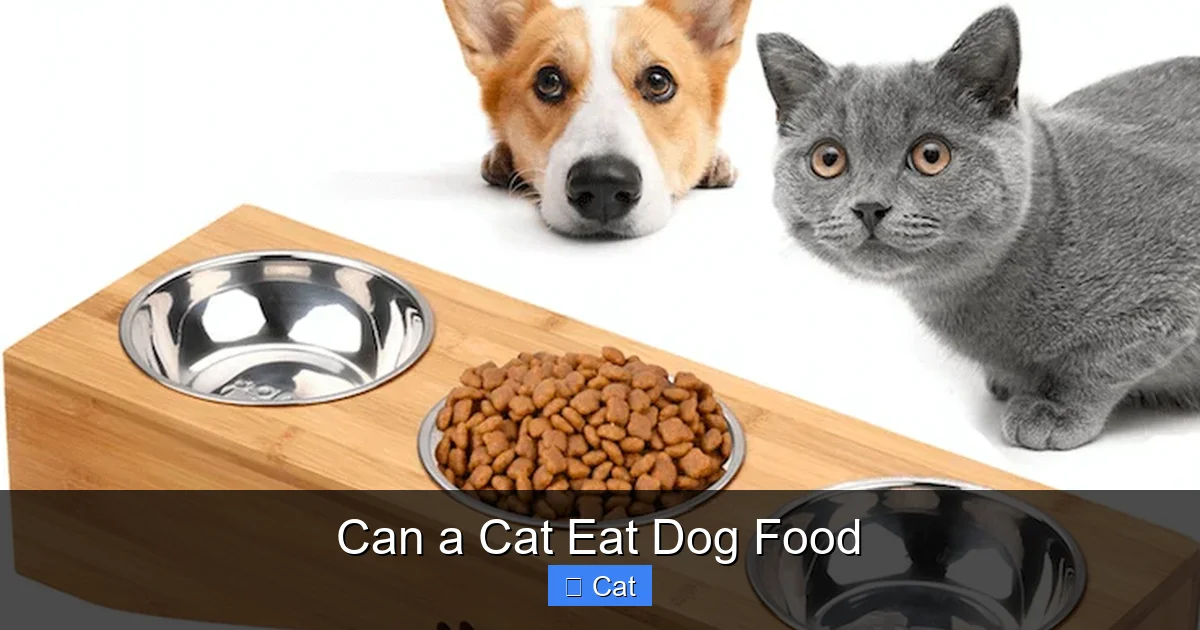
Visual guide about Can a Cat Eat Dog Food
Image source: dogsvets.com
To truly understand why dog food isn’t ideal for cats, we need to look at what makes feline nutrition so unique. Cats are **obligate carnivores**, which means their bodies are biologically designed to eat and digest meat. Unlike dogs, who are omnivores and can thrive on a more varied diet including grains and vegetables, cats must consume animal-based proteins to survive.
One of the most critical nutrients for cats is **taurine**, an amino acid found almost exclusively in animal tissue. Taurine is essential for heart health, vision, digestion, and reproductive function. Without enough taurine, cats can develop serious conditions like **dilated cardiomyopathy** (a heart disease) or **retinal degeneration**, which can lead to blindness. Unfortunately, dog food often contains little to no taurine because dogs can synthesize it from other amino acids—cats cannot.
Another key difference is **vitamin A**. Dogs can convert beta-carotene (found in plants like carrots) into vitamin A, but cats lack the enzyme needed for this conversion. They must get preformed vitamin A (retinol) directly from animal sources like liver. Dog food typically doesn’t include enough of this form of vitamin A to meet a cat’s needs.
Cats also require **arachidonic acid**, a fatty acid important for skin health, kidney function, and inflammation regulation. While dogs can make arachidonic acid from plant-based fats, cats must consume it directly from animal fats. Most dog foods don’t contain sufficient levels.
Finally, cats need higher levels of **protein** than dogs. Adult cats require about 26–30% protein in their diet, while adult dogs need only about 18–25%. This high protein demand supports muscle maintenance, energy, and overall metabolic function. Dog food simply doesn’t pack the same protein punch.
Why Dog Food Isn’t Designed for Cats
Now that we know what cats need, let’s look at why dog food fails to deliver. Dog food is formulated with canine biology in mind. Dogs are more flexible eaters—they can digest carbohydrates better, synthesize certain nutrients, and tolerate a wider range of ingredients. Cat food, on the other hand, is precision-engineered to meet the strict dietary demands of obligate carnivores.
One major issue is **protein quality and quantity**. While some dog foods are high in protein, they often use plant-based proteins like soy or corn gluten meal as fillers. These aren’t as bioavailable to cats as animal-based proteins. Even when dog food includes meat, it’s usually not enough to meet a cat’s needs over time.
Another problem is **fat content**. Cats need more fat in their diet than dogs, especially from animal sources. Dog food tends to have lower fat levels and may include plant-based oils that don’t provide the same benefits as animal fats.
Then there’s the issue of **taurine deficiency**. As mentioned earlier, taurine is non-negotiable for cats. Most quality cat foods are fortified with synthetic taurine to ensure adequate levels. Dog food manufacturers don’t add extra taurine because dogs don’t need it in the same way. Feeding your cat dog food long-term could lead to a dangerous deficiency.
Even the **kibble size and shape** can be a problem. Dog food kibble is often larger and harder, making it difficult for cats to chew and digest properly. This can lead to gastrointestinal upset, including vomiting or diarrhea.
What Happens If a Cat Eats Dog Food?
So, what’s the real risk if your cat sneaks a few bites of dog food? The answer depends on how much they eat and how often.
Short-Term Exposure: A Few Bites
If your cat accidentally eats a small amount of dog food—say, a few kibbles from the dog’s bowl—there’s usually no cause for alarm. Most cats will be just fine. You might notice mild digestive upset, such as soft stools or an upset stomach, but these symptoms typically resolve on their own within a day or two.
For example, imagine your cat jumps on the counter and steals a bite while you’re not looking. As long as it’s a one-time event, your cat’s body can handle it. Their digestive system is resilient, and a small amount of dog food won’t cause lasting damage.
Long-Term Feeding: A Serious Problem
The real danger comes when a cat eats dog food regularly—either because they’re sneaking it daily or because they’re being fed dog food intentionally (perhaps due to confusion or cost-saving). Over time, the nutritional gaps add up.
A cat fed dog food as their primary diet may begin to show signs of malnutrition. These can include:
– **Weight loss or poor muscle development** due to inadequate protein
– **Dull, flaky coat** from lack of essential fatty acids
– **Vision problems**, including night blindness, from taurine deficiency
– **Heart issues**, such as irregular heartbeat or heart enlargement
– **Urinary tract problems**, including crystals or infections, due to imbalanced minerals
– **Weakened immune system**, making them more prone to infections
In severe cases, long-term taurine deficiency can lead to **irreversible blindness** or **heart failure**. These are not minor issues—they can drastically reduce your cat’s quality of life and even be fatal.
Case Example: The Cat Who Ate Only Dog Food
Consider the story of Luna, a 3-year-old domestic shorthair. Her owner, who also had a dog, mistakenly fed her dog food for several weeks, thinking it was interchangeable. Luna began losing weight, her coat became dull, and she seemed lethargic. Her owner took her to the vet, where blood tests revealed low taurine levels and early signs of heart disease. With a switch to proper cat food and taurine supplements, Luna slowly recovered—but the experience was a wake-up call about the importance of species-specific nutrition.
How to Prevent Your Cat from Eating Dog Food
Prevention is always better than cure. If you have both cats and dogs, it’s essential to manage their feeding routines to avoid accidental consumption.
Feed Pets Separately
The most effective strategy is to feed your cat and dog in different rooms. Close the door to the dog’s eating area while the cat eats, and vice versa. This prevents the cat from sneaking in and stealing food.
Use Elevated Feeding Stations
Cats are natural climbers and feel safer eating off the ground. Consider using a cat feeding station on a counter, shelf, or cat tree. Dogs usually can’t reach these heights, so your cat can eat in peace.
Feed at Different Times
Instead of free-feeding (leaving food out all day), try scheduled meals. Feed your dog first, then remove the bowl. Wait a few minutes, then feed your cat. This reduces the chance of your cat accessing dog food while it’s still available.
Choose Cat-Safe Bowls and Locations
Place your cat’s food in a quiet, low-traffic area where the dog can’t easily reach it. Avoid placing cat food near the dog’s bowl or in areas where the dog spends a lot of time.
Supervise Meal Times
If possible, stay nearby during feeding times to monitor your pets. This allows you to intervene if your cat tries to steal food or if your dog becomes aggressive.
Use Puzzle Feeders or Slow Feeders
For dogs who eat quickly, puzzle feeders can slow them down and keep them occupied. This gives your cat time to eat without interference.
What to Do If Your Cat Eats Dog Food
Despite your best efforts, accidents happen. If you catch your cat eating dog food, here’s what to do:
Stay Calm
Don’t panic. A few kibbles won’t harm your cat. Scolding or chasing them may cause stress, which is worse than the food itself.
Monitor for Symptoms
Watch your cat for the next 24–48 hours. Look for signs of digestive upset, such as vomiting, diarrhea, lethargy, or loss of appetite. If symptoms persist or worsen, contact your vet.
Offer Fresh Water
Make sure your cat has access to clean, fresh water. This helps flush out any indigestible ingredients and keeps them hydrated.
Return to Normal Feeding
Resume your cat’s regular diet as soon as possible. Offer their usual high-quality cat food to restore proper nutrition.
Consult Your Veterinarian if Needed
If your cat has eaten a large amount of dog food, or if they’ve been eating it regularly, call your vet. They may recommend a check-up, blood tests, or supplements to address any deficiencies.
Choosing the Right Food for Your Cat
The best way to keep your cat healthy is to feed them a diet specifically formulated for felines. Look for cat food that meets the standards set by the **Association of American Feed Control Officials (AAFCO)**. These foods are tested to ensure they provide complete and balanced nutrition.
Read the Ingredients List
High-quality cat food should list a named animal protein (like chicken, turkey, or salmon) as the first ingredient. Avoid foods with excessive fillers like corn, wheat, or soy.
Check for Taurine and Other Key Nutrients
Make sure the food contains added taurine, arachidonic acid, and vitamin A. These should be listed in the guaranteed analysis or ingredient list.
Consider Life Stage and Health Needs
Kittens, adult cats, and seniors have different nutritional requirements. Choose a food appropriate for your cat’s age, weight, and health status. For example, senior cats may benefit from lower phosphorus levels to support kidney health.
Wet vs. Dry Food
Both wet and dry cat food can be healthy, but wet food has higher moisture content, which is great for hydration and urinary health. Many experts recommend a mix of both.
Transition Gradually
If you’re switching your cat’s food, do it slowly over 7–10 days. Mix increasing amounts of the new food with the old to avoid digestive upset.
Conclusion: Keep Your Cat on a Cat-Safe Diet
So, can a cat eat dog food? Technically, yes—but only in tiny amounts and only by accident. Dog food is not nutritionally adequate for cats and can lead to serious health problems if consumed regularly. Cats have unique dietary needs that require high-quality animal protein, taurine, vitamin A, and other essential nutrients that dog food simply doesn’t provide.
The good news is that preventing your cat from eating dog food is easy with a few simple strategies: feed pets separately, use elevated stations, and supervise meal times. And if your cat does sneak a bite, don’t panic—just get them back on their proper diet and monitor for any issues.
Your cat depends on you to make the right choices for their health. By feeding them a balanced, species-appropriate diet, you’re giving them the best chance at a long, happy, and healthy life. After all, they’re not just pets—they’re family.
Frequently Asked Questions
Can a cat eat dog food in an emergency?
Yes, but only as a very short-term solution. If you’re out of cat food and can’t get more immediately, a small amount of dog food won’t harm your cat for a day or two. However, replace it with proper cat food as soon as possible to avoid nutritional deficiencies.
Will my cat get sick from eating dog food once?
It’s unlikely. A single accidental serving of dog food usually causes no serious harm. Your cat might have mild digestive upset, but most recover quickly. Watch for vomiting or diarrhea, and contact your vet if symptoms persist.
Can kittens eat dog food?
No, kittens should never eat dog food. They have even higher protein and nutrient needs than adult cats. Feeding kitten dog food can stunt growth, cause developmental issues, and lead to life-threatening deficiencies.
Is wet dog food safer for cats than dry?
Not really. While wet dog food has more moisture, it still lacks the essential nutrients cats need. The form (wet or dry) doesn’t change the fact that dog food isn’t formulated for feline biology.
How long can a cat survive on dog food?
A cat might survive for a few weeks on dog food, but they will become malnourished. Within days, taurine deficiency can begin affecting their heart and eyes. Long-term survival is unlikely without serious health consequences.
What should I do if my cat keeps eating dog food?
First, feed your pets in separate rooms and at different times. Use elevated feeding stations for your cat and supervise meals. If the behavior continues, consult your vet to rule out underlying health issues like pica or nutritional deficiencies.