

Yes, a cat can eat dry food only, but it may not be the healthiest long-term choice. While convenient and cost-effective, dry food lacks moisture and can contribute to urinary and kidney issues if not balanced properly.
Key Takeaways
- Dry food is safe in moderation: Cats can survive on dry food alone, but it shouldn’t be their sole diet long-term without careful monitoring.
- Hydration is critical: Dry food contains only 5–10% water, far less than a cat’s natural prey-based diet, increasing the risk of dehydration.
- Urinary health risks: Low moisture intake is linked to urinary tract infections, crystals, and kidney disease in cats.
- Quality matters: Not all dry foods are equal—choose high-protein, low-carb, and grain-free options with real meat as the first ingredient.
- Portion control and activity: Dry food is calorie-dense, so overfeeding can lead to obesity, especially in less active indoor cats.
- Supplement with wet food: Mixing in wet food boosts hydration and mimics a more natural diet, improving overall health.
- Veterinary guidance is essential: Always consult your vet before making long-term dietary changes, especially for senior or health-compromised cats.
📑 Table of Contents
- Can a Cat Eat Dry Food Only? Understanding the Basics
- The Pros and Cons of a Dry Food-Only Diet
- How Dry Food Affects a Cat’s Hydration and Urinary Health
- Nutritional Quality: What to Look for in Dry Cat Food
- Can Dry Food Lead to Obesity and Other Health Issues?
- Alternatives and Supplements: Should You Mix Wet and Dry Food?
- When Dry Food-Only Might Be Necessary
- Final Thoughts: Making the Best Choice for Your Cat
Can a Cat Eat Dry Food Only? Understanding the Basics
If you’re a cat parent, you’ve probably wondered: Can a cat eat dry food only? It’s a common question, especially for busy pet owners who appreciate the convenience of kibble. Dry cat food is shelf-stable, easy to store, and allows for free-feeding—leaving a bowl out all day so your cat can graze. But while it’s practical, is it truly the best choice for your feline friend?
The short answer is yes—cats can survive on dry food alone. Many cats do, and they appear healthy on the surface. But survival isn’t the same as thriving. Cats are obligate carnivores, meaning their bodies are designed to get most of their nutrition—and especially their hydration—from animal-based proteins and moisture-rich prey. In the wild, a cat eating small rodents would consume a diet that’s about 70% water. Dry food, by contrast, contains only 5–10% moisture. That’s a huge difference.
So while your cat might not immediately suffer from eating only kibble, over time, the lack of water and potential imbalance in nutrients could lead to health problems. The key is understanding what dry food provides, what it lacks, and how to make it work—safely—as part of your cat’s diet.
The Pros and Cons of a Dry Food-Only Diet
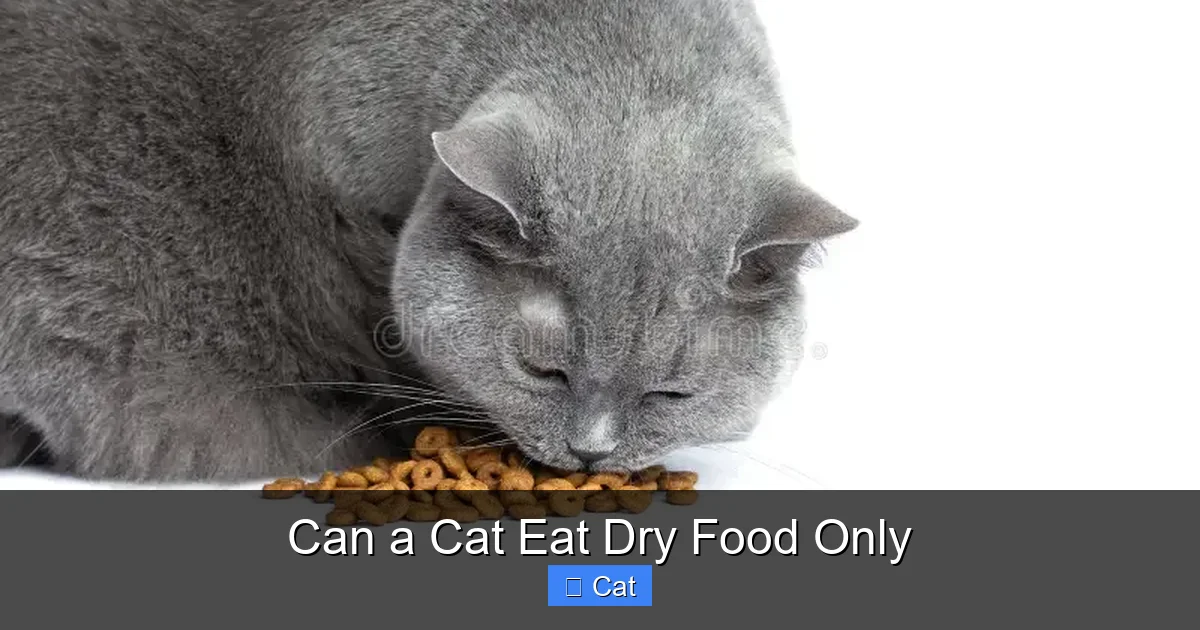
Visual guide about Can a Cat Eat Dry Food Only
Image source: thumbs.dreamstime.com
Let’s be honest: dry food has its perks. It’s affordable, convenient, and widely available. But like any diet, it comes with trade-offs. Understanding both sides will help you make an informed decision for your cat.
Advantages of Dry Food
One of the biggest benefits of dry food is convenience. You can buy it in bulk, store it for months, and leave it out without worrying about spoilage. This makes it ideal for free-feeding, especially if you have a cat who likes to nibble throughout the day. Dry food is also generally more cost-effective than wet food, which can add up quickly if you have multiple cats.
Another advantage is dental health—or at least, the perception of it. Some dry foods are marketed as “dental diets” with kibble shapes designed to reduce plaque and tartar. While the evidence is mixed, there’s some truth to the idea that chewing crunchy kibble can help scrape away debris. However, it’s not a substitute for regular dental care like brushing or professional cleanings.
Dry food is also nutrient-dense and shelf-stable, making it a reliable option during travel or emergencies. And let’s not forget: many cats simply love the taste and texture of their favorite kibble.
Disadvantages of Dry Food
Despite its benefits, dry food has significant drawbacks—especially when it’s the only thing in your cat’s diet. The biggest concern is hydration. Cats have a low thirst drive to begin with. They evolved in arid environments where they got most of their water from prey. When they eat dry food, they don’t naturally compensate by drinking more water, which can lead to chronic low-level dehydration.
This dehydration is a major risk factor for urinary tract issues. Conditions like feline lower urinary tract disease (FLUTD), urinary crystals, and even kidney disease are more common in cats on dry food-only diets. A study published in the Journal of Feline Medicine and Surgery found that cats fed wet food had a lower incidence of urinary problems compared to those on dry food.
Another issue is carbohydrate content. Many dry foods contain high levels of grains, starches, and fillers like corn, wheat, or soy. While cats can digest some carbohydrates, they don’t need them in large amounts. Excess carbs can contribute to obesity, diabetes, and digestive issues.
Finally, dry food is often highly processed. The extrusion process used to make kibble involves high heat and pressure, which can degrade sensitive nutrients like vitamins and amino acids. Some brands add synthetic supplements to compensate, but it’s not the same as getting nutrients from whole, fresh ingredients.
How Dry Food Affects a Cat’s Hydration and Urinary Health
Hydration is one of the most overlooked aspects of feline nutrition—and it’s especially critical when feeding dry food. Cats are not big drinkers. In the wild, they get about 70% of their water from prey. Domestic cats eating dry food get only 5–10% of their moisture from food, forcing them to rely almost entirely on drinking water.
But here’s the problem: cats don’t have a strong thirst instinct. Unlike dogs or humans, they don’t feel the need to drink water just because they’re dehydrated. This means that even if water is available, many cats won’t drink enough to compensate for the lack of moisture in their food.
Over time, this can lead to chronic dehydration. And chronic dehydration is a major contributor to urinary and kidney problems. The urine becomes more concentrated, which increases the risk of crystal formation in the bladder and urethra. These crystals can cause painful blockages, especially in male cats, and may require emergency veterinary care.
Kidney disease is another serious concern. Cats are prone to chronic kidney disease (CKD), especially as they age. While genetics and other factors play a role, diet is a significant contributor. A study from the University of California, Davis, found that cats fed wet food had better kidney function and lived longer than those on dry food.
Even if your cat seems fine now, the effects of low moisture intake can build up over years. It’s like running a car with low coolant—everything might seem okay for a while, but eventually, the engine overheats.
Practical Tips to Improve Hydration
If you’re feeding dry food, there are ways to help your cat stay hydrated:
– Use a water fountain: Many cats prefer running water. A pet water fountain can encourage drinking.
– Place multiple water bowls around the house: Put them in quiet, low-traffic areas away from food and litter boxes.
– Add water or broth to dry food: Mixing in a little warm water or low-sodium chicken broth can increase moisture intake.
– Offer ice cubes as a treat: Some cats enjoy batting around and licking ice cubes.
– Switch to wet food occasionally: Even one wet meal a day can make a big difference.
Nutritional Quality: What to Look for in Dry Cat Food
Not all dry food is created equal. If you’re going to feed kibble—especially as the main diet—you need to choose wisely. The quality of ingredients can mean the difference between a healthy cat and one with long-term health issues.
Ingredients to Prioritize
Start by looking at the ingredient list. The first ingredient should be a high-quality animal protein, like chicken, turkey, or fish. Avoid foods that list “meat by-products” or “animal digest” as the primary ingredient—these are lower-quality protein sources.
Cats need taurine, an essential amino acid found only in animal tissue. Without enough taurine, they can develop heart disease, blindness, and immune problems. Make sure taurine is listed in the ingredients or guaranteed analysis.
Fat is also important. Look for named fat sources like chicken fat or salmon oil, which provide essential fatty acids for skin, coat, and brain health. Avoid vague terms like “animal fat.”
Ingredients to Avoid
Steer clear of fillers and artificial additives. Corn, wheat, soy, and rice are common fillers that add bulk but little nutritional value. They can also trigger allergies or digestive upset in sensitive cats.
Artificial colors, flavors, and preservatives like BHA, BHT, and ethoxyquin are unnecessary and potentially harmful. Natural preservatives like mixed tocopherols (vitamin E) are safer alternatives.
High carbohydrate content is another red flag. While some carbs are okay, dry food should not be loaded with grains or starches. A good rule of thumb: if grains or potatoes appear in the first five ingredients, consider a different brand.
AAFCO and Nutritional Adequacy
Check the label for an AAFCO (Association of American Feed Control Officials) statement. This tells you whether the food meets minimum nutritional standards for a cat’s life stage (kitten, adult, senior). Look for phrases like “complete and balanced” or “formulated to meet the nutritional levels established by the AAFCO Cat Food Nutrient Profiles.”
However, AAFCO standards are minimums—not ideals. A food can meet AAFCO requirements and still be low in moisture and high in fillers. Use the statement as a starting point, not the final word.
Top Dry Food Brands to Consider
Some reputable brands that offer high-quality dry food include:
– Wellness CORE: Grain-free, high-protein, with real meat as the first ingredient.
– Blue Buffalo Wilderness: Rich in animal protein and free from artificial additives.
– Hill’s Science Diet: Veterinarian-recommended, with options for specific health needs.
– Purina Pro Plan: Offers a range of formulas, including high-protein and urinary health options.
– Orijen: Biologically appropriate, with fresh regional ingredients and low carbohydrates.
Always transition slowly when switching foods to avoid digestive upset. Mix the new food with the old over 7–10 days, gradually increasing the proportion.
Can Dry Food Lead to Obesity and Other Health Issues?
Yes—dry food can contribute to obesity, especially in indoor cats. Kibble is calorie-dense and easy to overfeed. Many cat owners free-feed, leaving a bowl of dry food out all day. While this works for some cats, others will eat more than they need, leading to weight gain.
Obesity in cats is a serious problem. It increases the risk of diabetes, arthritis, heart disease, and a shorter lifespan. According to the Association for Pet Obesity Prevention, over 60% of cats in the U.S. are overweight or obese.
Why Dry Food Promotes Overeating
Dry food is highly palatable and easy to eat quickly. Unlike wet food, which is more filling due to its water content, kibble doesn’t expand in the stomach. This means cats can eat large amounts without feeling full.
Additionally, dry food is often high in carbohydrates, which can spike blood sugar and lead to hunger soon after eating. This creates a cycle of constant snacking.
Signs Your Cat May Be Overweight
– You can’t feel their ribs easily.
– They have a rounded belly or “fat pad” over the ribs.
– They struggle to groom certain areas.
– They’re less active or avoid jumping.
If you suspect your cat is overweight, talk to your vet. They can help you create a weight-loss plan that includes portion control, increased activity, and possibly a switch to a lower-calorie diet.
Tips for Managing Weight on Dry Food
– Measure meals: Use a measuring cup to feed the correct amount based on your cat’s weight and activity level.
– Use puzzle feeders: Slow down eating and add mental stimulation.
– Limit treats: Treats should make up no more than 10% of daily calories.
– Increase playtime: Use toys like feather wands or laser pointers to encourage movement.
– Consider a weight-management formula: Some dry foods are designed to be lower in calories and higher in fiber.
Alternatives and Supplements: Should You Mix Wet and Dry Food?
The best diet for most cats is a combination of wet and dry food. This approach gives you the convenience of kibble while providing the hydration and nutrition benefits of wet food.
Benefits of a Mixed Diet
Wet food has a moisture content of 70–80%, which closely mimics a cat’s natural diet. Feeding wet food—even just once a day—can significantly improve hydration and reduce the risk of urinary issues.
It’s also typically higher in protein and lower in carbohydrates than dry food. Many wet foods use real meat, organs, and broth, making them more biologically appropriate.
Mixing wet and dry food can also help with picky eaters. Some cats prefer the texture of kibble, while others love the smell and taste of wet food. Offering both gives them variety and ensures they’re getting a balanced diet.
How to Transition to a Mixed Diet
If your cat has only eaten dry food, introduce wet food gradually. Start by offering a small amount as a topper or treat. Mix it with their kibble, or serve it in a separate bowl.
Choose a high-quality wet food with real meat and no fillers. Pâté-style foods are often easier to transition to than chunks in gravy.
Be patient—some cats take weeks to accept new food. If your cat refuses wet food, try warming it slightly (to body temperature) or adding a little warm water to enhance the aroma.
Sample Feeding Schedule
Here’s an example of a balanced daily feeding plan:
– Morning: 1/3 can of wet food + 1/4 cup dry food
– Evening: 1/3 can of wet food + 1/4 cup dry food
– Throughout the day: Fresh water available at all times
Adjust portions based on your cat’s weight, age, and activity level. Your vet can help you determine the right amount.
When Dry Food-Only Might Be Necessary
There are situations where a dry food-only diet might be the only option—at least temporarily.
Medical Reasons
Some cats have dental issues that make chewing wet food difficult. Others may have digestive sensitivities that respond better to a consistent, easily digestible kibble. In these cases, your vet may recommend a specific dry food formula.
Financial or Logistical Constraints
Wet food is more expensive and perishable. If you’re on a tight budget or live in an area with limited access to fresh pet food, dry food may be the only practical choice.
Multi-Cat Households
In homes with multiple cats, feeding wet food can be challenging. Some cats eat too fast, while others are shy or territorial. Dry food allows for free-feeding and reduces mealtime stress.
Even in these situations, try to supplement with wet food when possible—even once a week can make a difference.
Final Thoughts: Making the Best Choice for Your Cat
So, can a cat eat dry food only? Yes—but it’s not ideal for long-term health. While dry food is convenient and affordable, it falls short in providing the moisture and high-quality nutrition that cats need to thrive.
The best approach is to use dry food as part of a balanced diet, not the entire diet. Supplement with wet food to boost hydration, improve urinary health, and provide variety. Choose high-quality kibble with real meat, low carbs, and no artificial additives. And always monitor your cat’s weight, water intake, and overall health.
Remember, every cat is different. What works for one may not work for another. The most important thing is to stay informed, observe your cat’s behavior and health, and consult your veterinarian regularly.
Your cat depends on you to make the best choices for their well-being. With the right diet, plenty of love, and regular vet care, they can live a long, healthy, and happy life—whether they’re nibbling kibble or lapping up a delicious wet food meal.
Frequently Asked Questions
Can a cat survive on dry food only?
Yes, a cat can survive on dry food only, but it may not thrive. Dry food lacks moisture and can lead to dehydration and urinary issues over time.
Is dry food bad for cats?
Dry food isn’t inherently bad, but it shouldn’t be the sole diet long-term. It’s low in moisture and often high in carbs, which can contribute to health problems.
How often should I feed my cat wet food if I mostly feed dry?
Even one wet meal per day can significantly improve hydration. Aim for at least 2–3 wet meals per week as a minimum.
Can dry food cause urinary problems in cats?
Yes, the low moisture content in dry food is a major risk factor for urinary tract infections, crystals, and kidney disease in cats.
What should I look for on a dry cat food label?
Look for real meat as the first ingredient, low carbohydrates, no artificial additives, and an AAFCO statement confirming nutritional adequacy.
Can I mix wet and dry food for my cat?
Absolutely! Mixing wet and dry food provides hydration, variety, and balanced nutrition. It’s one of the best ways to support overall feline health.