
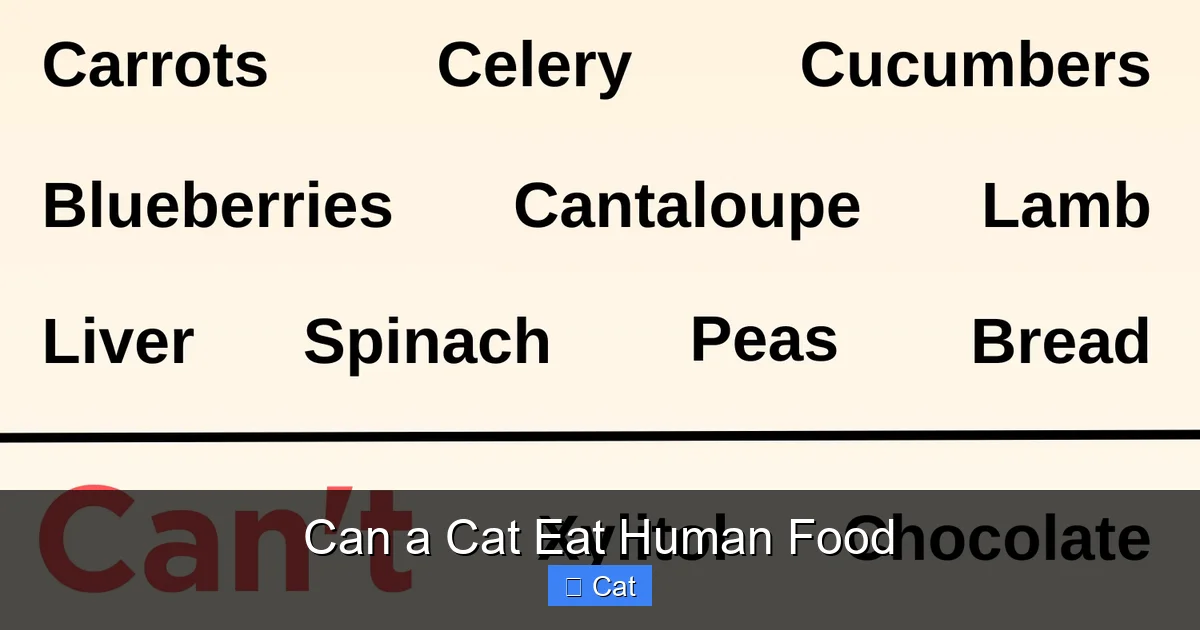
Yes, cats can eat some human foods—but not all. While small amounts of cooked chicken, eggs, or plain vegetables are safe, many common foods like chocolate, onions, and garlic are toxic. Always check before sharing your meal.
Key Takeaways
- Not all human food is safe for cats: Many everyday foods like chocolate, onions, and grapes can be toxic and even life-threatening to felines.
- Small portions are key: Even safe human foods should only be given as occasional treats, not replacements for balanced cat food.
- Cooked, plain, and unseasoned is best: Avoid spices, oils, salt, and sauces when offering human food to your cat.
- Protein-rich foods are ideal: Cats are obligate carnivores, so lean meats like chicken, turkey, and fish (cooked and boneless) are great options.
- Watch for allergies or digestive upset: Introduce new foods slowly and monitor your cat for vomiting, diarrhea, or lethargy.
- When in doubt, ask your vet: Always consult your veterinarian before introducing new foods, especially if your cat has health conditions.
- Hydration matters: Wet human foods like plain tuna in water can help increase water intake, but avoid oil-packed or flavored versions.
📑 Table of Contents
- Can a Cat Eat Human Food? The Truth Behind Sharing Your Meal
- Understanding Your Cat’s Dietary Needs
- Safe Human Foods Your Cat Can Enjoy
- Foods That Are Toxic or Dangerous for Cats
- How to Safely Introduce Human Food to Your Cat
- When to Call the Vet
- Healthy Alternatives to Human Food
- Conclusion: Sharing with Care
Can a Cat Eat Human Food? The Truth Behind Sharing Your Meal
You’re sitting at the dinner table, enjoying a juicy piece of grilled chicken, and your cat is staring at you with those big, pleading eyes. It’s hard to resist. But before you slip them a bite, it’s important to ask: *Can a cat eat human food?*
The short answer is: **yes, but with major caveats.** While cats can safely enjoy certain human foods in moderation, many of the things we eat daily can be harmful—or even deadly—to our feline friends. Unlike dogs, who are omnivores and can digest a wider variety of foods, cats are obligate carnivores. This means their bodies are designed to thrive on a meat-based diet, and they have specific nutritional needs that human food often can’t meet.
Still, that doesn’t mean you have to keep your plate completely off-limits. With the right knowledge, you can share safe, healthy treats with your cat without risking their health. The key is knowing what’s safe, what’s dangerous, and how much is too much. In this guide, we’ll walk you through everything you need to know about feeding your cat human food—from the best options to the ones you should never, ever give them.
Understanding Your Cat’s Dietary Needs

Visual guide about Can a Cat Eat Human Food
Image source: evangersdogfood.com
Before diving into what human foods are safe, it’s crucial to understand what cats actually need to eat. Cats aren’t just small versions of us—they have unique digestive systems and nutritional requirements that differ significantly from humans and even other pets like dogs.
Obligate Carnivores: What It Means
Cats are classified as *obligate carnivores*, which means they must eat meat to survive. Their bodies can’t produce certain essential nutrients on their own, so they must get them from animal sources. For example, cats need taurine—an amino acid found only in animal tissue. Without enough taurine, cats can develop serious health issues like heart disease and vision problems.
They also require high levels of protein and fat, and they have a limited ability to process carbohydrates. While a little bit of plant matter won’t hurt, too much can lead to digestive upset or nutritional imbalances.
What’s in Commercial Cat Food?
High-quality commercial cat food is formulated to meet all of these needs. It contains the right balance of protein, fats, vitamins, and minerals—including taurine, arachidonic acid, and vitamin A—that cats can’t synthesize themselves.
When you consider giving your cat human food, remember: it should *supplement*, not replace, their regular diet. Even the healthiest human food won’t provide the complete nutrition your cat needs long-term.
Portion Control and Frequency
Another important factor is portion size. Cats are small animals with modest caloric needs—usually between 200 and 300 calories per day, depending on their size and activity level. A single bite of cheese or a piece of chicken might seem harmless, but over time, these extras can add up and lead to obesity, diabetes, or other health problems.
As a general rule, treats—including safe human foods—should make up no more than 10% of your cat’s daily caloric intake. That means if your cat eats 250 calories a day, treats should be limited to about 25 calories.
Safe Human Foods Your Cat Can Enjoy
Now for the good news: there are several human foods that are not only safe for cats but can even be beneficial when given in moderation. These foods are typically lean, cooked, and free of added seasonings, oils, or sauces.
Cooked Lean Meats
Meat is a natural fit for cats, and many cooked, unseasoned meats are safe and healthy treats. Great options include:
– **Chicken** (skinless, boneless, and well-cooked)
– **Turkey** (plain, no skin or bones)
– **Lean beef** (cooked thoroughly, no seasoning)
– **Pork** (in small amounts, well-cooked)
These meats are rich in protein and can be a tasty way to reward your cat or add variety to their diet. Just make sure they’re cooked thoroughly to kill any harmful bacteria like salmonella or E. coli. Never feed raw meat unless it’s specifically designed for pets and handled safely.
Fish (in Moderation)
Fish is another protein-rich option that many cats love. Cooked salmon, tuna, or whitefish can be given as an occasional treat. However, there are a few important caveats:
– **Avoid raw fish**, which can contain parasites and bacteria.
– **Limit tuna**, especially tuna in oil or with added salt. Too much tuna can lead to mercury poisoning or a condition called steatitis (inflammation of body fat).
– **Remove all bones**, which can pose a choking hazard or cause internal injuries.
Canned tuna in water (not oil or brine) can be given occasionally, but it shouldn’t become a regular part of your cat’s diet.
Eggs
Cooked eggs—scrambled, boiled, or poached—are safe and nutritious for cats. They’re high in protein and contain essential amino acids. Just like meat, eggs should be cooked thoroughly and served plain, with no butter, oil, salt, or seasoning.
Avoid raw eggs, as they can carry salmonella and contain a protein called avidin that interferes with biotin (a B vitamin) absorption.
Vegetables (in Small Amounts)
While cats don’t need vegetables in their diet, some can be safe in tiny quantities. These should be cooked and mashed or pureed to make them easier to digest. Safe options include:
– **Cooked carrots** (soft and mashed)
– **Steamed green beans**
– **Cooked pumpkin** (plain, not pie filling)
Pumpkin, in particular, can help with digestion and is often recommended for cats with constipation or hairballs. Just a teaspoon or two mixed into their food is plenty.
Dairy (with Caution)
Many cats love the taste of milk, cheese, or yogurt—but most are actually lactose intolerant. Adult cats lose the enzyme needed to digest lactose, the sugar in milk, which can lead to diarrhea, gas, or stomach upset.
If you do want to give your cat dairy, opt for small amounts of:
– **Hard cheeses** (like cheddar or mozzarella), which are lower in lactose
– **Plain, unsweetened yogurt** (in tiny quantities)
Never give your cat milk, cream, or ice cream. And always introduce dairy slowly to see how your cat reacts.
Foods That Are Toxic or Dangerous for Cats
While some human foods are safe, many are extremely dangerous—even in small amounts. It’s essential to know which foods to avoid at all costs.
Chocolate and Caffeine
Chocolate contains theobromine and caffeine, both of which are toxic to cats. These compounds can cause vomiting, diarrhea, rapid breathing, seizures, and even death. Dark chocolate and baking chocolate are especially dangerous because they contain higher concentrations of theobromine.
Coffee, tea, energy drinks, and other caffeinated products should also be kept far away from cats.
Onions, Garlic, and Chives
All members of the *Allium* family—onions, garlic, leeks, and chives—are toxic to cats. They contain compounds that damage red blood cells, leading to anemia. This applies to all forms: raw, cooked, powdered, or dehydrated.
Even small amounts, like a bit of onion powder in soup or garlic in a sauce, can be harmful over time. Symptoms of toxicity include weakness, pale gums, and dark urine.
Grapes and Raisins
Grapes and raisins can cause acute kidney failure in cats, even in small quantities. The exact toxin isn’t known, but the effects can be severe and life-threatening. Avoid giving your cat any food containing grapes or raisins, including trail mix, baked goods, or fruit salads.
Alcohol
Alcohol is extremely dangerous for cats. Even a small amount—like a lick of beer or wine—can cause vomiting, diarrhea, difficulty breathing, coma, or death. Never let your cat near alcoholic beverages.
Xylitol (Artificial Sweetener)
Xylitol is a sugar substitute found in sugar-free gum, candies, baked goods, and some peanut butter. It causes a rapid release of insulin in cats, leading to hypoglycemia (low blood sugar), seizures, liver failure, and death. Always check ingredient labels and keep xylitol-containing products out of reach.
Bones and Fat Trimmings
Cooked bones—especially from poultry—can splinter and cause choking, intestinal blockages, or internal injuries. Fat trimmings from meat can also lead to pancreatitis, a painful and potentially fatal inflammation of the pancreas.
How to Safely Introduce Human Food to Your Cat
If you’ve decided to share a safe human food with your cat, it’s important to do it the right way. Here’s how to minimize risks and keep your cat healthy.
Start Small
When introducing a new food, offer just a tiny amount—about the size of a pea. Wait 24 to 48 hours to see if your cat has any adverse reactions, such as vomiting, diarrhea, or lethargy. If they tolerate it well, you can offer it again in small portions.
Serve Plain and Cooked
Always cook the food thoroughly and serve it plain. Avoid adding salt, butter, oil, garlic, onions, or other seasonings. These can be harmful or upset your cat’s stomach.
For example, instead of giving your cat a piece of pizza, offer a small bite of plain, cooked chicken from the same meal.
Monitor for Allergies
Just like humans, cats can have food allergies. Common signs include itchy skin, ear infections, vomiting, or diarrhea. If you notice any of these symptoms after introducing a new food, stop feeding it and consult your vet.
Use as a Treat, Not a Meal
Remember, human food should never replace your cat’s regular meals. It’s meant to be an occasional treat, not a dietary staple. Overfeeding human food can lead to obesity, nutritional imbalances, and picky eating habits.
Store Food Safely
If you’re preparing food for your cat, store it properly to avoid bacterial growth. Keep cooked meats and vegetables in the refrigerator and use them within a few days. Never leave human food out for your cat to graze on.
When to Call the Vet
Even with the best intentions, accidents can happen. If you suspect your cat has eaten something toxic or is showing signs of illness after eating human food, contact your veterinarian immediately.
Symptoms of Food Toxicity
Watch for these warning signs:
– Vomiting or diarrhea
– Lethargy or weakness
– Loss of appetite
– Difficulty breathing
– Seizures or tremors
– Pale or yellow gums
– Excessive drooling
If your cat shows any of these symptoms, don’t wait—seek veterinary care right away. Bring a sample of the food they ate, if possible, to help with diagnosis.
Emergency Situations
In cases of suspected chocolate, xylitol, or onion ingestion, time is critical. Call your vet or an emergency animal poison control hotline (like the ASPCA Animal Poison Control Center) immediately. They can guide you on whether to induce vomiting or bring your cat in for treatment.
Healthy Alternatives to Human Food
If you’re looking to treat your cat without risking their health, there are plenty of safe, vet-approved alternatives to human food.
Commercial Cat Treats
High-quality cat treats are formulated to be safe and nutritious. Look for brands that list real meat as the first ingredient and avoid fillers like corn, soy, or artificial preservatives.
Freeze-Dried Meat Treats
These are a great option because they’re made from pure meat with no added ingredients. They’re lightweight, easy to store, and most cats love them. Just make sure they’re specifically made for cats.
Interactive Feeders and Puzzle Toys
Instead of giving food, consider using puzzle toys or treat-dispensing balls. These encourage mental stimulation and slow down eating, which can help prevent obesity.
Homemade Cat Treats
You can also make your own cat treats at home using safe ingredients like cooked chicken, pumpkin, or eggs. There are many simple recipes online that use cat-friendly ingredients and avoid harmful additives.
Conclusion: Sharing with Care
So, can a cat eat human food? The answer is a cautious yes—but only certain foods, in small amounts, and with careful preparation. While it’s tempting to share your meals with your feline friend, it’s important to remember that cats have unique dietary needs that human food can’t fully meet.
By sticking to safe, plain, cooked options and avoiding toxic ingredients, you can occasionally treat your cat without putting their health at risk. Always prioritize their regular, balanced diet, and when in doubt, consult your veterinarian.
Your cat’s health and happiness are worth the extra care. With the right knowledge, you can enjoy those sweet moments of sharing—safely and responsibly.
Frequently Asked Questions
Can cats eat cheese?
Yes, but in very small amounts. Most adult cats are lactose intolerant, so cheese can cause stomach upset. Hard cheeses like cheddar are lower in lactose and safer than soft cheeses or milk.
Is it safe to give my cat cooked chicken?
Yes, as long as it’s plain, boneless, skinless, and well-cooked. Avoid seasoning, bones, and fatty parts. Chicken is a great source of protein for cats.
Can cats eat eggs?
Yes, cooked eggs are safe and nutritious. Scrambled, boiled, or poached eggs without butter or salt are fine in small amounts. Never feed raw eggs.
Are onions harmful to cats?
Yes, onions—and all members of the Allium family, including garlic and chives—are toxic to cats. They can cause anemia and should be avoided completely.
Can cats have a little bit of tuna?
Occasionally, yes—but only tuna in water, with no added salt or oil. Too much tuna can lead to mercury poisoning or nutritional imbalances, so it should be a rare treat.
What should I do if my cat eats something toxic?
Contact your veterinarian or an animal poison control hotline immediately. Symptoms like vomiting, lethargy, or seizures require urgent care. Bring a sample of the food if possible.