

Yes, a cat can eat kidney specialty food—but only under the right circumstances. These diets are specially formulated to support feline kidney function and are typically recommended by veterinarians for cats with chronic kidney disease (CKD). However, healthy cats should not be fed kidney food long-term, as it may lack essential nutrients they need to thrive.
Key Takeaways
- Kidney specialty food is designed for cats with kidney disease: These diets help reduce strain on the kidneys by controlling protein, phosphorus, and sodium levels.
- Only feed it under veterinary guidance: Never switch your cat to kidney food without a vet’s diagnosis and recommendation.
- Healthy cats shouldn’t eat kidney food regularly: It may lack adequate protein and calories needed for normal feline health.
- Early detection improves outcomes: Regular vet checkups help catch kidney issues before they become severe.
- Hydration is key: Encourage water intake through wet food, fountains, or broth to support kidney function.
- Monitor symptoms closely: Increased thirst, weight loss, and lethargy may signal kidney problems.
- Transition slowly if needed: Gradually mix kidney food with regular food over 7–10 days to avoid digestive upset.
📑 Table of Contents
- Can a Cat Eat Kidney Specialty Food? A Complete Guide for Pet Owners
- What Is Kidney Specialty Food for Cats?
- When Should a Cat Eat Kidney Specialty Food?
- Can Healthy Cats Eat Kidney Specialty Food?
- How to Transition Your Cat to Kidney Specialty Food
- Monitoring Your Cat on Kidney Specialty Food
- Other Ways to Support Your Cat’s Kidney Health
- Conclusion: Making the Right Choice for Your Cat
Can a Cat Eat Kidney Specialty Food? A Complete Guide for Pet Owners
If you’ve ever noticed your cat drinking more water than usual, losing weight, or seeming less energetic, you might have wondered—could this be a sign of kidney trouble? Kidney disease is surprisingly common in cats, especially as they age. In fact, it’s one of the leading health concerns for senior felines. When a vet diagnoses chronic kidney disease (CKD), one of the first recommendations is often a change in diet. That’s where kidney specialty food comes in.
But here’s the big question many cat owners ask: *Can a cat eat kidney specialty food?* The short answer is yes—but only under specific conditions. These diets aren’t meant for every cat. They’re medical foods designed to support kidney function in cats who are already dealing with kidney issues. Feeding them to a healthy cat can actually do more harm than good.
In this guide, we’ll walk you through everything you need to know about kidney specialty food for cats. We’ll explain what it is, when it’s appropriate, how it works, and what to watch for. Whether you’re caring for a senior cat or just want to be prepared, this information will help you make the best choices for your furry friend’s long-term health.
What Is Kidney Specialty Food for Cats?
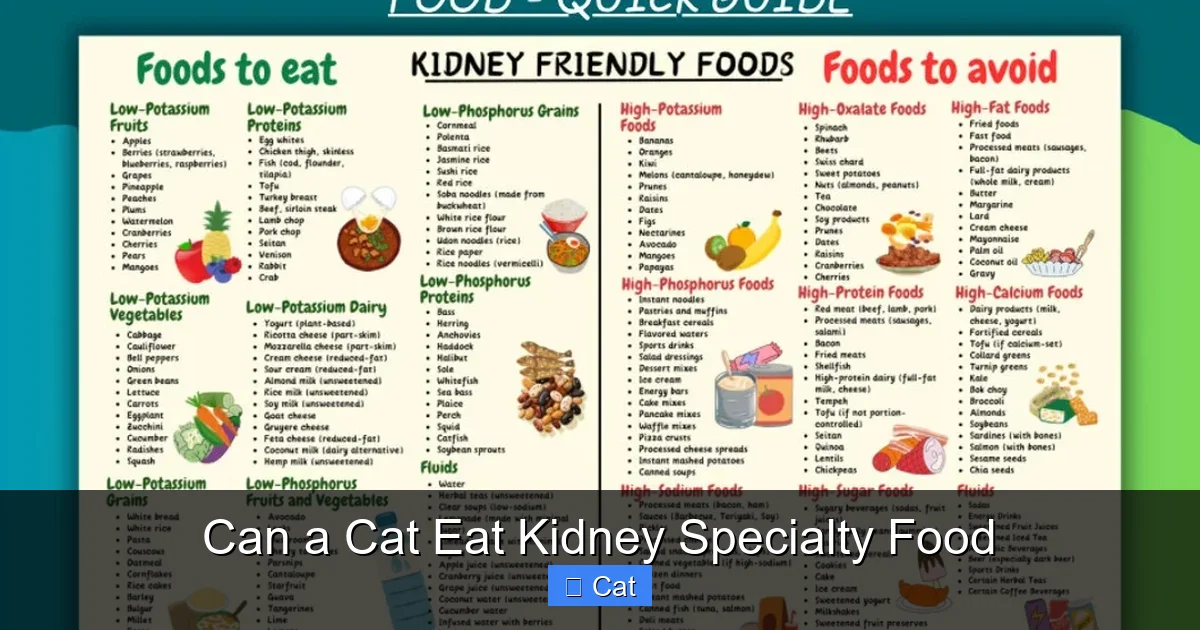
Visual guide about Can a Cat Eat Kidney Specialty Food
Image source: i.etsystatic.com
Kidney specialty food—also known as renal or kidney support diets—is a type of therapeutic pet food formulated specifically to help manage chronic kidney disease in cats. These diets are available in both wet (canned) and dry forms and are typically prescribed by veterinarians after a diagnosis of CKD.
Unlike regular cat food, kidney specialty food is carefully balanced to reduce the workload on the kidneys. It does this by adjusting key nutrients that can stress compromised kidneys. The main changes include lower levels of protein, phosphorus, and sodium, along with added omega-3 fatty acids, B vitamins, and sometimes potassium.
Why These Nutrient Adjustments Matter
Let’s break down why each of these changes is important:
– Reduced Protein: While cats are obligate carnivores and need protein to survive, too much protein can increase the production of waste products like urea and creatinine. These are normally filtered out by healthy kidneys, but in cats with CKD, the kidneys struggle to keep up. Lower-protein diets help reduce this buildup, easing the burden on the kidneys.
– Lower Phosphorus: High phosphorus levels are linked to faster progression of kidney disease. By limiting phosphorus, kidney specialty food can slow damage and help maintain better kidney function over time.
– Controlled Sodium: Excess sodium can raise blood pressure, which is harmful to kidneys. Kidney diets keep sodium levels in check to support cardiovascular and renal health.
– Added Omega-3 Fatty Acids: Found in fish oil, these healthy fats have anti-inflammatory properties that may help protect kidney tissue.
– Increased B Vitamins: Cats with kidney disease often lose water-soluble vitamins like B12 and folate through increased urination. Kidney food is fortified to replace these losses.
Wet vs. Dry Kidney Food: Which Is Better?
When it comes to kidney support, wet food generally has the upper hand. Cats naturally have a low thirst drive, and many don’t drink enough water on their own—especially if they’re eating dry food. Dehydration can worsen kidney function, so encouraging fluid intake is crucial.
Wet kidney food has a high moisture content—usually around 70–80%—which helps keep your cat hydrated. This is one reason vets often recommend wet kidney diets, even if your cat has always eaten dry food.
That said, some cats strongly prefer dry food, and there are high-quality dry kidney diets available. If your cat won’t eat wet food, a dry kidney formula can still be beneficial—just make sure they’re drinking plenty of water. You can help by placing multiple water bowls around the house, using a cat water fountain, or adding a little low-sodium chicken broth to their water.
When Should a Cat Eat Kidney Specialty Food?
Kidney specialty food is not a one-size-fits-all solution. It’s a medical intervention, not a preventive measure. So, when exactly should a cat start eating it?
The answer depends on the stage of kidney disease and your veterinarian’s assessment.
Stage 1 and 2 CKD: Early Intervention
In the early stages of chronic kidney disease, cats may show few or no obvious symptoms. Blood and urine tests might reveal slightly elevated creatinine or SDMA (a newer kidney function marker), but the cat may still be acting normally.
At this point, your vet might recommend starting a kidney support diet. The goal is to slow disease progression and protect remaining kidney function. Some studies suggest that early dietary intervention can add months or even years to a cat’s life.
However, not all vets agree on when to start. Some prefer to wait until Stage 2 or later, especially if the cat is still eating well and showing no signs of illness. It’s a decision that should be made collaboratively between you and your vet, based on your cat’s overall health, bloodwork, and lifestyle.
Stage 3 and 4 CKD: Essential Support
In more advanced stages of kidney disease, dietary changes become critical. Cats in Stage 3 or 4 often show clear symptoms like increased thirst, frequent urination, weight loss, vomiting, or bad breath (a sign of toxin buildup).
At this point, kidney specialty food is usually strongly recommended. It helps manage symptoms, reduce toxin buildup, and improve quality of life. In some cases, it can even help stabilize kidney values and slow further decline.
What About Acute Kidney Injury?
It’s important to distinguish between chronic kidney disease (CKD) and acute kidney injury (AKI). AKI happens suddenly—often due to poisoning, infection, or blockage—and requires immediate veterinary care. While diet plays a role in recovery, kidney specialty food is not typically the first step. Instead, treatment focuses on IV fluids, medications, and addressing the underlying cause.
Once the cat is stable, your vet may transition them to a kidney support diet to aid long-term recovery and prevent future issues.
Can Healthy Cats Eat Kidney Specialty Food?
This is a common question—and a crucial one. Can a healthy cat eat kidney specialty food as a preventive measure? The short answer is no, and here’s why.
Nutritional Imbalance in Healthy Cats
Kidney specialty food is formulated for cats with compromised kidney function. That means it’s lower in certain nutrients that healthy cats need in higher amounts.
For example:
– Protein: While reduced protein helps cats with CKD, healthy cats require high levels of high-quality protein to maintain muscle mass, energy, and overall health. Long-term feeding of low-protein food can lead to muscle wasting and weakness.
– Calories: Many kidney diets are less calorie-dense to reduce metabolic waste. A healthy, active cat may not get enough energy, leading to weight loss.
– Phosphorus and Sodium: While limiting these helps sick cats, healthy cats need balanced levels for bone health, nerve function, and fluid balance.
Feeding kidney food to a healthy cat is like putting low-octane fuel in a high-performance engine—it just doesn’t work as well.
Myth: “It’s Healthier Because It’s ‘Special’”
Some pet owners assume that because kidney food is labeled “specialty” or “prescription,” it must be superior. But that’s not the case. These diets are specialized for a specific medical condition, not for general wellness.
In fact, feeding kidney food to a healthy cat could do more harm than good over time. It’s always best to feed a diet that matches your cat’s life stage and health status.
When Might a Vet Recommend It Anyway?
There are rare exceptions. For example, if a cat has a genetic predisposition to kidney disease (like certain breeds such as Persians or Maine Coons), a vet might suggest a kidney-supportive diet as a preventive measure—but only after careful evaluation.
Even then, it’s not a guarantee, and regular monitoring is essential. Most vets will still recommend a balanced, high-quality commercial diet for healthy cats.
How to Transition Your Cat to Kidney Specialty Food
If your vet has recommended kidney specialty food, the next step is getting your cat to eat it. This can be tricky—especially if your cat is a picky eater or has been on the same food for years.
Why Transitioning Matters
Sudden diet changes can cause digestive upset, including vomiting, diarrhea, or refusal to eat. For a cat with kidney disease, poor appetite is already a risk. You don’t want to make it worse.
A gradual transition gives your cat’s digestive system time to adjust and increases the chances they’ll accept the new food.
Step-by-Step Transition Plan
Here’s a safe and effective way to switch your cat to kidney specialty food:
Days 1–2: Mix 25% kidney food with 75% current food.
Days 3–4: Use 50% kidney food and 50% current food.
Days 5–6: Increase to 75% kidney food and 25% current food.
Day 7 and beyond: Feed 100% kidney specialty food.
Watch your cat closely during this time. If they show signs of nausea, diarrhea, or refuse to eat, slow down the process. You can extend each stage by a day or two if needed.
Tips to Encourage Eating
– Warm the food: Slightly warming wet food (to room temperature or body temp) can enhance the smell and make it more appealing.
– Add flavor boosters: Try mixing in a small amount of low-sodium chicken broth, tuna juice (from water-packed tuna), or a sprinkle of freeze-dried meat topping.
– Offer variety: If your cat rejects one brand or flavor, try another. Some kidney diets come in pâté, chunks in gravy, or shreds—experiment to find what they like.
– Feed small, frequent meals: Cats with kidney disease often have smaller appetites. Offering food 3–4 times a day can help.
What If Your Cat Refuses to Eat?
Appetite loss is a serious concern in cats, especially those with kidney disease. If your cat refuses the new food for more than 24–48 hours, contact your vet immediately. Prolonged fasting can lead to hepatic lipidosis (fatty liver disease), which is life-threatening.
Your vet may recommend appetite stimulants, syringe feeding, or even a feeding tube in severe cases. Don’t wait—early intervention is key.
Monitoring Your Cat on Kidney Specialty Food
Starting kidney food is just the beginning. Ongoing monitoring is essential to ensure it’s working and your cat is thriving.
Watch for Positive Changes
Within a few weeks of starting kidney food, you may notice:
– Increased energy and activity
– Better appetite
– Stable or improved weight
– Reduced vomiting or bad breath
– More consistent litter box habits
These are all good signs that the diet is helping.
Regular Vet Checkups Are Crucial
Kidney disease is progressive, and your cat’s needs may change over time. Your vet will likely recommend blood and urine tests every 3–6 months to monitor kidney values, electrolyte levels, and overall health.
These tests help determine:
– Whether the diet is effective
– If adjustments are needed (e.g., adding potassium or phosphate binders)
– When to consider additional treatments (like subcutaneous fluids)
Home Monitoring Tips
You can also keep an eye on your cat’s health at home:
– Track water intake: Note how much your cat drinks daily. A sudden increase could signal worsening kidney function.
– Weigh your cat regularly: Use a baby scale or visit your vet for weigh-ins. Weight loss is a red flag.
– Observe litter box habits: Changes in urine volume or frequency can indicate progression.
– Check for dehydration: Gently pinch the skin on the back of your cat’s neck. If it doesn’t snap back quickly, your cat may be dehydrated.
Other Ways to Support Your Cat’s Kidney Health
While diet is a cornerstone of kidney disease management, it’s not the only tool. A holistic approach gives your cat the best chance at a good quality of life.
Encourage Hydration
As mentioned earlier, hydration is critical. In addition to wet food, try:
– Cat water fountains: Many cats prefer running water.
– Multiple water stations: Place bowls in different rooms, away from food and litter boxes.
– Flavored water: Add a splash of tuna water or bone broth (low-sodium, no onions or garlic).
Consider Subcutaneous Fluids
For cats with moderate to severe CKD, your vet may recommend subcutaneous (under the skin) fluids. These are given at home and help flush toxins from the body. Many owners learn to do this safely and comfortably.
Manage Other Health Issues
Kidney disease often coexists with other conditions like high blood pressure, hyperthyroidism, or dental disease. Treating these can improve kidney function and overall well-being.
Reduce Stress
Stress can worsen health issues in cats. Keep routines consistent, provide safe hiding spots, and use pheromone diffusers (like Feliway) if needed.
Supplements: Use with Caution
Some owners consider supplements like omega-3s, probiotics, or antioxidants. While these may help, always consult your vet first. Some supplements can interfere with medications or worsen kidney function if not used properly.
Conclusion: Making the Right Choice for Your Cat
So, can a cat eat kidney specialty food? Yes—but only when it’s medically necessary and recommended by a veterinarian. These diets are powerful tools for managing chronic kidney disease, helping cats live longer, more comfortable lives. But they’re not suitable for healthy cats and should never be used as a preventive measure.
The key is early detection and proactive care. Regular vet visits, a balanced diet, and attention to your cat’s behavior can make a huge difference. If your cat is diagnosed with kidney disease, don’t panic. With the right diet, monitoring, and support, many cats continue to enjoy good quality of life for months or even years.
Remember, you’re not alone. Your vet is your best partner in this journey. Ask questions, follow their advice, and trust your instincts as a pet parent. Your cat depends on you—and with love and the right care, you can give them the best possible life, no matter what health challenges come their way.
Frequently Asked Questions
Can I feed kidney specialty food to my healthy cat as a preventive measure?
No, healthy cats should not eat kidney specialty food long-term. These diets are lower in protein and calories, which can lead to muscle loss and nutritional deficiencies in cats without kidney disease.
How long does it take to see improvements after switching to kidney food?
Some cats show improved energy and appetite within a few weeks, but full benefits may take 1–2 months. Regular vet checkups help track progress.
Is wet kidney food better than dry?
Yes, wet food is generally preferred because it increases hydration, which is crucial for kidney health. However, some cats do well on high-quality dry kidney diets if they drink enough water.
What if my cat refuses to eat the new kidney food?
Try warming it, adding flavor enhancers, or mixing it gradually. If refusal lasts more than 48 hours, contact your vet—appetite loss can be dangerous.
Can kidney specialty food cure kidney disease?
No, it cannot cure kidney disease, but it can slow progression, reduce symptoms, and improve quality of life when used as part of a comprehensive treatment plan.
Do I need a prescription for kidney specialty food?
Most kidney diets are prescription-only and require a vet’s approval. This ensures they’re used appropriately and your cat is properly monitored.