

While cats may be curious about mouse food, it’s rarely safe or nutritious for them. Whether it’s commercial rodent chow or toxic bait, feeding mouse food to cats can lead to serious health issues. Always keep rodent products away from pets and consult your vet immediately if ingestion occurs.
Key Takeaways
- Mouse food is not formulated for cats: It lacks essential nutrients like taurine that cats need to thrive, potentially leading to malnutrition over time.
- Rodent bait is extremely dangerous: Anticoagulant-based mouse poisons can cause internal bleeding, seizures, or death in cats if ingested—even in small amounts.
- Accidental ingestion requires urgent care: If your cat eats mouse poison, contact your veterinarian or an emergency animal clinic right away—time is critical.
- Store rodent control products safely: Keep all mouse traps, baits, and pellets in secure, elevated locations that cats cannot access.
- Offer safe alternatives instead: If your cat seems interested in “hunting,” provide interactive toys or high-protein cat treats that mimic prey without the risks.
- Monitor your cat’s behavior closely: Lethargy, vomiting, pale gums, or difficulty breathing after exposure to mouse products warrant immediate veterinary attention.
- Prevention is always better than treatment: Use pet-safe pest control methods and never rely on chemical baits in homes with curious cats.
Key Takeaways
- Understanding can a cat eat mouse food: Provides essential knowledge
📑 Table of Contents
Understanding What “Mouse Food” Really Means
When pet owners ask, “Can a cat eat mouse food?” they’re often referring to one of two things: commercial rodent food (like lab blocks or seed mixes sold for pet mice) or toxic rodenticides (mouse poison). It’s important to distinguish between these two because the risks—and outcomes—are vastly different.
Commercial mouse food, typically found in pet stores, is designed for small rodents like mice, rats, or hamsters. These diets are usually grain-based, high in carbohydrates, and low in animal protein. While a cat might nibble on it out of curiosity, it doesn’t meet feline nutritional needs. Cats are obligate carnivores, meaning their bodies require nutrients found almost exclusively in animal tissue—especially taurine, arachidonic acid, and vitamin A in preformed versions. Mouse food lacks sufficient levels of these essentials, so even occasional snacking can contribute to long-term deficiencies.
On the other hand, mouse poison—often called rodenticide—is a completely different story. These products contain powerful chemicals meant to kill rodents by disrupting blood clotting, causing neurological damage, or inducing organ failure. Even a tiny amount can be lethal to a cat, whether ingested directly from the bait station or indirectly by eating a poisoned mouse. The danger isn’t just theoretical; thousands of pets are treated for rodenticide poisoning every year in the U.S. alone.
So while your cat might see a spilled pile of rodent kibble as a fun new snack, and a mouse trap as an intriguing puzzle, neither scenario is safe. Understanding the difference between edible (but inappropriate) rodent food and truly hazardous poison is the first step in keeping your feline friend healthy and out of harm’s way.
Nutritional Needs of Cats vs. Rodents
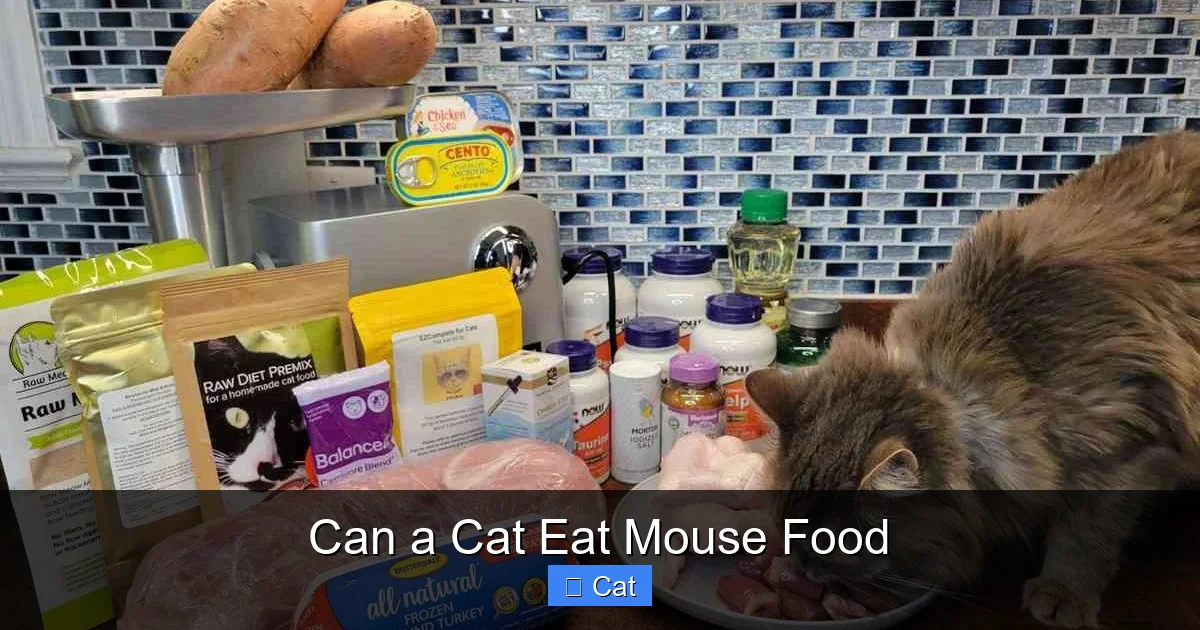
Visual guide about Can a Cat Eat Mouse Food
Image source: cats.com
To truly grasp why mouse food isn’t suitable for cats, it helps to understand how dramatically feline and rodent nutritional requirements differ. Cats aren’t just “bigger versions” of mice—they have evolved as strict carnivores with unique metabolic pathways that demand a meat-rich diet.
One of the most critical differences lies in taurine. This amino acid is vital for heart function, vision, digestion, and reproduction in cats. Unlike many other animals, cats cannot synthesize enough taurine from other amino acids and must obtain it directly from animal-based proteins. A deficiency can lead to irreversible blindness, heart disease (dilated cardiomyopathy), and immune system failure. Most commercial mouse foods contain little to no animal protein and therefore almost no taurine—making them nutritionally inadequate for cats, even as occasional treats.
Another key distinction is vitamin A metabolism. Cats lack the enzymes needed to convert beta-carotene (found in plants) into active vitamin A (retinol). They must consume preformed vitamin A from liver, fish oils, or other animal sources. Mouse diets, rich in grains and seeds, rely heavily on plant-based nutrients that cats simply can’t utilize effectively.
Protein quality and quantity also matter. Adult cats need at least 26% protein in their diet (and kittens need even more), with a strong emphasis on high biological value proteins from meat, poultry, or fish. In contrast, mouse food typically contains 12–16% protein, mostly from soy, wheat, or corn—sources that don’t provide the full spectrum of essential amino acids cats require.
Fatty acids like arachidonic acid (an omega-6 fat) are another concern. Cats can’t produce this compound themselves and must get it from animal fats. Rodent diets often use vegetable oils that don’t contain arachidonic acid, further widening the nutritional gap.
In short, feeding your cat mouse food—even sporadically—is like serving a human a diet of only rice and lettuce. It might keep them alive temporarily, but it won’t support optimal health. Over weeks or months, subtle deficiencies can snowball into serious medical conditions. Always choose a high-quality, AAFCO-approved cat food that meets your pet’s species-specific needs.
The Hidden Dangers of Rodent Poison
While curiosity might drive your cat to investigate a shiny pellet or crumbly bait block, the real threat isn’t the taste—it’s the toxic ingredients designed to kill rodents. Rodenticides come in several chemical classes, each with its own mechanism of action and level of danger to pets.
The most common type is anticoagulant rodenticides (ARs), which include compounds like brodifacoum, bromadiolone, and warfarin. These chemicals inhibit vitamin K recycling in the body, preventing blood from clotting properly. Symptoms may not appear for 2–5 days after ingestion and include lethargy, pale gums, difficulty breathing, nosebleeds, bruising, or sudden collapse due to internal bleeding. Because the effects are delayed, many pet owners don’t connect the illness to earlier exposure, delaying life-saving treatment.
Second-generation anticoagulants (like brodifacoum) are especially dangerous because they’re highly potent and remain active in the liver for weeks or months. This means a single small dose can be fatal, and secondary poisoning—when a cat eats a rodent that has consumed the poison—is a real risk. Even if your cat never touches the bait directly, bringing home a “gift” mouse that’s been nibbling on poison can put them in grave danger.
Other rodenticides include cholecalciferol (vitamin D3), which causes a dangerous spike in blood calcium levels, leading to kidney failure; bromethalin, which causes brain swelling and neurological symptoms like tremors, seizures, and paralysis; and zinc phosphide, which releases toxic phosphine gas in the stomach.
The scary part? These products are often sold in bright-colored pellets or blocks that look like food—sometimes even scented with peanut butter or fruit to attract rodents. To a cat, they may smell appealing, especially if they’re hungry or bored. And because cats are agile and persistent, they can easily knock over bait stations or chew through packaging.
If you suspect your cat has ingested any rodenticide—even if they seem fine—contact your veterinarian or the Pet Poison Helpline immediately. With prompt treatment (often involving vitamin K1 therapy, blood transfusions, or induced vomiting), many cats recover fully. But every minute counts.
What to Do If Your Cat Eats Mouse Food or Poison
Discovering that your cat has eaten mouse food—or worse, mouse poison—can be terrifying. But staying calm and acting quickly can make all the difference. Here’s a step-by-step guide to help you respond effectively.
First, identify what your cat consumed. Was it commercial rodent chow from a pet store, or a pesticide labeled as “mouse poison” or “rodenticide”? Check the packaging or product label if possible. Note the active ingredients—this information is crucial for your vet.
If it was plain rodent food (not poison), monitor your cat closely for 24–48 hours. Watch for signs of digestive upset like vomiting, diarrhea, or loss of appetite. While unlikely to cause serious harm in small amounts, large quantities could lead to gastrointestinal blockage or nutritional imbalances. Offer plenty of fresh water and stick to their regular cat food. If symptoms persist or worsen, call your vet.
However, if you suspect ingestion of rodenticide—even in tiny amounts—treat it as a medical emergency. Time is critical with anticoagulant poisons, as internal bleeding can develop silently. Do not wait for symptoms to appear.
Immediately contact your veterinarian, an emergency animal clinic, or a pet poison control hotline (such as the ASPCA Animal Poison Control Center or Pet Poison Helpline). Have the product name, active ingredient, and estimated amount ingested ready to share. If possible, bring the packaging to the vet.
Your vet may induce vomiting (if ingestion occurred within the last 2 hours), administer activated charcoal to bind toxins, or start supportive care like IV fluids and vitamin K1 injections. Blood tests may be needed to check clotting times. Hospitalization is often required for monitoring and treatment, especially with second-generation anticoagulants.
Even if your cat seems perfectly fine, don’t assume they’re safe. Many rodenticides have delayed onset, and early intervention significantly improves outcomes. Prevention is always better—but if exposure happens, swift action saves lives.
Safe Alternatives to Satisfy Your Cat’s Hunting Instincts
Cats are natural hunters, and their interest in “mouse food” may stem from instinctual curiosity rather than hunger. Instead of risking exposure to unsafe substances, offer engaging, safe alternatives that satisfy their predatory drive.
Interactive toys are a fantastic option. Wand toys with feathers, furry mice, or crinkly attachments mimic prey movement and encourage pouncing, chasing, and batting—all natural behaviors. Rotate toys regularly to keep things exciting. Puzzle feeders or treat-dispensing balls can also stimulate your cat mentally while rewarding them with healthy snacks.
High-protein cat treats made from real meat, fish, or poultry are another great choice. Look for treats that list animal protein as the first ingredient and avoid those with fillers like corn or soy. Freeze-dried liver or salmon treats are especially enticing and nutritious.
If your cat enjoys “hunting,” consider creating a DIY sensory garden with cat-safe grasses like wheatgrass or oat grass. Many cats love nibbling on these plants, and they provide fiber and nutrients. Just ensure the soil and plants are free from pesticides.
For indoor cats, window perches or bird feeders placed outside windows offer hours of entertainment as they watch “prey” (birds, squirrels) from a safe distance. Some owners even use laser pointers or motion-activated toys for solo play sessions.
Never use real mice—dead or alive—as toys. Beyond ethical concerns, wild rodents can carry diseases like toxoplasmosis, salmonella, or parasites that pose serious health risks to cats and humans alike.
By redirecting your cat’s curiosity toward safe, enriching activities, you protect their health while honoring their instincts.
Preventing Accidental Exposure: Tips for Pet Owners
The best way to handle the question “Can a cat eat mouse food?” is to ensure they never get the chance. Prevention is simple, effective, and far less stressful than emergency vet visits.
Start by storing all rodent control products—including baits, traps, and pellets—in secure, elevated locations that cats cannot reach. Use locked cabinets, high shelves, or enclosed bait stations designed to exclude pets and children. Never place poison on the floor, under furniture, or in corners where curious cats might investigate.
If you must use rodenticides, choose pet-safe options whenever possible. Some newer products use non-toxic deterrents or physical traps instead of chemicals. Consult a pest control professional who understands pet safety.
Regularly inspect your home for signs of rodents (droppings, gnaw marks, nests) and address infestations early with humane traps or exclusion methods like sealing cracks and keeping food stored securely. A clean, well-maintained home is less attractive to pests.
Educate everyone in your household—including children—about the dangers of rodent poison and the importance of keeping it away from pets. Post emergency contact numbers (vet, poison control) in a visible spot.
Finally, if you have both cats and pet mice or rats, house them in separate, secure enclosures. Supervise any interactions closely, and never allow unsupervised access. Even well-socialized cats retain strong hunting instincts.
With a few proactive steps, you can keep your cat safe, healthy, and happily occupied—without ever needing to worry about what’s in that mysterious bag of “mouse food.”
Conclusion
So, can a cat eat mouse food? The short answer is: it depends—but usually, it’s not a good idea. While commercial rodent food won’t immediately harm your cat, it’s nutritionally inappropriate and can lead to deficiencies over time. Mouse poison, however, is extremely dangerous and potentially fatal, even in tiny doses.
Cats are magnificent, curious creatures with deep-rooted instincts, but their safety depends on our awareness and prevention. By understanding the differences between rodent diets and toxic baits, recognizing the signs of poisoning, and providing safe outlets for their natural behaviors, you can protect your feline companion from unnecessary risks.
Always prioritize high-quality cat food formulated for their unique needs, keep hazardous substances securely stored, and consult your veterinarian at the first sign of trouble. Your cat’s health—and peace of mind—are worth the extra effort.
Frequently Asked Questions
Can a cat eat mouse food from a pet store?
Technically yes, but it’s not recommended. Mouse food lacks essential nutrients like taurine that cats need, and regular consumption can lead to malnutrition. Occasional nibbling is unlikely to cause harm, but it shouldn’t replace a balanced cat diet.
Is it safe if my cat eats a mouse that ate poison?
No—this is called secondary poisoning and can be deadly. Rodenticides accumulate in a rodent’s liver, and when a cat consumes the poisoned mouse, they ingest a concentrated dose. Seek immediate veterinary care if this occurs.
How much mouse poison is dangerous for a cat?
Even a tiny amount can be lethal, especially with second-generation anticoagulants. There’s no safe dose—any suspected ingestion requires urgent veterinary attention, regardless of how little was consumed.
What are the first signs of rodenticide poisoning in cats?
Early signs include lethargy, weakness, pale gums, coughing (from lung bleeding), or difficulty breathing. Neurological symptoms like seizures or tremors may appear with certain types of poison. Symptoms can be delayed by several days.
Can I use natural mouse repellents instead of poison?
Yes! Options like peppermint oil, ultrasonic devices, or diatomaceous earth (food-grade) can deter mice without harming pets. Seal entry points and maintain cleanliness to prevent infestations naturally.
Should I induce vomiting if my cat eats mouse poison?
Only under veterinary guidance. Inducing vomiting at home can be dangerous if done incorrectly or if the cat is already showing symptoms. Call your vet or poison control first—they’ll advise the safest course of action.