
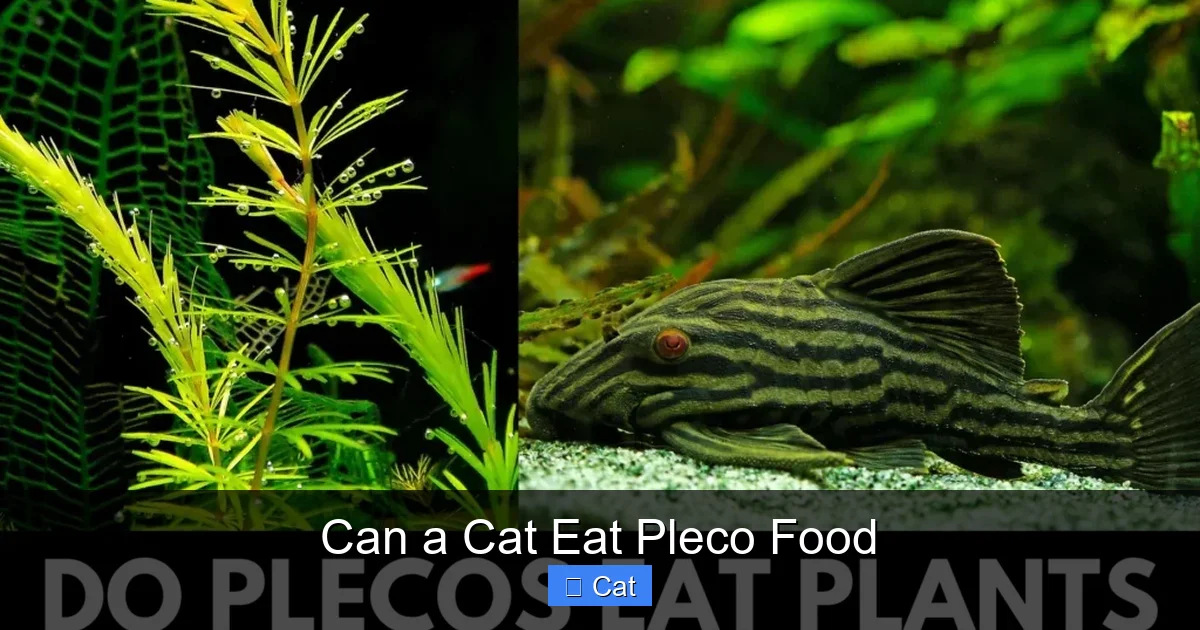
While cats might show curiosity toward pleco food, it is not safe or nutritionally appropriate for them to eat. Pleco food lacks essential nutrients cats need and may contain ingredients harmful to felines. Always stick to species-specific diets for your cat’s health and well-being.
Key Takeaways
- Pleco food is not formulated for cats: It lacks taurine, arachidonic acid, and other vital nutrients required for feline health.
- Potential digestive upset: Cats may experience vomiting, diarrhea, or loss of appetite after eating pleco food.
- Risk of harmful additives: Some pleco foods contain algae, wood fibers, or preservatives unsafe for cats.
- No long-term nutritional value: Feeding pleco food regularly can lead to malnutrition and serious health issues.
- Curiosity doesn’t equal safety: Just because a cat shows interest doesn’t mean the food is safe—always supervise interactions with aquarium supplies.
- Stick to cat-specific diets: High-quality commercial cat food meets all dietary needs and supports long-term wellness.
- Consult your vet if ingestion occurs: If your cat eats pleco food, monitor for symptoms and seek veterinary advice if needed.
📑 Table of Contents
- Can a Cat Eat Pleco Food? The Truth Every Cat Owner Should Know
- Understanding Pleco Food: What’s Really in It?
- The Nutritional Needs of Cats vs. Plecos
- Risks and Dangers of Feeding Pleco Food to Cats
- What to Do If Your Cat Eats Pleco Food
- Safe Alternatives: What Should Cats Eat Instead?
- Why Curiosity Doesn’t Equal Safety
- Final Thoughts: Keep Your Cat Safe and Healthy
Can a Cat Eat Pleco Food? The Truth Every Cat Owner Should Know
Imagine this: you’re cleaning your aquarium, and your curious cat jumps onto the counter, sniffing around the pleco food container. Maybe they even take a tentative lick or two. Your first thought might be, “Is this safe?” or “Will it hurt them?” You’re not alone—many pet owners have faced this exact scenario. Plecos, or suckerfish, are popular freshwater aquarium cleaners, and their food is designed to sink to the bottom and provide algae-based nutrition. But what happens when your feline friend gets a taste?
The short answer? No, cats should not eat pleco food. While it might seem harmless—especially since some pleco foods look like small pellets or wafers—these products are formulated specifically for fish, not mammals. Cats have unique dietary needs that differ drastically from aquatic creatures. What’s nutritious for a pleco could be useless or even dangerous for your cat. In this article, we’ll dive deep into why pleco food isn’t suitable for cats, what ingredients to watch out for, and how to keep your curious kitty safe and healthy.
Understanding Pleco Food: What’s Really in It?
To understand why pleco food isn’t safe for cats, we first need to know what it contains. Plecos are bottom-dwelling fish that thrive on a diet rich in plant matter, algae, and wood. Their food is designed to mimic their natural eating habits in the wild, where they graze on biofilm, driftwood, and decaying vegetation.
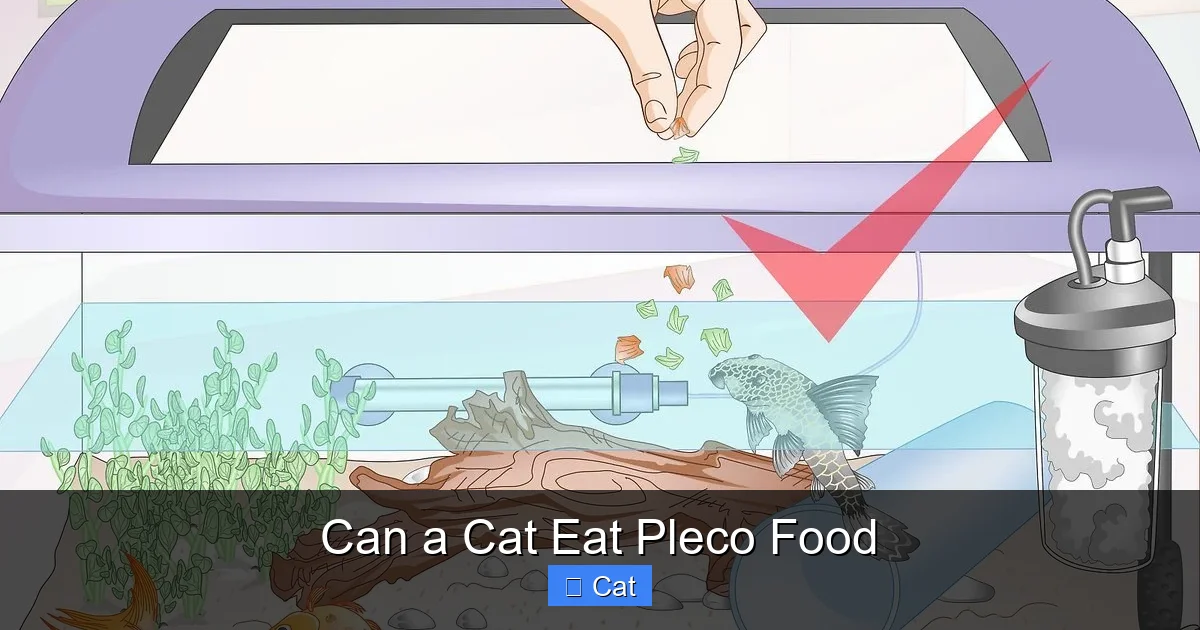
Visual guide about Can a Cat Eat Pleco Food
Image source: wikihow.com
Common Ingredients in Pleco Food
Most commercial pleco foods include a mix of the following:
- Algae and spirulina: These are rich in plant-based proteins and vitamins, great for fish but not ideal for cats.
- Wood fibers (like cholla wood or oak): Plecos use these to aid digestion, but cats can’t break them down.
- Vegetable matter (spinach, zucchini, peas): While some vegetables are safe for cats in small amounts, they’re not a primary nutrient source.
- Fish meal or shrimp meal: Some pleco foods include animal proteins, but these are usually low-quality and not balanced for feline needs.
- Binders and preservatives: Ingredients like wheat gluten, soy, or artificial preservatives may be present and can cause digestive issues in cats.
Why These Ingredients Don’t Work for Cats
Cats are obligate carnivores, meaning their bodies are built to thrive on animal-based proteins. They require specific nutrients like taurine, arachidonic acid, vitamin A (in preformed retinol), and high levels of protein—none of which are adequately provided in pleco food. For example, taurine is essential for heart health, vision, and reproduction in cats. A deficiency can lead to blindness, heart disease, and even death. Pleco food simply doesn’t contain enough—or any—taurine to meet a cat’s needs.
Additionally, the high fiber content from wood and plant matter can be difficult for cats to digest. Unlike herbivores or omnivores, cats have short digestive tracts optimized for breaking down meat, not plant cellulose. Eating pleco food could lead to gastrointestinal upset, including vomiting, diarrhea, or constipation.
The Nutritional Needs of Cats vs. Plecos
To truly grasp why pleco food is a poor choice for cats, it helps to compare the nutritional requirements of both species. While plecos are detritivores—meaning they eat decaying organic matter—cats are strict carnivores with evolved dietary needs that can’t be met by plant-heavy diets.
Protein: The Foundation of a Cat’s Diet
Cats need a diet high in animal protein—typically 26–30% of their daily calories, depending on age and activity level. This protein must come from high-quality sources like chicken, turkey, fish, or beef. Pleco food, on the other hand, often contains minimal animal protein and relies heavily on plant-based sources like soy or algae. Even if some fish meal is included, it’s usually not sufficient or bioavailable enough to meet a cat’s needs.
Essential Amino Acids: Taurine and Beyond
Taurine is perhaps the most critical nutrient missing from pleco food. Cats cannot synthesize enough taurine on their own and must obtain it from their diet. Without it, they risk developing dilated cardiomyopathy (a heart condition) and retinal degeneration leading to blindness. Pleco food does not list taurine as an ingredient, and even if trace amounts are present from fish meal, they’re unlikely to be adequate.
Other essential amino acids like arginine, methionine, and cysteine are also vital for cats. Arginine, for instance, helps remove ammonia from the body. A deficiency can cause vomiting, muscle spasms, and even death within hours. Pleco food doesn’t guarantee these nutrients in the right balance.
Fats and Fatty Acids
Cats need arachidonic acid, an omega-6 fatty acid found primarily in animal fats. They can’t convert plant-based omega-3s into arachidonic acid efficiently, so they must consume it directly. Pleco food may contain some fish oils, but again, the levels and balance are not designed for feline physiology.
Vitamins and Minerals
Vitamin A is another concern. Cats can’t convert beta-carotene (found in plants) into active vitamin A like humans can. They need preformed vitamin A from animal sources. Pleco food, being plant-heavy, lacks this crucial nutrient. Similarly, vitamin D must come from animal sources for cats, and pleco food doesn’t provide it in usable form.
Risks and Dangers of Feeding Pleco Food to Cats
Even if your cat only eats a small amount of pleco food, there are several risks to consider. While a single nibble might not cause immediate harm, repeated exposure or larger quantities can lead to serious health problems.
Digestive Upset and Gastrointestinal Issues
The most common reaction to pleco food is digestive discomfort. Cats may experience:
- Vomiting
- Diarrhea
- Lethargy
- Loss of appetite
- Abdominal pain
These symptoms occur because the high fiber and plant content are difficult for cats to process. The digestive system isn’t equipped to break down cellulose or wood fibers, which can cause blockages or irritation.
Potential for Intestinal Blockages
Some pleco foods contain wood chips or fibrous plant matter that can swell in the stomach or intestines. In rare cases, this can lead to a partial or complete blockage, requiring emergency veterinary care. Signs of a blockage include repeated vomiting, inability to defecate, bloating, and extreme lethargy.
Toxicity from Additives and Preservatives
Not all pleco foods are created equal. Some cheaper brands use artificial colors, flavors, or preservatives like BHA or BHT, which have been linked to health issues in animals. While these are generally safe in small amounts for fish, they may pose risks to cats, especially with repeated exposure.
Additionally, some pleco foods are fortified with minerals like copper or iron. While these are essential for fish, excess amounts can be toxic to cats. For example, too much copper can lead to liver damage, and iron overload can cause gastrointestinal distress and organ damage.
Long-Term Nutritional Deficiencies
If a cat regularly consumes pleco food—perhaps because they’re sneaking into the aquarium area—they may develop chronic nutritional deficiencies. Over time, this can lead to:
- Weight loss
- Poor coat quality
- Weakened immune system
- Organ dysfunction
- Developmental issues in kittens
Even if the cat is still eating their regular food, replacing meals with pleco food disrupts their nutrient intake and can have lasting effects.
What to Do If Your Cat Eats Pleco Food
Accidents happen. If you catch your cat eating pleco food, don’t panic—but do take action. The response depends on how much they ate and whether they’re showing symptoms.
Step 1: Assess the Situation
Ask yourself:
- How much did they eat? A few pellets are less concerning than a whole wafer.
- Did they eat it recently, or was it hours ago?
- Are they acting normally, or do they seem sick?
Step 2: Monitor for Symptoms
Watch your cat closely for the next 12–24 hours. Look for signs of illness such as:
- Vomiting (especially if it continues)
- Diarrhea or constipation
- Lethargy or weakness
- Loss of appetite
- Abdominal discomfort (hunched posture, reluctance to be touched)
If your cat seems fine and only ate a small amount, they may not need veterinary care. However, if symptoms appear or worsen, contact your vet immediately.
Step 3: Contact Your Veterinarian
When in doubt, call your vet. Provide details about the type of pleco food, how much was consumed, and any symptoms. Your vet may recommend:
- Inducing vomiting (only if advised)
- Administering activated charcoal to absorb toxins
- Bringing your cat in for an examination
- Monitoring at home with dietary adjustments
Never induce vomiting without professional guidance—it can be dangerous if done incorrectly.
Step 4: Prevent Future Incidents
Once the immediate concern is over, take steps to prevent repeat occurrences:
- Store pleco food in a secure, elevated location.
- Keep aquarium supplies out of reach of pets.
- Use child-proof containers or lockable cabinets.
- Supervise your cat during tank maintenance.
Consider using a covered aquarium or placing a barrier around the tank to limit access.
Safe Alternatives: What Should Cats Eat Instead?
Now that we’ve established pleco food is off-limits, what should your cat be eating? The good news is, there are plenty of safe, nutritious options designed specifically for feline health.
High-Quality Commercial Cat Food
The best diet for most cats is a balanced commercial cat food—either wet, dry, or a combination of both. Look for brands that:
- List a named animal protein (like “chicken” or “salmon”) as the first ingredient
- Are certified by AAFCO (Association of American Feed Control Officials)
- Contain taurine, arachidonic acid, and other essential nutrients
- Are free from artificial colors, flavors, and unnecessary fillers
Wet food is especially beneficial because it provides hydration, which is crucial for urinary tract health.
Homemade or Raw Diets (With Caution)
Some owners opt for homemade or raw diets, but these require careful planning to ensure nutritional balance. If you choose this route, consult a veterinary nutritionist to avoid deficiencies. Never feed raw fish meant for plecos—it may contain parasites or bacteria harmful to cats.
Treats and Supplements
Occasional treats are fine, but they should make up no more than 10% of your cat’s daily caloric intake. Choose treats made for cats, not fish food. Supplements like fish oil (specifically formulated for cats) can support skin and coat health, but always check with your vet before adding anything new.
Why Curiosity Doesn’t Equal Safety
Cats are naturally curious creatures. They explore with their mouths, sniff new objects, and sometimes taste things they shouldn’t. This behavior is normal, but it doesn’t mean everything they encounter is safe.
Pleco food may smell interesting to a cat—especially if it contains fish meal or shrimp. The scent can be enticing, leading them to nibble or even swallow pieces. But just because something smells good or looks edible doesn’t mean it’s appropriate for their biology.
Think of it like this: a cat might be curious about chocolate, but we know it’s toxic. Similarly, pleco food may seem harmless, but it’s not designed for feline digestion or nutrition. Always err on the side of caution and keep non-cat foods out of reach.
Final Thoughts: Keep Your Cat Safe and Healthy
In summary, can a cat eat pleco food? The answer is a clear no. While it might not cause immediate harm in tiny amounts, pleco food lacks the essential nutrients cats need and may contain ingredients that are difficult or dangerous to digest. From taurine deficiency to gastrointestinal blockages, the risks far outweigh any perceived benefit.
As a responsible pet owner, your job is to provide a diet that supports your cat’s unique physiology. Stick to high-quality cat food, offer fresh water daily, and keep aquarium supplies securely stored. If your cat does ingest pleco food, monitor them closely and consult your veterinarian if you notice any signs of illness.
Your cat’s health and happiness depend on the choices you make. By understanding what they can and cannot eat, you’re giving them the best chance at a long, vibrant life. So the next time your curious kitty eyes that pleco wafer, gently redirect them—and reach for a proper cat treat instead.
Frequently Asked Questions
Can a cat eat pleco food as a treat?
No, pleco food should never be used as a treat for cats. It lacks essential nutrients like taurine and may cause digestive upset or long-term health issues.
What happens if my cat eats a pleco wafer?
If your cat eats a small piece, monitor for vomiting, diarrhea, or lethargy. Contact your vet if symptoms appear or if they consumed a large amount.
Is pleco food toxic to cats?
Pleco food isn’t highly toxic, but it’s not safe due to improper nutrition and potential additives. It can cause digestive issues or blockages.
Can kittens eat pleco food?
No, kittens have even stricter nutritional needs than adult cats. Pleco food lacks the protein and nutrients required for growth and development.
Are there any fish foods safe for cats?
Some high-quality fish-based cat foods are safe, but aquarium fish food like pleco food is not formulated for feline consumption.
How can I stop my cat from eating aquarium food?
Store pleco food in sealed containers, keep it out of reach, and supervise your cat during tank maintenance to prevent access.