
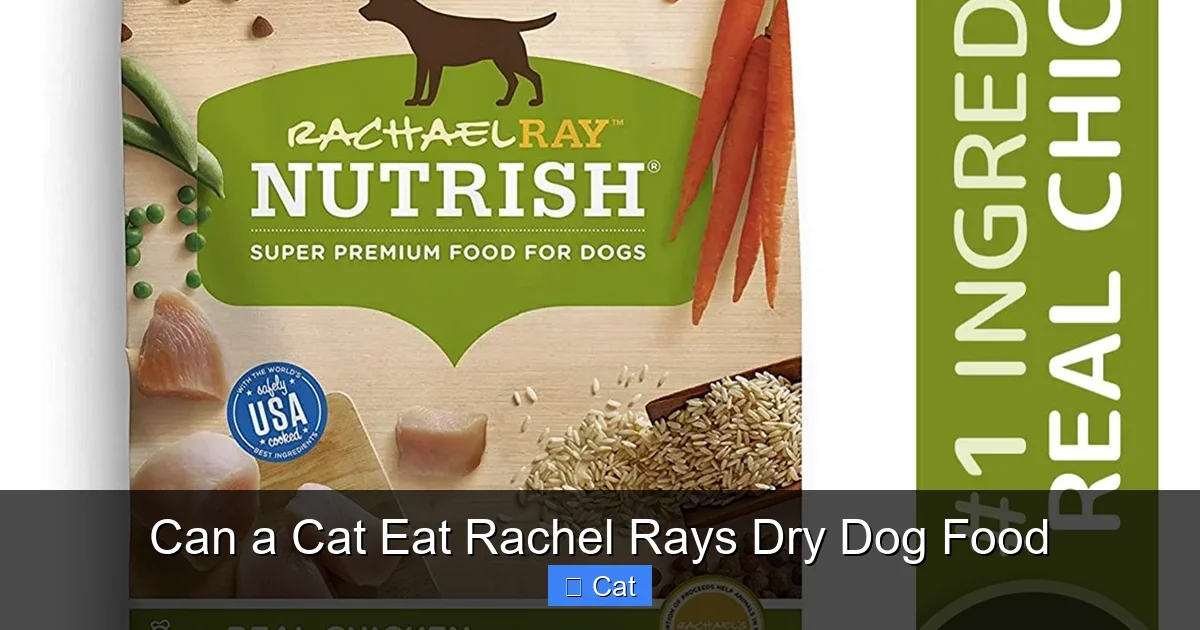
While cats may nibble on Rachel Ray’s dry dog food, it’s not safe or nutritionally appropriate for them. Cats have unique dietary needs—like taurine and arachidonic acid—that dog food doesn’t provide, and long-term consumption can lead to serious health problems.
Key Takeaways
- Cats are obligate carnivores: They require animal-based proteins and specific nutrients like taurine, which dog food lacks.
- Rachel Ray dog food isn’t formulated for cats: It doesn’t meet feline nutritional standards and can cause deficiencies over time.
- Short-term ingestion is usually harmless: A few kibbles won’t hurt, but regular feeding is dangerous.
- Taurine deficiency leads to severe health issues: Including blindness, heart disease, and immune system problems.
- Dog food lacks essential fatty acids for cats: Such as arachidonic acid, which cats can’t synthesize on their own.
- Always feed species-appropriate food: Choose high-quality cat food that meets AAFCO feline nutrition guidelines.
- Consult your vet if your cat eats dog food regularly: Early intervention can prevent long-term damage.
📑 Table of Contents
Can a Cat Eat Rachel Ray’s Dry Dog Food?
Picture this: You’re feeding your dog their favorite kibble—maybe it’s Rachel Ray’s Nutrish dry dog food—and your curious cat sneaks in for a taste. It happens more often than you’d think. Cats are naturally inquisitive, and the crunchy texture or meaty aroma of dog food might seem appealing. But here’s the big question: Can a cat eat Rachel Ray’s dry dog food? The short answer is: technically, yes—but it’s not safe, healthy, or recommended.
While a single nibble or accidental ingestion won’t send your cat to the emergency room, regularly feeding dog food—even a premium brand like Rachel Ray’s—to a cat is a recipe for nutritional disaster. Cats are not small dogs. Their bodies are finely tuned machines that require a very specific balance of nutrients to thrive. Unlike dogs, who are omnivores and can adapt to a wider range of diets, cats are obligate carnivores. This means their bodies are designed to run on animal-based proteins and fats, and they can’t produce certain vital nutrients on their own. Feeding them dog food, even occasionally, can lead to serious health problems over time.
In this article, we’ll dive deep into why Rachel Ray’s dry dog food—or any dog food, for that matter—is unsuitable for cats. We’ll explore the science behind feline nutrition, break down the key differences between dog and cat food, and offer practical advice on what to do if your cat has already sampled the kibble. Whether you’re a new pet parent or a seasoned cat lover, understanding these dietary nuances is essential for keeping your furry friend healthy, happy, and thriving.
Understanding Feline Nutritional Needs
To truly grasp why dog food is a no-go for cats, we need to start with the basics: what cats actually need to eat. Cats are obligate carnivores, a term that means they must consume meat to survive. Unlike dogs, who can thrive on a more varied diet that includes grains, vegetables, and even some fruits, cats rely almost entirely on animal tissue for their nutritional needs. This isn’t just a preference—it’s a biological necessity.

Visual guide about Can a Cat Eat Rachel Rays Dry Dog Food
Image source: simplyfordogs.com
The Role of Protein in a Cat’s Diet
Protein is the cornerstone of a cat’s diet. It provides the amino acids essential for building and repairing tissues, supporting immune function, and maintaining healthy skin and coat. But not all proteins are created equal. Cats need specific amino acids that are only found in animal sources. For example, taurine—an amino acid critical for heart health, vision, and reproduction—must come from meat. Cats cannot synthesize enough taurine on their own, so they must consume it directly from their food. Dog food, including Rachel Ray’s formulations, typically contains lower levels of taurine because dogs can produce it internally. This makes dog food inherently inadequate for cats.
Essential Fatty Acids Cats Can’t Live Without
Another key difference lies in fat metabolism. Cats require arachidonic acid, an omega-6 fatty acid that plays a vital role in inflammation, skin health, and cell function. Unlike dogs, cats cannot convert plant-based fatty acids into arachidonic acid efficiently. They must obtain it directly from animal fats. Most dog foods are formulated with plant-based oils or lower levels of animal fat, which means they don’t provide enough arachidonic acid for cats. Over time, this deficiency can lead to dry skin, dull coat, and even joint problems.
Vitamins and Minerals Unique to Cats
Cats also have unique vitamin requirements. For instance, they need preformed vitamin A (retinol), which is only found in animal tissues. Dogs can convert beta-carotene from plants into vitamin A, but cats cannot. Similarly, cats require higher levels of niacin (vitamin B3) and vitamin D3, both of which are more abundant in meat-based diets. Dog food simply doesn’t deliver these nutrients in the right amounts or forms for feline health.
In short, feeding a cat dog food—even a high-quality brand like Rachel Ray’s—is like trying to fuel a sports car with regular gasoline. It might run for a little while, but eventually, the engine will fail. Cats need a diet tailored to their biology, and that means food specifically formulated for them.
What’s in Rachel Ray’s Dry Dog Food?
Rachel Ray’s Nutrish line of dog food is marketed as a premium, natural option made with real meat and no artificial flavors or preservatives. It’s popular among dog owners who want to feed their pets something wholesome and minimally processed. But just because it’s good for dogs doesn’t mean it’s safe for cats. Let’s take a closer look at what’s actually in these kibbles and why they fall short for feline nutrition.
Ingredient Breakdown and Nutritional Profile
Most Rachel Ray dry dog foods list real meat—like chicken, beef, or lamb—as the first ingredient. That sounds great, right? But the key difference lies in the overall formulation. Dog food is designed to meet the nutritional needs of canines, which are different from those of cats. For example, the protein content in Rachel Ray’s dog food typically ranges from 20% to 26%, which is adequate for dogs but often too low for cats. Adult cats need at least 26% protein, and kittens require even more—up to 30% or higher.
Additionally, the fat content in dog food is usually lower than what cats need. While dogs can thrive on moderate fat levels, cats require higher fat intake to support their energy needs and maintain healthy skin and coat. Rachel Ray’s dog food often includes plant-based oils like canola or flaxseed, which don’t provide the essential fatty acids cats need. As mentioned earlier, cats can’t convert these plant oils into the arachidonic acid they require.
Additives and Fillers
Another concern is the inclusion of grains and carbohydrates. Many of Rachel Ray’s dog food formulas contain ingredients like brown rice, barley, or peas. While these are fine for dogs, cats have a limited ability to digest carbohydrates. Their digestive systems are short and designed for rapid processing of meat, not breaking down starches and fibers. Feeding cats a diet high in carbs can lead to weight gain, digestive upset, and even diabetes over time.
Moreover, dog food often contains added vitamins and minerals, but not always in the right forms or amounts for cats. For example, while Rachel Ray’s dog food may include taurine, it’s usually at levels suitable for dogs—not the higher concentrations cats need. The same goes for vitamin A and niacin. Even if these nutrients are present, they may not be bioavailable or sufficient for feline health.
AAFCO Standards: Dog vs. Cat
It’s also important to note that dog and cat foods are held to different nutritional standards by the Association of American Feed Control Officials (AAFCO). Rachel Ray’s dog food meets AAFCO’s canine nutrient profiles, which are designed for dogs. These profiles don’t account for the unique needs of cats. Feeding a cat dog food long-term means they’re not getting a complete and balanced diet, even if the packaging looks appealing.
In summary, while Rachel Ray’s dry dog food is a decent option for dogs, it’s not formulated with cats in mind. The ingredient list, nutritional profile, and AAFCO compliance are all tailored to canine biology—not feline. That’s why it’s crucial to keep dog food out of your cat’s reach and stick to food made specifically for them.
Risks of Feeding Dog Food to Cats
Now that we understand why dog food doesn’t meet a cat’s nutritional needs, let’s talk about the real risks involved. Feeding your cat Rachel Ray’s dry dog food—even occasionally—can lead to a range of health problems, some of which can be severe or even life-threatening if left untreated.
Taurine Deficiency and Its Consequences
The most well-known risk of feeding dog food to cats is taurine deficiency. As we’ve discussed, taurine is an essential amino acid that cats must get from their diet. Without enough taurine, cats can develop a condition called dilated cardiomyopathy (DCM), a serious heart disease that weakens the heart muscle and can lead to heart failure. Taurine deficiency is also a leading cause of blindness in cats, as it damages the retina over time. Other symptoms include poor coat quality, lethargy, and reproductive issues in breeding cats.
Studies have shown that cats fed a taurine-deficient diet can develop clinical signs within weeks to months. The scary part? These changes can be irreversible if not caught early. That’s why it’s so important to ensure your cat is eating food that provides adequate taurine—something dog food simply doesn’t do.
Digestive Upset and Weight Gain
Another common issue is digestive discomfort. Cats aren’t built to process large amounts of carbohydrates, and dog food often contains more grains and starches than cat food. This can lead to diarrhea, vomiting, gas, and bloating. Over time, the higher carb content can also contribute to obesity, especially in indoor cats who are less active. Obesity, in turn, increases the risk of diabetes, joint problems, and liver disease.
Skin and Coat Problems
Because dog food lacks the right balance of essential fatty acids, cats who eat it regularly may develop dry, flaky skin, a dull coat, or excessive shedding. You might also notice more dander or scratching. These signs are often overlooked but can indicate a deeper nutritional imbalance.
Long-Term Health Impacts
Chronic malnutrition from eating dog food can weaken a cat’s immune system, making them more susceptible to infections and illnesses. It can also affect their kidney and liver function over time, especially as they age. While a single meal won’t cause harm, repeated exposure adds up—and the damage can be cumulative.
The bottom line? Even if your cat seems fine after eating a few kibbles of dog food, it’s not worth the risk. Prevention is always better than treatment, and the best way to protect your cat is to feed them a diet designed for their species.
What to Do If Your Cat Eats Dog Food
So, what happens if your cat sneaks a bite—or even a full meal—of Rachel Ray’s dry dog food? First, don’t panic. A one-time ingestion is unlikely to cause serious harm. Cats are resilient, and their bodies can handle small dietary deviations. But it’s important to know what to watch for and when to take action.
Immediate Steps to Take
If you catch your cat eating dog food, remove the food source immediately. Check for any signs of discomfort, such as vomiting, diarrhea, or lethargy. Most cats will show no symptoms at all, but it’s good to monitor them for 24 to 48 hours. Offer plenty of fresh water to help flush out their system.
When to Call the Vet
Contact your veterinarian if your cat shows any of the following signs: persistent vomiting, diarrhea lasting more than a day, loss of appetite, unusual lethargy, or changes in behavior. These could indicate a more serious reaction or the beginning of a nutritional deficiency. If your cat has eaten dog food regularly—say, for several days or weeks—it’s a good idea to schedule a check-up, even if they seem fine. Your vet may recommend blood tests to check for taurine levels or other deficiencies.
Preventing Future Incidents
The best way to handle this situation is to prevent it from happening again. Store dog food in sealed containers or in a room your cat can’t access. Feed your pets at different times and in separate areas. If you have multiple pets, consider using feeding stations with barriers or timed feeders to keep them apart. Training your dog to stay away from the cat’s food—and vice versa—can also help.
Remember, curiosity is natural, but safety comes first. A little vigilance goes a long way in keeping your cat healthy and happy.
Safe Alternatives and Proper Cat Nutrition
Now that we’ve covered the risks, let’s talk about the solution: feeding your cat the right food. The good news is that there are plenty of high-quality, nutritionally complete cat foods on the market that meet all of your cat’s dietary needs. The key is to choose products that are specifically formulated for cats and meet AAFCO feline nutrition standards.
Choosing the Right Cat Food
Look for cat food that lists a high-quality animal protein—like chicken, turkey, or fish—as the first ingredient. Avoid products with excessive fillers, artificial additives, or by-products. Wet food is often a great option because it provides hydration and mimics a cat’s natural prey diet. However, high-quality dry food can also be part of a balanced diet, especially if it’s rich in protein and low in carbs.
Brands That Prioritize Feline Health
Some reputable cat food brands include Hill’s Science Diet, Royal Canin, Blue Buffalo, and Wellness. These brands offer formulas tailored to different life stages, health conditions, and dietary preferences. Always check the label to ensure the food is labeled as “complete and balanced” for cats.
Supplements and Treats
While a good cat food should provide all the nutrients your cat needs, occasional supplements like omega-3 fatty acids or probiotics can support overall health. Just be sure to consult your vet before adding anything new to your cat’s diet. Treats should make up no more than 10% of their daily caloric intake.
By feeding your cat a species-appropriate diet, you’re giving them the best possible foundation for a long, healthy life.
Conclusion
So, can a cat eat Rachel Ray’s dry dog food? Technically, yes—but it’s not safe, healthy, or recommended. Cats have unique nutritional needs that dog food simply can’t meet. From taurine deficiency to digestive issues and long-term health risks, the consequences of feeding dog food to cats are serious and well-documented.
The best way to care for your cat is to feed them food that’s specifically designed for their biology. Choose high-quality cat food that meets AAFCO standards, prioritize animal-based proteins, and avoid fillers and excess carbohydrates. If your cat has already eaten dog food, monitor them closely and consult your vet if needed.
Your cat depends on you for their health and well-being. By making informed feeding choices, you’re not just preventing problems—you’re giving them the gift of a vibrant, energetic life. So keep that dog food out of reach, and let your cat enjoy the meals they were truly meant to eat.
Frequently Asked Questions
Can a cat eat Rachel Ray’s dry dog food once?
Yes, a single ingestion is unlikely to cause harm. Most cats will show no symptoms, but it’s important to monitor them and ensure it doesn’t become a habit.
What happens if my cat eats dog food regularly?
Regular consumption can lead to nutritional deficiencies, especially in taurine, which may cause heart disease, blindness, and other serious health issues.
Is Rachel Ray’s dog food toxic to cats?
It’s not toxic in the traditional sense, but it’s nutritionally inadequate and unsafe for long-term feeding due to missing essential nutrients.
Can kittens eat dog food?
No, kittens have even higher protein and nutrient needs than adult cats. Feeding them dog food can stunt growth and cause developmental problems.
How can I stop my cat from eating dog food?
Store dog food securely, feed pets in separate areas, and consider using barriers or timed feeders to prevent access.
What should I do if my cat shows signs of illness after eating dog food?
Contact your veterinarian immediately, especially if your cat is vomiting, lethargic, or showing changes in appetite or behavior.