

While it’s extremely rare for a cat to contract rabies from sharing food, the risk isn’t zero—especially if the food was contaminated by an infected animal’s saliva. Rabies spreads through bites, but saliva on shared bowls could pose a danger in high-risk areas. Vaccination and hygiene are key to keeping your cat safe.
Key Takeaways
- Rabies is primarily transmitted through bites: The virus spreads via the saliva of infected animals, usually through deep bites that break the skin.
- Shared food bowls pose a very low risk: While theoretically possible, transmission through food is unlikely unless fresh saliva from a rabid animal contaminates the food and enters the cat’s bloodstream.
- Outdoor cats are at higher risk: Cats that roam freely are more likely to encounter rabid wildlife like raccoons, bats, or foxes.
- Vaccination is the best protection: Keeping your cat’s rabies vaccine up to date is the most effective way to prevent infection.
- Clean food and water bowls regularly: Washing bowls daily reduces the chance of any pathogen, including rabies virus, surviving.
- Monitor for unusual behavior: Signs like aggression, drooling, or paralysis require immediate veterinary attention.
- Prevention beats cure: Rabies is almost always fatal once symptoms appear, so proactive measures are essential.
📑 Table of Contents
- Can a Cat Get Rabies Eating Out the Same Food?
- Understanding Rabies: What It Is and How It Spreads
- Can Shared Food Bowls Transmit Rabies?
- How Rabies Affects Cats: Symptoms and Progression
- Prevention: The Best Defense Against Rabies
- What to Do If You Suspect Rabies Exposure
- Myths and Misconceptions About Rabies and Cats
- Conclusion: Stay Informed, Stay Protected
Can a Cat Get Rabies Eating Out the Same Food?
You love your cat. You feed them premium kibble, clean their bowls every day, and maybe even share a playful moment over mealtime. But have you ever wondered—can a cat get rabies eating out the same food? It’s a question that might cross your mind, especially if your cat shares a bowl with another pet or eats outdoors where wildlife might have access.
At first glance, it sounds unlikely. After all, rabies is known for spreading through bites, not snacks. But let’s dig deeper. The idea of your beloved feline contracting a deadly virus just because they ate from a shared dish is unsettling. So, what’s the real risk? Is it something you should worry about? And more importantly, how can you protect your cat?
In this article, we’ll explore the science behind rabies transmission, examine whether shared food can be a danger, and offer practical tips to keep your cat safe. Whether you have an indoor-only kitty or a backyard explorer, understanding these risks helps you make informed decisions about your pet’s health.
Understanding Rabies: What It Is and How It Spreads
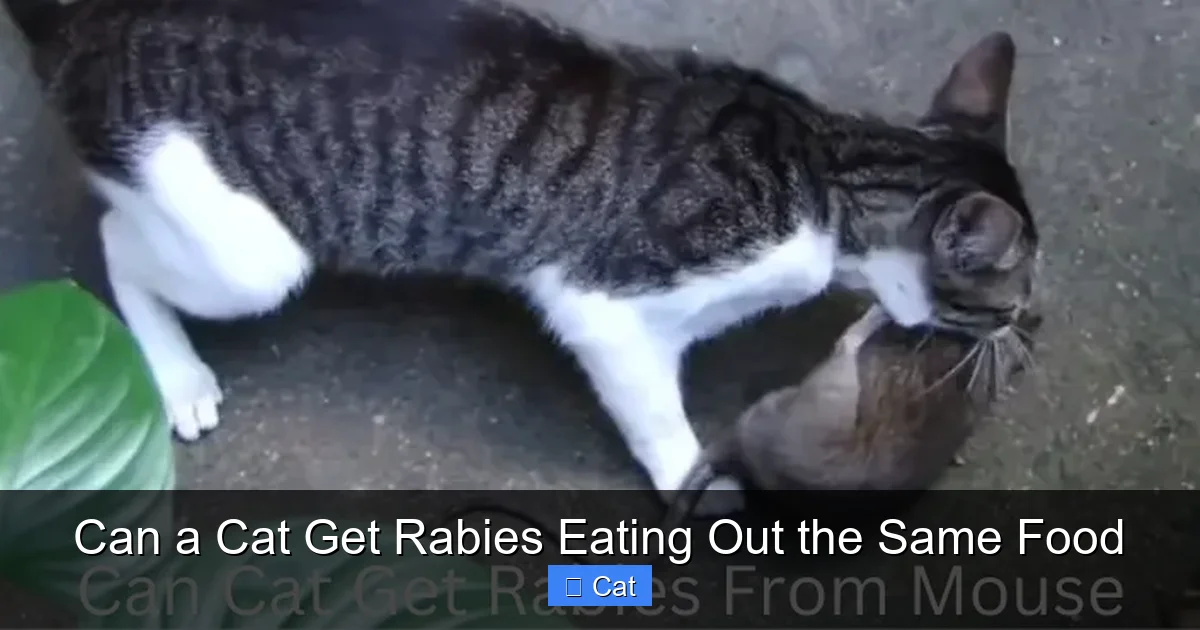
Visual guide about Can a Cat Get Rabies Eating Out the Same Food
Image source: minikinanimals.com
Rabies is a viral disease that affects the central nervous system of mammals, including cats, dogs, and humans. It’s caused by the rabies virus, which belongs to the Lyssavirus genus. Once symptoms appear, rabies is almost always fatal. That’s why prevention is so critical.
The virus is typically transmitted through the saliva of an infected animal. The most common route of transmission is a bite wound. When an infected animal bites another, the virus in their saliva enters the bloodstream or nervous tissue of the victim. From there, it travels along nerve pathways to the brain, where it causes inflammation and severe neurological damage.
But what about other ways the virus might spread? Could it survive on surfaces, like food bowls? Or could a cat get rabies from licking a contaminated dish? These are valid concerns, especially for multi-pet households or cats that eat outdoors.
How Rabies Enters the Body
For rabies to infect a cat, the virus must enter the body through a break in the skin or mucous membranes—like the mouth, nose, or eyes. A simple lick on unbroken skin won’t do it. The virus needs a pathway into the nervous system.
This means that for a cat to get rabies from food, several conditions must be met:
– The food must be freshly contaminated with saliva from a rabid animal.
– The saliva must come into contact with an open wound or mucous membrane.
– The virus must remain viable long enough to infect.
Let’s break that down. Rabies virus doesn’t survive long outside the body. It’s fragile and can be destroyed by heat, sunlight, and common disinfectants. So, if a raccoon with rabies drools into a food bowl and your cat eats from it hours later, the virus is likely already dead.
But what if the contamination is fresh—say, minutes or seconds old? In theory, yes, there’s a tiny window where transmission could occur. But even then, the risk is extremely low unless your cat has an open sore in or around its mouth.
Real-World Transmission: Bites Dominate
According to the Centers for Disease Control and Prevention (CDC), over 90% of rabies cases in animals are transmitted through bites. The virus is concentrated in the salivary glands of infected animals, making bites the most efficient delivery method.
Other forms of transmission—like contact with infected saliva on intact skin or ingestion of contaminated material—are considered negligible in real-world scenarios. There are no documented cases of a cat getting rabies from eating food that was merely licked by a rabid animal.
That said, the possibility isn’t zero. In rare, high-risk situations—such as a cat fighting with a rabid bat or raccoon and then eating from a bowl the animal recently contaminated—the risk increases slightly. But even then, the primary danger remains the bite itself, not the food.
Can Shared Food Bowls Transmit Rabies?
Now, let’s tackle the core question: can a cat get rabies eating out the same food? The short answer is: it’s highly unlikely, but not impossible under very specific conditions.
Imagine this scenario: Your outdoor cat shares a food bowl with a feral cat. One day, the feral cat is bitten by a rabid raccoon. Hours later, it drools into the shared bowl before your cat eats. Could your cat get rabies?
In theory, yes—if the saliva is fresh and your cat has a cut or sore in its mouth. But in practice, this chain of events is extremely rare. Several factors reduce the risk:
– Rabies virus degrades quickly in the environment.
– Most cats don’t have open mouth wounds.
– Infected animals often become lethargic or die soon after becoming contagious, limiting their ability to contaminate food.
Moreover, rabies isn’t like the common cold. It doesn’t spread through casual contact or shared items. You can’t get it from petting a rabid animal or touching a contaminated surface—unless that surface has fresh saliva and it enters your body through a wound.
Indoor vs. Outdoor Cats: Risk Levels
The risk of rabies exposure depends largely on your cat’s lifestyle. Indoor cats that never leave the house have virtually no risk of encountering rabid animals. They’re safe from bites, fights, and contaminated food.
Outdoor cats, however, face higher exposure. They may encounter wildlife like bats, raccoons, skunks, or foxes—common carriers of rabies in many regions. If your cat roams freely, the chance of a bite or aggressive encounter increases.
But even for outdoor cats, the risk of getting rabies from food is minimal compared to the risk from direct contact. A bite from a rabid animal is far more dangerous than eating from a shared bowl.
That said, if your outdoor cat shares food with other animals—especially strays or wildlife—it’s wise to take precautions. Remove food after feeding, clean bowls daily, and consider feeding in a secure area to prevent wildlife access.
Multi-Pet Households: Should You Worry?
If you have multiple cats or a dog and a cat, you might wonder: could one pet pass rabies to another through shared food?
Again, the risk is extremely low. Rabies isn’t contagious like a virus such as feline leukemia. It doesn’t spread through casual contact, grooming, or sharing bowls—unless there’s fresh saliva and an open wound.
However, if one of your pets is bitten by a rabid animal, that pet could become infected and potentially transmit the virus through a bite to another pet. But transmission through food? Not a realistic concern.
Still, good hygiene matters. Wash food and water bowls daily with hot, soapy water. This not only reduces the (already tiny) risk of rabies but also prevents bacteria like Salmonella or E. coli from building up.
How Rabies Affects Cats: Symptoms and Progression
Understanding how rabies progresses in cats can help you recognize the signs early—though, sadly, by the time symptoms appear, it’s usually too late.
Rabies has an incubation period that can last from weeks to months. During this time, the virus travels from the bite site to the brain. Your cat may seem perfectly normal.
Once the virus reaches the brain, symptoms begin. There are two forms of rabies in cats: furious and paralytic.
Furious Rabies
This form is more common and includes behavioral changes such as:
– Unusual aggression or irritability
– Restlessness or hyperactivity
– Excessive vocalization
– Disorientation or confusion
A normally calm cat may suddenly attack people or objects. They might also drool excessively due to difficulty swallowing.
Paralytic Rabies
Also known as “dumb” rabies, this form causes muscle weakness and paralysis. Symptoms include:
– Drooping jaw or inability to close the mouth
– Weakness in the legs, leading to collapse
– Difficulty breathing
– Loss of coordination
Paralysis often starts in the hind legs and moves forward. Eventually, the cat becomes unable to swallow, leading to foaming at the mouth—a classic but misleading sign often associated with rabies.
When to Seek Help
If your cat shows any sudden behavioral changes—especially aggression, drooling, or paralysis—contact your veterinarian immediately. Even if rabies isn’t the cause, these symptoms could indicate other serious conditions like poisoning, neurological disorders, or infections.
Never approach a cat showing signs of rabies without protection. If your own cat is acting strangely and has been exposed to wildlife, isolate them and call your vet.
Prevention: The Best Defense Against Rabies
Since rabies is almost always fatal, prevention is everything. The good news? It’s highly preventable with the right steps.
Vaccination: Your Cat’s First Line of Defense
The most effective way to protect your cat from rabies is vaccination. In many countries, including the United States, rabies vaccination is required by law for cats and dogs.
Kittens typically receive their first rabies shot between 12 and 16 weeks of age. A booster is given one year later, and then every one to three years depending on the vaccine type and local regulations.
Vaccinated cats are highly unlikely to develop rabies, even if exposed. The vaccine stimulates the immune system to fight off the virus before it can reach the brain.
Keep your cat’s vaccination records up to date and store them in a safe place. If your cat is ever bitten or exposed, proof of vaccination can save their life—and yours.
Limiting Exposure to Wildlife
Even vaccinated cats should be kept away from potentially rabid animals. Here’s how:
– Keep your cat indoors, especially at night when bats and raccoons are active.
– Supervise outdoor time in a secure, enclosed area like a catio.
– Don’t leave food or water outside that might attract wildlife.
– Seal trash cans and remove fallen fruit that could draw animals to your yard.
If you see a wild animal acting strangely—such as a raccoon wandering in daylight or a bat on the ground—keep your cat away and report it to local animal control.
Hygiene and Bowl Maintenance
While the risk of rabies from food is low, good hygiene reduces all kinds of health risks. Wash your cat’s food and water bowls daily with hot, soapy water. Use a pet-safe disinfectant once a week to kill bacteria and viruses.
Avoid sharing bowls between pets if one has been sick or exposed to wildlife. And never let your cat eat from communal outdoor feeders or stray food sources.
What to Do If You Suspect Rabies Exposure
If your cat is bitten by a wild animal or shows signs of rabies, act quickly.
Immediate Steps
1. **Wear gloves** and isolate your cat to prevent bites.
2. **Contact your veterinarian** immediately—even if your cat is vaccinated.
3. **Report the incident** to local animal control or public health officials.
4. **Observe the biting animal** if possible. If it’s a pet, it may need to be quarantined. If it’s wildlife, it might be captured for testing.
Quarantine and Monitoring
Vaccinated cats exposed to rabies may need a booster shot and a short observation period (usually 45 days). Unvaccinated cats may face longer quarantine or, in some cases, euthanasia to prevent spread.
Never assume your cat is safe just because they’re vaccinated. While the vaccine is highly effective, it’s not 100% foolproof. Prompt veterinary care is essential.
Myths and Misconceptions About Rabies and Cats
There are many myths about rabies that can cause unnecessary fear or false reassurance. Let’s clear them up.
Myth: Rabies Can Spread Through Food or Water
Fact: While theoretically possible, there are no confirmed cases of rabies transmission through food or water. The virus doesn’t survive long outside the body, and it requires direct entry into the bloodstream or nerves.
Myth: Indoor Cats Can’t Get Rabies
Fact: While rare, indoor cats can be exposed. Bats can fly into homes, and other wildlife might enter through open doors or windows. Vaccination is still crucial.
Myth: Rabies Makes Animals “Foam at the Mouth”
Fact: While excessive drooling can occur due to paralysis, not all rabid animals foam. Some show no visible signs until late stages.
Myth: You Can Cure Rabies with Antibiotics
Fact: Rabies is a virus, not a bacteria. Antibiotics don’t work. Once symptoms appear, there is no cure.
Conclusion: Stay Informed, Stay Protected
So, can a cat get rabies eating out the same food? The answer is: it’s extremely unlikely. Rabies spreads mainly through bites, and the virus doesn’t survive long on surfaces like food bowls. While there’s a tiny theoretical risk if fresh saliva from a rabid animal contaminates food and enters a wound, real-world cases are virtually nonexistent.
Your best defense is prevention: vaccinate your cat, keep them indoors or supervised, and maintain good hygiene. Clean food bowls regularly, avoid wildlife exposure, and know the signs of rabies.
Remember, rabies is a deadly but preventable disease. With the right care, your cat can live a long, healthy life—free from this terrible virus. Stay informed, stay vigilant, and give your feline friend the protection they deserve.
Frequently Asked Questions
Can my cat get rabies from sharing a food bowl with another cat?
It’s highly unlikely. Rabies spreads through bites, not shared bowls. Unless the other cat is rabid and has fresh saliva on the food that enters your cat’s bloodstream, the risk is negligible.
How long does rabies virus survive on food or bowls?
Rabies virus dies quickly outside the body—usually within minutes to hours. Heat, sunlight, and disinfectants destroy it rapidly, making environmental transmission very rare.
Should I worry if my cat eats from an outdoor food bowl?
Slightly more than indoor feeding, but still low risk. Remove food after meals, clean bowls daily, and avoid leaving food out overnight to reduce wildlife attraction.
Can a vaccinated cat still get rabies?
It’s extremely rare. Vaccines are highly effective, but no vaccine is 100% foolproof. Boosters and prompt veterinary care after exposure provide strong protection.
What should I do if my cat is bitten by a wild animal?
Wear gloves, isolate your cat, and contact your vet immediately. Report the incident to animal control. Your cat may need a booster shot and observation.
Are kittens at higher risk for rabies?
Kittens are vulnerable if unvaccinated. Ensure they receive their first rabies shot at 12–16 weeks and follow up with boosters as recommended by your vet.