

Yes, cats can absolutely get tired of their food—just like humans! While they thrive on routine, eating the same kibble or wet food day after day can lead to mealtime boredom. This doesn’t mean your cat is being picky; it’s a natural behavior rooted in their instincts and sensory preferences. Understanding the signs and knowing how to respond can help keep your feline friend happy, healthy, and eager to eat.
Key Takeaways
- Cats can develop food fatigue: Repeated exposure to the same flavor or texture may cause disinterest over time, even if the food is nutritionally complete.
- Sensory sensitivity plays a role: Cats rely heavily on smell and taste; stale or unappealing food can turn them off quickly.
- Routine vs. variety matters: While cats prefer consistency, too little variety can lead to boredom and reduced appetite.
- Health issues can mimic food fatigue: Dental pain, digestive problems, or illness may cause refusal to eat—always rule out medical causes first.
- Gradual transitions are key: When switching foods, mix old and new over 7–10 days to avoid digestive upset and increase acceptance.
- Interactive feeding helps: Puzzle feeders and rotating textures can stimulate interest and mimic natural hunting behaviors.
- Consult your vet before major changes: Sudden diet shifts or frequent switching can cause stomach issues—professional guidance ensures nutritional balance.
📑 Table of Contents
Can a Cat Get Tired of Their Food?
If you’ve ever watched your cat push their food bowl around with their paw, sniff their kibble disdainfully, or walk away from a full dish without taking a single bite, you might wonder: *Can a cat get tired of their food?* The short answer is yes—absolutely. While cats are creatures of habit who often prefer routine, they’re also highly sensitive eaters with strong preferences shaped by instinct, biology, and experience.
Unlike dogs, who may happily gobble down the same kibble for years, cats have a more discerning palate. In the wild, their ancestors consumed a varied diet of small prey—birds, mice, insects—each offering different textures, smells, and flavors. This evolutionary background means that monotony in food can feel unnatural to them. Even domesticated house cats retain this instinctual drive for variety. So when your cat suddenly turns up their nose at their usual meal, it’s not necessarily a sign of stubbornness or pickiness. It could simply be food fatigue—a real and common phenomenon among felines.
But here’s the twist: while cats *can* get bored with their food, they also thrive on consistency. Sudden changes can stress them out or upset their sensitive digestive systems. The challenge for cat parents is finding the right balance between routine and variety—keeping meals interesting without causing confusion or stomach issues. In this article, we’ll explore why cats lose interest in their food, how to spot the signs of food fatigue, and practical strategies to keep your kitty excited about mealtime—all while supporting their health and happiness.
Why Do Cats Lose Interest in Their Food?
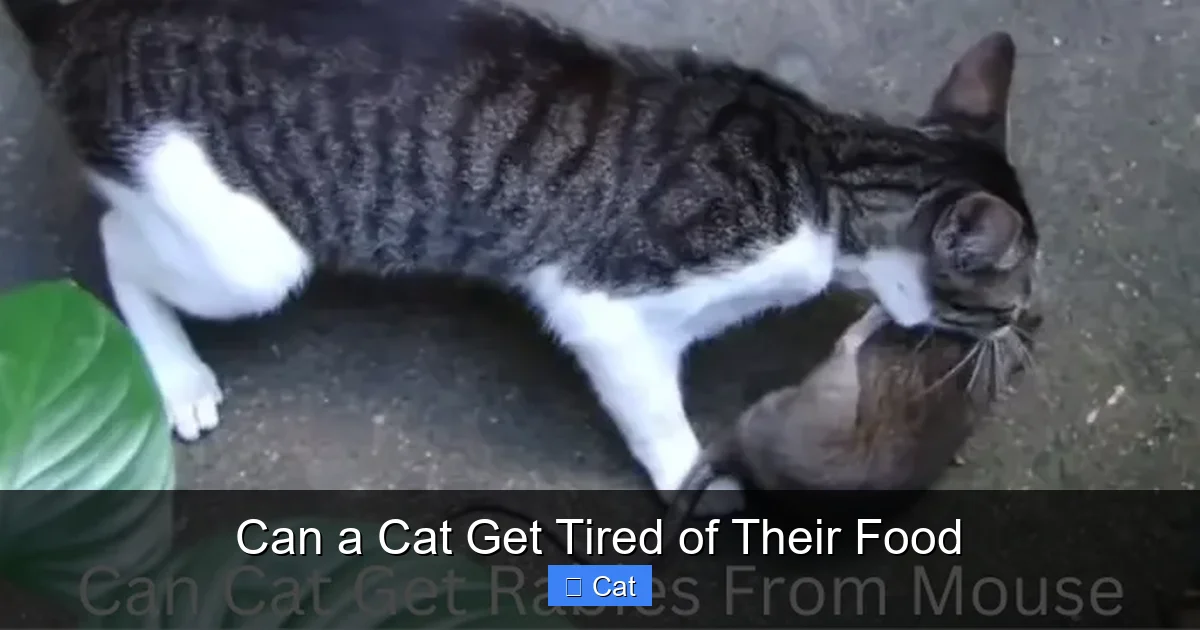
Visual guide about Can a Cat Get Tired of Their Food
Image source: minikinanimals.com
Understanding why cats get tired of their food starts with looking at their biology and behavior. Cats are obligate carnivores, meaning their bodies are designed to thrive on a meat-based diet. But beyond nutrition, their eating habits are deeply influenced by sensory input, routine, and even emotional state.
One of the biggest reasons cats lose interest in food is sensory fatigue. Cats have around 200 million scent receptors in their noses—compared to just 5 million in humans. This means they experience food primarily through smell. If a food loses its aroma (due to being stored improperly, sitting out too long, or simply becoming familiar), it becomes less appealing. Think of it like eating your favorite soup every day for a month—it might still taste good, but the excitement wears off. For cats, that “excitement” is often tied to how strong and fresh the scent is.
Texture also plays a major role. Some cats prefer pâté, others gravitate toward chunks in gravy, and a few only eat dry kibble. Over time, even a beloved texture can feel monotonous. Imagine eating the same sandwich for breakfast, lunch, and dinner—no matter how tasty it is, you’d probably crave something different after a while. Cats are no different.
Another factor is routine. While cats appreciate predictability in their environment, too much repetition in food can lead to boredom. This is especially true for indoor cats, who don’t have the opportunity to hunt or explore new food sources. Without mental stimulation, mealtime can become just another chore—not a rewarding experience.
Finally, emotional and environmental factors matter. Stress, changes in the household (like a new pet or move), or even a dirty food bowl can make a cat reluctant to eat. Sometimes, the issue isn’t the food itself, but the context in which it’s served.
The Science Behind Feline Food Preferences
Research shows that cats have unique taste receptors that influence their food choices. Unlike humans, cats cannot taste sweetness—they lack the gene for sweet receptors. Instead, they’re highly sensitive to amino acids, particularly those found in meat like taurine and arginine. This is why high-protein, meat-based foods are so appealing to them.
Studies also suggest that cats prefer foods with certain textures and temperatures. Warm food releases more aroma, which is why many cats are more interested in freshly opened wet food than food that’s been refrigerated. Similarly, some cats prefer food at room temperature, while others like it slightly warmed (never hot!).
Interestingly, kittens often develop strong preferences early in life. The flavors and textures they’re exposed to during weaning can shape their tastes for years. This is why introducing variety early—while still maintaining balance—can help prevent extreme pickiness later.
Common Triggers for Food Boredom
Several everyday factors can contribute to a cat losing interest in their food:
– Repetitive meals: Feeding the same brand, flavor, and texture day after day.
– Improper storage: Dry food exposed to air loses crunch and aroma; wet food not refrigerated properly can spoil or dry out.
– Feeding schedule changes: Cats thrive on routine; inconsistent meal times can disrupt their appetite.
– Environmental stress: Loud noises, new pets, or changes in routine can suppress appetite.
– Health issues: Dental pain, gastrointestinal problems, or infections can make eating uncomfortable.
Recognizing these triggers is the first step in addressing food fatigue. The good news? Most cases are manageable with small adjustments.
Signs Your Cat Is Tired of Their Food
So how do you know if your cat is genuinely bored with their meals—or if something else is going on? While occasional finickiness is normal, consistent disinterest in food can signal food fatigue or an underlying issue. Here are the most common signs to watch for.
One of the clearest indicators is a sudden or gradual decrease in appetite. If your cat used to finish their bowl but now leaves food behind—especially if they’re still active and playful—it could be boredom. Another sign is sniffing or licking the food without eating it. This “testing” behavior suggests they’re curious but not convinced.
You might also notice your cat walking away from the bowl, only to return later and take a few bites. This stop-and-start eating pattern can indicate mild disinterest. Some cats will even paw at their food or knock kibble out of the bowl—a behavior that looks like play but may actually be a sign of frustration or dissatisfaction.
Another red flag is a preference for treats over regular meals. If your cat eagerly accepts treats but turns up their nose at their kibble or wet food, it’s a strong hint that their main diet isn’t satisfying them. Similarly, if they start scavenging for food (like licking crumbs off the floor or begging at the dinner table), it could mean they’re not getting enough stimulation from their meals.
Behavioral Cues to Watch For
Cats are masters at hiding discomfort, so behavioral changes are often the first clues. Watch for:
– Reduced interaction with the food bowl: Less time spent near the bowl or avoiding it altogether.
– Increased interest in human food: Begging more than usual or showing excitement when you cook.
– Changes in grooming or energy levels: While not directly related to food, these can indicate stress or illness.
– Vocalization around mealtime: Some cats meow more when they’re unhappy with their food, as if trying to communicate their dissatisfaction.
It’s important to distinguish between food fatigue and medical issues. If your cat shows additional symptoms—like vomiting, diarrhea, weight loss, lethargy, or bad breath—it’s time to visit the vet. Dental disease, for example, is a common cause of reduced appetite in older cats.
When to Worry vs. When to Adjust
Not every food refusal is cause for alarm. Cats are naturally cautious eaters, and it’s normal for them to be hesitant about new foods or to skip a meal occasionally. However, if your cat refuses food for more than 24–48 hours, especially if they’re not drinking water, seek veterinary care immediately. Prolonged anorexia in cats can lead to a serious condition called hepatic lipidosis (fatty liver disease), which can be life-threatening.
On the other hand, if your cat is otherwise healthy—eating some food, drinking water, using the litter box normally—it’s likely a case of food fatigue. In these cases, small changes like rotating flavors, warming the food, or using puzzle feeders can make a big difference.
How to Prevent and Fix Food Boredom
The good news is that food boredom is preventable—and reversible—with a few smart strategies. The key is to keep meals engaging without overwhelming your cat or disrupting their digestive system.
One of the simplest and most effective approaches is rotating flavors and textures. Instead of sticking to one brand or formula, try offering different protein sources (chicken, turkey, fish, duck) and textures (pâté, shreds, gravy, kibble) on a weekly or biweekly basis. This mimics the variety they’d encounter in the wild and keeps their taste buds interested.
Another great tactic is warming wet food slightly before serving. Heat enhances aroma, which is crucial for cats. Just make sure it’s lukewarm—never hot—and always test it on your wrist first. You can also try adding a small amount of warm water or low-sodium broth (make sure it’s onion- and garlic-free) to dry kibble to boost moisture and scent.
Interactive feeding is another powerful tool. Puzzle feeders, treat-dispensing toys, and food-dispensing balls turn mealtime into a game, stimulating your cat’s mind and satisfying their hunting instincts. This not only makes eating more fun but can also slow down fast eaters and reduce boredom-related behaviors like overgrooming or excessive meowing.
Gradual Food Transitions Are Essential
If you decide to switch your cat’s food, do it slowly. Sudden changes can cause digestive upset, including vomiting or diarrhea. The best method is a 7–10 day transition:
– Days 1–2: 75% old food, 25% new food
– Days 3–4: 50% old food, 50% new food
– Days 5–6: 25% old food, 75% new food
– Day 7+: 100% new food
Mix the foods thoroughly and monitor your cat’s reaction. If they show signs of stomach upset, slow the process down or consult your vet.
Creative Ways to Spice Up Meals
– Toppers: Add a sprinkle of freeze-dried chicken, salmon flakes, or a dab of plain yogurt (if your cat tolerates dairy).
– Rotating brands: Choose high-quality brands with different ingredient profiles to keep things fresh.
– Homemade broths: Simmer plain chicken or bone broth (no seasonings) and drizzle over food.
– Scheduled variety: Designate “fish Fridays” or “chicken Wednesdays” to create fun routines.
Remember, the goal isn’t to overwhelm your cat with constant change, but to provide enough variety to keep them engaged—without sacrificing nutrition or routine.
When Food Refusal Isn’t Just Boredom
While food fatigue is common, it’s crucial to rule out medical causes before assuming your cat is just being picky. Several health issues can mimic food boredom, and ignoring them can lead to serious consequences.
Dental problems are a leading cause of reduced appetite in cats. Tooth decay, gum disease, or oral ulcers can make chewing painful. You might notice your cat drooling, pawing at their mouth, or favoring one side when eating. Older cats are especially prone to dental issues, so regular check-ups are essential.
Gastrointestinal disorders, such as inflammatory bowel disease (IBD), pancreatitis, or parasites, can also affect appetite. These conditions often come with additional symptoms like vomiting, diarrhea, or weight loss. Similarly, kidney disease—common in senior cats—can cause nausea and reduced interest in food.
Other medical conditions, including hyperthyroidism, diabetes, or infections, may also suppress appetite. Even stress or anxiety from environmental changes (like a new baby, pet, or move) can temporarily affect eating habits.
Red Flags That Warrant a Vet Visit
– Refusing food for more than 48 hours
– Lethargy or weakness
– Vomiting or diarrhea lasting more than a day
– Visible weight loss
– Bad breath or drooling
– Changes in water intake or litter box habits
If you notice any of these signs, schedule a vet appointment promptly. Early diagnosis and treatment can prevent complications and help your cat return to healthy eating.
How to Work With Your Veterinarian
When you visit the vet, be prepared to share details about your cat’s eating habits, behavior, and any recent changes. Bring a sample of their current food and note how long they’ve been eating it. Your vet may recommend blood work, urinalysis, or imaging to rule out underlying conditions.
If medical issues are ruled out, your vet can also help you develop a feeding plan that balances variety and nutrition. They may suggest prescription diets or supplements if your cat has specific health needs.
Maintaining a Balanced Approach to Feline Nutrition
Ultimately, the goal is to keep your cat healthy, happy, and excited about food—without compromising their nutritional needs. This means finding a balance between routine and variety, sensory appeal and dietary completeness.
Start by choosing high-quality cat food that meets AAFCO (Association of American Feed Control Officials) standards. Look for products with real meat as the first ingredient and minimal fillers or artificial additives. While premium foods may cost more, they often lead to better digestion, healthier coats, and fewer vet visits in the long run.
From there, introduce variety thoughtfully. Rotate between two or three trusted brands or formulas, and pay attention to your cat’s preferences. Some cats love fish, while others avoid it due to strong odors. Keep a feeding journal if needed to track what works and what doesn’t.
Don’t forget the importance of fresh water. Many cats prefer running water, so consider a cat water fountain to encourage hydration—especially if you feed dry food.
The Role of Routine in a Happy Cat’s Life
While variety is important, so is consistency. Cats feel secure when they know what to expect. Try to feed at the same times each day, keep their feeding area clean and quiet, and avoid frequent, drastic changes to their diet.
That said, small, positive changes—like a new puzzle feeder or a different flavor once a week—can enhance their quality of life without causing stress.
Final Thoughts on Food Fatigue
Food fatigue in cats is real, but it’s manageable. By understanding your cat’s sensory needs, watching for behavioral cues, and making thoughtful adjustments, you can keep mealtime enjoyable and nutritious. And remember: when in doubt, your veterinarian is your best resource for ensuring your cat’s health and happiness.
Conclusion
So, can a cat get tired of their food? The answer is a resounding yes. Cats are complex creatures with strong instincts, sensitive palates, and a deep need for both routine and stimulation. While they may not say it in words, their behavior often tells us when they’re bored with their meals. The good news is that with a little observation, creativity, and care, you can keep your feline friend engaged, healthy, and excited about every bite.
Start by paying attention to the signs—reduced appetite, food testing, or a preference for treats. Rule out medical issues with your vet, then experiment with small changes like rotating flavors, warming food, or using interactive feeders. Remember, the goal isn’t constant change, but thoughtful variety that respects your cat’s natural preferences and nutritional needs.
At the end of the day, a happy cat is one who feels safe, loved, and satisfied—not just with their food, but with their entire environment. By tuning into their needs and responding with patience and love, you’ll not only prevent food fatigue but strengthen the bond you share with your furry companion.
Frequently Asked Questions
Can cats really get bored of eating the same food every day?
Yes, cats can absolutely get bored of eating the same food daily. While they thrive on routine, their natural instincts drive them to seek variety in texture, flavor, and aroma. Over time, repeated exposure to the same meal can lead to food fatigue, causing disinterest or refusal to eat.
How often should I change my cat’s food to prevent boredom?
There’s no strict rule, but rotating flavors or brands every 1–2 weeks can help prevent boredom. Avoid changing food too frequently, as this can upset your cat’s stomach. A balanced approach—offering variety while maintaining nutritional consistency—works best.
Is it safe to mix different cat foods together?
Yes, mixing different cat foods is generally safe and can help with transitions or adding variety. Just ensure both foods are high-quality and nutritionally complete. Avoid mixing wet and dry food if your cat has dental issues, as dry kibble may help clean teeth.
What should I do if my cat stops eating entirely?
If your cat refuses food for more than 24–48 hours, contact your veterinarian immediately. Prolonged anorexia can lead to serious health issues like fatty liver disease. While food fatigue is common, sudden appetite loss may signal an underlying medical condition.
Can treats replace regular meals if my cat is bored with their food?
No, treats should not replace balanced meals. While they can be used to entice eating or add variety, they lack the complete nutrition cats need. Use treats sparingly and focus on enhancing regular meals with toppers or interactive feeders instead.
Are puzzle feeders effective for combating food boredom?
Absolutely. Puzzle feeders stimulate your cat’s mind, slow down eating, and mimic natural hunting behaviors. They’re especially helpful for indoor cats who may lack mental stimulation. Start with simple designs and gradually increase difficulty as your cat adapts.