

While cats can survive without food for up to a week in rare cases, doing so is extremely dangerous and can lead to severe health complications like hepatic lipidosis. Even a few days without eating can be life-threatening, especially in overweight or senior cats. Always consult a veterinarian if your cat refuses food for more than 24–48 hours.
Key Takeaways
- Cats should not go without food for more than 2–3 days: Unlike dogs or humans, cats have unique metabolic needs that make fasting risky.
- Hepatic lipidosis is a major risk: Also known as fatty liver disease, this life-threatening condition can develop within days of not eating.
- Water is just as important as food: A cat can survive only about 3–4 days without water, so hydration is critical.
- Underlying illness often causes appetite loss: Refusing food may signal dental pain, kidney disease, infections, or other medical issues.
- Overweight cats are at higher risk: Fatty tissue releases toxins when broken down too quickly during starvation.
- Kittens and seniors are especially vulnerable: Their bodies are less resilient, and even short fasting periods can be dangerous.
- Always seek veterinary care promptly: If your cat hasn’t eaten in 24–48 hours, contact your vet immediately.
📑 Table of Contents
- Can a Cat Go a Week Without Food?
- Why Cats Can’t Handle Fasting Like Other Animals
- Common Reasons Cats Stop Eating
- Signs Your Cat Isn’t Eating—and What to Do
- What Happens During a Week Without Food?
- When to See a Vet
- How to Encourage a Reluctant Eater
- Prevention: Keeping Your Cat Eating Well
- Conclusion
Can a Cat Go a Week Without Food?
If you’ve ever come home to find your cat turning up their nose at dinner—again—you might wonder: how long can they really go without eating? After all, cats are independent creatures. Maybe they’re just being picky, right? While it’s true that cats can be finicky eaters, the reality is far more serious than a simple food preference. The question “can a cat go a week without food?” isn’t just about survival—it’s about health, safety, and potentially life or death.
Cats are obligate carnivores, which means their bodies are designed to thrive on a diet rich in animal protein. Unlike humans or even dogs, they rely heavily on protein for energy, not carbohydrates. This unique metabolism makes them highly sensitive to changes in their eating habits. When a cat stops eating, even for a short time, their body begins to break down fat stores for energy. But here’s the catch: cats’ livers aren’t built to handle large amounts of fat all at once. This can lead to a dangerous buildup of fat in the liver, a condition known as hepatic lipidosis or fatty liver disease.
So while it’s technically possible for a healthy adult cat to survive without food for up to a week under ideal conditions—plenty of water, no underlying illness, and a stable environment—it’s far from safe. In fact, most veterinarians agree that cats should not go more than 24 to 48 hours without eating. After that, the risk of serious health problems increases dramatically. Even if your cat seems fine on the surface, internal damage may already be occurring.
Why Cats Can’t Handle Fasting Like Other Animals
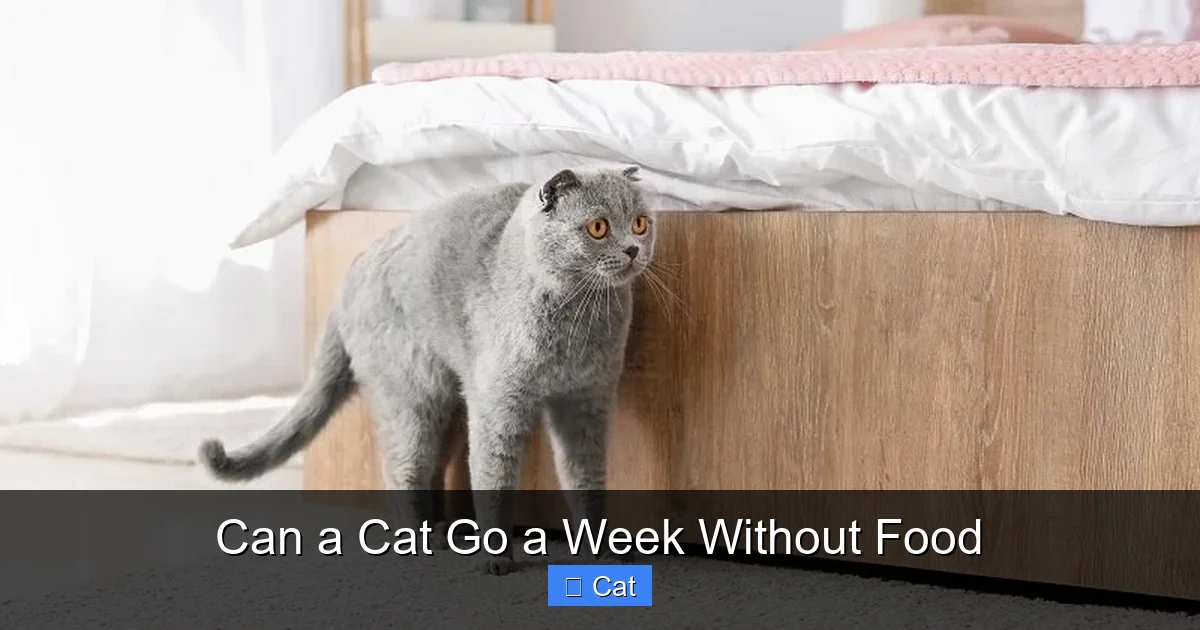
Visual guide about Can a Cat Go a Week Without Food
Image source: animalpath.org
To understand why cats are so vulnerable to food deprivation, it helps to look at their biology. Cats have evolved as hunters, eating small, frequent meals throughout the day. Their digestive systems are short and efficient, designed to process meat quickly. But their metabolism is where things get tricky.
Unlike humans, who can switch between burning carbohydrates and fats for energy, cats are almost entirely dependent on protein. Their livers constantly produce glucose from amino acids—a process called gluconeogenesis. This means they need a steady supply of protein to function properly. When food intake drops, their bodies start breaking down muscle and fat to meet this demand. But the liver can only process so much fat at a time. When fat accumulates faster than the liver can handle it, hepatic lipidosis develops.
This condition doesn’t happen overnight. It can begin within 48 to 72 hours of not eating, especially in overweight cats. The liver becomes swollen and inflamed, leading to liver failure if not treated quickly. Symptoms include lethargy, vomiting, jaundice (yellowing of the eyes or gums), and loss of coordination. Without prompt veterinary intervention, hepatic lipidosis can be fatal.
Another factor is that cats have a low thirst drive. In the wild, they get most of their moisture from prey. Domestic cats often don’t drink enough water on their own, especially if they’re eating dry food. This makes dehydration a real risk when they stop eating, since food contributes to their overall fluid intake. Dehydration worsens the effects of fasting and can lead to kidney problems.
The Role of Body Condition
Not all cats respond to fasting the same way. A lean, healthy cat might tolerate a short period without food better than an overweight one. That’s because fat tissue releases fatty acids into the bloodstream when broken down. In normal circumstances, the liver processes these acids efficiently. But during prolonged fasting, especially in obese cats, the liver becomes overwhelmed. The result is a toxic buildup that impairs liver function.
For example, imagine a 15-pound indoor cat who suddenly stops eating due to stress from a move. Within three days, their body starts breaking down fat reserves. By day five, their liver is struggling to keep up. By day seven, they may already be showing signs of illness. This isn’t just theoretical—veterinarians see cases like this regularly, often in cats who’ve been boarded, relocated, or exposed to new pets or loud noises.
Age and Health Matter
Kittens, senior cats, and those with pre-existing conditions are even more at risk. Kittens are growing rapidly and need constant nutrition. Going without food for even 12–24 hours can lead to hypoglycemia (low blood sugar), weakness, and seizures. Senior cats often have reduced organ function, making it harder for their bodies to cope with stress or illness. A cat with kidney disease, diabetes, or hyperthyroidism may deteriorate quickly without proper nutrition.
For instance, a 12-year-old cat with early-stage kidney disease might seem fine after missing a meal or two. But if they go 48 hours without eating, their kidneys may struggle to filter toxins, leading to a rapid decline. That’s why it’s crucial to monitor appetite closely in older cats and seek help at the first sign of trouble.
Common Reasons Cats Stop Eating
Understanding why a cat refuses food is just as important as knowing how long they can go without it. Appetite loss is rarely just about being “picky.” In most cases, it’s a symptom of an underlying issue. Here are some of the most common causes:
Dental or Oral Pain
Tooth decay, gum disease, abscesses, or oral injuries can make eating painful. Cats are masters at hiding discomfort, so you might not notice they’re in pain until they stop eating altogether. Signs include drooling, pawing at the mouth, bad breath, or chewing on one side of the mouth. A cat with a broken tooth might still drink water but refuse dry kibble, preferring soft food—if they eat at all.
Stress or Anxiety
Cats are creatures of habit. Changes in their environment—like a new pet, a move, loud construction, or even a different brand of litter—can cause stress that leads to appetite loss. This is especially true for shy or sensitive cats. For example, introducing a new dog to the household might cause a previously healthy cat to hide and refuse meals for days.
Illness or Infection
Many diseases cause nausea, fatigue, or pain that reduces appetite. Upper respiratory infections, urinary tract infections, pancreatitis, and cancers are all potential culprits. A cat with a fever or infection may feel too unwell to eat, even if they’re drinking water.
Medication Side Effects
Some medications, especially antibiotics or chemotherapy drugs, can cause nausea or alter taste, leading to food aversion. If your cat starts refusing food after beginning a new prescription, talk to your vet. They may be able to adjust the dosage or switch to a different medication.
Food-Related Issues
Sometimes the problem is simpler: the food itself. Cats can develop preferences or aversions to certain textures, flavors, or brands. Spoiled food, a change in diet, or a dislike of a new formula can cause them to turn up their nose. Also, if food is left out too long, it can become stale or contaminated, making it unappealing.
Behavioral or Psychological Factors
In rare cases, appetite loss can stem from behavioral issues like depression or anxiety disorders. Cats who’ve experienced trauma or neglect may be hesitant to eat in new environments. Multi-cat households can also lead to competition or stress around feeding time, causing some cats to avoid the food bowl altogether.
Signs Your Cat Isn’t Eating—and What to Do
Cats are experts at masking illness, so it’s important to know the subtle signs that they’re not eating. Early detection can make a huge difference in treatment outcomes.
How to Tell If Your Cat Hasn’t Eaten
– **Food bowl remains full:** Check the bowl daily. If kibble hasn’t been touched for 24 hours, it’s a red flag.
– **Weight loss:** Even a small drop in weight over a few days can be significant. Feel your cat’s ribs—if they’re easily visible or palpable, they may be underweight.
– **Lethargy:** A normally active cat becoming unusually sleepy or withdrawn may be unwell.
– **Vomiting or diarrhea:** These can accompany appetite loss and indicate gastrointestinal issues.
– **Hiding behavior:** Cats often retreat when they’re not feeling well.
– **Excessive grooming or lack of grooming:** Changes in grooming habits can signal stress or illness.
Immediate Steps to Take
If you notice your cat hasn’t eaten in 24 hours, don’t wait. Here’s what you can do:
1. **Offer tempting food:** Try warming wet food slightly (to body temperature) to enhance the smell. Offer high-value treats like tuna, chicken baby food (no onion or garlic), or plain cooked chicken.
2. **Encourage hydration:** Make sure fresh water is always available. Some cats prefer running water, so a pet fountain might help.
3. **Reduce stress:** Create a quiet, safe space for your cat to eat. Feed them in a separate room if other pets are present.
4. **Check the food:** Ensure the food isn’t expired, stale, or contaminated. Try a different flavor or brand.
5. **Monitor closely:** Keep a log of eating, drinking, and behavior. Note any vomiting, diarrhea, or changes in litter box habits.
If your cat still refuses food after 48 hours—or shows any signs of illness—contact your veterinarian immediately. Early intervention is key to preventing complications like hepatic lipidosis.
What Happens During a Week Without Food?
Let’s say, for argument’s sake, that a cat does go a full week without eating. What exactly happens inside their body? The timeline is critical.
Day 1–2: Initial Response
In the first 24–48 hours, the cat’s body begins to use stored glycogen (sugar) for energy. Once that’s depleted, it shifts to breaking down fat and muscle. At this stage, the cat may still seem relatively normal—drinking water, using the litter box, and showing some interest in surroundings. But internally, metabolic changes are already underway.
Day 3–4: Metabolic Shift
By day three, the liver is working overtime to process fatty acids. If the cat is overweight, fat mobilization increases, raising the risk of hepatic lipidosis. The cat may become lethargic, lose interest in play, and sleep more. Dehydration may begin if water intake is low.
Day 5–7: Organ Stress and Decline
By day five, liver function may be impaired. Jaundice can appear, with yellowing of the skin, gums, or eyes. Vomiting, diarrhea, and weakness are common. The cat may stop drinking water, accelerating dehydration. Kidney function can decline due to lack of hydration and toxin buildup. Without treatment, organ failure becomes likely.
Even if the cat survives, recovery can take weeks or months. Liver damage may be permanent, and the cat could suffer long-term health issues. That’s why waiting a full week is never advisable.
When to See a Vet
The golden rule: if your cat hasn’t eaten for more than 24–48 hours, see a vet. This is especially true if they’re overweight, elderly, or have known health conditions.
Emergency Signs
Seek immediate veterinary care if your cat shows any of the following:
– Vomiting repeatedly
– Diarrhea with blood
– Lethargy or inability to stand
– Jaundice (yellow gums or eyes)
– Seizures or disorientation
– No urination for 24 hours
These signs indicate a medical emergency and require urgent treatment.
What the Vet Might Do
At the clinic, the vet will perform a physical exam, blood tests, and possibly imaging (like X-rays or ultrasound) to check liver function and rule out blockages or other issues. Treatment may include:
– IV fluids to combat dehydration
– Appetite stimulants
– Anti-nausea medication
– Nutritional support (like a feeding tube in severe cases)
– Treatment for underlying conditions
With prompt care, many cats recover fully. But the longer you wait, the harder recovery becomes.
How to Encourage a Reluctant Eater
Sometimes, getting a cat to eat requires a little creativity. Here are some practical tips:
Warm the Food
Cats have a strong sense of smell, and warming wet food to body temperature (around 98–100°F) releases aromas that make it more appealing. Never microwave food directly—warm it in a bowl of warm water instead.
Try Different Textures and Flavors
Some cats prefer pâté, others like chunks in gravy. Rotate between chicken, fish, and beef to find what they like. Avoid fish-heavy diets long-term, as they can lead to nutritional imbalances.
Hand-Feed or Use a Syringe
For very reluctant eaters, offering small amounts by hand or using a syringe (without forcing) can help. Always consult your vet before syringe-feeding to avoid aspiration.
Create a Calm Environment
Feed your cat in a quiet, low-traffic area. Use a shallow bowl to avoid whisker fatigue (when the whiskers touch the sides of a deep bowl, causing discomfort).
Consider Appetite Stimulants
Vets may prescribe medications like mirtazapine or capromorelin to stimulate hunger. These are safe when used under veterinary guidance.
Prevention: Keeping Your Cat Eating Well
The best way to avoid food-related emergencies is prevention. Here’s how to keep your cat’s appetite healthy:
– **Feed a balanced, high-protein diet:** Choose quality cat food with real meat as the first ingredient.
– **Stick to a routine:** Feed at the same times each day to establish consistency.
– **Monitor food intake:** Keep track of how much your cat eats daily.
– **Regular vet checkups:** Annual exams can catch health issues early.
– **Minimize stress:** Provide safe spaces, enrichment, and gradual introductions to changes.
– **Keep food fresh:** Store dry food in an airtight container and replace wet food within 2 hours if not eaten.
Conclusion
So, can a cat go a week without food? Technically, yes—but it’s a dangerous gamble with potentially fatal consequences. Cats are not built to fast, and even a few days without eating can trigger life-threatening conditions like hepatic lipidosis. Their unique metabolism, reliance on protein, and low thirst drive make them especially vulnerable to the effects of starvation.
If your cat stops eating, don’t assume it’s just a phase. Appetite loss is often a sign of pain, illness, or stress. The moment you notice your cat hasn’t eaten in 24 hours, start troubleshooting—offer tempting food, reduce stress, and monitor closely. But if there’s no improvement within 48 hours, or if your cat shows any signs of illness, seek veterinary care immediately.
Your cat’s life may depend on it. Remember: when it comes to food, cats don’t have the luxury of time. A healthy appetite is a sign of a healthy cat—so keep an eye on that food bowl, and act quickly when something seems off. Your feline friend will thank you with purrs, headbutts, and many more happy years together.
Frequently Asked Questions
Can a cat survive a week without food if they’re drinking water?
While water helps prevent dehydration, it doesn’t prevent the metabolic dangers of not eating. A cat can still develop hepatic lipidosis within days, even if they’re drinking. Survival for a week is possible but extremely risky and not recommended.
How long can a kitten go without food?
Kittens should not go more than 12–24 hours without eating. Their small bodies need constant energy for growth, and fasting can lead to hypoglycemia, weakness, or seizures.
Is it normal for a cat to skip a meal?
Occasionally skipping one meal may not be alarming, especially if the cat eats normally otherwise. But missing two meals in a row or showing other signs of illness warrants attention.
Can stress cause a cat to stop eating?
Yes, stress is a common cause of appetite loss in cats. Changes in environment, new pets, loud noises, or disruptions to routine can all lead to temporary fasting.
What should I do if my cat won’t eat wet food?
Try warming it slightly, offering different flavors or textures, or mixing in a small amount of tuna juice. If the refusal continues, consult your vet to rule out dental or medical issues.
Can I force-feed my cat if they’re not eating?
Force-feeding should only be done under veterinary guidance. Improper technique can lead to aspiration pneumonia. Your vet may recommend syringe feeding or a feeding tube if necessary.