
Yes, a cat can technically survive without food for 24 hours, but it’s not safe or recommended. Unlike dogs, cats are obligate carnivores with unique metabolic needs, and even short fasting can trigger serious health issues like hepatic lipidosis. Always monitor your cat’s eating habits and consult a vet if they skip meals.
Key Takeaways
- Cats can survive 24 hours without food, but it’s risky: While a healthy adult cat may physically endure a day without eating, their bodies aren’t designed for fasting, and complications can arise quickly.
- Hepatic lipidosis is a major concern: Also known as fatty liver disease, this life-threatening condition can develop in as little as 48 hours if a cat stops eating due to stress, illness, or dietary changes.
- Kittens and senior cats are especially vulnerable: Young kittens have high energy needs and low fat reserves, while older cats may have underlying health issues that worsen with fasting.
- Stress and environment play a big role: Changes in routine, new pets, loud noises, or moving can cause a cat to refuse food—even if they’re otherwise healthy.
- Monitor for warning signs: Lethargy, vomiting, yellowing of the eyes or gums, weight loss, or hiding behavior are red flags that require immediate veterinary attention.
- Encourage eating with safe strategies: Warming food, offering high-value treats, or switching textures (wet vs. dry) can help stimulate appetite in a reluctant eater.
- Always consult a vet if your cat skips more than one meal: Early intervention is key to preventing serious complications and ensuring your cat stays healthy and happy.
📑 Table of Contents
- Can a Cat Go Without Food for 24 Hours?
- Why Cats Can’t Handle Fasting Like Other Animals
- The Dangers of Hepatic Lipidosis (Fatty Liver Disease)
- Factors That Increase the Risk of Fasting Complications
- Signs Your Cat Isn’t Eating—And What to Do
- Preventing Food Refusal: Tips for a Healthy Appetite
- Conclusion: A 24-Hour Fast Is a Red Flag, Not a Test
Can a Cat Go Without Food for 24 Hours?
If you’ve ever come home to find your cat’s food bowl untouched, you’ve probably wondered: *Can a cat go without food for 24 hours?* It’s a common concern among pet owners, especially when travel, illness, or stress disrupts your cat’s routine. The short answer is yes—technically, a healthy adult cat can survive a full day without eating. But here’s the catch: just because they *can* doesn’t mean they *should*.
Cats are not like dogs or humans when it comes to fasting. Their bodies are finely tuned machines built for frequent, protein-rich meals. As obligate carnivores, they rely on a steady intake of animal-based nutrients to fuel their metabolism. Unlike omnivores, cats can’t efficiently switch to burning fat for energy when food is scarce. This makes them uniquely vulnerable to health problems even after short periods without food.
So while 24 hours might not immediately endanger a robust adult cat, it’s a critical window. The real danger isn’t just hunger—it’s what happens inside their body when they stop eating. From metabolic shifts to organ stress, the consequences can escalate quickly. That’s why understanding your cat’s nutritional needs and recognizing the signs of trouble is essential for every responsible pet parent.
Why Cats Can’t Handle Fasting Like Other Animals
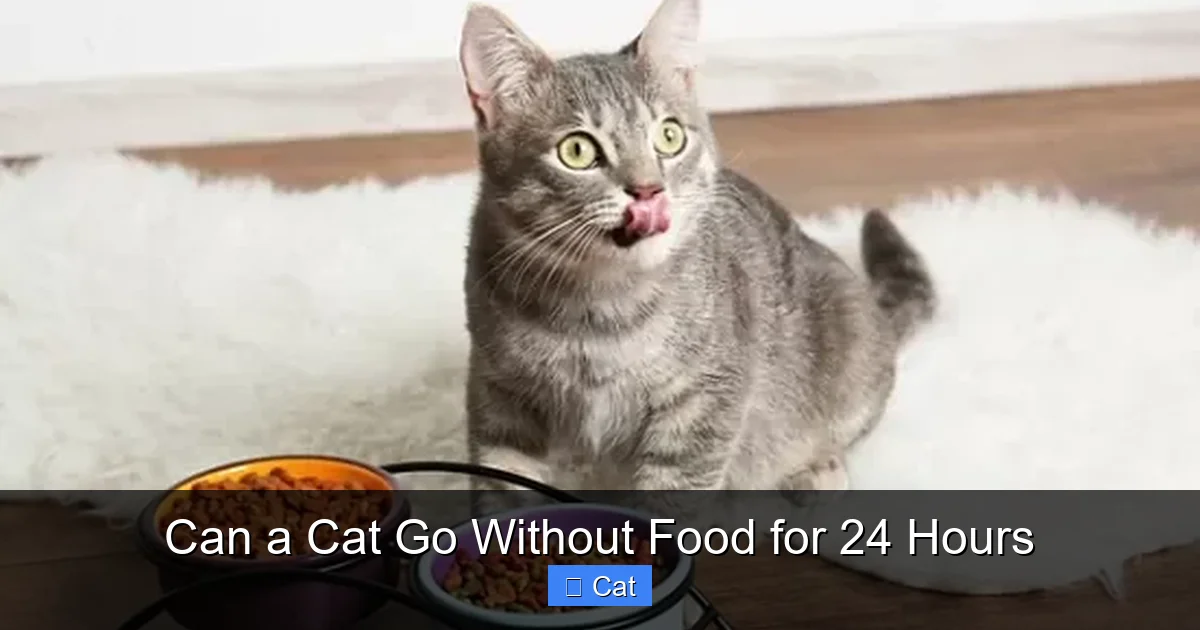
Visual guide about Can a Cat Go Without Food for 24 Hours
Image source: catlovesbest.com
To truly grasp why a 24-hour fast is risky for cats, we need to dive into their biology. Cats evolved as solitary hunters, catching small prey like mice and birds multiple times a day. This lifestyle shaped their digestive and metabolic systems to thrive on frequent, high-protein meals. Their bodies are optimized for breaking down animal tissue, not storing large fat reserves or switching fuel sources easily.
One of the most critical differences lies in how cats process protein. Unlike humans and dogs, cats have a constantly active liver enzyme called glucokinase, which means their bodies are always primed to use protein for energy—even when glucose (sugar) is available. This adaptation works great when they’re eating regularly, but it becomes a liability during fasting. Without incoming protein, their bodies start breaking down muscle and fat at an accelerated rate, leading to rapid weight loss and metabolic imbalance.
Another key factor is their limited ability to regulate blood sugar. Cats don’t have the same insulin sensitivity as other mammals, so they can’t efficiently store or mobilize glucose. When food intake drops, their blood sugar can dip dangerously low, especially in kittens or diabetic cats. This can lead to weakness, confusion, and even seizures.
Additionally, cats lack certain enzymes needed to convert fat into usable energy efficiently. While humans can go days or even weeks without food by burning fat reserves, cats can’t do this safely. Instead, excess fat accumulates in the liver, setting the stage for hepatic lipidosis—a potentially fatal condition we’ll explore in depth later.
In short, a cat’s body isn’t built for fasting. Even a single missed meal can trigger a cascade of internal changes that compromise their health. That’s why skipping food for 24 hours isn’t just about hunger—it’s a metabolic emergency waiting to happen.
The Dangers of Hepatic Lipidosis (Fatty Liver Disease)
One of the most serious risks of a cat going without food for 24 hours—or longer—is hepatic lipidosis, commonly known as fatty liver disease. This condition occurs when a cat’s liver becomes overwhelmed with fat deposits due to prolonged fasting or reduced food intake. It’s especially dangerous because it can develop rapidly and often goes unnoticed until it’s advanced.
How Fatty Liver Disease Develops
When a cat stops eating, their body begins breaking down fat stores for energy. In healthy animals, the liver processes this fat and sends it to other tissues for fuel. But in cats, this system is inefficient. The liver can’t keep up with the sudden influx of fat, so it starts accumulating inside liver cells. Over time, these fat deposits impair liver function, leading to inflammation, cell death, and potentially liver failure.
Hepatic lipidosis can begin as early as 48 hours after a cat stops eating, but the risk increases significantly after just 24 hours—especially in overweight cats. Fatty cats have larger fat reserves, which means more fat is mobilized when they fast, overwhelming the liver even faster.
Symptoms to Watch For
Early signs of fatty liver disease can be subtle, which is why it’s so dangerous. Watch for:
– Loss of appetite (which may seem like the cause, but can also be a symptom)
– Lethargy or weakness
– Weight loss, especially around the abdomen
– Vomiting or drooling
– Yellowing of the eyes, gums, or skin (jaundice)
– Dehydration
– Behavioral changes, such as hiding or aggression
Jaundice is a particularly alarming sign, as it indicates the liver is no longer filtering toxins effectively. By the time this appears, the disease is often in its advanced stages.
Why Immediate Veterinary Care Is Crucial
Hepatic lipidosis is life-threatening if left untreated. Without prompt intervention, the liver can fail completely, leading to coma and death. The good news? With early diagnosis and aggressive treatment—including hospitalization, IV fluids, nutritional support, and sometimes a feeding tube—many cats recover fully.
That’s why it’s so important not to wait. If your cat hasn’t eaten for 24 hours, especially if they’re overweight or showing any of the symptoms above, contact your vet immediately. Time is liver tissue.
Factors That Increase the Risk of Fasting Complications
Not all cats face the same level of risk when they skip a meal. Several factors can make fasting more dangerous, and understanding them can help you assess your cat’s individual needs.
Age: Kittens and Senior Cats
Kittens under six months old have high energy demands and very little fat reserve. They need to eat every 4–6 hours to support growth and development. Going without food for even 12 hours can lead to hypoglycemia (low blood sugar), weakness, and seizures. For kittens, a 24-hour fast is extremely dangerous and requires emergency care.
Senior cats, on the other hand, often have reduced kidney function, dental issues, or chronic illnesses like hyperthyroidism or diabetes. These conditions can make it harder for them to eat, and fasting can worsen their health. A 24-hour fast in an older cat could accelerate organ decline or trigger complications from underlying diseases.
Body Condition: Overweight vs. Underweight Cats
Overweight cats are at higher risk for hepatic lipidosis because they have more fat to mobilize during fasting. Their livers are already under strain, and the sudden influx of fat can push them over the edge.
Underweight cats, while less prone to fatty liver disease, may have weakened immune systems or malnutrition. For them, skipping meals can lead to rapid muscle loss and energy depletion.
Underlying Health Conditions
Cats with diabetes, kidney disease, pancreatitis, or dental pain may lose their appetite due to discomfort or medication side effects. In these cases, fasting isn’t just a choice—it’s a symptom. A 24-hour fast in a sick cat can worsen their condition and make treatment more difficult.
Stress and Environmental Changes
Cats are creatures of habit. Moving to a new home, introducing a new pet, loud noises (like fireworks), or even a change in their food brand can cause stress-induced anorexia. While this might seem behavioral, the physical consequences are real. Stress hormones can suppress appetite and slow digestion, making fasting more dangerous.
Recent Surgery or Illness
Cats recovering from surgery or illness often have reduced appetites. Post-operative pain, anesthesia effects, or medications can all contribute. In these cases, even a short fast can delay healing and increase the risk of complications.
Signs Your Cat Isn’t Eating—And What to Do
Sometimes, a cat doesn’t eat because they’re truly unwell. Other times, it’s a temporary issue like a picky palate or minor stress. Knowing the difference can help you respond appropriately.
Common Reasons Cats Skip Meals
– **Stress or anxiety:** New environments, loud noises, or changes in routine.
– **Food preferences:** Cats can be finicky. They may reject food that’s too cold, stale, or a different brand.
– **Dental pain:** Broken teeth, gum disease, or oral infections make eating uncomfortable.
– **Illness:** Upper respiratory infections, kidney disease, or gastrointestinal issues can reduce appetite.
– **Medication side effects:** Some drugs cause nausea or loss of appetite.
– **Boredom:** Eating the same food every day can lead to food fatigue.
How to Encourage Eating
If your cat skips a meal, don’t panic—but don’t ignore it either. Try these safe, vet-approved strategies:
– **Warm the food:** Slightly warming wet food (to body temperature) enhances aroma and palatability.
– **Offer high-value treats:** Small pieces of cooked chicken, tuna, or commercial appetite stimulants can entice eating.
– **Switch textures:** Some cats prefer pâté, others chunks in gravy. Experiment to find their favorite.
– **Hand-feed or use a syringe:** Gently offering food by hand can encourage reluctant eaters.
– **Use a feeding tube (under vet guidance):** In severe cases, temporary tube feeding may be necessary.
When to Call the Vet
Contact your veterinarian if:
– Your cat hasn’t eaten for more than 24 hours.
– They’re vomiting, lethargic, or showing signs of pain.
– You notice weight loss, dehydration, or jaundice.
– They’re a kitten, senior, or have a chronic illness.
Early intervention can prevent serious complications and get your cat back on track.
Preventing Food Refusal: Tips for a Healthy Appetite
The best way to handle a cat not eating is to prevent it from happening in the first place. Here are some practical tips to keep your cat’s appetite strong and their health stable.
Maintain a Consistent Routine
Cats thrive on predictability. Feed them at the same times each day, in the same location, and with minimal distractions. Avoid sudden changes in diet or environment unless necessary.
Choose High-Quality, Palatable Food
Invest in nutritious, species-appropriate food. Look for options with real meat as the first ingredient and minimal fillers. Rotate flavors occasionally to prevent boredom, but do so gradually to avoid digestive upset.
Create a Calm Eating Environment
Place food bowls in quiet, low-traffic areas. Keep them away from litter boxes and noisy appliances. Some cats prefer eating alone, so consider separate feeding spaces in multi-cat households.
Monitor for Early Signs of Illness
Regularly check your cat’s weight, coat condition, and behavior. Subtle changes—like chewing on one side of the mouth or avoiding the food bowl—can signal dental pain or other issues.
Reduce Stress
Use pheromone diffusers (like Feliway), provide safe hiding spots, and maintain a stable home environment. Gradual introductions to new pets or people can prevent anxiety-related anorexia.
Schedule Regular Vet Checkups
Annual (or biannual for seniors) vet visits can catch health problems early. Dental cleanings, blood work, and weight monitoring help ensure your cat stays healthy and eating well.
Conclusion: A 24-Hour Fast Is a Red Flag, Not a Test
So, can a cat go without food for 24 hours? Technically, yes—but it’s a risky gamble with potentially serious consequences. Unlike other pets, cats aren’t built to handle fasting. Their unique metabolism, combined with the threat of hepatic lipidosis, makes even a single day without food a cause for concern.
The key takeaway? Don’t wait. If your cat skips a meal, monitor them closely. Try gentle strategies to encourage eating, but don’t hesitate to call your vet if they go 24 hours without food—especially if they’re young, old, overweight, or showing other symptoms.
Your cat’s health depends on consistent nutrition. By understanding their needs and acting quickly when something’s off, you’re not just feeding them—you’re protecting their life. After all, a healthy appetite is one of the best signs of a happy, thriving cat.
Frequently Asked Questions
Can a healthy adult cat survive 24 hours without food?
Yes, a healthy adult cat can physically survive 24 hours without food, but it’s not safe or recommended. Their metabolism isn’t designed for fasting, and complications like hepatic lipidosis can begin developing quickly.
How long can a cat go without eating before it becomes dangerous?
For most cats, going without food for more than 48 hours becomes dangerous. Overweight cats are at risk after just 24–36 hours due to the rapid onset of fatty liver disease.
What should I do if my cat hasn’t eaten in a day?
First, try warming their food or offering high-value treats like cooked chicken. If they still refuse to eat after 24 hours, contact your veterinarian immediately—especially if they’re showing signs of illness.
Can stress cause a cat to stop eating?
Yes, stress is a common cause of appetite loss in cats. Changes in environment, new pets, loud noises, or routine disruptions can lead to temporary food refusal.
Is it normal for a cat to skip a meal occasionally?
Occasionally skipping one meal might not be alarming, especially if the cat is otherwise active and healthy. However, consistent refusal or skipping multiple meals warrants a vet visit.
Can I force-feed my cat if they won’t eat?
Force-feeding should only be done under veterinary guidance. Improper techniques can cause choking or aspiration. Your vet may recommend syringe feeding or a temporary feeding tube if needed.