

Food allergies in cats can absolutely cause diarrhea, along with vomiting, skin irritation, and chronic ear infections. Identifying the allergen through elimination diets and working with your vet is key to relief.
Key Takeaways
- Diarrhea is a common symptom of food allergies in cats: Unlike temporary upset stomachs, allergy-related diarrhea often lasts weeks and doesn’t resolve on its own.
- Common allergens include beef, dairy, fish, and chicken: These proteins are frequently used in commercial cat foods and can trigger immune responses over time.
- Food intolerances are different from allergies: Intolerances cause digestive issues without immune involvement, while allergies involve the immune system and may include skin or ear symptoms.
- An elimination diet is the gold standard for diagnosis: This involves feeding a novel protein or hydrolyzed diet for 8–12 weeks to identify the culprit.
- Switching foods abruptly can worsen symptoms: Always transition slowly and monitor your cat closely during dietary changes.
- Veterinary guidance is essential: Never self-diagnose—your vet can rule out parasites, infections, or other illnesses that mimic food allergy symptoms.
- Long-term management focuses on avoidance: Once the allergen is identified, sticking to a safe diet prevents future episodes of diarrhea and discomfort.
📑 Table of Contents
- Can a Cat Have Diarrhea If Allergic to Food?
- Understanding Food Allergies in Cats
- Common Signs and Symptoms of Food Allergies in Cats
- Diagnosing Food Allergies: The Elimination Diet
- Managing and Treating Food Allergies in Cats
- Common Misconceptions About Cat Food Allergies
- When Diarrhea Isn’t Due to Food Allergies
- Conclusion
Can a Cat Have Diarrhea If Allergic to Food?
If you’ve ever noticed your cat having frequent loose stools, you might wonder what’s going on. Is it just a passing bug? Or could something deeper be at play? One possibility that often gets overlooked—especially by new cat parents—is food allergy. Yes, cats can absolutely have diarrhea if they’re allergic to food. In fact, gastrointestinal upset, including diarrhea, is one of the most common signs of a food allergy in felines.
Unlike humans, who might sneeze or get itchy eyes when exposed to allergens, cats often react internally. Their bodies respond to certain ingredients—usually proteins—as if they’re harmful invaders. This triggers an immune response that can show up as vomiting, diarrhea, excessive gas, or even skin problems like itching and hair loss. Diarrhea caused by food allergies tends to be persistent, lasting for weeks or even months, and doesn’t improve with typical treatments like probiotics or short-term fasting.
It’s important to distinguish between a one-time upset stomach and a chronic issue. If your cat has diarrhea more than once or twice, especially if it’s watery, foul-smelling, or contains mucus or blood, it’s time to dig deeper. While infections, parasites, or sudden diet changes can cause temporary diarrhea, ongoing digestive trouble is often a red flag for an underlying food allergy.
Understanding Food Allergies in Cats
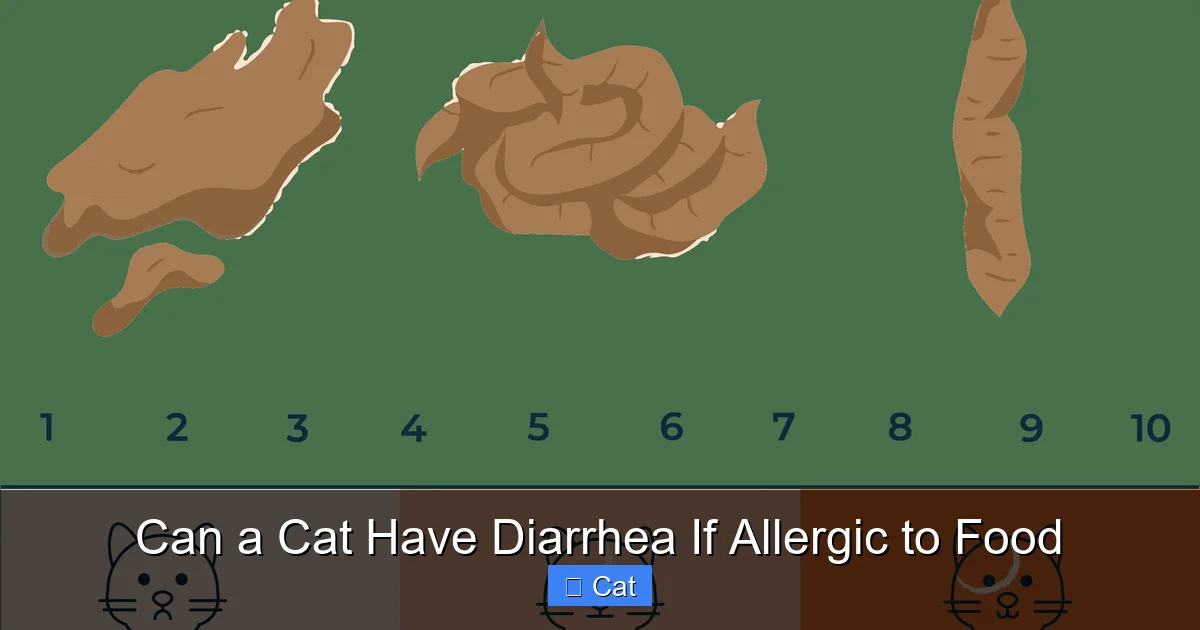
Visual guide about Can a Cat Have Diarrhea If Allergic to Food
Image source: bellaandduke.com
Food allergies in cats aren’t as simple as “eating something bad.” They’re immune-mediated reactions that develop over time. A cat becomes sensitized to a particular ingredient—often after repeated exposure—and then reacts whenever that ingredient is consumed again. This is different from a food intolerance, which doesn’t involve the immune system but can still cause digestive upset.
The most common culprits are proteins found in everyday cat foods. Beef, dairy, fish (especially salmon and tuna), chicken, eggs, wheat, soy, and corn are frequent offenders. Interestingly, cats can develop allergies to foods they’ve eaten for years—not just new ones. That’s why even premium or “natural” diets can trigger reactions if they contain an allergenic ingredient your cat has built up sensitivity to.
Symptoms of food allergies vary widely. Some cats show only gastrointestinal signs like diarrhea or vomiting. Others develop skin issues such as chronic itching, especially around the face, ears, and paws, or recurrent ear infections. In many cases, cats exhibit both digestive and dermatological symptoms, making diagnosis tricky without proper testing.
It’s also worth noting that food allergies are relatively rare compared to other causes of diarrhea. Studies suggest only about 1–10% of cats with chronic GI issues actually have a true food allergy. However, because the symptoms can be so disruptive and uncomfortable, it’s essential to consider it as a possibility—especially if your cat isn’t responding to standard treatments.
How Food Allergies Differ from Food Intolerances
Many pet owners confuse food allergies with food intolerances, but they’re not the same thing. A food allergy involves the immune system. When a cat with a food allergy eats the offending ingredient, their immune system mistakenly identifies it as a threat and launches an attack. This can lead to inflammation in the gut (causing diarrhea), skin reactions, or even respiratory symptoms in rare cases.
A food intolerance, on the other hand, is a digestive issue. It happens when a cat’s system can’t properly break down or absorb a certain ingredient—like lactose in milk. This leads to gas, bloating, and diarrhea, but there’s no immune response. Intolerances are generally less severe and don’t cause skin problems.
For example, a cat that gets diarrhea after drinking cow’s milk likely has a lactose intolerance, not an allergy. But a cat that develops chronic diarrhea, vomiting, and itchy skin after eating a chicken-based kibble for months may have a true food allergy to chicken protein.
Understanding this difference matters because the treatment approaches vary. Intolerances may improve with enzyme supplements or avoiding specific ingredients, while allergies require complete elimination of the allergen and careful long-term management.
Common Signs and Symptoms of Food Allergies in Cats
Diarrhea is just one piece of the puzzle when it comes to food allergies in cats. While it’s a common symptom, it rarely occurs in isolation. Most cats with food allergies show a combination of gastrointestinal and dermatological signs.
Gastrointestinal symptoms include:
– Chronic or intermittent diarrhea (often soft, watery, or mucus-filled)
– Vomiting (sometimes several times a week)
– Increased gas or flatulence
– Loud stomach gurgling or discomfort
– Changes in appetite (either increased or decreased)
Dermatological symptoms are equally common and may include:
– Excessive scratching, especially around the head and neck
– Hair loss or bald patches
– Red, inflamed skin
– Recurrent ear infections
– Paw chewing or licking
Some cats also experience behavioral changes, such as lethargy, irritability, or hiding more than usual. These can be subtle but are important clues, especially when combined with physical symptoms.
It’s crucial to track when symptoms occur and what your cat has been eating. Keep a journal noting meals, treats, any new products (like flea medication or cleaning supplies), and symptom frequency. This log can be invaluable when discussing your cat’s condition with your veterinarian.
When to See a Vet
If your cat has diarrhea for more than 24–48 hours, or if it’s accompanied by vomiting, lethargy, blood in the stool, or signs of dehydration (such as dry gums or sunken eyes), seek veterinary care immediately. These could indicate a more serious condition like pancreatitis, inflammatory bowel disease (IBD), or a parasitic infection.
Even if symptoms seem mild, persistent diarrhea lasting more than a week warrants a vet visit. Your vet will likely perform a physical exam, run fecal tests to rule out parasites or bacterial infections, and possibly recommend blood work to check for underlying issues.
Only after other causes are ruled out should food allergy be considered. Self-diagnosing and switching diets without professional guidance can delay proper treatment and even make symptoms worse.
Diagnosing Food Allergies: The Elimination Diet
The only reliable way to diagnose a food allergy in cats is through a strict elimination diet. This process involves feeding your cat a novel protein and carbohydrate source they’ve never eaten before—or a hydrolyzed diet—for 8 to 12 weeks. During this time, absolutely no other foods, treats, flavored medications, or chewable supplements are allowed.
A novel protein might be something like rabbit, duck, venison, or kangaroo—ingredients not commonly found in commercial cat foods. The carbohydrate source should also be new, such as sweet potato or green peas. Alternatively, your vet may recommend a hydrolyzed diet, where proteins are broken down into tiny fragments too small to trigger an immune response.
The key is consistency. Even a single treat or piece of table scrap can derail the entire trial and give false results. Many owners don’t realize that flavored dewormers, toothpaste, or even certain probiotics contain common allergens like chicken or beef. Always check labels and consult your vet before giving anything during the trial.
After 8–12 weeks on the elimination diet, if your cat’s diarrhea and other symptoms have significantly improved or disappeared, your vet will likely recommend a “challenge” phase. This means reintroducing the original diet or suspected allergen to see if symptoms return. If they do, it confirms a food allergy.
Tips for a Successful Elimination Diet
– Work closely with your veterinarian to choose the right diet.
– Read all ingredient labels carefully—even “grain-free” doesn’t mean allergen-free.
– Use pill pockets without flavor if your cat needs medication.
– Feed all household cats the same diet if possible, or supervise meals to prevent sneaking.
– Keep a detailed symptom diary throughout the trial.
– Be patient—improvement may take several weeks.
Remember, an elimination diet is not a quick fix. It requires commitment, but it’s the most accurate diagnostic tool available for food allergies in cats.
Managing and Treating Food Allergies in Cats
Once a food allergy is confirmed, the primary treatment is lifelong avoidance of the allergen. This means carefully selecting commercial diets or preparing homemade meals that exclude the problematic ingredient. Always consult your vet before switching to a homemade diet, as cats have very specific nutritional needs that must be met.
Many prescription diets are formulated specifically for food allergies. These include hydrolyzed protein diets and limited-ingredient novel protein diets. Brands like Hill’s Prescription Diet z/d, Royal Canin Hypoallergenic, and Purina Pro Plan Veterinary Diets HA are commonly recommended.
If you prefer to feed a commercial over-the-counter diet, look for products labeled “limited ingredient” or “single protein source.” However, be cautious—some OTC brands still contain trace amounts of common allergens due to cross-contamination during manufacturing. Check with the manufacturer if you’re unsure.
Supporting Digestive Health During Recovery
While your cat is recovering from allergy-related diarrhea, supporting their gut health can speed up healing. Probiotics designed for cats may help restore healthy gut flora. Look for products containing strains like Enterococcus faecium or Bifidobacterium animalis.
Bone broth (unsalted and onion/garlic-free) can also soothe the digestive tract and encourage hydration. Offer small amounts as a topper or treat during the transition period.
Avoid giving over-the-counter human medications like Pepto-Bismol or Imodium unless specifically directed by your vet. These can be toxic to cats and mask symptoms without addressing the root cause.
Preventing Future Episodes
The best way to prevent diarrhea from food allergies is strict dietary management. Once you know what your cat is allergic to, avoid it completely. This includes checking treats, dental chews, and even some grooming products that may contain hidden ingredients.
Rotate safe proteins occasionally to reduce the risk of developing new allergies, but always introduce new foods gradually. A slow transition over 7–10 days helps prevent digestive upset.
Regular vet check-ups are also important. Your vet can monitor your cat’s overall health and catch any new sensitivities early.
Common Misconceptions About Cat Food Allergies
There are many myths surrounding food allergies in cats, which can lead to confusion and ineffective treatments. Let’s clear up some of the most common misconceptions.
One myth is that “grain-free” diets prevent allergies. While grains like wheat and corn can be allergens, they’re actually less common triggers than animal proteins. Many grain-free diets still contain beef, chicken, or fish—top allergens for cats. So going grain-free alone won’t solve the problem if the real culprit is a protein.
Another misconception is that switching brands frequently prevents allergies. In reality, constant diet changes can stress the digestive system and make it harder to identify allergens. Stability is key during diagnosis and management.
Some owners believe that raw diets are inherently better for allergic cats. While raw feeding works for some, it carries risks like bacterial contamination and nutritional imbalances. Plus, if the raw diet contains the allergenic protein, it will still cause symptoms.
Finally, don’t assume that expensive or “natural” foods are hypoallergenic. Allergies are about individual sensitivity, not price or marketing claims. Always focus on ingredients, not labels.
When Diarrhea Isn’t Due to Food Allergies
While food allergies can cause diarrhea, they’re not the only cause. Other conditions that mimic food allergy symptoms include:
– **Inflammatory Bowel Disease (IBD):** A chronic inflammation of the gut lining that causes similar GI symptoms. Diagnosis often requires biopsies.
– **Parasites:** Giardia, roundworms, and hookworms can cause persistent diarrhea. Fecal exams are essential.
– **Bacterial or viral infections:** Salmonella, E. coli, or feline panleukopenia can lead to acute or chronic diarrhea.
– **Pancreatitis:** Inflammation of the pancreas often causes vomiting and diarrhea.
– **Liver or kidney disease:** These systemic illnesses can affect digestion and stool quality.
– **Stress or anxiety:** Changes in environment, new pets, or loud noises can trigger temporary GI upset.
Because these conditions require different treatments, it’s vital to get an accurate diagnosis. Your vet may recommend blood tests, ultrasounds, endoscopy, or other diagnostics to rule out non-allergic causes.
Conclusion
Yes, a cat can have diarrhea if allergic to food—and it’s more common than many pet owners realize. While diarrhea alone doesn’t confirm an allergy, when it’s persistent and accompanied by other symptoms like vomiting, itching, or ear infections, food allergy should be high on your list of possibilities.
The key to helping your cat feel better lies in proper diagnosis through a vet-supervised elimination diet and careful long-term management. Avoiding the allergen, choosing the right food, and monitoring your cat’s health can make a world of difference.
Remember, every cat is unique. What works for one may not work for another. Stay observant, keep detailed records, and never hesitate to seek professional advice. With patience and the right approach, you can help your feline friend live a comfortable, diarrhea-free life.
Frequently Asked Questions
Can a cat suddenly develop a food allergy?
Yes, cats can develop food allergies at any age—even to foods they’ve eaten for years. Repeated exposure to an ingredient can eventually trigger an immune response, leading to symptoms like diarrhea or skin irritation.
How long does it take for a cat to react to a food allergen?
Reactions can occur within hours or take days to appear. Some cats show immediate vomiting or diarrhea, while others develop chronic symptoms over weeks or months of exposure.
Are homemade diets better for cats with food allergies?
Homemade diets can work if properly balanced, but they require veterinary guidance. Improper nutrition can lead to deficiencies, so always consult your vet before switching to a homemade plan.
Can probiotics help with allergy-related diarrhea in cats?
Probiotics may support gut healing during recovery, but they won’t treat the underlying allergy. Use them as a supplement, not a cure, and choose cat-specific formulas.
Is diarrhea from a food allergy dangerous?
Chronic diarrhea can lead to dehydration, weight loss, and nutrient deficiencies if left untreated. While not immediately life-threatening, it requires veterinary attention to prevent complications.
Can I test my cat for food allergies at home?
At-home allergy tests are not reliable for diagnosing food allergies in cats. The only accurate method is a vet-supervised elimination diet followed by a food challenge.